

Constipation is a common digestive issue that affects people of all ages. It is characterized by infrequent bowel movements, difficulty passing stool, and hard or dry stool. Constipation can be caused by a variety of factors, including a low-fiber diet, dehydration, lack of physical activity, certain medications, and underlying medical conditions such as irritable bowel syndrome (IBS) or hypothyroidism. It can also be a result of ignoring the urge to have a bowel movement, which can lead to the stool becoming harder and more difficult to pass.
Constipation can cause discomfort and bloating, and in severe cases, it can lead to complications such as hemorrhoids or fecal impaction. It is important to address constipation promptly to prevent these complications and improve overall digestive health. Making dietary and lifestyle changes, staying hydrated, exercising regularly, and using herbal remedies can all help relieve constipation and promote regular bowel movements. However, if constipation persists despite these measures, it is important to seek medical advice to rule out any underlying medical conditions and receive appropriate treatment.
Constipation is a common condition that affects millions of people worldwide. It occurs when bowel movements become less frequent and difficult to pass. This can lead to discomfort, bloating, and in severe cases, complications such as hemorrhoids or fecal impaction. There are many potential causes of constipation, including a low-fiber diet, dehydration, lack of physical activity, certain medications, and underlying medical conditions such as IBS or hypothyroidism. It is important to address constipation promptly to prevent complications and improve overall digestive health. Making dietary and lifestyle changes, staying hydrated, exercising regularly, and using herbal remedies can all help relieve constipation and promote regular bowel movements. However, if constipation persists despite these measures, it is important to seek medical advice to rule out any underlying medical conditions and receive appropriate treatment.
Dietary Changes for Constipation Relief
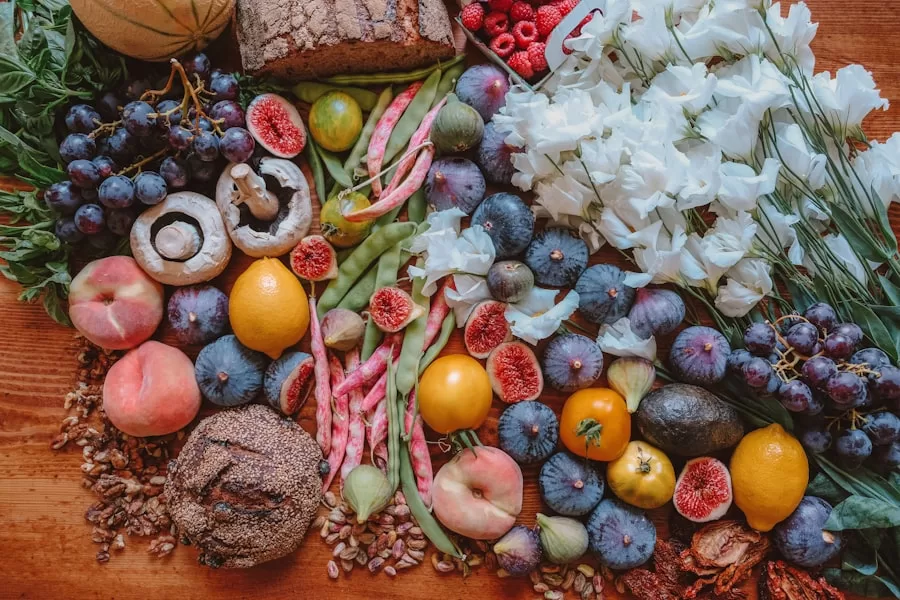
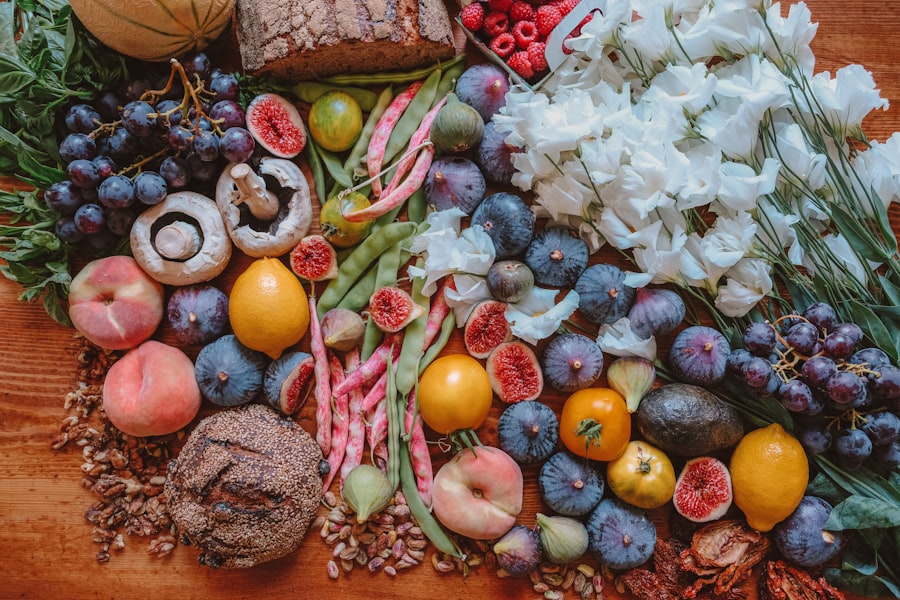
One of the most effective ways to relieve constipation is by making dietary changes. Increasing fiber intake is crucial for promoting regular bowel movements. Fiber adds bulk to the stool and helps it pass more easily through the digestive system. Good sources of fiber include fruits, vegetables, whole grains, legumes, and nuts. It is important to gradually increase fiber intake to prevent bloating and gas. Additionally, staying hydrated is essential for proper digestion and preventing constipation. Drinking plenty of water throughout the day can soften the stool and make it easier to pass.
In addition to increasing fiber intake and staying hydrated, it is important to limit the consumption of processed foods, which are often low in fiber and high in fat. These foods can contribute to constipation and should be replaced with whole, unprocessed foods. Probiotic-rich foods such as yogurt, kefir, and sauerkraut can also help promote healthy digestion and relieve constipation by maintaining a healthy balance of gut bacteria. By making these dietary changes, individuals can effectively relieve constipation and promote overall digestive health.
Dietary changes play a crucial role in relieving constipation. Increasing fiber intake is essential for promoting regular bowel movements. Good sources of fiber include fruits, vegetables, whole grains, legumes, and nuts. It is important to gradually increase fiber intake to prevent bloating and gas. Additionally, staying hydrated is essential for proper digestion and preventing constipation. Drinking plenty of water throughout the day can soften the stool and make it easier to pass. Limiting the consumption of processed foods, which are often low in fiber and high in fat, is also important for relieving constipation. These foods should be replaced with whole, unprocessed foods. Probiotic-rich foods such as yogurt, kefir, and sauerkraut can also help promote healthy digestion and relieve constipation by maintaining a healthy balance of gut bacteria.
Hydration and Constipation
Hydration plays a crucial role in preventing and relieving constipation. Water helps soften the stool, making it easier to pass through the digestive system. Dehydration can lead to hard, dry stool that is difficult to pass, contributing to constipation. It is important to drink plenty of water throughout the day to maintain proper hydration levels and promote healthy digestion. In addition to water, herbal teas such as peppermint or ginger tea can also help relieve constipation by promoting bowel movements.
In addition to water and herbal teas, consuming hydrating foods such as fruits and vegetables can also contribute to overall hydration levels. Foods with high water content, such as cucumbers, watermelon, and oranges, can help keep the body hydrated and promote regular bowel movements. By prioritizing hydration through water consumption and hydrating foods, individuals can effectively prevent and relieve constipation.
Hydration is essential for preventing and relieving constipation. Water helps soften the stool, making it easier to pass through the digestive system. Dehydration can lead to hard, dry stool that is difficult to pass, contributing to constipation. It is important to drink plenty of water throughout the day to maintain proper hydration levels and promote healthy digestion. In addition to water, herbal teas such as peppermint or ginger tea can also help relieve constipation by promoting bowel movements. Consuming hydrating foods such as fruits and vegetables can also contribute to overall hydration levels. Foods with high water content, such as cucumbers, watermelon, and oranges, can help keep the body hydrated and promote regular bowel movements.
Exercise and Constipation Relief
| Exercise Type | Frequency | Duration | Effectiveness |
|---|---|---|---|
| Aerobic Exercise | 3-5 times per week | 30-60 minutes | Effective in relieving constipation |
| Yoga | 3-4 times per week | 45-60 minutes | Improves digestion and relieves constipation |
| Strength Training | 2-3 times per week | 30-45 minutes | May help in relieving constipation |
Regular physical activity is important for promoting healthy digestion and preventing constipation. Exercise helps stimulate the muscles in the digestive tract, promoting bowel movements and preventing stool from becoming stagnant in the colon. Activities such as walking, jogging, swimming, or yoga can all help relieve constipation by promoting regular bowel movements.
In addition to promoting healthy digestion, exercise can also help reduce stress levels, which can contribute to digestive issues such as constipation. Stress has been linked to changes in gut motility and sensitivity, which can affect bowel function. By incorporating regular exercise into their routine, individuals can effectively relieve constipation and promote overall digestive health.
Regular physical activity is important for promoting healthy digestion and preventing constipation. Exercise helps stimulate the muscles in the digestive tract, promoting bowel movements and preventing stool from becoming stagnant in the colon. Activities such as walking, jogging, swimming, or yoga can all help relieve constipation by promoting regular bowel movements. In addition to promoting healthy digestion, exercise can also help reduce stress levels, which can contribute to digestive issues such as constipation. By incorporating regular exercise into their routine, individuals can effectively relieve constipation and promote overall digestive health.
Herbal Remedies for Constipation
Herbal remedies have been used for centuries to relieve constipation and promote healthy digestion. Certain herbs have natural laxative properties that can help stimulate bowel movements and relieve constipation. Senna leaf, cascara sagrada, aloe vera juice, and rhubarb root are all examples of herbs that have been traditionally used as natural laxatives.
In addition to natural laxatives, other herbs such as ginger, peppermint, and fennel can help relieve bloating and gas associated with constipation. These herbs have carminative properties that help relax the digestive tract and reduce discomfort.
It is important to use herbal remedies for constipation under the guidance of a healthcare professional, as some herbs may interact with medications or have contraindications for certain medical conditions.
Herbal remedies have been used for centuries to relieve constipation and promote healthy digestion. Certain herbs have natural laxative properties that can help stimulate bowel movements and relieve constipation. Senna leaf, cascara sagrada, aloe vera juice, and rhubarb root are all examples of herbs that have been traditionally used as natural laxatives. In addition to natural laxatives, other herbs such as ginger, peppermint, and fennel can help relieve bloating and gas associated with constipation. These herbs have carminative properties that help relax the digestive tract and reduce discomfort.
Lifestyle Changes for Constipation Relief
In addition to dietary changes and herbal remedies, making lifestyle changes can also help relieve constipation. Establishing a regular bathroom routine can help train the body to have regular bowel movements at the same time each day. It is important to respond promptly to the urge to have a bowel movement to prevent stool from becoming harder and more difficult to pass.
Reducing stress levels through relaxation techniques such as deep breathing exercises or meditation can also help relieve constipation. Stress has been linked to changes in gut motility and sensitivity, which can affect bowel function.
Incorporating regular physical activity into daily routine can also help relieve constipation by stimulating the muscles in the digestive tract and promoting healthy bowel movements.
In addition to dietary changes and herbal remedies, making lifestyle changes can also help relieve constipation. Establishing a regular bathroom routine can help train the body to have regular bowel movements at the same time each day. It is important to respond promptly to the urge to have a bowel movement to prevent stool from becoming harder and more difficult to pass. Reducing stress levels through relaxation techniques such as deep breathing exercises or meditation can also help relieve constipation. Incorporating regular physical activity into daily routine can also help relieve constipation by stimulating the muscles in the digestive tract and promoting healthy bowel movements.
Seeking Medical Advice for Chronic Constipation
While dietary changes, hydration, exercise, herbal remedies, and lifestyle changes can all help relieve occasional constipation, it is important to seek medical advice if constipation persists or becomes chronic. Chronic constipation may be a symptom of an underlying medical condition such as IBS or hypothyroidism that requires medical treatment.
A healthcare professional can conduct a thorough evaluation of symptoms and medical history to determine the underlying cause of chronic constipation and recommend appropriate treatment options. In some cases, prescription medications or procedures may be necessary to relieve chronic constipation.
While dietary changes, hydration, exercise, herbal remedies, and lifestyle changes can all help relieve occasional constipation, it is important to seek medical advice if constipation persists or becomes chronic. Chronic constipation may be a symptom of an underlying medical condition such as IBS or hypothyroidism that requires medical treatment. A healthcare professional can conduct a thorough evaluation of symptoms and medical history to determine the underlying cause of chronic constipation and recommend appropriate treatment options. In some cases, prescription medications or procedures may be necessary to relieve chronic constipation.
In conclusion,constipation is a common digestive issue that affects people of all ages,constipated individuals should consider making dietary changes,staying hydrated through water consumption,and consuming hydrating foods such as fruits,and vegetables,constipated individuals should consider incorporating regular physical activity into their routine,constipated individuals should consider using herbal remedies under the guidance of a healthcare professional,constipated individuals should consider making lifestyle changes such as establishing a regular bathroom routine,reducing stress levels,and incorporating relaxation techniques,constipated individuals should seek medical advice if constipation persists or becomes chronic,constipated individuals should seek medical advice if they experience severe symptoms or if their symptoms do not improve with home remedies,constipated individuals should seek medical advice if they have underlying medical conditions that may be contributing to their symptoms,constipated individuals should seek medical advice if they are taking medications that may be causing constipation,constipated individuals should seek medical advice if they experience sudden changes in bowel habits,constipated individuals should seek medical advice if they experience severe abdominal pain,constipated individuals should seek medical advice if they notice blood in their stool,constipated individuals should seek medical advice if they experience unexplained weight loss,constipated individuals should seek medical advice if they have a family history of colon cancer or inflammatory bowel disease,constipated individuals should seek medical advice if they are over 50 years old,constipated individuals should seek medical advice if they have not had a colonoscopy within the recommended time frame,constipated individuals should seek medical advice if they have a personal history of colon polyps or inflammatory bowel disease,constipated individuals should seek medical advice if they have a personal history of colon cancer,constipated individuals should seek medical advice if they have a personal history of radiation therapy to the abdomen or pelvis,constipated individuals should seek medical advice if they have a personal history of abdominal surgery,constipated individuals should seek medical advice if they have a personal history of eating disorders,constipated individuals should seek medical advice if they have a personal history of neurological disorders,constipated individuals should seek medical advice if they have a personal history of pelvic floor dysfunction,constipated individuals should seek medical advice if they have a personal history of endocrine disorders,constipated individuals should seek medical advice if they have a personal history of connective tissue disorders,constipated individuals should seek medical advice if they have a personal history of gastrointestinal disorders,constipated individuals should seek medical advice if they have a personal history of psychiatric disorders,constipated individuals should seek medical advice if they are pregnant or breastfeeding,constipated individuals should seek medical advice if they are experiencing severe symptoms,constipated individuals should seek medical advice if their symptoms do not improve with home remedies,constipated individuals should seek medical advice if they are taking medications that may be causing constipation,constipated individuals should seek medical advice if they experience sudden changes in bowel habits,constipated individuals should seek medical advice if they experience severe abdominal pain,constipated individuals should seek medical advice if they notice blood in their stool,constipated individuals should seek medical advice if they experience unexplained weight loss,constipated individuals should seek medical advice if they have a family history of colon cancer or inflammatory bowel disease,constipated individuals should seek medical advice if they are over 50 years old,constipated individuals should seek medical advice if they have not had a colonoscopy within the recommended time frame,constipated individuals should seek medical advice if they have a personal history of colon polyps or inflammatory bowel disease,constipated individuals should seek medical advice if they have a personal history of colon cancer,constipated individuals should seek medical advice if they have a personal history of radiation therapy to the abdomen or pelvis,constipated individuals should seek medical advice if they have a personal history of abdominal surgery,constipated individuals should seek medical advice if they have a personal history of eating disorders,constipated individuals should seek medical advice if they have a personal history of neurological disorders,constipated individuals should seek medical advice if they have a personal history of pelvic floor dysfunction,constipated individuals should seek medical advice if they have a personal history of endocrine disorders,constipated individuals should seek medical advice if they have a personal history of connective tissue disorders,constipated individuals should seek medical advice if they have a personal history of gastrointestinal disorders,constipated individuals should seek medical advice if they have a personal history of psychiatric disorders,constipated individuals should seek medical advice if they are pregnant or breastfeeding,constipated individuals should seek medical advice if they are experiencing severe symptoms,constipated individuals should seek medical advice if their symptoms do not improve with home remedies,constipated individuals should seek medical advice if they are taking medications that may be causing constipation. It is important for individuals to be proactive about their digestive health and seek medical advice if they have any concerns or if their symptoms persist. It is always best to consult with a healthcare professional to determine the underlying cause of constipation and to receive appropriate treatment.
If you’re looking for natural ways to relieve constipation, you might want to consider incorporating water aerobics into your exercise routine. According to a recent study published in the American Exercise Research Journal, water aerobics has been shown to improve digestion and alleviate constipation. In addition to exercise, incorporating yoga poses and consuming fiber-rich juice recipes, as discussed in the articles on yoga poses to relieve stress and juice recipes for breakfast time, can also contribute to better digestive health.