

Starting a workout plan as a beginner can be both exciting and overwhelming. It’s important to approach your fitness journey with a clear plan in mind to ensure that you stay motivated and see results. A beginner workout plan is designed to help you ease into a regular exercise routine, build strength, and improve your overall fitness level. Whether your goal is to lose weight, gain muscle, or simply improve your health, a well-structured workout plan can help you achieve your objectives.
When starting a beginner workout plan, it’s important to take things slow and gradually increase the intensity of your workouts as your fitness level improves. This will help prevent injury and ensure that you stay consistent with your exercise routine. Additionally, it’s essential to focus on proper form and technique to maximize the benefits of each exercise. With the right mindset and dedication, a beginner workout plan can set the foundation for a healthier and more active lifestyle.
Setting Realistic Goals
Setting realistic goals is a crucial step in any beginner workout plan. It’s important to have a clear understanding of what you want to achieve and to set achievable milestones along the way. Whether your goal is to lose a certain amount of weight, increase your strength, or improve your endurance, setting specific, measurable, and realistic goals will help keep you focused and motivated.
When setting goals for your beginner workout plan, it’s important to consider your current fitness level and any limitations you may have. Be honest with yourself about what you can realistically achieve within a certain timeframe, and be prepared to adjust your goals as you progress. It’s also helpful to break down larger goals into smaller, more manageable tasks to make them feel less daunting. By setting realistic goals, you can track your progress more effectively and stay motivated throughout your fitness journey.
Basic Exercises for Beginners
Incorporating basic exercises into your beginner workout plan is essential for building a strong foundation and improving overall fitness. These exercises are designed to target multiple muscle groups and can be modified to suit different fitness levels. Some basic exercises for beginners include squats, lunges, push-ups, planks, and bodyweight rows. These exercises are effective for building strength, improving balance, and increasing flexibility.
Squats are a fundamental lower body exercise that targets the quadriceps, hamstrings, and glutes. Lunges are another great lower body exercise that helps improve balance and stability while targeting the same muscle groups as squats. Push-ups are an excellent upper body exercise that targets the chest, shoulders, and triceps, while planks engage the core muscles and help improve overall stability. Bodyweight rows are a great exercise for targeting the back muscles and improving posture.
Creating a Workout Schedule
| Day | Workout | Duration | Intensity |
|---|---|---|---|
| Monday | Cardio | 45 minutes | Medium |
| Tuesday | Strength Training | 60 minutes | High |
| Wednesday | Rest | – | – |
| Thursday | Cardio | 45 minutes | Medium |
| Friday | Strength Training | 60 minutes | High |
| Saturday | Yoga | 30 minutes | Low |
| Sunday | Rest | – | – |
Creating a workout schedule is essential for staying consistent with your beginner workout plan. It’s important to set aside dedicated time for exercise each week and to prioritize your workouts as you would any other important commitment. When creating a workout schedule, consider your daily routine, work or school commitments, and any other activities that may impact your availability for exercise.
Aim to schedule at least three to four workouts per week, with each session lasting around 30-60 minutes. This will allow you to gradually build up your fitness level without feeling overwhelmed. Additionally, consider incorporating a mix of cardiovascular exercise, strength training, and flexibility work into your schedule to ensure a well-rounded fitness routine. By creating a workout schedule that works for your lifestyle, you can establish a consistent exercise routine and make progress towards your fitness goals.
Importance of Rest and Recovery
Rest and recovery are often overlooked aspects of a beginner workout plan, but they are crucial for achieving optimal results and preventing injury. When starting a new exercise routine, it’s important to give your body time to recover between workouts to allow for muscle repair and growth. Without adequate rest, you may experience burnout or even risk overtraining, which can hinder your progress.
Incorporating rest days into your workout schedule is essential for allowing your muscles to recover and rebuild. Aim to have at least one or two rest days per week where you engage in light activity or focus on stretching and mobility work. Additionally, prioritize getting enough sleep each night to support your body’s recovery process. By understanding the importance of rest and recovery, you can optimize the benefits of your workouts and reduce the risk of injury.
Tracking Progress and Adjusting the Plan
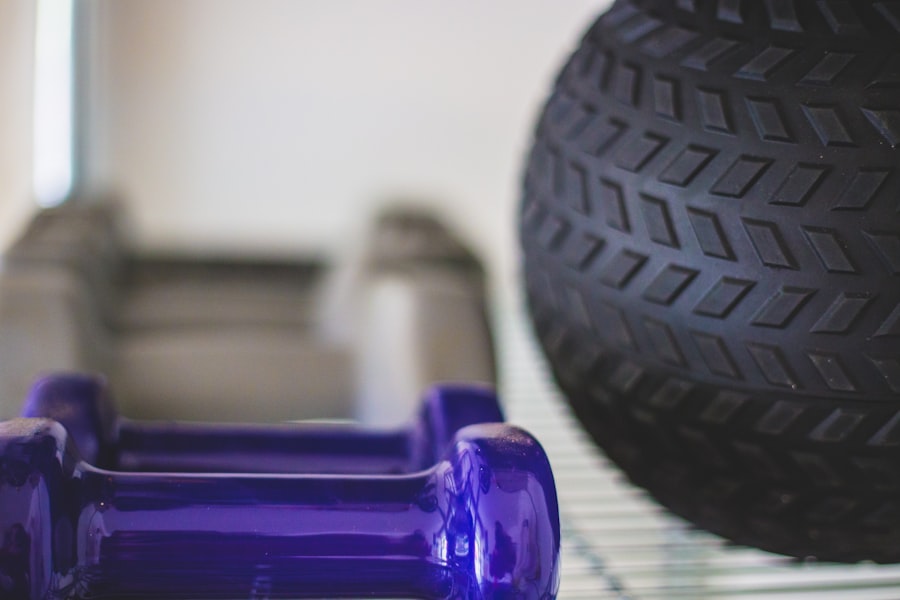
Tracking your progress is an important part of any beginner workout plan as it allows you to see how far you’ve come and make adjustments as needed. There are various ways to track progress, such as keeping a workout journal, taking regular measurements, or using fitness apps to monitor your performance. By tracking your progress, you can identify areas of improvement and make necessary changes to your workout plan.
As you progress with your beginner workout plan, it’s important to periodically reassess your goals and adjust your plan accordingly. This may involve increasing the intensity of your workouts, trying new exercises, or modifying your schedule to better fit your needs. By staying flexible and open to change, you can continue to challenge yourself and make consistent progress towards your fitness goals.
Tips for Staying Motivated
Staying motivated throughout your beginner workout plan is essential for maintaining consistency and achieving long-term success. There are several strategies you can use to stay motivated, such as setting short-term goals, finding a workout buddy, or rewarding yourself for reaching milestones. Additionally, varying your workouts, trying new activities, or seeking professional guidance can help keep things interesting and prevent boredom.
It’s also important to focus on the positive changes you experience as a result of your workouts, whether it’s increased energy levels, improved mood, or physical changes in your body. By celebrating these victories along the way, you can stay motivated and committed to your fitness journey. Remember that progress takes time, so be patient with yourself and stay focused on the long-term benefits of regular exercise. With the right mindset and determination, you can achieve your fitness goals and enjoy a healthier, more active lifestyle.
Looking to kickstart your fitness journey with a beginner workout plan? Check out our article on the best natural remedies for cold and flu to keep your immune system strong as you start your fitness routine. It’s important to prioritize your health and wellness, so make sure to also read our article on healthy hydration hacks to stay properly fueled during your workouts. And if you’re looking to enhance your overall well-being, don’t miss our guide on juicing for beautiful hair, because feeling good inside and out is key to a successful fitness journey. (source)