
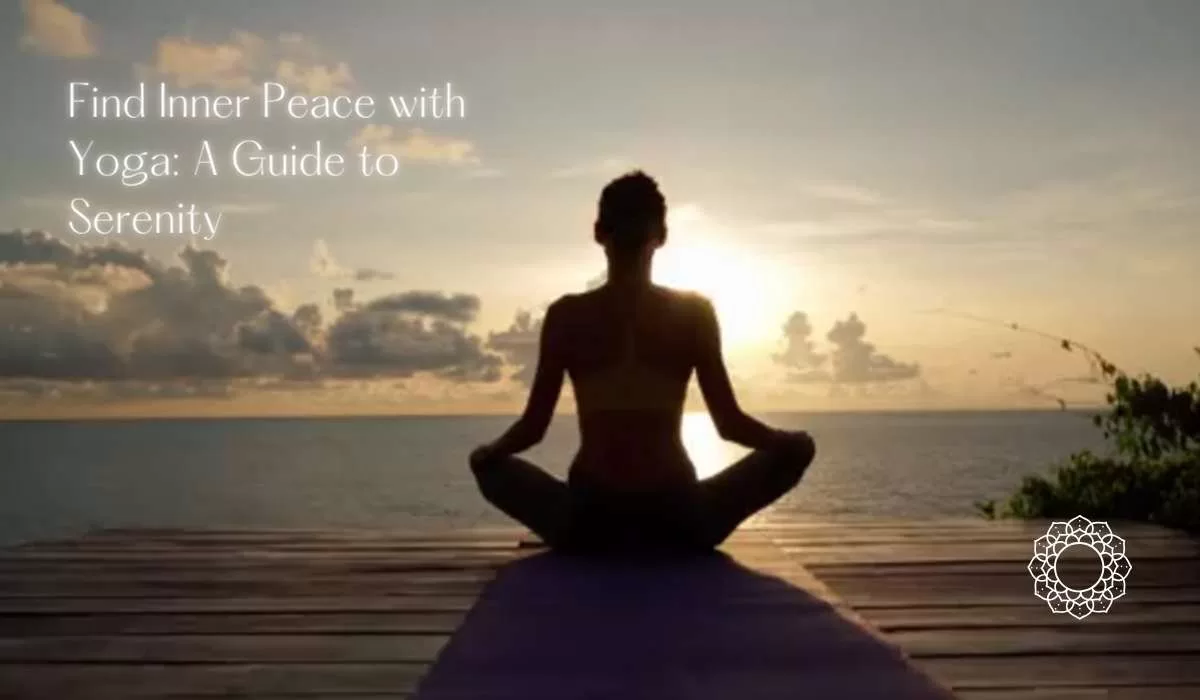

Yoga is an ancient practice that originated in India thousands of years ago. It is a holistic approach to physical and mental well-being that combines physical postures, breathing exercises, meditation, and ethical principles. The word “yoga” comes from the Sanskrit word “yuj,” which means to unite or join. The practice of yoga aims to unite the mind, body, and spirit, leading to a state of inner peace and harmony.
Inner peace can be defined as a state of calmness, tranquility, and contentment. It is a sense of being at peace with oneself and the world around us. Inner peace is not dependent on external circumstances or material possessions; it is an internal state that can be cultivated through various practices, including yoga.
Yoga can help achieve inner peace by promoting self-awareness, mindfulness, and relaxation. Through the physical postures (asanas), yoga helps release tension and stress from the body, allowing for greater physical comfort and ease. The breathing exercises (pranayama) in yoga help calm the mind and bring focus and clarity. Meditation practices in yoga help quiet the mind and cultivate a sense of inner stillness and peace.
The Benefits of Yoga for Mental Health
Yoga has been shown to have numerous benefits for mental health. Research has found that regular yoga practice can reduce symptoms of anxiety and depression, improve mood and emotional regulation, and enhance cognitive function.
Anxiety and depression are common mental health disorders that can significantly impact a person’s quality of life. Studies have shown that practicing yoga regularly can reduce symptoms of anxiety and depression by promoting relaxation, reducing stress levels, and increasing feelings of well-being. Yoga helps activate the body’s relaxation response, which counteracts the stress response and promotes a sense of calmness and tranquility.
In addition to reducing anxiety and depression, yoga has also been found to improve mood and emotional regulation. Regular yoga practice helps release endorphins, which are natural mood-boosting chemicals in the brain. It also helps regulate the stress hormone cortisol, which can contribute to mood swings and emotional instability. By practicing yoga, individuals can develop greater emotional resilience and the ability to manage their emotions more effectively.
Furthermore, yoga has been shown to enhance cognitive function. Research has found that yoga improves attention, memory, and concentration. The physical postures and breathing exercises in yoga help increase blood flow to the brain, which enhances cognitive function. Additionally, the mindfulness and meditation practices in yoga help improve focus and attention, leading to better cognitive performance.
The Science Behind Yoga and Stress Reduction
Stress is a natural response to challenging or threatening situations. However, chronic stress can have detrimental effects on both physical and mental health. The nervous system plays a crucial role in the stress response, and yoga has been found to have a profound impact on the nervous system, helping to reduce stress levels.
The nervous system is divided into two main branches: the sympathetic nervous system (SNS) and the parasympathetic nervous system (PNS). The SNS is responsible for the body’s fight-or-flight response, which is activated during times of stress or danger. On the other hand, the PNS is responsible for the body’s rest-and-digest response, which promotes relaxation and healing.
Yoga activates the PNS and helps counteract the effects of chronic stress on the body and mind. The physical postures in yoga help release tension from the muscles and promote relaxation. The breathing exercises in yoga help activate the PNS by slowing down the heart rate, lowering blood pressure, and reducing cortisol levels.
Numerous studies have shown that yoga is effective in reducing stress levels. A meta-analysis of 35 studies found that practicing yoga significantly reduces perceived stress levels and improves overall well-being. Another study found that a 12-week yoga intervention reduced stress and anxiety levels in individuals with chronic stress.
Beginner’s Guide to Yoga for Inner Peace
| Metrics | Values |
|---|---|
| Number of poses | 20 |
| Duration of each session | 30 minutes |
| Number of sessions per week | 3 |
| Number of calories burned per session | 150-200 |
| Number of weeks to complete the guide | 8 |
| Benefits | Improved flexibility, reduced stress and anxiety, increased mindfulness |
If you’re new to yoga and want to start practicing for inner peace, here are some tips to get started:
1. Finding a yoga class or teacher: Look for local yoga studios or community centers that offer beginner-friendly classes. It’s important to find a teacher who is knowledgeable and experienced in teaching beginners.
2. Basic yoga poses for beginners: Start with simple poses that focus on building strength, flexibility, and balance. Some beginner-friendly poses include Mountain Pose (Tadasana), Downward-Facing Dog (Adho Mukha Svanasana), and Child’s Pose (Balasana).
3. Tips for starting a yoga practice: Start with short practice sessions of 10-15 minutes and gradually increase the duration as you become more comfortable. Listen to your body and modify poses as needed. Remember that yoga is not about perfection; it’s about the journey and the process.
Yoga Poses for Relaxation and Stress Relief
Yoga offers a wide range of poses that can help promote relaxation and relieve stress. Here are some gentle poses for relaxation:
1. Corpse Pose (Savasana): Lie flat on your back with your arms by your sides, palms facing up. Close your eyes and relax your entire body. Focus on your breath and let go of any tension or stress.
2. Legs-Up-The-Wall Pose (Viparita Karani): Lie on your back with your legs extended up against a wall. Rest your arms by your sides or place them on your belly. Close your eyes and breathe deeply, allowing your body to relax.
3. Child’s Pose (Balasana): Kneel on the floor with your knees hip-width apart and your toes touching. Sit back on your heels and fold forward, resting your forehead on the mat. Extend your arms in front of you or rest them by your sides. Breathe deeply and surrender to the pose.
Restorative poses are also great for stress relief. These poses use props such as blankets, bolsters, and blocks to support the body and promote deep relaxation. Some restorative poses include Supported Bridge Pose, Supported Child’s Pose, and Legs-Up-The-Wall Pose with props.
It’s important to listen to your body and modify poses as needed. If a pose feels uncomfortable or causes pain, back off or try a different variation. Remember that yoga is a personal practice, and it’s about finding what feels good for your body.
Yoga Breathing Techniques for Calmness and Clarity

Breath is an essential component of yoga practice. It is believed that the breath is the bridge between the mind and the body, and by controlling the breath, we can calm the mind and bring clarity and focus. Here are some different types of yoga breathing techniques:
1. Deep Belly Breathing (Diaphragmatic Breathing): Sit or lie down in a comfortable position. Place one hand on your belly and the other hand on your chest. Take a deep breath in through your nose, allowing your belly to rise as you fill your lungs with air. Exhale slowly through your nose, allowing your belly to fall. Repeat for several rounds, focusing on deepening and lengthening each breath.
2. Alternate Nostril Breathing (Nadi Shodhana): Sit in a comfortable position with your spine straight. Close your right nostril with your right thumb and inhale deeply through your left nostril. Close your left nostril with your ring finger and exhale through your right nostril. Inhale through your right nostril, close it with your thumb, and exhale through your left nostril. Continue alternating nostrils for several rounds, focusing on the smooth and steady flow of breath.
3. Ujjayi Breathing (Victorious Breath): Sit or stand in a comfortable position. Inhale deeply through your nose, allowing the breath to fill your lungs. As you exhale, constrict the back of your throat slightly, creating a soft “ha” sound. Continue breathing in this way, focusing on the sound and rhythm of your breath.
Incorporate breathing into your yoga practice by syncing your breath with your movements. Inhale as you lengthen or expand, and exhale as you contract or release. By focusing on the breath, you can bring a sense of calmness and clarity to your practice.
Mindfulness Meditation and Yoga
Mindfulness is the practice of paying attention to the present moment with non-judgmental awareness. It involves bringing our attention to our thoughts, feelings, bodily sensations, and the environment around us. Mindfulness meditation is a powerful tool for cultivating inner peace and can be combined with yoga practice.
The connection between mindfulness and yoga lies in their shared focus on the present moment and non-judgmental awareness. By practicing mindfulness during yoga, we can deepen our experience and bring greater presence to our practice.
To practice mindfulness meditation, find a quiet and comfortable space where you won’t be disturbed. Sit in a comfortable position with your spine straight and close your eyes. Bring your attention to your breath, noticing the sensation of the breath as it enters and leaves your body. Whenever your mind wanders, gently bring it back to the breath without judgment or criticism.
Combining mindfulness meditation with yoga can enhance the benefits of both practices. As you move through the physical postures, bring your attention to the sensations in your body, the movement of your breath, and the thoughts and emotions that arise. By practicing mindfulness during yoga, you can cultivate a deeper sense of presence and inner peace.
Developing a Daily Yoga Practice for Inner Peace
Developing a daily yoga practice is a powerful way to cultivate inner peace and well-being. Here are some tips for developing a consistent yoga practice:
1. Set goals for your yoga practice: Determine what you want to achieve through your yoga practice. It could be physical fitness, stress reduction, or spiritual growth. Setting clear goals will help you stay motivated and focused.
2. Create a routine that works for you: Find a time and place that works best for your practice. It could be in the morning, before bed, or during your lunch break. Create a dedicated space for your practice, whether it’s a corner of your living room or a quiet spot in nature.
3. Staying motivated and consistent: Find ways to stay motivated and committed to your practice. Set reminders on your phone, find an accountability partner, or join a yoga community for support and inspiration. Remember that consistency is key, even if you can only practice for a few minutes each day.
Yoga Retreats and Workshops for Deepening Your Practice
Attending a yoga retreat or workshop is a great way to deepen your yoga practice and immerse yourself in the yogic lifestyle. Here are some benefits of attending a yoga retreat or workshop:
1. Immersion in the practice: Yoga retreats and workshops offer an opportunity to fully immerse yourself in the practice of yoga. You can dedicate several days or weeks to deepen your understanding of yoga and explore different aspects of the practice.
2. Connection with like-minded individuals: Yoga retreats and workshops bring together people who share a common interest in yoga and personal growth. It’s an opportunity to connect with like-minded individuals, share experiences, and build lasting friendships.
3. Guidance from experienced teachers: Retreats and workshops are usually led by experienced teachers who can provide guidance and support on your yoga journey. They can offer personalized instruction, answer questions, and help you deepen your practice.
When choosing a yoga retreat or workshop, consider your goals and interests. Look for a program that aligns with your needs and preferences. Consider factors such as location, duration, style of yoga, and the qualifications of the teachers. Read reviews and testimonials to get a sense of the program’s quality and reputation.
Yoga Philosophy and its Connection to Inner Peace
Yoga is not just a physical practice; it is a way of life. Yoga philosophy provides a framework for living a meaningful and purposeful life. The eight limbs of yoga, as outlined by the sage Patanjali in the Yoga Sutras, offer guidance on how to cultivate inner peace and harmony.
The eight limbs of yoga are:
1. Yamas (ethical principles): These are moral guidelines for how we relate to others and the world around us. They include non-violence (ahimsa), truthfulness (satya), non-stealing (asteya), moderation (brahmacharya), and non-possessiveness (aparigraha).
2. Niyamas (personal observances): These are guidelines for self-discipline and self-care. They include cleanliness (saucha), contentment (santosha), self-discipline (tapas), self-study (svadhyaya), and surrender to a higher power (ishvara pranidhana).
3. Asanas (physical postures): These are the physical poses practiced in yoga. They help prepare the body for meditation and promote strength, flexibility, and balance.
4. Pranayama (breathing exercises): These are breathing techniques that help control the breath and cultivate prana, or life force energy.
5. Pratyahara (withdrawal of the senses): This limb involves turning inward and withdrawing from external distractions. It helps cultivate inner awareness and focus.
6. Dharana (concentration): This limb involves focusing the mind on a single point or object. It helps cultivate mental clarity and focus.
7. Dhyana (meditation): This limb involves sustained focus and concentration on a single point or object. It leads to a state of deep meditation and inner stillness.
8. Samadhi (enlightenment): This is the ultimate goal of yoga, a state of complete union with the divine. It is a state of pure consciousness and bliss.
By studying and applying the principles of yoga philosophy, we can enhance our yoga practice and bring greater peace and harmony into our lives. Yoga philosophy teaches us to live with integrity, compassion, and mindfulness, leading to a deeper sense of inner peace and well-being.
In conclusion, yoga is a powerful practice for cultivating inner peace and well-being. Through the physical postures, breathing exercises, meditation, and ethical principles of yoga, we can release tension and stress from the body, calm the mind, and cultivate a sense of inner stillness and peace. By incorporating yoga into our daily lives, we can experience greater mental health, reduced stress levels, improved mood and emotional regulation, enhanced cognitive function, and a deeper connection to ourselves and the world around us. Whether you’re a beginner or an experienced practitioner, there are endless opportunities to explore and deepen your yoga practice for inner peace.
If you’re looking to enhance your yoga practice and find inner peace, you may also be interested in exploring the benefits of healthy juices for hormonal balance. A balanced hormonal system is crucial for overall well-being, and incorporating nutritious juices into your diet can help support this balance. Check out this article on healthy juices for hormonal balance to discover delicious recipes that can complement your yoga routine and promote a harmonious mind-body connection.