


High blood pressure, also known as hypertension, is a common health condition that affects millions of people worldwide. It occurs when the force of blood against the walls of the arteries is too high, putting strain on the heart and blood vessels. If left unmanaged, high blood pressure can lead to serious health problems such as heart disease, stroke, and kidney failure.
Yoga, an ancient practice originating from India, has gained popularity in recent years for its numerous health benefits. It combines physical postures, breathing exercises, and meditation to promote overall well-being. Many studies have shown that yoga can be an effective tool for managing high blood pressure and reducing the risk of associated health complications.
Understanding the Importance of Managing High Blood Pressure
High blood pressure is often referred to as the “silent killer” because it typically has no symptoms until it reaches dangerous levels. This makes it crucial to monitor and manage blood pressure regularly. If left untreated, high blood pressure can damage the arteries, heart, brain, kidneys, and other organs.
Managing high blood pressure is essential for maintaining good health and preventing serious complications. Lifestyle changes such as maintaining a healthy weight, eating a balanced diet low in sodium and saturated fats, exercising regularly, limiting alcohol consumption, and quitting smoking are all important steps in managing blood pressure.
How Yoga Can Help in Managing Blood Pressure
Yoga offers a holistic approach to managing high blood pressure by addressing both the physical and mental aspects of the condition. The practice of yoga involves gentle stretching, deep breathing, and relaxation techniques that can help lower blood pressure naturally.
Yoga promotes relaxation and stress reduction, which are key factors in managing high blood pressure. When we are stressed or anxious, our bodies release stress hormones that can cause our blood vessels to constrict and our heart rate to increase. By practicing yoga regularly, we can activate the body’s relaxation response, which helps to lower blood pressure and reduce stress levels.
The Science Behind Yoga and its Impact on Blood Pressure
| Study | Participants | Duration | Results |
|---|---|---|---|
| Effect of Yoga on Blood Pressure in Patients with Hypertension | 60 patients with hypertension | 12 weeks | Significant reduction in systolic and diastolic blood pressure |
| Yoga-Based Intervention for Patients with Hypertension: A Randomized Controlled Trial | 120 patients with hypertension | 12 weeks | Significant reduction in systolic and diastolic blood pressure |
| Effects of Yoga on Cardiovascular Disease Risk Factors: A Systematic Review and Meta-Analysis | 37 studies with a total of 2768 participants | Varied | Significant reduction in systolic and diastolic blood pressure |
| Yoga for Hypertension: A Systematic Review and Meta-Analysis | 10 studies with a total of 483 participants | Varied | Significant reduction in systolic and diastolic blood pressure |
The physiological changes that occur during yoga practice have been studied extensively, and the results consistently show a positive impact on blood pressure. When we practice yoga, our bodies release endorphins, which are natural painkillers and mood elevators. These endorphins help to relax the blood vessels, leading to a decrease in blood pressure.
Additionally, yoga has been shown to improve heart rate variability, which is a measure of the heart’s ability to respond to stress. A higher heart rate variability indicates a healthier cardiovascular system and better blood pressure control.
Research studies have also found that regular yoga practice can lead to a decrease in systolic and diastolic blood pressure readings. In one study published in the Journal of Hypertension, participants who practiced yoga for 12 weeks experienced a significant reduction in both systolic and diastolic blood pressure compared to those who did not practice yoga.
Different Types of Yoga Practices for BP Management
There are many different types of yoga practices, each with its own focus and benefits. When it comes to managing high blood pressure, certain types of yoga are particularly effective.
Hatha yoga is a gentle form of yoga that focuses on physical postures and breathing exercises. It is suitable for beginners and can help improve flexibility, strength, and balance. Hatha yoga also promotes relaxation and stress reduction, making it an excellent choice for managing high blood pressure.
Restorative yoga is another type of yoga that is beneficial for managing blood pressure. It involves holding gentle poses for an extended period of time, allowing the body to relax deeply. Restorative yoga helps activate the body’s relaxation response and can be especially helpful for individuals with high levels of stress or anxiety.
Yoga Poses That Help Lower Blood Pressure
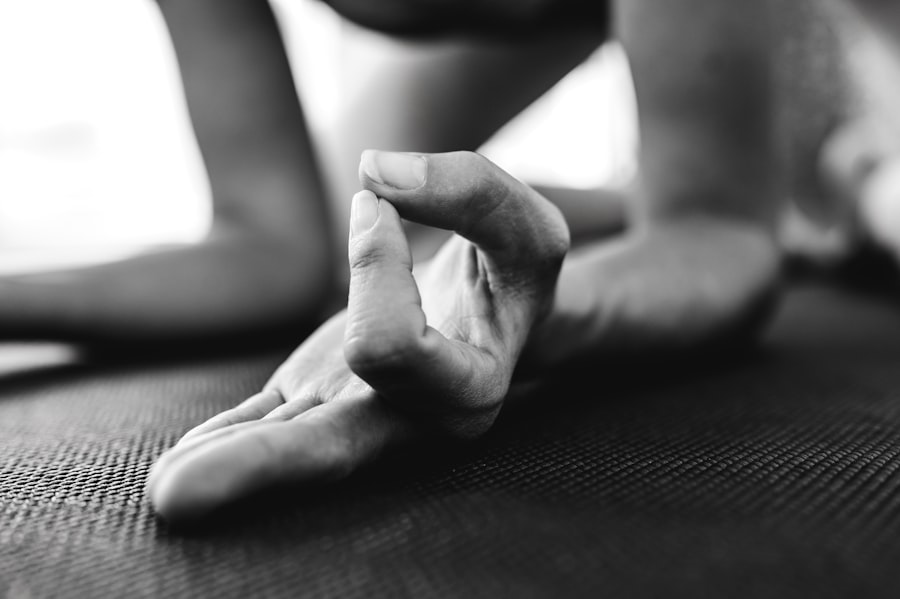
Certain yoga poses can be particularly effective in lowering blood pressure. These poses help to stretch and strengthen the body, improve circulation, and promote relaxation. Here are a few examples:
1. Legs Up the Wall Pose (Viparita Karani): This pose involves lying on your back with your legs extended up against a wall. It helps to relieve tension in the legs and lower back, improve circulation, and promote relaxation.
2. Child’s Pose (Balasana): This pose involves kneeling on the floor and sitting back on your heels while folding forward with your forehead resting on the ground. Child’s pose helps to release tension in the back, shoulders, and neck, and promotes deep relaxation.
3. Corpse Pose (Savasana): This pose involves lying flat on your back with your arms by your sides and your legs extended. Corpse pose is a relaxation pose that allows the body to rest deeply and promotes a sense of calm.
Breathing Techniques for BP Management through Yoga
In addition to physical postures, breathing techniques, or pranayama, play a crucial role in managing blood pressure through yoga. Deep breathing exercises can help activate the body’s relaxation response, reduce stress levels, and lower blood pressure.
One effective breathing technique for managing blood pressure is called “Alternate Nostril Breathing” or Nadi Shodhana Pranayama. To practice this technique, sit comfortably with your spine straight. Close your right nostril with your right thumb and inhale deeply through your left nostril. Then close your left nostril with your ring finger and exhale through your right nostril. Continue this pattern, alternating between inhaling through the left nostril and exhaling through the right nostril for several minutes.
The Role of Meditation in Managing Blood Pressure
Meditation is another important aspect of yoga that can help manage blood pressure. Meditation involves focusing the mind and achieving a state of deep relaxation and mental clarity. It has been shown to reduce stress, lower blood pressure, and improve overall well-being.
There are many different types of meditation practices, but one simple technique for managing blood pressure is called “Mindfulness Meditation.” To practice mindfulness meditation, find a quiet and comfortable place to sit. Close your eyes and bring your attention to your breath. Notice the sensation of the breath as it enters and leaves your body. Whenever your mind starts to wander, gently bring your attention back to the breath. Practice this meditation for 10-15 minutes each day to experience its benefits.
Combining Yoga with Other Lifestyle Changes for Better BP Management
While yoga can be a powerful tool for managing blood pressure, it is important to combine it with other lifestyle changes for optimal results. Here are a few examples of other lifestyle changes that can be made:
1. Healthy Diet: Adopting a diet rich in fruits, vegetables, whole grains, lean proteins, and healthy fats can help lower blood pressure. Avoiding processed foods, excessive salt, and saturated fats is also important.
2. Regular Exercise: In addition to yoga, engaging in regular aerobic exercise such as walking, swimming, or cycling can help lower blood pressure and improve overall cardiovascular health.
3. Stress Reduction: Managing stress through techniques such as meditation, deep breathing exercises, and engaging in activities that bring joy and relaxation can help lower blood pressure.
Embracing Yoga for a Healthier Life with Lower Blood Pressure
In conclusion, yoga offers a holistic approach to managing high blood pressure by addressing both the physical and mental aspects of the condition. Through gentle physical postures, breathing exercises, and meditation, yoga can help lower blood pressure naturally and reduce the risk of associated health complications.
By incorporating yoga into daily life along with other lifestyle changes such as maintaining a healthy diet, regular exercise, and stress reduction techniques, individuals can take control of their blood pressure and improve their overall health and well-being. Embracing yoga as a regular practice can lead to a healthier life with lower blood pressure.
If you’re interested in exploring the benefits of yoga for managing blood pressure, you might also find our article on “Yoga and Meditation” to be a valuable resource. This article delves into the connection between yoga, meditation, and overall well-being, highlighting how these practices can help reduce stress and promote a sense of calm. Discover how incorporating meditation into your yoga routine can further enhance its positive effects on blood pressure levels. To learn more, check out our Yoga and Meditation article.