

Yoga has long been praised for its physical benefits, but its impact on mental health is equally significant. The practice of yoga involves a combination of physical postures, breathing exercises, and meditation techniques that work together to promote overall well-being. In recent years, there has been a growing body of research supporting the use of yoga as a complementary therapy for various mental health conditions, including stress, anxiety, depression, and trauma. This blog post aims to explore the science behind yoga’s mental health benefits and provide an overview of specific yoga practices that can be effective for different mental health concerns.
The Science Behind Yoga’s Mental Health Benefits
Yoga has a profound impact on the brain and nervous system. When we practice yoga, we engage in physical movements that stimulate the release of endorphins, which are natural mood-boosting chemicals in the brain. Additionally, yoga activates the parasympathetic nervous system, which is responsible for promoting relaxation and reducing stress. This activation leads to a decrease in cortisol levels, the hormone associated with stress.
Research has shown that regular yoga practice can have a positive impact on mental health. A study published in the Journal of Clinical Psychology found that individuals who participated in a yoga intervention experienced significant reductions in symptoms of anxiety and depression compared to those who did not engage in yoga. Another study published in the Journal of Alternative and Complementary Medicine found that yoga was effective in reducing symptoms of post-traumatic stress disorder (PTSD) in veterans.
How Yoga Can Help Reduce Stress and Anxiety
Stress and anxiety are common mental health concerns that can significantly impact our overall well-being. Fortunately, yoga offers effective tools for managing and reducing these symptoms. One way that yoga helps reduce stress and anxiety is through deep breathing exercises. Deep breathing activates the body’s relaxation response, which counteracts the physiological effects of stress.
In addition to deep breathing exercises, certain yoga postures can also help alleviate stress and anxiety. Forward folds, such as Uttanasana (Standing Forward Bend), and inversions, such as Sirsasana (Headstand), have a calming effect on the nervous system. These postures promote blood flow to the brain and stimulate the parasympathetic nervous system, inducing a state of relaxation.
Yoga and Depression: A Natural Remedy
| Metrics | Data |
|---|---|
| Number of people suffering from depression | 264 million |
| Number of people practicing yoga worldwide | 300 million |
| Percentage of people who reported reduced symptoms of depression after practicing yoga | 52% |
| Number of studies conducted on the effectiveness of yoga for depression | 23 |
| Duration of yoga practice required to see improvement in depression symptoms | 8 weeks |
| Types of yoga recommended for depression | Hatha, Vinyasa, Restorative, and Yin |
Depression is a complex mental health condition that affects millions of people worldwide. While yoga is not a substitute for professional treatment, it can be a valuable tool in managing symptoms of depression. Yoga helps alleviate depression by increasing the production of serotonin, a neurotransmitter that plays a key role in regulating mood.
Certain yoga practices are particularly effective for depression. Backbends, such as Ustrasana (Camel Pose), and heart-opening postures, such as Bhujangasana (Cobra Pose), can help lift the spirits and energize the body. These postures open up the chest and stimulate the heart chakra, which is associated with feelings of love and joy.
The Connection Between Yoga and Improved Cognitive Function
Cognitive function refers to our ability to think, reason, remember, and process information. As we age, cognitive decline becomes a concern for many individuals. However, research has shown that yoga can help improve cognitive function and protect against age-related cognitive decline.
Yoga enhances cognitive function by increasing blood flow to the brain and improving oxygenation. This increased blood flow nourishes brain cells and promotes the growth of new neural connections. Additionally, yoga practices that involve mindfulness and meditation have been shown to improve attention, focus, and memory.
The Role of Yoga in Enhancing Emotional Well-Being
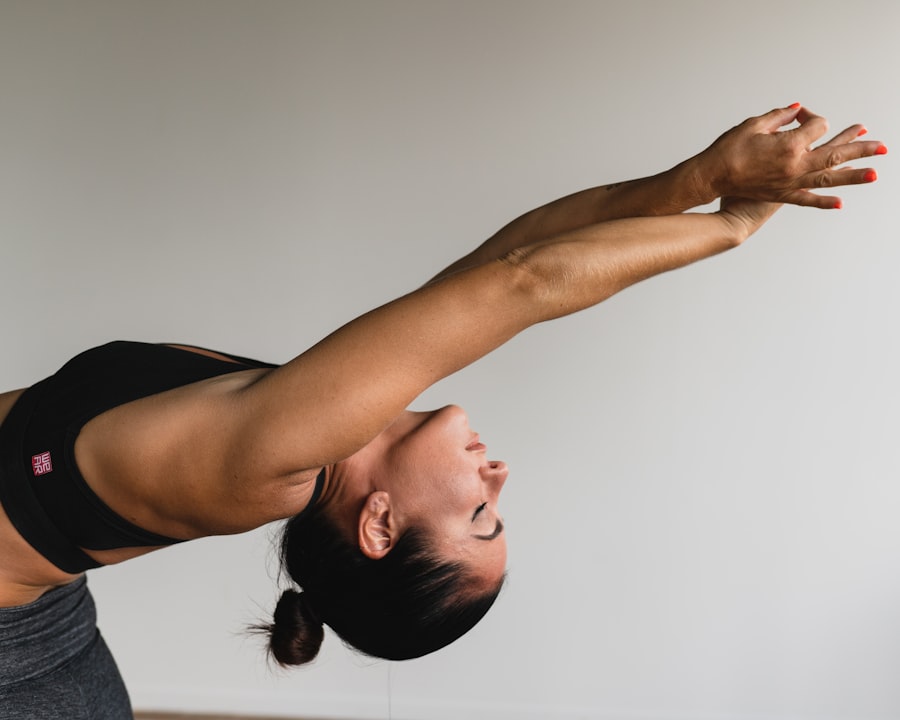
Emotional well-being is an essential aspect of mental health. Yoga offers a holistic approach to emotional well-being by addressing both the mind and body. The physical postures and breathing exercises in yoga help release tension and promote relaxation, which can have a positive impact on our emotional state.
Certain yoga practices are particularly effective for enhancing emotional well-being. Twists, such as Ardha Matsyendrasana (Half Lord of the Fishes Pose), and hip-opening postures, such as Baddha Konasana (Butterfly Pose), can help release stored emotions and promote a sense of emotional balance. Additionally, practices that involve chanting or singing, such as Kirtan or Bhakti Yoga, can have a profound impact on our emotional well-being by connecting us to a sense of joy and gratitude.
Yoga’s Impact on Sleep Quality and Insomnia
Sleep is crucial for our overall well-being, yet many individuals struggle with sleep-related issues such as insomnia. Yoga can be an effective tool for improving sleep quality and alleviating insomnia. The relaxation techniques used in yoga, such as deep breathing and meditation, help calm the mind and prepare the body for sleep.
Certain yoga practices are particularly beneficial for promoting better sleep. Restorative yoga, which involves gentle stretching and supported postures, can help relax the body and mind before bedtime. Additionally, practices that focus on breath awareness, such as Nadi Shodhana (Alternate Nostril Breathing), can help regulate the nervous system and promote a state of relaxation conducive to sleep.
The Benefits of Yoga for Trauma Survivors
Trauma survivors often experience ongoing symptoms such as anxiety, hypervigilance, and flashbacks. Yoga can be a valuable tool in the healing process for trauma survivors. The practice of yoga helps individuals reconnect with their bodies and cultivate a sense of safety and grounding.
Certain yoga practices are specifically tailored to support trauma survivors. Trauma-informed yoga classes prioritize creating a safe space for individuals to explore their bodies and emotions at their own pace. These classes often incorporate gentle movements, breathwork, and mindfulness practices to help trauma survivors regulate their nervous systems and build resilience.
Yoga and Addiction Recovery: A Holistic Approach
Addiction is a complex condition that affects both the mind and body. Yoga offers a holistic approach to addiction recovery by addressing the underlying causes of addiction and promoting self-awareness and self-compassion. The physical postures and breathing exercises in yoga help individuals reconnect with their bodies and develop healthier coping mechanisms.
Certain yoga practices are particularly effective for addiction recovery. Twists, such as Parivrtta Parsvakonasana (Revolved Side Angle Pose), and balancing postures, such as Vrksasana (Tree Pose), can help individuals develop a sense of stability and grounding. Additionally, practices that focus on breath awareness, such as Kapalabhati (Skull Shining Breath), can help individuals regulate their emotions and reduce cravings.
Yoga as a Tool for Self-Awareness and Mindfulness
Self-awareness and mindfulness are essential components of mental health. Yoga provides a unique opportunity to cultivate these qualities by bringing attention to the present moment and fostering a deep connection between the mind, body, and breath.
Certain yoga practices are particularly effective for enhancing self-awareness and mindfulness. Mindful movement practices, such as Vinyasa Flow or Hatha Yoga, encourage individuals to pay attention to the sensations in their bodies as they move through different postures. Additionally, practices that involve meditation or breathwork, such as Pranayama or Dhyana (Meditation), can help individuals develop a greater sense of presence and awareness.
The Long-Term Effects of Yoga on Mental Health and Overall Wellness
Practicing yoga regularly can have long-term benefits for mental health and overall wellness. Research has shown that individuals who engage in regular yoga practice experience reduced levels of stress, anxiety, and depression over time. Additionally, yoga has been shown to improve overall quality of life and increase feelings of well-being and happiness.
A study published in the Journal of Psychiatric Practice found that individuals who practiced yoga for at least three months experienced significant improvements in their mental health and reported higher levels of life satisfaction compared to those who did not practice yoga. Another study published in the Journal of Alternative and Complementary Medicine found that individuals who practiced yoga for six months or more experienced a decrease in symptoms of anxiety and depression.
In conclusion, yoga offers a multitude of benefits for mental health. From reducing stress and anxiety to alleviating symptoms of depression and trauma, yoga provides a holistic approach to well-being. By incorporating specific yoga practices into their mental health routine, individuals can enhance their self-awareness, improve cognitive function, and promote emotional well-being. The long-term effects of practicing yoga on mental health are supported by scientific research, making it a valuable tool for overall wellness. So why not give it a try? Incorporating yoga into your daily routine may just be the key to unlocking a healthier mind and body.
If you’re interested in exploring the mental health benefits of yoga, you may also find this article on the importance of stretching quite informative. Stretching not only helps to improve flexibility and prevent injuries, but it can also have a positive impact on your mental well-being. Incorporating stretching into your yoga practice can enhance relaxation, reduce stress levels, and promote a sense of calmness. To learn more about the significance of stretching in yoga and its mental health benefits, check out this article.