
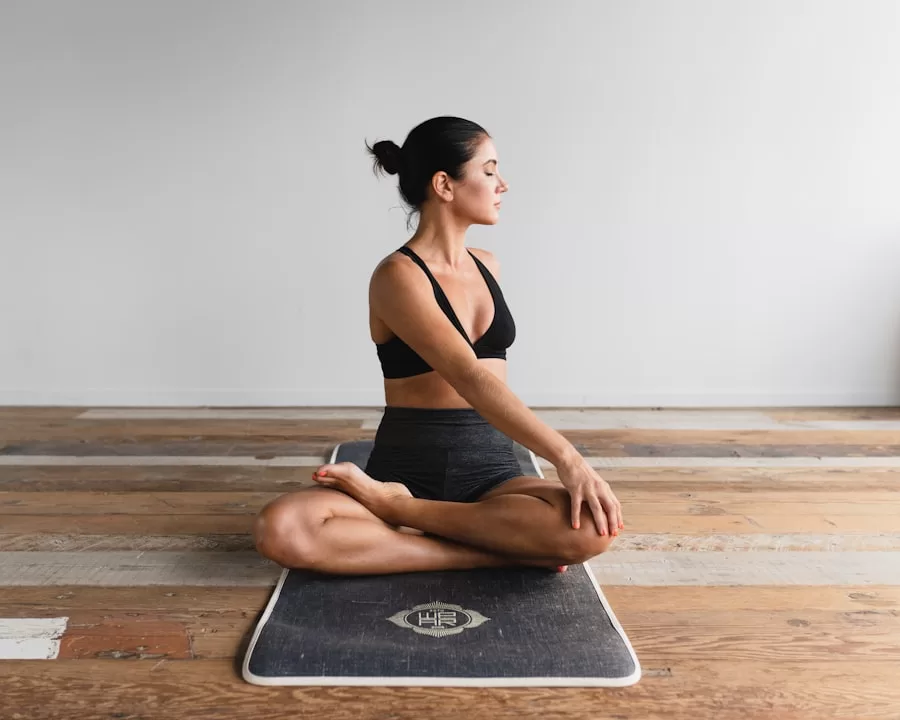

Lower back and hip pain are common complaints that can have a significant impact on a person’s quality of life. The lower back, or lumbar region, is a complex structure of muscles, ligaments, bones, and joints that work together to provide support, strength, and flexibility. The hips, which are the largest weight-bearing joints in the body, are also crucial for movement and stability. When these areas are in pain, it can be debilitating and affect everyday activities such as walking, sitting, and standing.
There are many potential causes of lower back and hip pain, including muscle strains, ligament sprains, herniated discs, arthritis, sciatica, and structural abnormalities. Poor posture, sedentary lifestyle, and repetitive movements can also contribute to discomfort in these areas. It’s important to seek medical advice to determine the underlying cause of the pain and develop an appropriate treatment plan. In some cases, lifestyle changes, physical therapy, and alternative therapies such as yoga can be effective in managing and alleviating lower back and hip pain.
Key Takeaways
- Lower back and hip pain can be caused by various factors such as muscle strain, injury, or underlying medical conditions.
- Yoga can help alleviate lower back and hip pain by improving flexibility, strength, and posture, as well as reducing stress and tension in the body.
- Specific yoga poses like child’s pose, cat-cow stretch, and pigeon pose can target and alleviate lower back and hip pain.
- When practicing yoga with lower back and hip pain, it’s important to listen to your body, modify poses as needed, and use props for support.
- Incorporating mindfulness and breathing techniques into your yoga practice can help reduce stress, improve relaxation, and enhance body awareness, which can benefit lower back and hip health.
The Benefits of Yoga for Lower Back and Hips
Yoga is a mind-body practice that combines physical postures, breathing techniques, and meditation to promote overall health and well-being. When it comes to lower back and hip pain, yoga can be a valuable tool for improving flexibility, strength, and posture. The gentle stretching and strengthening exercises in yoga can help alleviate tension in the muscles surrounding the lower back and hips, which can provide relief from discomfort. Additionally, yoga promotes relaxation and stress reduction, which can be beneficial for managing chronic pain.
Research has shown that yoga can be an effective complementary therapy for individuals with lower back and hip pain. A study published in the Annals of Internal Medicine found that participants who practiced yoga experienced greater improvements in function and reduced symptoms compared to those who received standard care alone. Yoga can also help improve balance and coordination, which are important for preventing falls and maintaining mobility as we age. Overall, the holistic approach of yoga makes it a valuable practice for promoting lower back and hip health.
Yoga Poses for Alleviating Lower Back and Hip Pain
There are several yoga poses that can specifically target the muscles and joints in the lower back and hips to alleviate pain and discomfort. Some beneficial poses include:
– Child’s Pose: This gentle stretch can help release tension in the lower back and hips while promoting relaxation.
– Cat-Cow Pose: This dynamic movement helps to improve spinal flexibility and mobility while also stretching the hips.
– Downward-Facing Dog: This pose stretches the entire back body, including the hamstrings, calves, and lower back, which can provide relief from tightness.
– Pigeon Pose: This hip-opening pose can help release tension in the hip flexors and outer hips, which can be beneficial for individuals with hip pain.
– Bridge Pose: This backbend strengthens the muscles in the lower back and glutes while also stretching the hip flexors.
It’s important to approach these poses with mindfulness and listen to your body’s signals. If a pose causes pain or discomfort, it’s essential to modify or avoid it altogether. Additionally, incorporating props such as blocks, bolsters, or straps can help support the body in these poses and make them more accessible for individuals with lower back and hip pain.
Tips for Practicing Yoga Safely with Lower Back and Hip Pain
| Tip | Description |
|---|---|
| Consult a healthcare professional | Before starting any yoga practice, it’s important to consult a healthcare professional to ensure it’s safe for your condition. |
| Focus on gentle movements | Avoid intense or strenuous poses and focus on gentle movements that don’t exacerbate lower back and hip pain. |
| Use props for support | Props such as blocks, straps, and bolsters can provide support and help modify poses to accommodate lower back and hip pain. |
| Engage core muscles | Engaging the core muscles can help stabilize the lower back and hips, reducing the risk of injury during yoga practice. |
| Listen to your body | Pay attention to how your body feels during yoga practice and modify or skip poses that cause discomfort or pain. |
When practicing yoga with lower back and hip pain, it’s crucial to prioritize safety and listen to your body’s needs. Here are some tips for practicing yoga safely:
– Consult with a healthcare professional: Before starting a new exercise regimen such as yoga, it’s important to consult with a healthcare professional to ensure that it is safe for your specific condition.
– Communicate with your yoga instructor: Inform your yoga instructor about your lower back and hip pain so they can provide modifications and guidance to support your practice.
– Focus on proper alignment: Pay attention to proper alignment in each pose to avoid putting unnecessary strain on the lower back and hips. Engage the core muscles to support the spine and maintain stability.
– Practice gentle movements: Avoid forceful or aggressive movements that could exacerbate pain. Instead, focus on gentle stretches and movements that promote relaxation and release tension.
– Take breaks when needed: Listen to your body’s signals and take breaks as needed during your practice. It’s important to honor your body’s limitations and avoid pushing through pain.
By practicing yoga mindfully and with awareness of your body’s needs, you can experience the benefits of the practice while minimizing the risk of exacerbating lower back and hip pain.
Incorporating Mindfulness and Breathing Techniques into Your Yoga Practice
In addition to physical postures, mindfulness and breathing techniques are integral components of yoga that can be particularly beneficial for individuals with lower back and hip pain. Mindfulness involves paying attention to the present moment without judgment, which can help individuals become more attuned to their body’s sensations and responses. By cultivating mindfulness during yoga practice, individuals can develop a greater awareness of how certain movements or postures affect their lower back and hips, allowing them to make adjustments as needed.
Breathing techniques, or pranayama, are also essential in yoga for promoting relaxation and reducing stress. Deep breathing can help calm the nervous system, reduce muscle tension, and improve oxygen flow to the muscles, which can be beneficial for individuals with lower back and hip pain. Incorporating slow, deep breathing into yoga practice can enhance relaxation and create a sense of ease in the body.
By integrating mindfulness and breathing techniques into your yoga practice, you can enhance the therapeutic benefits of the practice for alleviating lower back and hip pain. Cultivating a mindful approach to movement and breath can help individuals develop a deeper connection with their bodies and promote healing from within.
Other Lifestyle Changes to Support Lower Back and Hip Health
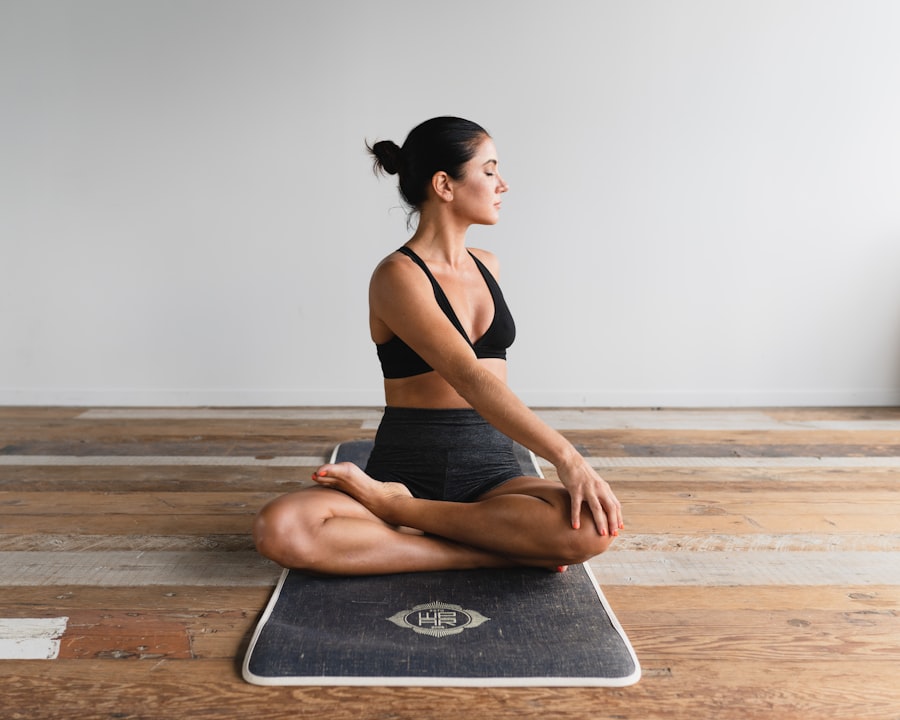
In addition to practicing yoga, there are several lifestyle changes that individuals with lower back and hip pain can incorporate to support their overall health and well-being. These may include:
– Maintaining a healthy weight: Excess weight can put added strain on the lower back and hips, so maintaining a healthy weight through diet and exercise can help alleviate pressure on these areas.
– Improving posture: Practicing good posture throughout the day can help reduce strain on the lower back and hips. This may involve ergonomic adjustments at work or incorporating posture-improving exercises into your routine.
– Engaging in regular physical activity: In addition to yoga, engaging in low-impact exercises such as walking, swimming, or cycling can help improve strength, flexibility, and overall mobility in the lower back and hips.
– Incorporating stress-reducing activities: Chronic stress can exacerbate pain in the lower back and hips, so incorporating stress-reducing activities such as meditation, tai chi, or massage therapy can be beneficial.
– Seeking ergonomic support: Making ergonomic adjustments in your home or work environment, such as using supportive chairs or cushions, can help reduce strain on the lower back and hips during daily activities.
By making these lifestyle changes in conjunction with practicing yoga, individuals with lower back and hip pain can create a supportive environment for healing and managing their symptoms.
Seeking Professional Help for Persistent Lower Back and Hip Pain
While yoga and lifestyle changes can be beneficial for managing lower back and hip pain, it’s important to seek professional help if symptoms persist or worsen. A healthcare professional such as a physical therapist or chiropractor can provide personalized guidance for addressing specific issues related to lower back and hip pain. They may recommend additional treatments such as manual therapy, targeted exercises, or other interventions to address underlying causes of discomfort.
In some cases, individuals with persistent lower back and hip pain may benefit from more advanced medical interventions such as injections or surgical procedures. It’s important to work closely with healthcare providers to explore all available treatment options and make informed decisions about managing chronic pain.
In conclusion, lower back and hip pain can have a significant impact on daily life, but there are various strategies for managing symptoms and promoting healing. Yoga offers a holistic approach to addressing lower back and hip pain by incorporating physical postures, mindfulness techniques, breathing exercises, and relaxation practices. By practicing yoga mindfully, making lifestyle changes, seeking professional guidance when needed, individuals with lower back and hip pain can take proactive steps toward improving their overall well-being.
Looking to relieve lower back and hip pain through yoga? Check out our related article on how exercise and nutrition work together to support overall wellness. This insightful piece explores the connection between physical activity and a balanced diet, offering valuable tips for optimizing your health. Discover how incorporating nutritious foods can complement your yoga practice and contribute to alleviating discomfort in your lower back and hips. Learn more here.