
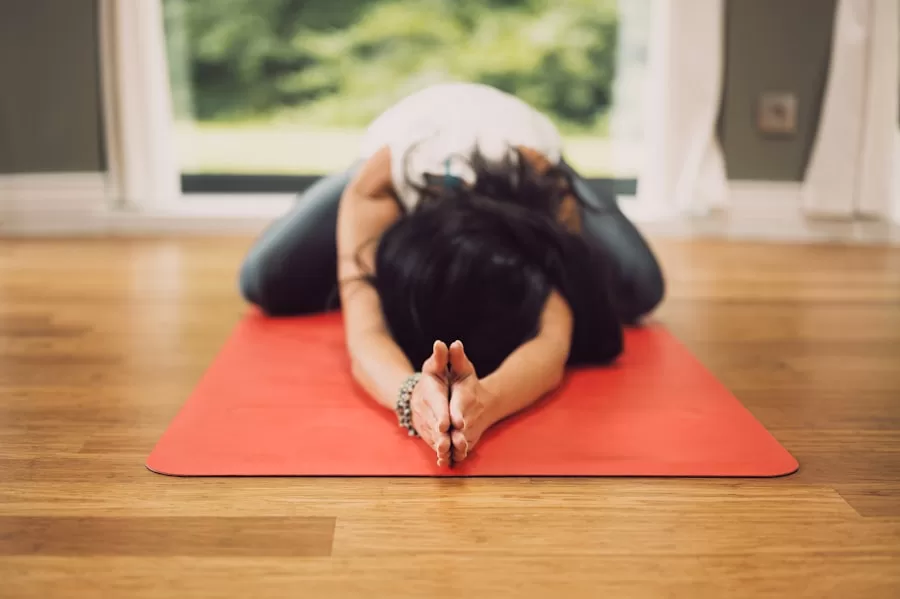

Hip pain can be a debilitating condition that affects people of all ages and lifestyles. There are several potential causes of hip pain, including arthritis, bursitis, muscle strain, and injury. Arthritis, in particular, can cause chronic hip pain due to the inflammation of the hip joint. Bursitis, on the other hand, occurs when the bursae, small fluid-filled sacs that cushion the bones, become inflamed. Muscle strain can result from overuse or sudden movements, leading to pain and discomfort in the hip area. Additionally, hip pain can also be a result of injury or trauma to the hip joint or surrounding muscles.
Symptoms of hip pain can vary depending on the underlying cause. Common symptoms include aching or sharp pain in the hip joint, groin, thigh, or buttocks. Stiffness and limited range of motion in the hip joint are also common symptoms of hip pain. In some cases, individuals may experience swelling or tenderness in the hip area. It’s important to consult with a healthcare professional to determine the exact cause of hip pain and develop an appropriate treatment plan.
Hip pain can significantly impact an individual’s quality of life, making it difficult to perform everyday activities and participate in physical exercise. However, there are various treatment options available to manage hip pain, including medication, physical therapy, and alternative therapies such as yoga.
Key Takeaways
- Hip pain can be caused by various factors such as injury, arthritis, or overuse, and may present as discomfort, stiffness, or limited range of motion.
- Yoga can help relieve hip pain by improving flexibility, strength, and circulation, as well as reducing stress and tension in the body.
- Yoga poses like pigeon pose, warrior II, and bridge pose can help strengthen and stretch the hips, promoting better mobility and reducing pain.
- Deep breathing and relaxation techniques can help release tension in the hips and lower body, promoting a sense of ease and comfort.
- Mindfulness and meditation practices can help manage hip pain by promoting a positive mindset and reducing the perception of pain, creating a more peaceful experience.
The Benefits of Yoga for Hip Pain Relief
Yoga has been recognized as an effective complementary therapy for managing hip pain and improving overall hip health. The practice of yoga involves gentle stretching, strengthening, and relaxation techniques that can help alleviate hip pain and improve flexibility and mobility in the hip joint. One of the key benefits of yoga for hip pain relief is its ability to target and release tension in the muscles surrounding the hip joint, promoting greater comfort and ease of movement.
In addition to physical benefits, yoga also offers mental and emotional support for individuals experiencing hip pain. The mindfulness and meditative aspects of yoga can help individuals develop a greater awareness of their bodies and learn to manage pain more effectively. Furthermore, yoga can provide a sense of empowerment and control over one’s own well-being, which can be particularly beneficial for those dealing with chronic hip pain.
Research has shown that regular yoga practice can lead to improvements in pain management, physical function, and overall quality of life for individuals with hip pain. By incorporating yoga into a comprehensive treatment plan, individuals can experience reduced pain and discomfort, increased mobility, and a greater sense of well-being.
Yoga Poses for Strengthening and Stretching the Hips
Yoga offers a variety of poses that specifically target the muscles and joints in the hips, providing both strengthening and stretching benefits. Poses such as Pigeon Pose (Eka Pada Rajakapotasana), Warrior II (Virabhadrasana II), and Bound Angle Pose (Baddha Konasana) are excellent for stretching the hip flexors, outer hips, and groin muscles. These poses help release tension and improve flexibility in the hip area, reducing discomfort and promoting greater mobility.
On the other hand, poses like Bridge Pose (Setu Bandhasana), Chair Pose (Utkatasana), and Tree Pose (Vrksasana) are effective for strengthening the muscles around the hips, including the glutes, hamstrings, and quadriceps. Strengthening these muscles can provide greater support for the hip joint and improve overall stability and function.
It’s important to approach these yoga poses mindfully and with awareness of any limitations or discomfort in the hips. Modifying poses with props or adjusting the depth of the stretch can help individuals safely and effectively practice yoga for hip pain relief. By incorporating a combination of strengthening and stretching poses into a regular yoga practice, individuals can experience improved hip function and reduced pain over time.
Breathing Techniques for Relaxing the Hips and Lower Body
| Technique | Description |
|---|---|
| Deep Breathing | Inhale deeply through the nose, expanding the belly, then exhale slowly through the mouth, releasing tension in the hips and lower body. |
| Diaphragmatic Breathing | Focus on breathing deeply into the diaphragm, allowing the lower body to relax and release tension. |
| Alternate Nostril Breathing | Use the thumb and ring finger to alternate closing off one nostril at a time while breathing deeply, promoting relaxation in the hips and lower body. |
| 4-7-8 Breathing | Inhale for 4 seconds, hold the breath for 7 seconds, then exhale for 8 seconds, promoting relaxation and release of tension in the hips and lower body. |
In addition to physical poses, breathing techniques in yoga can also play a significant role in relaxing the hips and lower body. Deep diaphragmatic breathing, also known as belly breathing, can help release tension in the muscles surrounding the hips and promote relaxation throughout the entire body. By focusing on slow, deep breaths, individuals can encourage the release of tightness and discomfort in the hip area.
Another effective breathing technique for relaxing the hips is the 4-7-8 breath, also known as “relaxing breath.” This technique involves inhaling for a count of 4, holding the breath for a count of 7, and exhaling for a count of 8. Practicing this breathing technique can help calm the nervous system, reduce stress, and promote relaxation in the hips and lower body.
By incorporating mindful breathing techniques into a yoga practice, individuals can enhance their ability to manage hip pain and promote greater comfort and ease in the hip area. Breathing techniques can be practiced both during yoga sessions and throughout daily activities to support ongoing relaxation and pain relief.
Mindfulness and Meditation for Managing Hip Pain
Mindfulness and meditation are integral components of yoga that can be particularly beneficial for managing hip pain. Mindfulness involves paying attention to the present moment without judgment, allowing individuals to develop a greater awareness of their bodies and sensations. By practicing mindfulness, individuals can learn to observe their experience of hip pain without becoming overwhelmed by it, leading to a greater sense of control and acceptance.
Meditation offers a valuable tool for managing hip pain by promoting relaxation and reducing stress. By practicing meditation regularly, individuals can cultivate a sense of calm and inner peace, which can help alleviate the emotional impact of chronic hip pain. Additionally, meditation can help individuals develop a more positive outlook on their experience of pain, leading to improved coping strategies and overall well-being.
Research has shown that mindfulness and meditation practices can lead to reductions in pain intensity and improvements in physical function for individuals with chronic pain conditions. By incorporating these practices into a yoga routine for hip pain relief, individuals can experience greater comfort, resilience, and emotional well-being.
Creating a Yoga Routine for Hip Pain Relief
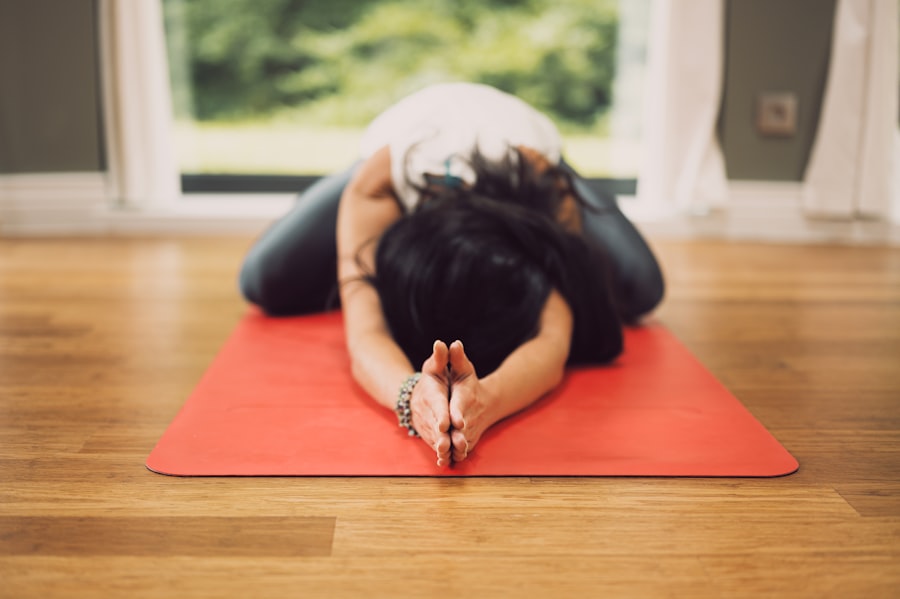
Creating a personalized yoga routine for hip pain relief involves selecting specific poses, breathing techniques, and mindfulness practices that address individual needs and preferences. A well-rounded routine should include a combination of strengthening poses such as Warrior II (Virabhadrasana II) and Bridge Pose (Setu Bandhasana), as well as stretching poses like Pigeon Pose (Eka Pada Rajakapotasana) and Bound Angle Pose (Baddha Konasana). These poses can be practiced in a sequence that flows smoothly from one to the next, allowing for a balanced approach to improving hip function.
Incorporating breathing techniques such as deep diaphragmatic breathing and 4-7-8 breath can enhance relaxation and promote greater comfort in the hips. Additionally, integrating mindfulness practices such as body scan meditation or mindful movement can help individuals develop a deeper connection with their bodies and sensations related to hip pain.
It’s important to approach a yoga routine for hip pain relief with patience and self-compassion, allowing for modifications and adjustments as needed. Consulting with a qualified yoga instructor or healthcare professional can provide valuable guidance in creating a safe and effective routine tailored to individual needs.
Precautions and Tips for Practicing Yoga with Hip Pain
When practicing yoga with hip pain, it’s essential to approach the practice with caution and awareness of individual limitations. Individuals should communicate any concerns or discomfort with their yoga instructor to ensure that poses are modified as needed to accommodate hip pain. Using props such as blocks, straps, or bolsters can provide additional support during yoga poses and reduce strain on the hips.
It’s also important to listen to the body’s signals during yoga practice and avoid pushing beyond comfortable limits. Practicing mindfulness can help individuals tune into their bodies’ sensations and make informed decisions about when to modify or take a break from certain poses.
Incorporating regular rest periods into a yoga routine is essential for allowing the body to recover from physical exertion and prevent overuse injuries. Additionally, maintaining proper alignment in yoga poses can help reduce strain on the hips and promote safe movement patterns.
Overall, practicing yoga with hip pain requires a mindful and compassionate approach that prioritizes individual comfort and well-being. By following these precautions and tips, individuals can safely experience the benefits of yoga for managing hip pain while promoting greater overall health and vitality.
If you’re struggling with hip problems, incorporating yoga into your routine can be incredibly beneficial. Yoga helps to improve flexibility, strength, and balance, which can alleviate discomfort and prevent future issues. In fact, a recent article on the importance of regular exercise highlights how yoga can specifically target and address hip problems. By practicing specific poses and sequences, individuals can find relief and support for their hip health.