

High blood pressure, also known as hypertension, is a common condition in which the force of the blood against the artery walls is consistently too high. This can lead to serious health issues such as heart disease, stroke, and kidney problems. There are two types of high blood pressure: primary (essential) hypertension and secondary hypertension. Primary hypertension is the most common type and develops over time with no identifiable cause. Secondary hypertension is caused by an underlying condition such as kidney disease, hormonal disorders, or certain medications.
Risk factors for high blood pressure include age, family history, being overweight or obese, lack of physical activity, poor diet (especially one high in salt), excessive alcohol consumption, and chronic stress. Symptoms of high blood pressure may not be noticeable, which is why it is often referred to as a “silent killer.” It is important to have regular check-ups with a healthcare professional to monitor blood pressure levels and take steps to lower it if it is consistently high.
The Benefits of Yoga for Lowering Blood Pressure
Yoga is an ancient practice that combines physical postures, breathing techniques, and meditation to promote overall health and well-being. Research has shown that yoga can be an effective way to lower blood pressure and reduce the risk of heart disease. One study published in the European Journal of Preventive Cardiology found that practicing yoga for at least three months was associated with significant reductions in systolic and diastolic blood pressure.
Yoga helps to lower blood pressure by promoting relaxation, reducing stress, and improving circulation. The physical postures (asanas) help to stretch and strengthen the muscles, which can improve cardiovascular health. The breathing techniques (pranayama) used in yoga help to calm the nervous system and reduce stress, which can have a positive impact on blood pressure levels. Additionally, the meditation and mindfulness practices in yoga can help individuals become more aware of their body and mind, leading to better self-care and stress management.
How Yoga Helps to Reduce Stress and Anxiety
Stress and anxiety are common contributors to high blood pressure. When we are stressed or anxious, our bodies release adrenaline and cortisol, which can cause the heart to beat faster and the blood vessels to constrict. Over time, this can lead to chronically elevated blood pressure. Yoga has been shown to be an effective tool for reducing stress and anxiety, which can in turn help to lower blood pressure.
Yoga promotes relaxation through its focus on deep breathing, mindfulness, and physical movement. The deep breathing techniques used in yoga help to activate the body’s relaxation response, which can counteract the effects of stress hormones. The mindfulness practices in yoga encourage individuals to be present in the moment and let go of worries about the past or future. This can help to reduce anxiety and promote a sense of calm. The physical movement in yoga also helps to release tension in the body, which can further reduce stress levels.
Specific Yoga Poses and Breathing Techniques for Lowering Blood Pressure
| Yoga Pose/Breathing Technique | Description | Benefits |
|---|---|---|
| Mountain Pose (Tadasana) | Standing with feet together, arms at sides, and focusing on deep breathing | Improves posture, reduces stress, and calms the mind |
| Corpse Pose (Savasana) | Lying on the back, arms and legs relaxed, and focusing on deep breathing | Promotes relaxation, reduces anxiety, and lowers blood pressure |
| Alternate Nostril Breathing (Nadi Shodhana) | Using thumb and ring finger to alternate nostrils while breathing deeply | Calms the mind, reduces stress, and balances the nervous system |
| Seated Forward Bend (Paschimottanasana) | Sitting with legs extended, reaching for toes while breathing deeply | Stretches the spine, calms the mind, and reduces fatigue |
There are specific yoga poses and breathing techniques that are particularly beneficial for lowering blood pressure. Some of the best yoga poses for reducing blood pressure include:
– Savasana (Corpse Pose): This pose involves lying on the back with the arms and legs relaxed, allowing the body to fully relax and release tension.
– Viparita Karani (Legs-Up-the-Wall Pose): This gentle inversion helps to improve circulation and reduce stress.
– Balasana (Child’s Pose): This resting pose helps to calm the mind and release tension in the back and shoulders.
– Sukhasana (Easy Pose) with Pranayama: Sitting comfortably with crossed legs, practicing deep breathing exercises such as alternate nostril breathing (Nadi Shodhana) can help to calm the nervous system and lower blood pressure.
In addition to these poses, deep breathing techniques such as diaphragmatic breathing (also known as belly breathing) can be practiced to promote relaxation and lower blood pressure. Diaphragmatic breathing involves taking slow, deep breaths into the belly, which can help to activate the body’s relaxation response.
Incorporating Yoga into Your Daily Routine
Incorporating yoga into your daily routine can be a powerful way to lower blood pressure and improve overall health. Starting with just a few minutes of yoga each day can make a difference in your blood pressure levels over time. You can begin by setting aside 10-15 minutes each day for a simple yoga practice that includes gentle stretching, deep breathing, and mindfulness.
There are many resources available for practicing yoga at home, including online videos, apps, and books. You can also consider taking a yoga class at a local studio or gym to learn proper alignment and technique from a qualified instructor. It’s important to listen to your body and choose a style of yoga that feels comfortable and accessible for you. Whether it’s gentle Hatha yoga, restorative yoga, or a more vigorous Vinyasa flow, finding a practice that resonates with you is key to making yoga a sustainable part of your daily routine.
Other Lifestyle Changes to Support Lower Blood Pressure
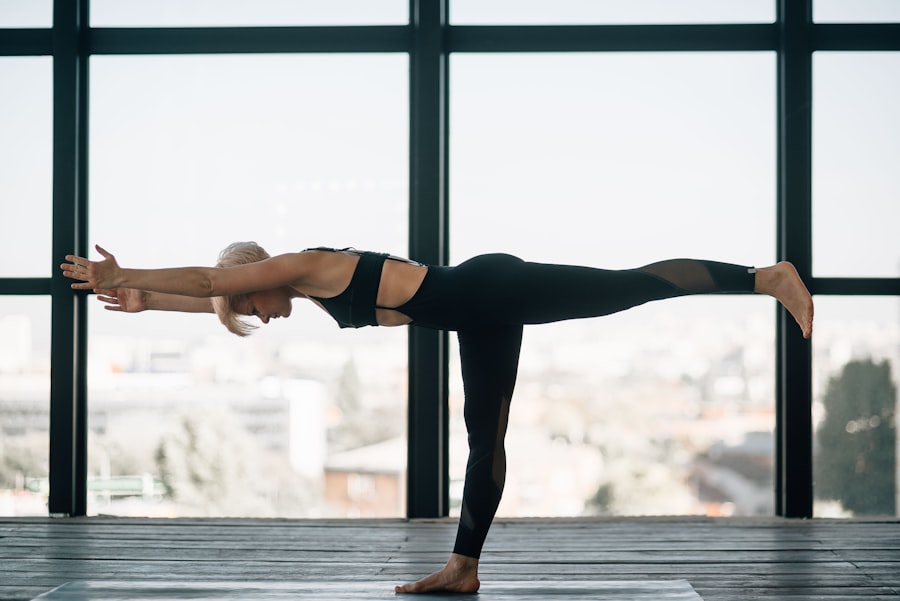
In addition to practicing yoga, there are other lifestyle changes that can support lower blood pressure levels. Eating a healthy diet that is low in sodium, saturated fat, and processed foods can help to reduce the risk of high blood pressure. Incorporating more fruits, vegetables, whole grains, lean proteins, and healthy fats into your diet can have a positive impact on your cardiovascular health.
Regular physical activity is also important for maintaining healthy blood pressure levels. In addition to yoga, incorporating aerobic exercise such as walking, swimming, or cycling into your routine can help to improve circulation and lower blood pressure. Managing stress through practices such as meditation, mindfulness, or spending time in nature can also support lower blood pressure levels.
It’s important to limit alcohol consumption and avoid smoking in order to maintain healthy blood pressure levels. Getting an adequate amount of quality sleep each night is also crucial for overall health and well-being. By making these lifestyle changes in addition to practicing yoga, you can support lower blood pressure levels and reduce your risk of heart disease.
Consultation with a Healthcare Professional Before Starting a Yoga Practice
Before starting a yoga practice to lower blood pressure, it’s important to consult with a healthcare professional, especially if you have any underlying health conditions or concerns. A healthcare professional can help you determine if yoga is a safe and appropriate form of exercise for you based on your individual health history.
If you have high blood pressure or are at risk for heart disease, it’s important to work with your healthcare provider to monitor your blood pressure levels regularly and make any necessary adjustments to your treatment plan. While yoga can be a beneficial tool for lowering blood pressure, it should not replace any medications or treatments prescribed by your healthcare provider.
In conclusion, yoga offers a holistic approach to lowering blood pressure by promoting relaxation, reducing stress, improving circulation, and supporting overall health and well-being. By incorporating specific yoga poses and breathing techniques into your daily routine, along with other lifestyle changes such as healthy eating and regular physical activity, you can support lower blood pressure levels and reduce your risk of heart disease. It’s important to consult with a healthcare professional before starting a yoga practice to ensure that it is safe and appropriate for your individual health needs. With dedication and consistency, yoga can be a powerful tool for managing high blood pressure and improving your quality of life.
If you’re looking for natural solutions to lower your blood pressure, you may want to consider incorporating certain foods into your diet. According to a recent article on AERNs, there are specific foods that have been shown to help lower blood pressure, such as leafy greens, berries, and beets. In addition to practicing yoga, adding these foods to your diet may help you manage your blood pressure levels more effectively.