

High blood pressure, also known as hypertension, is a common condition that affects millions of people worldwide. It occurs when the force of blood against the walls of the arteries is too high, putting strain on the heart and blood vessels. According to the World Health Organization, high blood pressure is a major risk factor for heart disease, stroke, and kidney failure. Managing high blood pressure is crucial for maintaining overall health and reducing the risk of these serious complications.
Understanding High Blood Pressure: Causes and Risks
High blood pressure is often referred to as the “silent killer” because it typically has no symptoms until it reaches a dangerous level. There are several factors that can contribute to the development of high blood pressure, including genetics, age, lifestyle choices, and underlying medical conditions. Risk factors for high blood pressure include obesity, smoking, excessive alcohol consumption, a sedentary lifestyle, stress, and a diet high in sodium and low in potassium.
Uncontrolled high blood pressure can lead to serious complications such as heart attack, stroke, heart failure, kidney disease, and vision loss. It is important to manage high blood pressure through lifestyle changes and, in some cases, medication in order to reduce the risk of these complications.
The Role of Yoga in Managing High Blood Pressure
Yoga has been shown to be an effective complementary therapy for managing high blood pressure. The practice of yoga involves physical postures (asanas), breathing exercises (pranayama), and meditation. These components work together to promote relaxation, reduce stress, improve circulation, and strengthen the cardiovascular system.
One of the main ways that yoga can help lower blood pressure is by reducing stress levels. Stress is a major contributor to high blood pressure, as it causes the body to release stress hormones that constrict blood vessels and increase heart rate. By practicing yoga regularly, individuals can learn to manage stress more effectively and promote a sense of calm and relaxation.
Another benefit of yoga over medication is that it is a natural and holistic approach to managing high blood pressure. While medication can be effective in lowering blood pressure, it often comes with side effects and may not address the underlying causes of hypertension. Yoga, on the other hand, addresses the physical, mental, and emotional aspects of health, promoting overall well-being and balance.
It is important to note that individuals with high blood pressure should consult with a healthcare provider before starting a yoga practice. They can provide guidance on which poses and practices are safe and appropriate for their specific condition.
Yoga Poses for Lowering Blood Pressure
| Yoga Pose | Description | Benefits |
|---|---|---|
| Mountain Pose (Tadasana) | Standing with feet together, arms at sides, and shoulders relaxed. | Reduces stress and anxiety, improves posture, and increases circulation. |
| Tree Pose (Vrikshasana) | Standing on one leg with the other foot resting on the inner thigh, hands in prayer position. | Improves balance, strengthens legs and core, and reduces stress. |
| Downward-Facing Dog (Adho Mukha Svanasana) | Hands and feet on the ground, hips lifted, and head relaxed. | Reduces stress and anxiety, improves circulation, and strengthens arms and legs. |
| Child’s Pose (Balasana) | Kneeling with forehead on the ground and arms extended in front of the body. | Reduces stress and anxiety, stretches hips and thighs, and improves digestion. |
| Corpse Pose (Savasana) | Lying on the back with arms and legs extended, palms facing up. | Reduces stress and anxiety, improves sleep, and promotes relaxation. |
There are several yoga poses that can help lower blood pressure by promoting relaxation, improving circulation, and reducing stress. Some examples include:
1. Savasana (Corpse Pose): This pose involves lying flat on your back with your arms and legs relaxed. It allows the body to fully relax and promotes deep relaxation and stress reduction.
2. Legs Up the Wall Pose: In this pose, you lie on your back with your legs extended up against a wall. It helps to improve circulation and reduce swelling in the legs, while also promoting relaxation.
3. Child’s Pose: This pose involves kneeling on the floor with your knees wide apart and your forehead resting on the ground. It helps to release tension in the back, shoulders, and neck, promoting relaxation and stress reduction.
4. Bridge Pose: In this pose, you lie on your back with your knees bent and feet flat on the ground. You then lift your hips off the ground, creating a bridge shape with your body. It helps to open up the chest and improve circulation.
5. Cat-Cow Pose: This pose involves moving between a rounded back position (cat pose) and an arched back position (cow pose). It helps to stretch the spine, release tension in the back, and promote relaxation.
These are just a few examples of yoga poses that can help lower blood pressure. It is important to practice these poses under the guidance of a qualified yoga instructor to ensure proper alignment and safety.
The Benefits of Pranayama (Breathing Exercises) in Blood Pressure Control
Pranayama, or yogic breathing exercises, can be a powerful tool for managing high blood pressure. These exercises involve controlling the breath in specific ways to promote relaxation, reduce stress, and improve overall well-being.
One of the main benefits of pranayama is its ability to activate the parasympathetic nervous system, which is responsible for the body’s relaxation response. By practicing pranayama regularly, individuals can learn to activate this relaxation response and reduce the body’s stress response, leading to lower blood pressure.
Some specific breathing exercises that can be beneficial for blood pressure control include:
1. Deep Belly Breathing: This involves taking slow, deep breaths into the belly, allowing it to rise and fall with each breath. It helps to activate the relaxation response and promote a sense of calm.
2. Alternate Nostril Breathing: In this exercise, you use your thumb and ring finger to alternate blocking one nostril at a time while breathing in and out through the other nostril. It helps to balance the energy in the body and promote relaxation.
3. Ujjayi Breathing: This involves breathing in and out through the nose while slightly constricting the back of the throat, creating a soft hissing sound. It helps to calm the mind, reduce stress, and promote relaxation.
Incorporating pranayama into a regular yoga practice can enhance its benefits for blood pressure control. It is important to learn these techniques from a qualified yoga instructor who can provide guidance on proper technique and safety.
Yoga and Stress Reduction: A Key to Lowering Blood Pressure
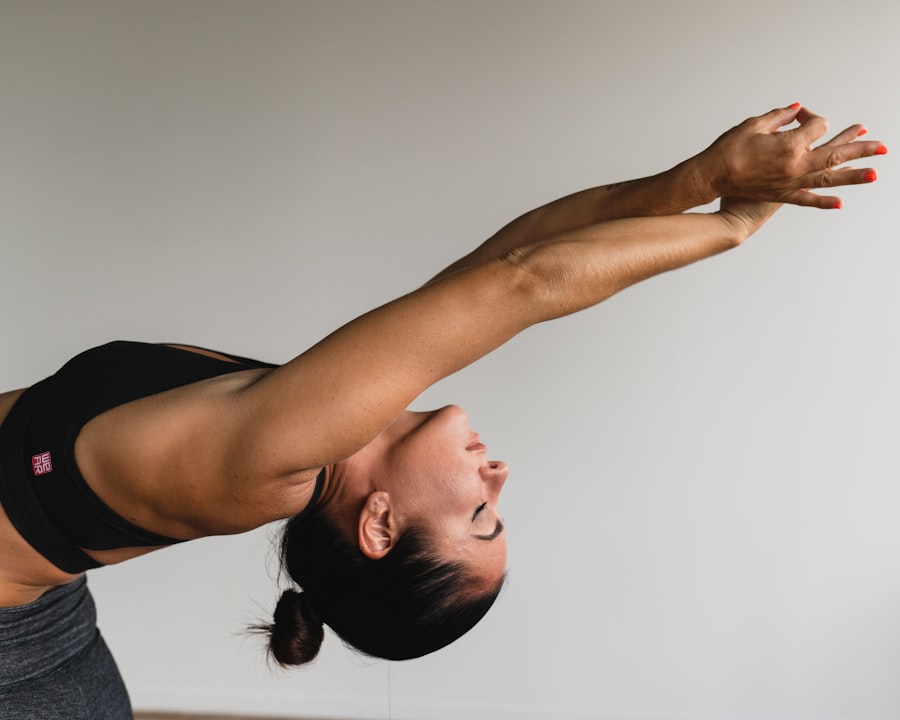
Stress is a major contributor to high blood pressure, as it causes the body to release stress hormones that constrict blood vessels and increase heart rate. Yoga can be a powerful tool for reducing stress and promoting relaxation, which in turn can help lower blood pressure.
The practice of yoga involves physical postures, breathing exercises, and meditation, all of which work together to promote relaxation and reduce stress. The physical postures help to release tension in the body, while the breathing exercises and meditation help to calm the mind and promote a sense of calm.
Some examples of stress-reducing yoga practices include:
1. Gentle Yoga: This involves slow, gentle movements and stretches that help to release tension in the body and promote relaxation.
2. Restorative Yoga: In this practice, you use props such as blankets, bolsters, and blocks to support the body in various poses. It helps to deeply relax the body and mind.
3. Yoga Nidra: This is a guided meditation practice that involves deep relaxation and visualization. It helps to reduce stress, promote relaxation, and improve sleep.
By incorporating these stress-reducing yoga practices into a regular routine, individuals can learn to manage stress more effectively and promote a sense of calm and relaxation, leading to lower blood pressure.
Yoga for Weight Management and Blood Pressure Control
There is a strong link between weight and high blood pressure. Excess weight puts strain on the heart and blood vessels, increasing the risk of high blood pressure. Yoga can be an effective tool for weight management and blood pressure control.
Yoga helps to improve strength, flexibility, and balance, which can aid in weight management by increasing calorie burn and promoting overall fitness. Additionally, yoga promotes mindfulness and self-awareness, which can help individuals make healthier choices when it comes to diet and exercise.
Some examples of yoga practices for weight management and blood pressure control include:
1. Power Yoga: This is a more vigorous form of yoga that combines strength, flexibility, and cardio exercises. It helps to burn calories and build lean muscle mass.
2. Vinyasa Flow: In this practice, you move through a series of poses in a flowing, dynamic sequence. It helps to increase heart rate and promote calorie burn.
3. Hot Yoga: This involves practicing yoga in a heated room, which can help to increase calorie burn and promote detoxification.
By incorporating these yoga practices into a regular routine, individuals can improve their overall fitness, manage their weight, and lower their blood pressure.
Yoga and Heart Health: A Comprehensive Approach
Heart health and blood pressure are closely linked. High blood pressure puts strain on the heart and blood vessels, increasing the risk of heart disease and other cardiovascular conditions. Yoga can be a comprehensive approach to improving heart health and managing high blood pressure.
Yoga helps to improve cardiovascular fitness by increasing heart rate, improving circulation, and strengthening the cardiovascular system. The physical postures help to improve strength, flexibility, and balance, while the breathing exercises and meditation help to reduce stress and promote relaxation.
Some examples of yoga practices for heart health include:
1. Sun Salutations: This is a dynamic sequence of poses that helps to increase heart rate and improve circulation.
2. Heart-Opening Poses: These poses involve opening up the chest and stretching the muscles around the heart. They help to improve circulation and promote heart health.
3. Pranayama: Breathing exercises such as deep belly breathing and alternate nostril breathing can help to improve lung capacity, oxygenation, and overall cardiovascular health.
By incorporating these yoga practices into a regular routine, individuals can improve their heart health, manage their blood pressure, and reduce their risk of cardiovascular disease.
Incorporating Yoga into Your Daily Routine for Better Blood Pressure Control
Incorporating yoga into your daily routine can be a powerful tool for better blood pressure control. Here are some tips for making yoga a part of your daily life:
1. Start small: Begin by setting aside just a few minutes each day for yoga practice. As you become more comfortable and familiar with the practice, you can gradually increase the amount of time you spend on it.
2. Find a time that works for you: Choose a time of day that works best for your schedule and energy levels. Some people prefer to practice yoga in the morning to start their day off on a positive note, while others find it more beneficial to practice in the evening to unwind and relax.
3. Create a dedicated space: Set aside a specific area in your home where you can practice yoga without distractions. This could be a spare room, a corner of your living room, or even just a small area in your bedroom.
4. Set realistic goals: Be realistic about what you can achieve in your yoga practice. Set small, achievable goals and celebrate your progress along the way.
5. Be consistent: Consistency is key when it comes to reaping the benefits of yoga for blood pressure control. Aim to practice yoga at least three to four times per week, if not daily.
By incorporating yoga into your daily routine, you can make it a habit and reap the benefits of better blood pressure control.
The Importance of Mindfulness in Yoga Practice for Blood Pressure Management
Mindfulness is an important aspect of yoga practice that can greatly contribute to blood pressure management. Mindfulness involves paying attention to the present moment without judgment, and it has been shown to reduce stress, improve mental well-being, and promote overall health.
Incorporating mindfulness into a yoga practice can enhance its benefits for blood pressure management. By focusing on the breath, sensations in the body, and thoughts and emotions that arise during practice, individuals can cultivate a sense of calm and relaxation.
Some ways to incorporate mindfulness into a yoga practice include:
1. Paying attention to the breath: Focus on the sensation of the breath as it enters and leaves the body. Notice the quality of the breath and any changes that occur as you move through different poses.
2. Observing sensations in the body: Notice any sensations that arise in the body during practice, such as tension, tightness, or warmth. Bring awareness to these sensations without judgment or attachment.
3. Noticing thoughts and emotions: Observe any thoughts or emotions that arise during practice, without getting caught up in them or trying to change them. Simply notice them and let them go.
By incorporating mindfulness into a yoga practice, individuals can cultivate a sense of calm and relaxation, reduce stress, and promote better blood pressure management.
Yoga as a Complementary Therapy for High Blood Pressure Medication
Yoga can be a complementary therapy for high blood pressure medication, but it is important to consult with a healthcare provider before combining yoga and medication. They can provide guidance on how to safely incorporate yoga into your treatment plan and ensure that it does not interfere with any medications you may be taking.
Yoga can complement high blood pressure medication by promoting relaxation, reducing stress, improving circulation, and strengthening the cardiovascular system. It can also help individuals make healthier lifestyle choices, such as eating a balanced diet, exercising regularly, and managing stress.
Some examples of yoga practices that can be done alongside medication include:
1. Gentle Yoga: This involves slow, gentle movements and stretches that are safe for individuals with high blood pressure. It helps to promote relaxation and reduce stress.
2. Restorative Yoga: In this practice, you use props to support the body in various poses, making it safe for individuals with high blood pressure. It helps to deeply relax the body and mind.
3. Pranayama: Breathing exercises such as deep belly breathing and alternate nostril breathing can be done alongside medication to promote relaxation and reduce stress.
By combining yoga with high blood pressure medication, individuals can enhance the benefits of their treatment plan and improve their overall well-being.
Yoga can be a powerful tool for managing high blood pressure and promoting overall health and well-being. By incorporating yoga into your daily routine, you can reduce stress, improve circulation, strengthen the cardiovascular system, and make healthier lifestyle choices.
It is important to consult with a healthcare provider before starting a yoga practice, especially if you have high blood pressure or any other underlying medical conditions. They can provide guidance on which poses and practices are safe and appropriate for your specific condition.
So why not give yoga a try as a complementary therapy for high blood pressure management? With its numerous benefits for blood pressure control and overall health, it is worth exploring as a holistic approach to managing this common condition.
If you’re looking for ways to manage high blood pressure, incorporating yoga into your routine can be incredibly beneficial. Not only does yoga help reduce stress levels, but it also promotes relaxation and improves overall cardiovascular health. In fact, a recent study published in the Journal of Hypertension found that practicing yoga regularly can significantly lower blood pressure levels in individuals with hypertension. If you’re interested in learning more about the benefits of yoga for high blood pressure, check out this informative article on Aerns.com.