


The spine is a crucial part of the human body, serving as the main support for the upper body and protecting the spinal cord, which is responsible for transmitting messages between the brain and the rest of the body. Maintaining a healthy spine is essential for overall well-being and quality of life. A healthy spine allows for proper movement, flexibility, and posture, while also reducing the risk of injury and chronic pain. Poor spine health, on the other hand, can lead to a range of issues such as back pain, limited mobility, and even nerve damage. It is important to understand the significance of spine health and take proactive measures to keep it strong and flexible.
The spine is made up of 33 individual bones called vertebrae, which are stacked on top of each other and separated by intervertebral discs. These discs act as shock absorbers and allow for flexibility in the spine. The spine also has natural curves that help distribute the body’s weight and maintain balance. However, poor posture, lack of exercise, and aging can all contribute to the deterioration of spine health. It is important to prioritize spine health through regular exercise, proper posture, and healthy lifestyle choices. By doing so, individuals can reduce the risk of spine-related issues and maintain overall physical well-being.
The Benefits of Yoga for Spine Health
Yoga has long been recognized for its numerous benefits for physical and mental health, and it is particularly effective in promoting spine health. The practice of yoga involves a combination of physical postures, breathing techniques, and meditation, all of which contribute to strengthening and maintaining the flexibility of the spine. Yoga helps to improve posture, increase flexibility, and build strength in the muscles that support the spine. Additionally, yoga can help alleviate back pain and reduce the risk of spine-related injuries.
One of the key benefits of yoga for spine health is its ability to promote proper alignment and posture. Many yoga poses focus on elongating the spine, improving posture, and strengthening the muscles that support the spine. This can help reduce strain on the spine and alleviate back pain caused by poor posture. Furthermore, yoga helps to increase flexibility in the spine, which is essential for maintaining a full range of motion and preventing stiffness and discomfort. The combination of physical postures and breathing techniques in yoga also helps to reduce stress and tension in the body, which can contribute to improved spine health.
Yoga Poses for Strengthening the Spine
There are several yoga poses that specifically target the muscles that support the spine, helping to build strength and stability in this crucial area of the body. One such pose is the Cat-Cow pose, which involves moving between arching and rounding the back while on all fours. This pose helps to increase flexibility in the spine and strengthen the muscles of the back and abdomen. Another beneficial pose for spine strength is the Bridge pose, which involves lifting the hips off the ground while lying on your back. This pose engages the muscles of the lower back, glutes, and hamstrings, helping to build strength in the entire posterior chain.
Additionally, the Cobra pose is an excellent yoga pose for strengthening the muscles of the back and improving posture. This pose involves lying on your stomach and lifting the chest off the ground while keeping the pelvis rooted to the floor. The Cobra pose helps to strengthen the muscles along the spine and open up the chest, promoting better posture and reducing tension in the back. Finally, the Boat pose is a challenging yoga pose that targets the core muscles, including those that support the spine. By practicing these yoga poses regularly, individuals can build strength in the muscles that support the spine, reducing the risk of injury and promoting overall spine health.
Yoga Poses for Improving Flexibility in the Spine
| Yoga Pose | Description | Benefits |
|---|---|---|
| Child’s Pose (Balasana) | Kneel on the floor, touch your big toes together and sit on your heels, then lower your torso between your knees. | Stretches the spine, hips, thighs, and ankles. Calms the mind and relieves stress. |
| Downward-Facing Dog (Adho Mukha Svanasana) | Start on your hands and knees, then lift your hips up and back, forming an inverted V shape. | Lengthens and decompresses the spine, stretches the hamstrings and calves, and strengthens the arms and shoulders. |
| Cat-Cow Pose (Marjaryasana-Bitilasana) | Start on your hands and knees, then alternate between arching and rounding your back while inhaling and exhaling. | Mobilizes the spine, stretches the back and neck, and improves spinal flexibility. |
In addition to strengthening the muscles that support the spine, yoga also offers numerous poses that focus on improving flexibility in the spine. One such pose is the Seated Forward Bend, which involves sitting with legs extended and reaching forward to grab the feet or shins. This pose helps to stretch the muscles along the back and increase flexibility in the spine. Another beneficial pose for spinal flexibility is the Twisting Chair pose, which involves sitting back into a chair pose and twisting from side to side. This pose helps to release tension in the back and improve mobility in the spine.
Furthermore, the Child’s pose is an excellent yoga pose for stretching and lengthening the spine. This pose involves sitting back on your heels with arms extended forward and forehead resting on the ground. The Child’s pose helps to release tension in the back and promote relaxation in the entire body. Finally, the Downward-Facing Dog pose is a staple yoga pose that helps to lengthen and stretch the entire spine. By practicing these yoga poses regularly, individuals can improve flexibility in the spine, reduce stiffness, and maintain a healthy range of motion.
Breathing Techniques and Meditation for Spine Health
In addition to physical postures, breathing techniques and meditation are integral components of yoga that contribute to overall spine health. Deep breathing exercises help to increase oxygen flow to the muscles and tissues surrounding the spine, promoting relaxation and reducing tension. By practicing deep breathing techniques such as diaphragmatic breathing or alternate nostril breathing, individuals can reduce stress and tension in the body, which can contribute to improved spine health.
Meditation is another important aspect of yoga that can benefit spine health. Meditation helps to calm the mind and reduce mental stress, which can often manifest as physical tension in the body, including in the muscles surrounding the spine. By incorporating meditation into a regular yoga practice, individuals can promote relaxation in both body and mind, reducing overall tension in the spine and supporting its health.
Incorporating Yoga into Your Daily Routine for Spine Health
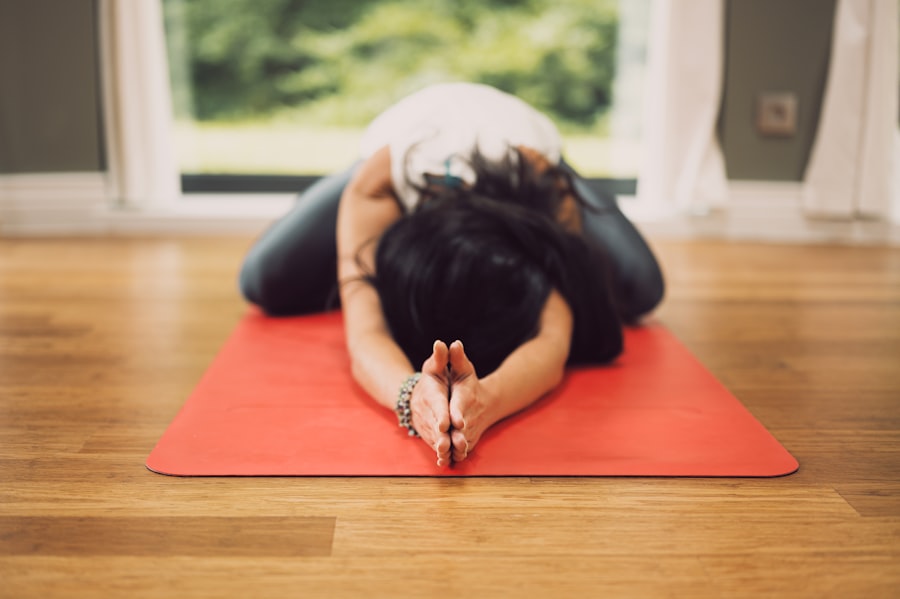
Incorporating yoga into a daily routine can be highly beneficial for maintaining spine health. Even just a few minutes of yoga each day can make a significant difference in promoting strength, flexibility, and overall well-being in the spine. By setting aside time each day for a short yoga practice, individuals can prioritize their spinal health and reduce the risk of issues such as back pain or stiffness.
One way to incorporate yoga into a daily routine is by starting or ending each day with a few simple yoga poses or stretches focused on promoting spine health. This could include poses such as Cat-Cow, Child’s pose, or Seated Forward Bend. Additionally, taking regular breaks throughout the day to stretch and move can also contribute to better spine health. By making yoga a regular part of daily life, individuals can support their spinal health and overall physical well-being.
Precautions and Considerations for Practicing Yoga for Spine Health
While yoga can be highly beneficial for promoting spine health, it is important to approach it with caution and consideration for individual needs and limitations. Individuals with existing spinal issues or injuries should consult with a healthcare professional before beginning a yoga practice to ensure that it is safe and appropriate for their condition. Additionally, it is important to listen to your body during yoga practice and avoid pushing beyond your limits or causing strain on the spine.
Furthermore, it is important to practice proper alignment and technique in yoga poses to avoid putting unnecessary stress on the spine. This may involve seeking guidance from a qualified yoga instructor who can provide instruction on proper form and alignment in poses. By practicing yoga mindfully and with consideration for individual needs, individuals can safely enjoy its benefits for promoting spine health.
In conclusion, maintaining a healthy spine is essential for overall well-being and quality of life. Yoga offers numerous benefits for promoting spine health, including strengthening muscles that support the spine, improving flexibility, reducing stress and tension through breathing techniques and meditation, as well as promoting relaxation in both body and mind. By incorporating yoga into a daily routine with caution and consideration for individual needs, individuals can support their spinal health and reduce the risk of issues such as back pain or stiffness.
Looking to improve your spine health through yoga? Check out our related article on essential remedies for vibrant health, which includes valuable tips on how yoga can benefit your spine and overall well-being. Learn more about the connection between yoga and spine health in our article here.