
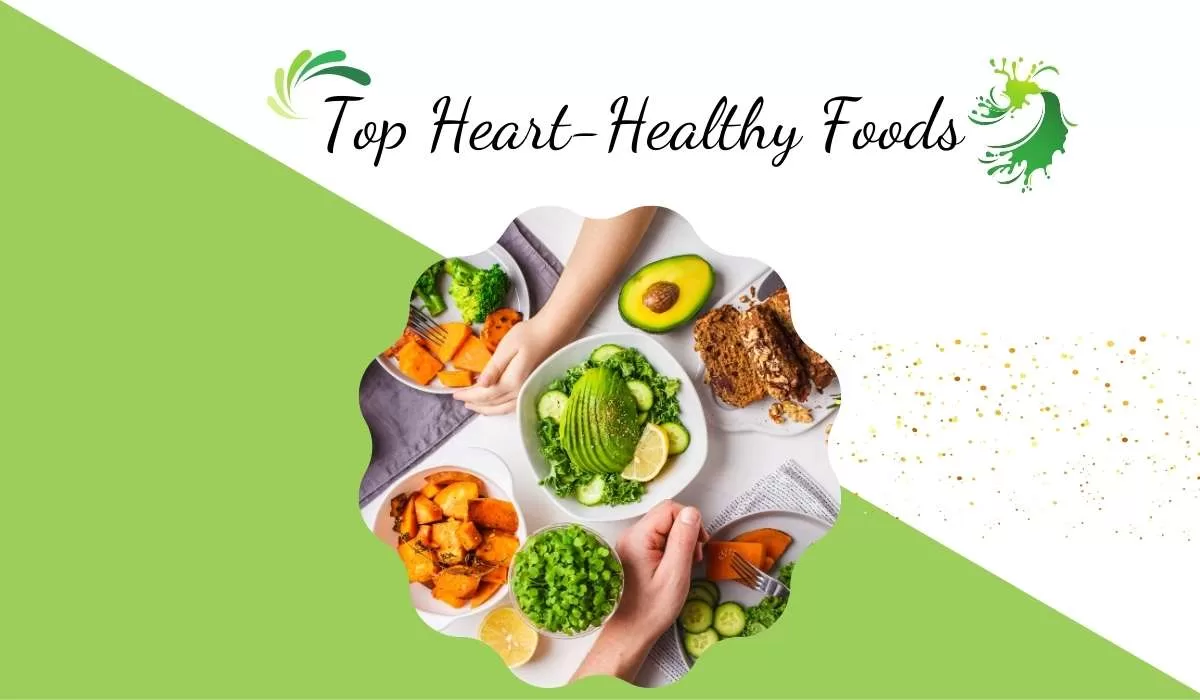

Maintaining a heart-healthy diet is essential for overall well-being and longevity. Consuming foods that are beneficial for heart health can help reduce the risk of cardiovascular diseases, lower cholesterol levels, and improve overall heart function. Incorporating heart-healthy foods into your diet can also help manage weight and reduce the risk of obesity, which is a significant risk factor for heart disease. By focusing on a diet rich in nutrient-dense foods, such as salmon, avocado, and berries, you can support your heart health and overall wellness.
In addition to specific heart-healthy foods, it’s important to focus on a balanced diet that includes a variety of fruits, vegetables, whole grains, lean proteins, and healthy fats. By prioritizing these nutrient-rich foods, you can provide your body with the essential vitamins, minerals, and antioxidants it needs to function optimally. In this article, we will explore the benefits of incorporating salmon, avocado, and berries into a heart-healthy diet, as well as delicious ways to enjoy these foods. We will also discuss other heart-healthy foods to add to your diet and provide tips for maintaining a heart-healthy lifestyle.
Key Takeaways
- Introduction to Heart-Healthy Foods:
- Heart-healthy foods are essential for maintaining cardiovascular health and reducing the risk of heart disease.
- A balanced diet rich in nutrients, fiber, and antioxidants is key to promoting heart health.
- The Benefits of Salmon for Heart Health:
- Salmon is a great source of omega-3 fatty acids, which can help lower the risk of heart disease and improve overall heart health.
- Incorporating salmon into your diet can help lower blood pressure and reduce the risk of blood clots.
- Incorporating Avocado into a Heart-Healthy Diet:
- Avocados are packed with monounsaturated fats, which can help lower bad cholesterol levels and reduce the risk of heart disease.
- Adding avocado to your diet can also provide essential nutrients like potassium, which is beneficial for heart health.
- The Power of Berries for Heart Health:
- Berries are rich in antioxidants, fiber, and vitamins, which can help reduce inflammation and lower the risk of heart disease.
- Consuming a variety of berries can contribute to improved heart health and overall well-being.
- Delicious Ways to Enjoy Salmon, Avocado, and Berries:
- Incorporate salmon into your meals by grilling, baking, or adding it to salads for a heart-healthy boost.
- Enjoy avocados in smoothies, salads, or as a spread on whole grain toast for a delicious and heart-healthy addition to your diet.
- Add berries to yogurt, oatmeal, or enjoy them as a snack to satisfy your sweet cravings while promoting heart health.
- Other Heart-Healthy Foods to Add to Your Diet:
- Other heart-healthy foods to consider adding to your diet include nuts, seeds, whole grains, leafy greens, and lean proteins like chicken and tofu.
- Incorporating a variety of fruits and vegetables, as well as healthy fats and lean proteins, can contribute to a well-rounded heart-healthy diet.
- Conclusion and Tips for Maintaining a Heart-Healthy Diet:
- Maintaining a heart-healthy diet is essential for overall well-being and reducing the risk of heart disease.
- Incorporating a variety of heart-healthy foods, such as salmon, avocado, and berries, can contribute to improved heart health and overall wellness.
The Benefits of Salmon for Heart Health
Salmon is a nutrient-dense fish that is rich in omega-3 fatty acids, specifically EPA and DHThese essential fatty acids have been shown to have numerous benefits for heart health, including reducing inflammation, lowering blood pressure, and decreasing the risk of blood clots. Omega-3 fatty acids are also known to improve cholesterol levels by increasing HDL (good) cholesterol and reducing LDL (bad) cholesterol. Additionally, salmon is an excellent source of protein, which is essential for muscle function and overall health.
Incorporating salmon into your diet can be a delicious way to support your heart health. Grilling or baking salmon with a simple marinade of olive oil, lemon, and herbs can create a flavorful and nutritious meal. Adding salmon to salads or using it as a topping for whole grain toast can also be a tasty way to enjoy this heart-healthy fish. Whether you choose wild-caught or farm-raised salmon, it’s important to prioritize high-quality sources to ensure you are getting the maximum nutritional benefits.
Incorporating Avocado into a Heart-Healthy Diet
Avocado is a versatile fruit that is packed with heart-healthy monounsaturated fats, which can help reduce bad cholesterol levels and lower the risk of heart disease. Avocados are also rich in potassium, which is essential for maintaining healthy blood pressure levels. In addition to healthy fats and potassium, avocados are a good source of fiber, which can aid in digestion and promote satiety. Including avocados in your diet can also provide essential vitamins and minerals, such as vitamin K, vitamin E, vitamin C, and B vitamins.
There are countless ways to incorporate avocado into a heart-healthy diet. Adding sliced avocado to salads, sandwiches, or wraps can add creaminess and flavor while boosting the nutritional content of your meal. Making homemade guacamole with fresh avocados, tomatoes, onions, and lime juice is another delicious way to enjoy this heart-healthy fruit. Avocado can also be used as a substitute for butter or mayonnaise in recipes, adding a creamy texture without the unhealthy saturated fats. Whether enjoyed on its own or as part of a recipe, avocado is a delicious and nutritious addition to any heart-healthy diet.
The Power of Berries for Heart Health
| Berry Type | Antioxidant Content | Heart Health Benefits |
|---|---|---|
| Blueberries | High | Improves blood pressure and reduces risk of heart disease |
| Strawberries | High | Reduces LDL cholesterol and improves heart function |
| Raspberries | High | Reduces inflammation and improves blood vessel function |
Berries, such as strawberries, blueberries, raspberries, and blackberries, are packed with antioxidants, fiber, and vitamins that make them an excellent choice for supporting heart health. The high levels of antioxidants in berries can help reduce inflammation and oxidative stress in the body, which are both linked to an increased risk of heart disease. Additionally, the fiber content in berries can help lower cholesterol levels and improve blood sugar control. Berries are also low in calories and high in water content, making them a great option for those looking to manage their weight.
Incorporating berries into your diet can be as simple as adding them to your morning oatmeal or yogurt for a nutritious and delicious breakfast. Berries can also be blended into smoothies or used as a topping for whole grain pancakes or waffles. For a refreshing and healthy dessert option, consider enjoying a bowl of mixed berries with a dollop of Greek yogurt or a drizzle of honey. Whether fresh or frozen, berries are a convenient and versatile ingredient that can be enjoyed in a variety of ways to support heart health.
Delicious Ways to Enjoy Salmon, Avocado, and Berries
There are countless delicious ways to enjoy salmon, avocado, and berries as part of a heart-healthy diet. For example, you can create a balanced meal by pairing grilled salmon with a side of avocado salsa and a mixed berry salad. Another option is to make a nourishing breakfast by topping whole grain toast with mashed avocado and a side of mixed berries. You can also prepare a vibrant salad with mixed greens, grilled salmon, sliced avocado, and a handful of fresh berries for a nutrient-packed meal.
Incorporating these heart-healthy foods into your diet doesn’t have to be complicated or time-consuming. Simple recipes like salmon and avocado sushi rolls or grilled salmon tacos with avocado crema can provide a flavorful and nutritious meal that supports heart health. For a sweet treat, consider making a batch of homemade berry chia seed jam to enjoy on whole grain toast or as a topping for yogurt or oatmeal. By getting creative in the kitchen and experimenting with different flavor combinations, you can find enjoyable ways to incorporate salmon, avocado, and berries into your daily meals.
Other Heart-Healthy Foods to Add to Your Diet

In addition to salmon, avocado, and berries, there are many other heart-healthy foods that you can add to your diet to support overall wellness. For example, incorporating leafy greens such as spinach, kale, and Swiss chard can provide essential vitamins and minerals that support heart health. Whole grains like quinoa, brown rice, and oats are also rich in fiber and nutrients that can help lower cholesterol levels and improve heart function.
Nuts and seeds such as almonds, walnuts, chia seeds, and flaxseeds are excellent sources of healthy fats, fiber, and antioxidants that support heart health. Legumes like lentils, chickpeas, and black beans are high in protein, fiber, and essential nutrients that can help lower cholesterol levels and improve blood sugar control. Additionally, incorporating lean proteins such as chicken breast, turkey, tofu, and tempeh can provide essential amino acids that support muscle function and overall health.
By prioritizing these nutrient-dense foods in your diet alongside salmon, avocado, and berries, you can create a well-rounded meal plan that supports heart health and overall wellness.
Conclusion and Tips for Maintaining a Heart-Healthy Diet
In conclusion, focusing on a diet rich in heart-healthy foods such as salmon, avocado, berries, leafy greens, whole grains, nuts, seeds, legumes, and lean proteins can provide essential nutrients that support overall heart health. By incorporating these nutrient-dense foods into your meals on a regular basis, you can reduce the risk of cardiovascular diseases, lower cholesterol levels, improve blood pressure control, and manage weight effectively.
To maintain a heart-healthy diet, it’s important to prioritize whole foods over processed options and limit the intake of unhealthy fats, added sugars, and sodium. Choosing lean proteins like salmon and incorporating healthy fats from sources like avocado can provide essential nutrients without the negative health effects associated with saturated and trans fats. Additionally, focusing on portion control and mindful eating can help prevent overeating and support weight management.
Incorporating physical activity into your daily routine alongside a heart-healthy diet can further support overall wellness and reduce the risk of heart disease. Whether it’s going for a walk, practicing yoga, or engaging in strength training exercises, finding enjoyable ways to stay active can contribute to better heart health.
By making conscious choices about the foods you consume and prioritizing nutrient-dense options that support heart health, you can take proactive steps towards maintaining overall wellness and longevity.
Looking to improve your heart health? Check out this insightful article on sipping your way to better digestion. It’s packed with valuable information on how certain foods and drinks can help prevent heart attacks and promote overall cardiovascular wellness. Incorporating these tips into your diet can make a significant difference in maintaining a healthy heart.