


Antioxidants are compounds that help protect the body from damage caused by free radicals. Free radicals are unstable molecules that can cause oxidative stress, which has been linked to various chronic diseases such as heart disease, cancer, and neurodegenerative disorders. Antioxidants work by neutralizing these free radicals, preventing them from causing damage to cells and tissues.
Incorporating antioxidant-rich foods into the diet is important for overall health and disease prevention. Research has shown that a diet rich in antioxidants can help reduce the risk of chronic diseases, improve immune function, and promote healthy aging. Antioxidants also play a role in maintaining healthy skin, promoting brain health, and supporting heart health.
Berries: A Delicious and Nutritious Source of Antioxidants
Berries are not only delicious but also packed with antioxidants. Different types of berries such as blueberries, strawberries, raspberries, and blackberries are rich in antioxidants such as anthocyanins, flavonols, and vitamin C. These antioxidants have been shown to have numerous health benefits.
Consuming berries regularly has been linked to improved brain health. Studies have found that the antioxidants in berries can help protect brain cells from oxidative stress and reduce the risk of age-related cognitive decline. Berries have also been shown to improve memory and cognitive function.
Berries are also beneficial for heart health. The antioxidants in berries help reduce inflammation and oxidative stress, which are key factors in the development of heart disease. Regular consumption of berries has been associated with a reduced risk of heart attacks and strokes.
In addition to brain and heart health, berries also support immune function. The high vitamin C content in berries helps boost the immune system and protect against infections. Berries also contain other immune-boosting compounds such as polyphenols, which have antimicrobial properties.
There are many creative ways to incorporate berries into meals and snacks. They can be added to smoothies, yogurt, oatmeal, or salads. Berries can also be used to make delicious desserts such as pies, tarts, and fruit salads. Snacking on fresh berries or freezing them for a refreshing treat is another great way to enjoy their antioxidant benefits.
Dark Chocolate: A Guilty Pleasure That’s Actually Good for You
Dark chocolate is often seen as a guilty pleasure, but it is actually good for you, especially when it comes to its antioxidant content. Dark chocolate contains flavonoids, which are powerful antioxidants that have been shown to have numerous health benefits.
Consuming dark chocolate has been linked to improved blood flow and reduced inflammation. The flavonoids in dark chocolate help relax blood vessels and improve circulation, which can lower the risk of heart disease. Dark chocolate has also been shown to reduce inflammation in the body, which is a key factor in the development of chronic diseases.
Choosing high-quality dark chocolate is important to reap the full benefits. Look for dark chocolate that has a high percentage of cocoa (70% or higher) and minimal added sugars. Avoid chocolates that contain hydrogenated oils or artificial additives.
Incorporating dark chocolate into a healthy diet can be done in various ways. Enjoy a small piece of dark chocolate as a dessert or snack. Dark chocolate can also be used in baking or melted and drizzled over fruits for a delicious and nutritious treat.
Nuts: A Crunchy and Convenient Way to Boost Your Antioxidant Intake
| Nut Type | Antioxidant Content (ORAC Value) | Serving Size | Calories per Serving |
|---|---|---|---|
| Almonds | 44,454 | 1 oz (23 nuts) | 162 |
| Walnuts | 13,541 | 1 oz (14 halves) | 185 |
| Pistachios | 7,983 | 1 oz (49 nuts) | 159 |
| Cashews | 5,170 | 1 oz (18 nuts) | 157 |
| Pecans | 17,940 | 1 oz (19 halves) | 196 |
Nuts are not only crunchy and delicious but also packed with antioxidants. Different types of nuts such as almonds, walnuts, and pistachios are rich in antioxidants such as vitamin E, polyphenols, and selenium.
Consuming nuts regularly has been shown to have numerous health benefits, especially for heart health. Nuts are high in healthy fats, fiber, and antioxidants, which help reduce inflammation and improve cholesterol levels. Studies have found that regular nut consumption is associated with a reduced risk of heart disease and stroke.
Nuts are also beneficial for weight management. Despite being calorie-dense, nuts have been shown to promote satiety and reduce overall calorie intake. The combination of healthy fats, protein, and fiber in nuts helps keep you feeling full and satisfied.
In addition to heart health and weight management, nuts also support brain function. The antioxidants in nuts help protect brain cells from oxidative stress and reduce the risk of cognitive decline. Nuts have also been shown to improve memory and cognitive performance.
There are many ways to incorporate nuts into meals and snacks. They can be added to salads, oatmeal, or yogurt for an extra crunch. Nut butters such as almond butter or peanut butter can be spread on toast or used as a dip for fruits and vegetables. Homemade trail mix with a variety of nuts and dried fruits is another great way to enjoy their antioxidant benefits.
Leafy Greens: Not Just for Rabbits – A Rich Source of Antioxidants
Leafy greens are often associated with rabbits, but they are also a rich source of antioxidants. Different types of leafy greens such as spinach, kale, and Swiss chard are packed with antioxidants such as vitamin C, vitamin E, and beta-carotene.
Consuming leafy greens regularly has been linked to numerous health benefits. They are particularly beneficial for bone health due to their high calcium content. Leafy greens also contain other bone-healthy nutrients such as vitamin K and magnesium.
Leafy greens are also beneficial for eye health. The antioxidants in leafy greens help protect the eyes from oxidative stress and reduce the risk of age-related macular degeneration and cataracts. They also contain nutrients such as lutein and zeaxanthin, which are important for maintaining healthy vision.
In addition to bone and eye health, leafy greens are also known for their cancer-fighting properties. The antioxidants in leafy greens help neutralize free radicals and reduce inflammation, which are key factors in the development of cancer. Studies have found that regular consumption of leafy greens is associated with a reduced risk of certain types of cancer, including breast and colon cancer.
There are many creative ways to incorporate leafy greens into meals. They can be used as a base for salads or added to sandwiches, wraps, or stir-fries. Leafy greens can also be blended into smoothies or sautéed with garlic and olive oil as a side dish. Experimenting with different types of leafy greens can help keep meals interesting and enjoyable.
Spices: Adding Flavor and Antioxidants to Your Meals
Spices not only add flavor to your meals but also provide a good dose of antioxidants. Different spices such as turmeric, cinnamon, and ginger are rich in antioxidants such as curcumin, cinnamaldehyde, and gingerol.
Consuming spices regularly has been shown to have numerous health benefits. They are particularly beneficial for digestion due to their anti-inflammatory properties. Spices help reduce inflammation in the gut and improve digestion, which can alleviate symptoms such as bloating and indigestion.
Spices are also beneficial for reducing inflammation in the body. Chronic inflammation is a key factor in the development of various chronic diseases such as heart disease, diabetes, and cancer. The antioxidants in spices help neutralize free radicals and reduce inflammation, which can lower the risk of these diseases.
In addition to digestion and inflammation, spices also support immune function. Many spices have antimicrobial properties that help fight against bacteria, viruses, and fungi. Consuming spices regularly can help boost the immune system and protect against infections.
There are many ways to incorporate spices into meals and snacks. They can be added to soups, stews, or curries for an extra kick of flavor and antioxidants. Homemade spice blends can be used to season meats, vegetables, or grains. Infusing oils with spices is another great way to add flavor and antioxidants to your meals.
Tomatoes: Not Just a Pizza Topping – A Surprising Source of Antioxidants
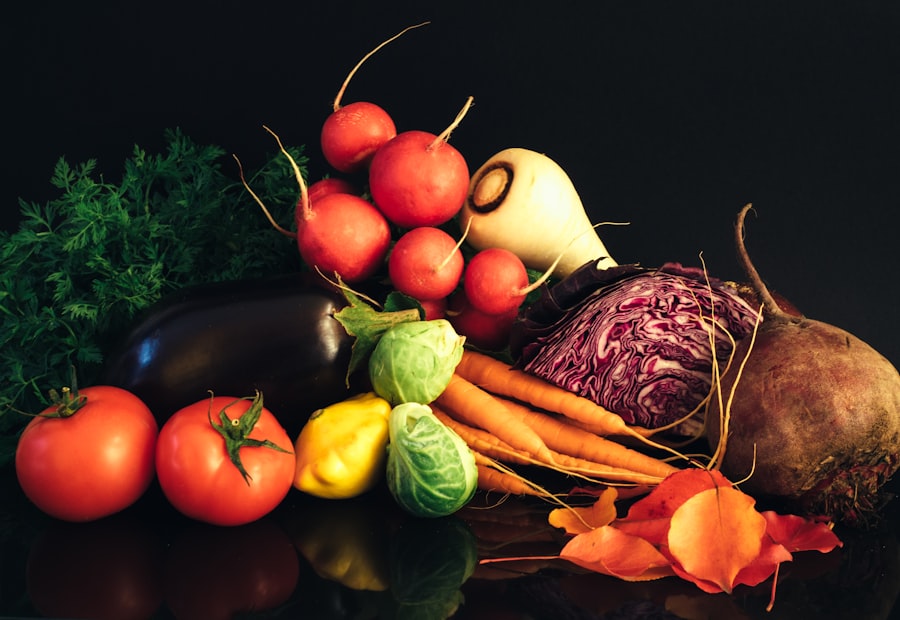
Tomatoes are often seen as a pizza topping, but they are actually a surprising source of antioxidants. Tomatoes contain antioxidants such as lycopene, vitamin C, and beta-carotene.
Consuming tomatoes regularly has been linked to numerous health benefits. They are particularly beneficial for heart health due to their high lycopene content. Lycopene is a powerful antioxidant that helps reduce inflammation and oxidative stress, which are key factors in the development of heart disease. Studies have found that regular tomato consumption is associated with a reduced risk of heart attacks and strokes.
Tomatoes are also beneficial for skin health. The antioxidants in tomatoes help protect the skin from oxidative stress and reduce the risk of sunburn and skin aging. They also contain nutrients such as vitamin C and beta-carotene, which promote collagen production and improve skin elasticity.
In addition to heart health and skin health, tomatoes are also known for their cancer-fighting properties. The antioxidants in tomatoes help neutralize free radicals and reduce inflammation, which can lower the risk of certain types of cancer such as prostate and lung cancer. Studies have found that regular consumption of tomatoes is associated with a reduced risk of these cancers.
There are many ways to incorporate tomatoes into meals and snacks. They can be used to make homemade salsa, tomato-based sauces, or soups. Tomatoes can also be added to salads, sandwiches, or wraps for an extra burst of flavor and antioxidants.
Beans and Legumes: A Protein-Packed Way to Get Your Antioxidants
Beans and legumes are not only a great source of protein but also packed with antioxidants. Different types of beans such as black beans, kidney beans, and chickpeas are rich in antioxidants such as flavonoids, polyphenols, and vitamin C.
Consuming beans and legumes regularly has been shown to have numerous health benefits. They are particularly beneficial for blood sugar control due to their high fiber content. Beans and legumes have a low glycemic index, which means they cause a slow and steady rise in blood sugar levels. This can help prevent spikes in blood sugar and improve insulin sensitivity.
Beans and legumes are also beneficial for weight management. They are high in fiber and protein, which help promote satiety and reduce overall calorie intake. Studies have found that regular consumption of beans and legumes is associated with a reduced risk of obesity and weight gain.
In addition to blood sugar control and weight management, beans and legumes also support digestive health. The fiber in beans and legumes helps promote regular bowel movements and prevent constipation. They also contain resistant starch, which acts as a prebiotic and feeds the beneficial bacteria in the gut.
There are many ways to incorporate beans and legumes into meals. They can be added to soups, stews, or chili for an extra dose of protein and antioxidants. Beans can also be used to make homemade hummus or added to salads for a satisfying meal. Experimenting with different types of beans and legumes can help keep meals interesting and enjoyable.
Whole Grains: More Than Just Carbs – A Nutrient-Dense Source of Antioxidants
Whole grains are often seen as just carbs, but they are actually a nutrient-dense source of antioxidants. Different types of whole grains such as quinoa, brown rice, and oats are packed with antioxidants such as vitamin E, selenium, and phenolic acids.
Consuming whole grains regularly has been linked to numerous health benefits. They are particularly beneficial for heart health due to their high fiber content. Whole grains help reduce cholesterol levels, lower blood pressure, and improve blood sugar control. Studies have found that regular consumption of whole grains is associated with a reduced risk of heart disease and stroke.
Whole grains are also beneficial for digestive health. The fiber in whole grains helps promote regular bowel movements and prevent constipation. They also contain resistant starch, which acts as a prebiotic and feeds the beneficial bacteria in the gut.
In addition to heart health and digestive health, whole grains are also known for their weight management properties. The fiber and protein in whole grains help promote satiety and reduce overall calorie intake. Studies have found that regular consumption of whole grains is associated with a reduced risk of obesity and weight gain.
There are many ways to incorporate whole grains into meals and snacks. They can be used to make whole grain breads, cereals, or pasta for a nutritious meal. Whole grains can also be added to salads or used as a base for grain bowls. Experimenting with different types of whole grains can help keep meals interesting and enjoyable.
Incorporating Antioxidant-Rich Foods into Your Diet for Optimal Health
Incorporating antioxidant-rich foods into your diet is important for overall health and disease prevention. Berries, dark chocolate, nuts, leafy greens, spices, tomatoes, beans and legumes, and whole grains are all excellent sources of antioxidants.
Consuming these foods regularly can help protect against chronic diseases such as heart disease, cancer, and neurodegenerative disorders. They also support brain health, heart health, immune function, bone health, eye health, weight management, digestive health, skin health, and cancer prevention.
There are many creative ways to incorporate these antioxidant-rich foods into meals and snacks. Whether it’s adding berries to smoothies, using spices to season meals, or enjoying a piece of dark chocolate as a treat, there are endless possibilities to explore.
Experimenting with new foods and flavors can help keep meals interesting and enjoyable. Don’t be afraid to try new recipes or incorporate different types of antioxidant-rich foods into your diet. Your body will thank you for it with improved health and well-being.
Looking for foods that are packed with antioxidants? Check out this informative article on foods that contain high antioxidants. It’s a great resource to help you understand which foods can provide you with a powerful dose of antioxidants to support your overall health and well-being. And while you’re at it, don’t forget to explore other interesting articles on topics like yoga poses for kids, juice for gut health, and yoga exercises for a healthy heart available on the same website. Happy reading!