
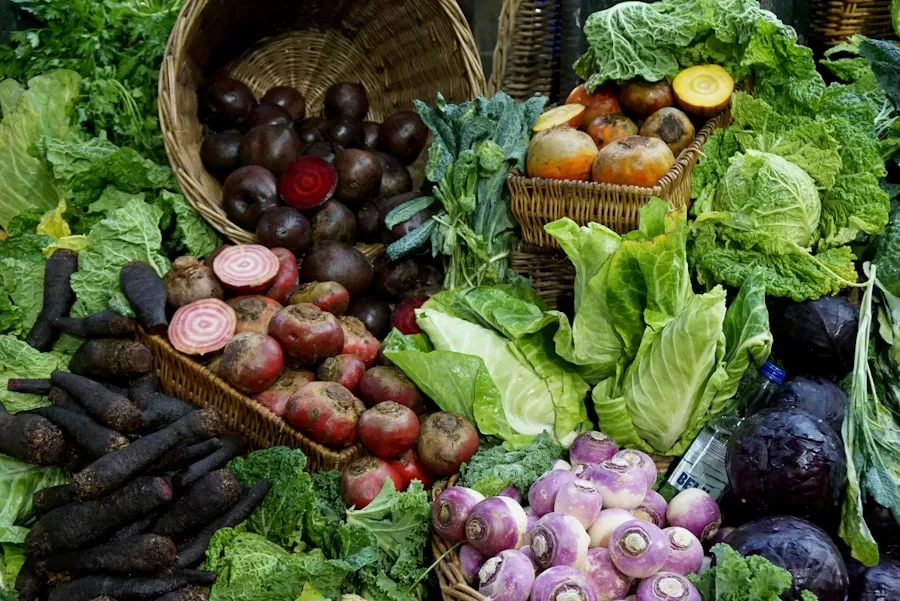

A nutrient-packed diet is essential for maintaining good health and overall well-being. It is important to consume a variety of nutrient-dense foods, including vegetables, to ensure that your body receives the essential vitamins, minerals, and antioxidants it needs to function optimally. Vegetables are an important component of a nutrient-packed diet, as they are low in calories and high in nutrients, making them an excellent choice for promoting good health. In this article, we will explore the benefits of eating a variety of vegetables, the criteria for selecting the healthiest veggies, the top 10 healthiest veggies for a nutrient-packed diet, the nutritional benefits of each vegetable, and tips for incorporating more vegetables into your diet.
Benefits of Eating a Variety of Vegetables
Eating a variety of vegetables offers numerous health benefits. Vegetables are rich in essential nutrients such as vitamins, minerals, fiber, and antioxidants, which are important for maintaining good health and preventing chronic diseases. Consuming a diverse range of vegetables can help to reduce the risk of heart disease, stroke, certain types of cancer, and obesity. Additionally, vegetables are low in calories and high in fiber, making them an excellent choice for weight management and promoting satiety. Including a variety of vegetables in your diet can also help to support a healthy immune system, improve digestion, and promote overall well-being. By incorporating a wide range of vegetables into your meals, you can ensure that you are receiving a broad spectrum of essential nutrients that are important for maintaining good health.
Criteria for Selecting the Healthiest Veggies
When selecting vegetables for a nutrient-packed diet, it is important to consider their nutrient content, freshness, and quality. Look for vegetables that are rich in essential vitamins and minerals, such as vitamin A, vitamin C, potassium, and folate. Fresh vegetables are generally higher in nutrients compared to canned or frozen varieties, so it is best to choose fresh vegetables whenever possible. When selecting vegetables, choose those that are brightly colored, as they tend to be higher in antioxidants and phytochemicals. It is also important to consider the seasonality of vegetables, as they tend to be fresher and more flavorful when they are in season. Additionally, consider purchasing organic vegetables when possible, as they are free from pesticides and other harmful chemicals that can negatively impact your health.
Top 10 Healthiest Veggies for a Nutrient-Packed Diet
| Veggie | Nutrient | Amount per 100g |
|---|---|---|
| Spinach | Vitamin K | 483µg |
| Kale | Vitamin A | 481µg |
| Broccoli | Vitamin C | 89.2mg |
| Brussels Sprouts | Fiber | 3.8g |
| Swiss Chard | Magnesium | 81mg |
| Carrots | Beta-carotene | 8285µg |
| Red Bell Pepper | Vitamin C | 127.7mg |
| Sweet Potato | Potassium | 337mg |
| Garlic | Allicin | 1490µg |
| Tomato | Lycopene | 2573µg |
1. Spinach
2. Kale
3. Broccoli
4. Bell Peppers
5. Carrots
6. Sweet Potatoes
7. Brussels Sprouts
8. Cauliflower
9. Asparagus
10. Tomatoes
Nutritional Benefits of Each Vegetable
1. Spinach: Spinach is packed with essential nutrients such as vitamin A, vitamin C, vitamin K, iron, and folate. It is also rich in antioxidants and phytochemicals that help to protect against chronic diseases.
2. Kale: Kale is a nutritional powerhouse, containing high levels of vitamins A, C, and K, as well as calcium, potassium, and antioxidants. It is also a great source of fiber and can help to support healthy digestion.
3. Broccoli: Broccoli is rich in vitamin C, vitamin K, folate, and fiber. It also contains sulforaphane, a compound that has been shown to have anti-cancer properties.
4. Bell Peppers: Bell peppers are high in vitamin C, vitamin A, and antioxidants that help to support a healthy immune system and protect against oxidative stress.
5. Carrots: Carrots are an excellent source of beta-carotene, which is converted into vitamin A in the body. They also contain fiber, vitamin K, and potassium.
6. Sweet Potatoes: Sweet potatoes are rich in beta-carotene, vitamin C, potassium, and fiber. They also have a lower glycemic index compared to regular potatoes.
7. Brussels Sprouts: Brussels sprouts are high in vitamin K, vitamin C, folate, and fiber. They also contain compounds that have been shown to have anti-inflammatory properties.
8. Cauliflower: Cauliflower is a good source of vitamin C, vitamin K, and fiber. It also contains compounds that have been linked to cancer prevention.
9. Asparagus: Asparagus is high in folate, vitamin K, vitamin A, and fiber. It also contains antioxidants that help to protect against chronic diseases.
10. Tomatoes: Tomatoes are rich in vitamin C, potassium, and lycopene, an antioxidant that has been linked to reducing the risk of certain types of cancer.
Tips for Incorporating More Vegetables into Your Diet
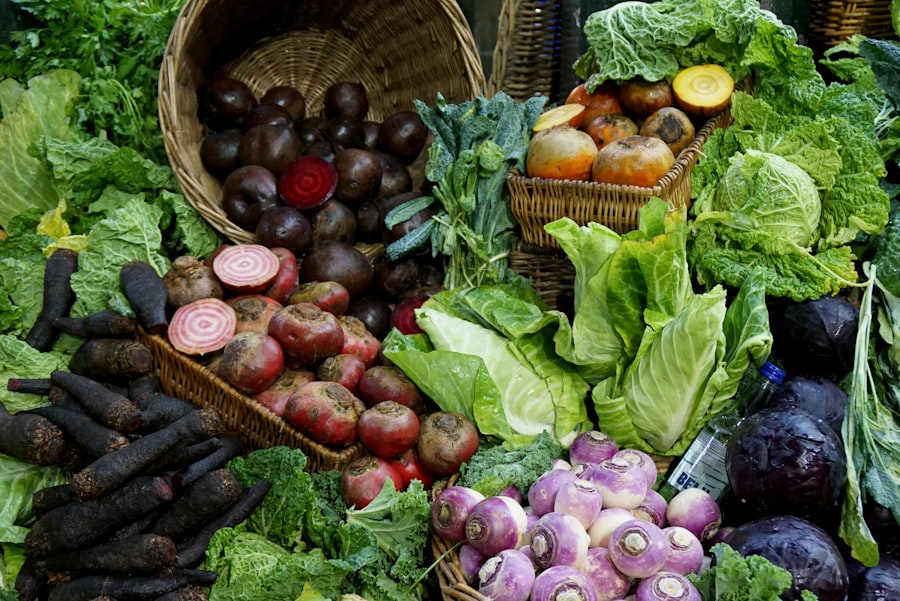
Incorporating more vegetables into your diet can be easy and delicious with the following tips:
1. Add vegetables to your meals: Incorporate vegetables into your meals by adding them to soups, stews, stir-fries, salads, and omelets.
2. Snack on veggies: Keep cut-up vegetables such as carrots, bell peppers, and cucumbers on hand for a quick and healthy snack.
3. Try new recipes: Experiment with new vegetable-based recipes to discover new flavors and textures.
4. Make veggie-based smoothies: Blend leafy greens such as spinach or kale into your smoothies for an added nutrient boost.
5. Grow your own vegetables: Consider growing your own vegetables at home to ensure a fresh and sustainable supply.
6. Swap out unhealthy ingredients: Replace unhealthy ingredients with vegetables in your favorite dishes to increase their nutritional value.
Conclusion and Recommendations for a Nutrient-Packed Diet
In conclusion, incorporating a variety of nutrient-dense vegetables into your diet is essential for maintaining good health and overall well-being. By consuming a diverse range of vegetables, you can ensure that you are receiving the essential vitamins, minerals, fiber, and antioxidants that are important for promoting good health and preventing chronic diseases. When selecting vegetables for a nutrient-packed diet, consider their nutrient content, freshness, quality, seasonality, and organic options. The top 10 healthiest veggies for a nutrient-packed diet include spinach, kale, broccoli, bell peppers, carrots, sweet potatoes, Brussels sprouts, cauliflower, asparagus, and tomatoes. Each of these vegetables offers unique nutritional benefits that can help to support good health and well-being.
To incorporate more vegetables into your diet, consider adding them to your meals, snacking on them throughout the day, trying new recipes, making veggie-based smoothies, growing your own vegetables at home, and swapping out unhealthy ingredients with vegetables in your favorite dishes. By following these tips and incorporating a variety of nutrient-dense vegetables into your diet on a regular basis, you can ensure that you are receiving the essential nutrients your body needs to thrive. Remember to consult with a healthcare professional or registered dietitian before making any significant changes to your diet to ensure that it meets your individual nutritional needs. By prioritizing a nutrient-packed diet that includes plenty of vegetables, you can support your overall health and well-being for years to come.
Looking to improve your digestive health? Incorporating a variety of healthy veggies into your diet can make a significant difference. According to a recent article on aerns.com, vegetables such as spinach, kale, and broccoli are packed with essential nutrients and fiber that support a healthy digestive system. By including these veggies in your meals, you can promote better digestion and overall gut health.