


Fish is often touted as a superfood for its numerous health benefits. It is a rich source of high-quality protein, essential nutrients, and omega-3 fatty acids, which are crucial for optimal health. Consuming fish regularly has been linked to a reduced risk of heart disease, improved brain function, and lower rates of depression. Additionally, fish is low in saturated fats and high in unsaturated fats, making it a heart-healthy choice. The American Heart Association recommends eating fish at least twice a week as part of a healthy diet. With so many varieties of fish available, it’s important to know which ones are the healthiest and offer the most nutritional benefits.
Criteria for Selecting the Healthiest Fish
When selecting the healthiest fish, there are several factors to consider. First and foremost, it’s important to choose fish that are low in mercury, a toxic metal that can accumulate in fish and pose health risks, especially for pregnant women and young children. Additionally, it’s important to consider the omega-3 fatty acid content of the fish. Omega-3 fatty acids are essential for heart and brain health, and certain types of fish are particularly high in these beneficial fats. Another consideration is the sustainability of the fish species. Overfishing and destructive fishing practices can harm marine ecosystems, so choosing sustainably sourced fish is important for the health of our oceans. Lastly, it’s important to consider the overall nutritional profile of the fish, including its protein content and levels of essential nutrients such as vitamin D and B vitamins.
Top 10 Healthiest Fish to Eat for Optimal Nutrition
1. Salmon: Salmon is one of the most popular and nutritious types of fish available. It is rich in omega-3 fatty acids, high-quality protein, and essential nutrients such as vitamin D and B vitamins. Wild-caught salmon is lower in contaminants and higher in omega-3s than farmed salmon, making it the healthiest choice.
2. Sardines: Sardines are small, oily fish that are packed with protein, omega-3 fatty acids, and calcium. They are also low in mercury and are considered one of the most sustainable fish species.
3. Mackerel: Mackerel is a flavorful fish that is high in omega-3 fatty acids and vitamin D. It is also a good source of protein and essential nutrients such as selenium and niacin.
4. Trout: Trout is a lean protein source that is rich in omega-3 fatty acids and essential nutrients such as vitamin B12 and potassium. It is also low in mercury and is considered a sustainable choice.
5. Herring: Herring is a small, oily fish that is high in omega-3 fatty acids and vitamin D. It is also a good source of protein and essential nutrients such as selenium and phosphorus.
6. Anchovies: Anchovies are small, oily fish that are high in omega-3 fatty acids and low in mercury. They are also a good source of protein and essential nutrients such as calcium and iron.
7. Cod: Cod is a lean white fish that is high in protein and low in fat. It is also a good source of essential nutrients such as vitamin B12 and selenium.
8. Tilapia: Tilapia is a mild-tasting white fish that is high in protein and low in fat. It is also a good source of essential nutrients such as vitamin D and potassium.
9. Haddock: Haddock is a lean white fish that is high in protein and low in fat. It is also a good source of essential nutrients such as vitamin B6 and niacin.
10. Pollock: Pollock is a mild-tasting white fish that is high in protein and low in fat. It is also a good source of essential nutrients such as vitamin B12 and selenium.
Salmon: A Nutrient-Rich Fish with Omega-3 Fatty Acids
| Nutrient | Amount per 3 oz (85g) serving |
|---|---|
| Calories | 177 |
| Protein | 23g |
| Total Fat | 9g |
| Saturated Fat | 2g |
| Omega-3 Fatty Acids | 1.1g |
| Cholesterol | 55mg |
| Vitamin D | 570 IU (142% DV) |
| Potassium | 534mg |
Salmon is often considered one of the healthiest types of fish due to its impressive nutrient profile. It is an excellent source of high-quality protein, omega-3 fatty acids, and essential nutrients such as vitamin D and B vitamins. Omega-3 fatty acids are particularly abundant in salmon, with one serving providing well over 100% of the recommended daily intake. These fats have been shown to reduce inflammation, lower blood pressure, and improve overall heart health. Additionally, salmon is rich in vitamin D, which is important for bone health, immune function, and mood regulation. It also provides significant amounts of B vitamins, including B12, which are essential for energy production and brain function.
When selecting salmon, it’s important to choose wild-caught varieties whenever possible. Wild-caught salmon tends to be lower in contaminants such as mercury and higher in omega-3s compared to farmed salmon. Additionally, wild-caught salmon is more sustainable as it does not contribute to the environmental issues associated with fish farming. Overall, salmon is an incredibly nutrient-dense food that offers a wide range of health benefits, making it an excellent choice for those looking to improve their diet and overall well-being.
Sardines: A Small Fish Packed with Protein and Omega-3s
Sardines may be small in size, but they pack a powerful nutritional punch. These tiny fish are rich in protein, omega-3 fatty acids, calcium, and vitamin D, making them one of the healthiest options for seafood lovers. Sardines are also low in mercury, making them a safe choice for pregnant women and young children. The omega-3 fatty acids found in sardines have been shown to reduce inflammation, lower the risk of heart disease, and support brain health. Additionally, sardines are an excellent source of calcium, which is important for bone health and muscle function.
When it comes to sustainability, sardines are considered one of the most eco-friendly choices for seafood. They are abundant in the oceans and reproduce quickly, making them less vulnerable to overfishing compared to other species. Sardines are often available canned, making them convenient and affordable for consumers. Whether enjoyed on their own or added to salads, pasta dishes, or sandwiches, sardines are a versatile and nutritious addition to any diet.
Mackerel: A Flavorful Fish High in Omega-3 Fatty Acids
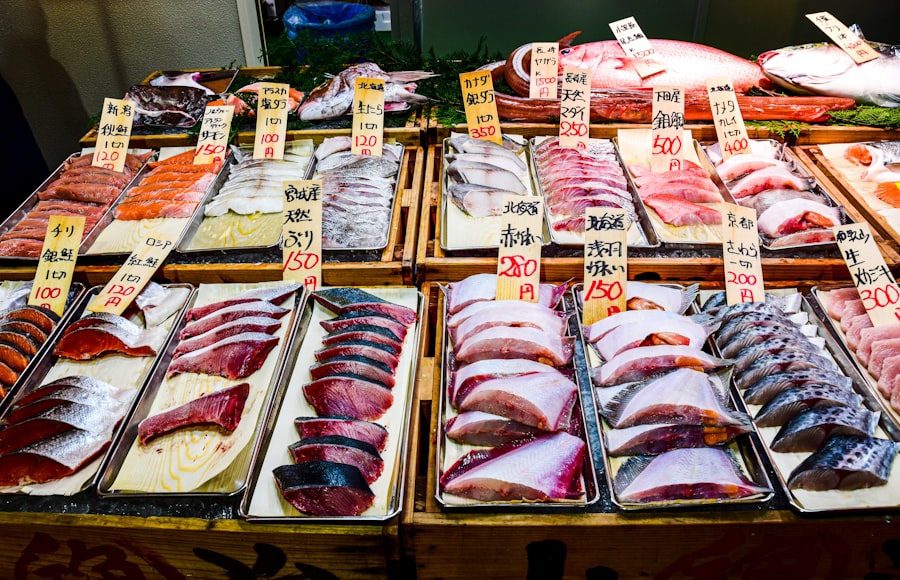
Mackerel is a flavorful fish that is prized for its high levels of omega-3 fatty acids and vitamin D. These beneficial fats have been shown to reduce inflammation, lower blood pressure, and support brain health. Mackerel is also a good source of protein, providing all the essential amino acids needed for muscle growth and repair. In addition to its impressive nutrient profile, mackerel has a rich, distinctive flavor that sets it apart from other types of fish.
When selecting mackerel, it’s important to choose varieties that are low in mercury and sustainably sourced. Some species of mackerel may contain higher levels of mercury due to environmental contamination, so it’s best to opt for smaller species such as Atlantic or Pacific mackerel. Additionally, choosing mackerel that has been caught using sustainable fishing methods helps protect marine ecosystems from overfishing and habitat destruction. Whether grilled, smoked, or added to salads or pasta dishes, mackerel is a delicious and nutritious choice for seafood enthusiasts.
Trout: A Lean Protein Source with Essential Nutrients
Trout is a lean protein source that offers a wide range of essential nutrients for optimal health. It is rich in omega-3 fatty acids, vitamin B12, potassium, and other important vitamins and minerals. Omega-3 fatty acids have been shown to reduce inflammation, lower the risk of heart disease, and support brain function. Vitamin B12 is crucial for energy production and nerve health, while potassium helps regulate blood pressure and muscle function.
When selecting trout, it’s important to choose varieties that are sustainably sourced and low in contaminants such as mercury. Farmed rainbow trout is often considered a more sustainable choice compared to wild-caught trout due to its lower impact on natural habitats. Additionally, farmed trout tends to have lower levels of contaminants compared to some wild-caught species. Whether baked, grilled, or pan-seared, trout is a delicious and nutritious addition to any diet.
When selecting trout, it’s important to choose varieties that are sustainably sourced and low in contaminants such as mercury. Farmed rainbow trout is often considered a more sustainable choice compared to wild-caught trout due to its lower impact on natural habitats. Additionally, farmed trout tends to have lower levels of contaminants compared to some wild-caught species. Whether baked, grilled, or pan-seared, trout is a delicious and nutritious addition to any diet. Its delicate flavor and tender texture make it a versatile option for a variety of recipes, and its high protein content and omega-3 fatty acids make it a healthy choice for heart health and overall well-being.
Looking to improve your diet? Check out our article on the healthiest fish to eat, which provides valuable insights into incorporating nutritious seafood into your meals. For more tips on maintaining a healthy lifestyle, you might also be interested in our article on mindful eating and its potential benefits for weight loss. And if you’re looking for ways to enhance your overall well-being, don’t miss our article on healthy yoga for kids, offering fun and creative ways to introduce yoga into their routines. For more health and wellness content, visit AERNs.