
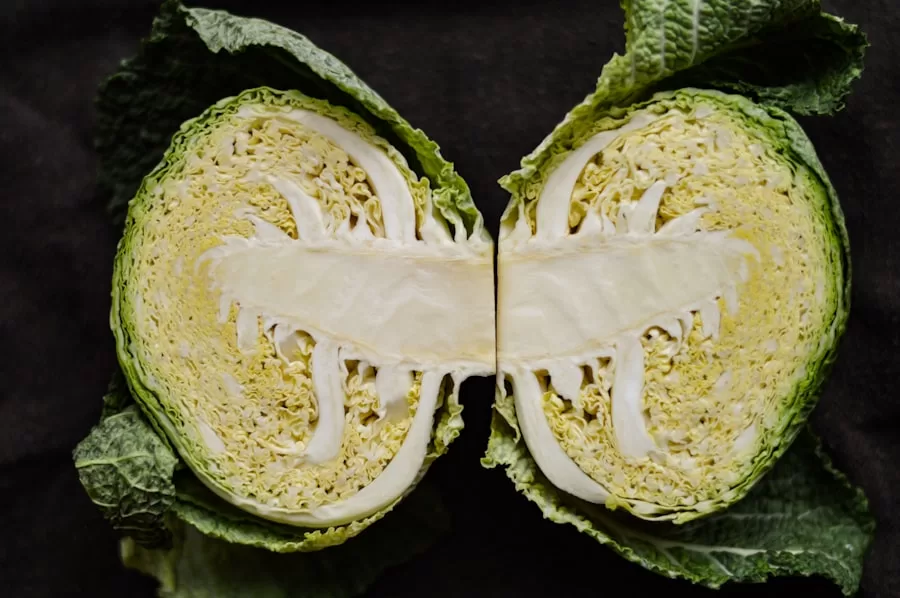

Cabbage is a leafy green vegetable that has been cultivated for thousands of years. It is believed to have originated in Europe and Asia, and it has been a staple in many cuisines around the world. Cabbage is known for its versatility and nutritional benefits.
Cabbage is low in calories and high in fiber, making it a great choice for those looking to maintain a healthy weight. It is also packed with vitamins and minerals, including vitamin C, vitamin K, and potassium. These nutrients are essential for overall health and can help boost the immune system, support bone health, and regulate blood pressure.
Low-Carb Benefits of Cabbage for a Healthy Lifestyle
Low-carb diets have gained popularity in recent years due to their potential benefits for weight loss and overall health. These diets focus on reducing the intake of carbohydrates, such as bread, pasta, and sugary foods, and increasing the consumption of protein and healthy fats.
Cabbage is an excellent choice for those following a low-carb diet because it is low in carbohydrates. One cup of shredded cabbage contains only about 5 grams of carbs. This makes it a great alternative to higher-carb vegetables like potatoes or corn.
In addition to being low in carbs, cabbage is also high in fiber. Fiber is important for digestion and can help keep you feeling full and satisfied after meals. This can be especially beneficial for those trying to lose weight or maintain a healthy weight.
Cabbage: A Versatile Ingredient for Low-Carb Recipes
Cabbage can be used in a variety of low-carb recipes, making it a versatile ingredient for those following a low-carb diet. Here are some examples of low-carb cabbage recipes:
1. Cabbage Stir-Fry: Saute shredded cabbage with your choice of protein (such as chicken or tofu) and low-carb vegetables (such as bell peppers or broccoli) in a small amount of oil. Season with soy sauce or your favorite low-carb sauce.
2. Cabbage Wraps: Use cabbage leaves as a low-carb alternative to tortillas or bread. Fill the leaves with your choice of protein, vegetables, and condiments for a healthy and satisfying meal.
3. Cabbage Soup: Make a hearty and low-carb soup by simmering shredded cabbage with broth, vegetables, and your choice of protein. Season with herbs and spices for added flavor.
Incorporating cabbage into meals is easy and can add a nutritious and low-carb element to your diet. You can use cabbage as a base for salads, add it to stir-fries or soups, or even use it as a wrap for sandwiches or tacos.
Nutritional Value of Cabbage: Vitamins and Minerals
| Nutrient | Amount per 100g |
|---|---|
| Calories | 25 |
| Protein | 1.3g |
| Fat | 0.1g |
| Carbohydrates | 5.8g |
| Fiber | 2.5g |
| Vitamin C | 36.6mg |
| Vitamin K | 76mcg |
| Vitamin B6 | 0.1mg |
| Folate | 53mcg |
| Calcium | 40mg |
| Potassium | 170mg |
Cabbage is not only low in carbs but also packed with essential vitamins and minerals. Here is a breakdown of the nutrients found in cabbage and how they benefit the body:
1. Vitamin C: Cabbage is an excellent source of vitamin C, which is important for immune function, collagen production, and wound healing. Vitamin C also acts as an antioxidant, protecting the body against damage from free radicals.
2. Vitamin K: Cabbage is rich in vitamin K, which plays a crucial role in blood clotting and bone health. Adequate vitamin K intake can help prevent osteoporosis and reduce the risk of fractures.
3. Potassium: Cabbage contains potassium, an essential mineral that helps regulate blood pressure, maintain fluid balance, and support proper muscle and nerve function.
Incorporating cabbage into your diet can help ensure that you are getting these important nutrients and supporting overall health.
Cabbage and Weight Loss: How it Can Help You Shed Pounds
Cabbage has long been associated with weight loss due to its low calorie and high fiber content. It is a low-energy-dense food, meaning that it provides a lot of volume with few calories. This can help you feel full and satisfied while consuming fewer calories overall.
In addition to being low in calories, cabbage is also high in fiber. Fiber adds bulk to your diet and slows down digestion, which can help control hunger and prevent overeating. Studies have shown that increasing fiber intake can lead to weight loss and improved body composition.
One study published in the Annals of Internal Medicine found that individuals who followed a low-calorie diet that included cabbage lost more weight than those who followed a low-calorie diet without cabbage. The researchers concluded that cabbage can be a useful addition to a weight loss diet.
Cabbage and Gut Health: A Natural Remedy for Digestive Issues
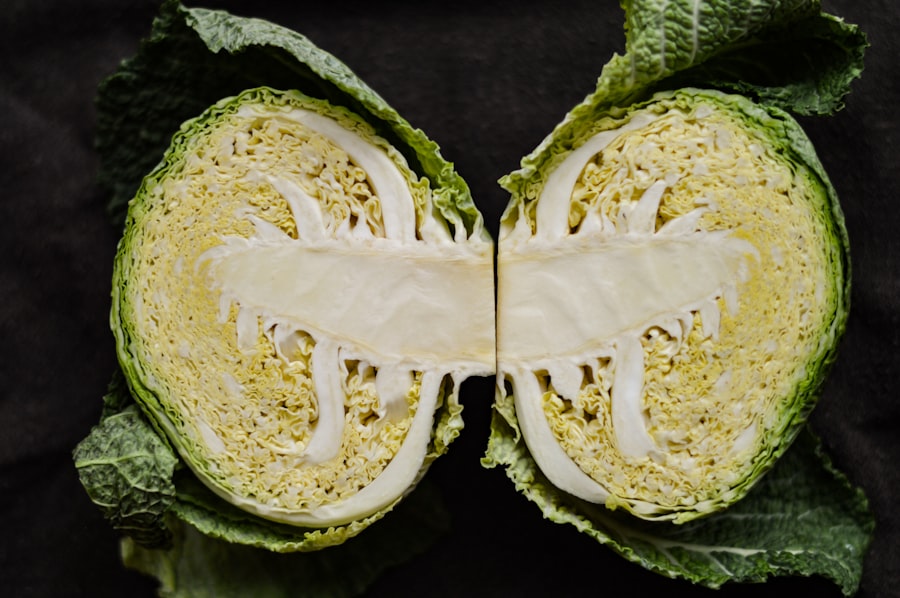
Cabbage is known for its potential benefits for gut health. It contains compounds called glucosinolates, which can be converted into substances that have anti-inflammatory and antibacterial properties in the gut.
Cabbage is also a good source of fiber, which can promote regular bowel movements and prevent constipation. Fiber acts as a prebiotic, providing fuel for beneficial bacteria in the gut and promoting a healthy balance of gut flora.
In addition to its potential benefits for gut health, cabbage has been used as a natural remedy for digestive issues such as ulcers and gastritis. Its anti-inflammatory properties may help soothe the lining of the stomach and reduce symptoms of these conditions.
Cabbage and Heart Health: Lowering Cholesterol and Blood Pressure
Cabbage has been shown to have potential benefits for heart health. Several studies have found that consuming cabbage or cabbage juice can help lower cholesterol levels and reduce the risk of heart disease.
One study published in the European Journal of Clinical Nutrition found that individuals who consumed cabbage juice daily for 12 weeks experienced a significant decrease in LDL cholesterol levels, also known as “bad” cholesterol. Another study published in the Journal of Agricultural and Food Chemistry found that cabbage extract reduced the oxidation of LDL cholesterol, which is a key step in the development of heart disease.
Cabbage is also rich in potassium, which can help lower blood pressure. Potassium helps relax blood vessels and counteracts the effects of sodium, which can raise blood pressure. Including cabbage in your diet can be a simple and delicious way to support heart health.
Cabbage and Cancer Prevention: Antioxidants and Phytochemicals
Cabbage is a cruciferous vegetable, which means it belongs to the same family as broccoli, cauliflower, and Brussels sprouts. Cruciferous vegetables are known for their potential cancer-fighting properties.
Cabbage contains antioxidants and phytochemicals that have been shown to have anti-cancer effects. These compounds help protect cells from damage caused by free radicals and may help prevent the development of cancerous cells.
One study published in the Journal of Nutrition found that individuals who consumed more cruciferous vegetables, including cabbage, had a lower risk of developing lung, colorectal, and breast cancer. Another study published in the International Journal of Cancer found that women who consumed more cruciferous vegetables had a lower risk of ovarian cancer.
Including cabbage in your diet can be a simple and delicious way to support overall health and reduce the risk of cancer.
Cabbage and Brain Health: Boosting Cognitive Function and Memory
Cabbage has been shown to have potential benefits for brain health. It contains compounds called anthocyanins, which have been shown to have antioxidant and anti-inflammatory effects in the brain.
Several studies have found that consuming anthocyanin-rich foods, such as cabbage, can help improve cognitive function and memory. One study published in the Journal of Agricultural and Food Chemistry found that rats fed a diet supplemented with purple cabbage extract showed improved memory and learning abilities.
Another study published in the Journal of Nutrition, Health & Aging found that individuals who consumed more anthocyanin-rich foods had a lower risk of developing cognitive decline and dementia.
Including cabbage in your diet can be a delicious way to support brain health and improve cognitive function.
How to Incorporate Cabbage into Your Low-Carb Diet
Cabbage is a nutritious and versatile vegetable that can be a valuable addition to a low-carb diet. It is low in carbs, high in fiber, and packed with essential vitamins and minerals. Cabbage can help support weight loss, improve gut health, lower cholesterol and blood pressure, prevent cancer, and boost brain health.
There are many ways to incorporate cabbage into your low-carb diet. You can use it as a base for salads, add it to stir-fries or soups, or even use it as a wrap for sandwiches or tacos. Experiment with different recipes and cooking methods to find your favorite way to enjoy cabbage.
Incorporating cabbage into your low-carb diet can not only add variety and flavor to your meals but also provide numerous health benefits. So why not give it a try and start reaping the benefits of this nutritious vegetable today?
If you’re interested in learning more about the health benefits of cabbage and its carbohydrate content, you might also want to check out this article on effective stress management techniques. Stress can have a significant impact on our overall well-being, including our dietary choices. By managing stress effectively, we can make better decisions when it comes to our food intake. Understanding the role of carbohydrates, such as those found in cabbage, can be helpful in maintaining a balanced diet. To read more about stress management techniques, click here.