
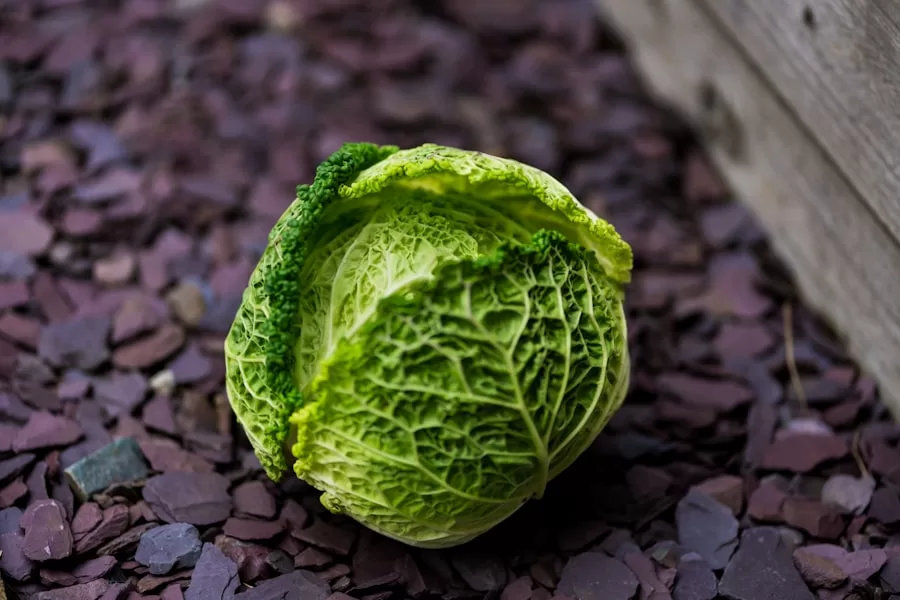

Cabbage is a versatile and nutritious vegetable that often gets overlooked in the world of low-carb diets. However, cabbage is actually a fantastic option for those looking to reduce their carbohydrate intake while still enjoying delicious and filling meals. Not only is cabbage low in carbs, but it is also packed with essential vitamins and minerals that can support overall health and well-being. In this article, we will explore the nutritional benefits of cabbage in a low-carb diet, how it can aid in weight loss, different varieties of cabbage and their nutritional value, simple and delicious low-carb cabbage recipes, tips for incorporating cabbage into your meal planning, and the role of cabbage in promoting digestive health.
Nutritional Benefits of Cabbage in a Low-Carb Diet
Cabbage is not only low in carbohydrates but also high in essential vitamins and minerals. It is particularly rich in vitamins C and K. Vitamin C is an antioxidant that helps protect the body against damage from free radicals, supports immune function, and aids in collagen production for healthy skin. Vitamin K is important for blood clotting and bone health. By incorporating cabbage into your low-carb diet, you can ensure that you are getting an adequate intake of these important vitamins.
In addition to vitamins C and K, cabbage is also rich in antioxidants. Antioxidants are compounds that help protect the body against oxidative stress and inflammation. They can help reduce the risk of chronic diseases such as heart disease and certain types of cancer. By including cabbage in your low-carb meals, you can increase your antioxidant intake and support overall health.
Furthermore, cabbage is low in calories and carbohydrates, making it an excellent choice for those looking to lose weight or maintain a healthy weight. One cup of shredded cabbage contains only about 22 calories and 5 grams of carbohydrates. This means that you can enjoy a generous portion of cabbage without worrying about exceeding your daily calorie or carb limits.
Lastly, cabbage is a good source of fiber, which is important for digestive health. Fiber helps promote regular bowel movements, prevents constipation, and supports a healthy gut microbiome. By including cabbage in your low-carb diet, you can increase your fiber intake and support a healthy digestive system.
How Cabbage Helps with Weight Loss
Cabbage can be a valuable tool for weight loss due to its low-calorie and low-carb nature. When trying to lose weight, it is important to create a calorie deficit by consuming fewer calories than you burn. Cabbage is an excellent choice for filling meals that are low in calories. You can enjoy a large portion of cabbage without consuming too many calories, which can help you feel satisfied and full while still maintaining a calorie deficit.
In addition to being low in calories, cabbage also contains fiber. Fiber is known to promote feelings of fullness and satiety, which can help prevent overeating and snacking on high-calorie foods. By including cabbage in your meals, you can increase your fiber intake and support weight loss efforts.
Furthermore, cabbage can be used as a substitute for high-carb ingredients in recipes. For example, instead of using tortillas or bread for wraps or sandwiches, you can use cabbage leaves as a low-carb alternative. This can help reduce the overall carbohydrate content of your meals while still providing a satisfying and delicious option.
Different Varieties of Cabbage and Their Nutritional Value
| Variety | Nutritional Value (per 100g) |
|---|---|
| Green Cabbage | 25 calories, 1.3g protein, 0.1g fat, 5.8g carbohydrates, 2.5g fiber, 36mg vitamin C, 98mg potassium |
| Red Cabbage | 31 calories, 1.4g protein, 0.2g fat, 7.4g carbohydrates, 2.1g fiber, 57mg vitamin C, 243mg potassium |
| Savoy Cabbage | 27 calories, 2.2g protein, 0.2g fat, 5.4g carbohydrates, 2.8g fiber, 48mg vitamin C, 184mg potassium |
| Bok Choy | 13 calories, 1.5g protein, 0.2g fat, 2.2g carbohydrates, 1g fiber, 45mg vitamin C, 252mg potassium |
| Napa Cabbage | 13 calories, 1.2g protein, 0.1g fat, 2.4g carbohydrates, 1.2g fiber, 45mg vitamin C, 151mg potassium |
Cabbage comes in various varieties, each with its own unique nutritional profile. The most common varieties of cabbage include green cabbage, red cabbage, and savoy cabbage.
Green cabbage is the most widely available variety and is often used in coleslaw or stir-fry dishes. It is low in calories and carbohydrates and contains high amounts of vitamins C and K. Green cabbage also contains small amounts of other essential vitamins and minerals, such as vitamin A, calcium, and potassium.
Red cabbage is similar to green cabbage in terms of nutritional value but has the added benefit of being rich in anthocyanins, which are powerful antioxidants. Anthocyanins give red cabbage its vibrant color and have been shown to have anti-inflammatory and anti-cancer properties.
Savoy cabbage has a milder flavor and more delicate leaves compared to green and red cabbage. It is also low in calories and carbohydrates and contains high amounts of vitamins C and K. Savoy cabbage is a good source of folate, which is important for cell growth and development.
Overall, all varieties of cabbage are low in calories and carbohydrates and provide a good amount of essential vitamins and minerals. By incorporating different varieties of cabbage into your low-carb diet, you can enjoy a variety of flavors and textures while still reaping the nutritional benefits.
Simple and Delicious Low-Carb Cabbage Recipes
There are countless ways to incorporate cabbage into your low-carb meals. Here are a few simple and delicious recipes to get you started:
1. Cabbage Stir-Fry: Heat some olive oil in a pan and add thinly sliced cabbage, along with your choice of protein (such as chicken or tofu) and other vegetables (such as bell peppers or carrots). Season with soy sauce, garlic, and ginger for a flavorful stir-fry that is low in carbs.
2. Cabbage Slaw: Mix shredded cabbage with grated carrots, sliced red onion, and a dressing made from Greek yogurt, lemon juice, Dijon mustard, and a touch of honey. This refreshing slaw is perfect as a side dish or as a topping for tacos or burgers.
3. Cabbage Soup: Simmer chopped cabbage with vegetable broth, diced tomatoes, onions, garlic, and your choice of herbs and spices. This hearty soup is low in calories and carbs and can be enjoyed as a light meal or as a starter.
These are just a few examples of how you can incorporate cabbage into your low-carb meals. The possibilities are endless, so get creative and experiment with different flavors and cooking methods.
Incorporating Cabbage into Your Meal Planning
When incorporating cabbage into your meal planning, there are a few tips to keep in mind. First, consider using cabbage as a base for salads or wraps instead of high-carb options like pasta or bread. This can help reduce the overall carbohydrate content of your meals while still providing a satisfying and filling option.
Second, try adding cabbage to soups, stews, or stir-fries for added texture and flavor. Cabbage can be a great addition to these dishes as it adds bulk without adding many calories or carbs.
Third, consider using cabbage as a substitute for high-carb ingredients in recipes. For example, instead of using tortillas for tacos or wraps, use cabbage leaves. Instead of using noodles for pasta dishes, use shredded cabbage or zucchini noodles.
Lastly, don’t be afraid to experiment with different cooking methods and flavors when preparing cabbage. You can steam, sauté, roast, or even grill cabbage to bring out different flavors and textures. Add spices, herbs, or sauces to enhance the taste and make your low-carb meals more enjoyable.
Cabbage as a Source of Fiber and Antioxidants
Fiber is an important nutrient that plays a crucial role in digestive health. It helps promote regular bowel movements, prevents constipation, and supports a healthy gut microbiome. Cabbage is an excellent source of fiber, with one cup of shredded cabbage containing about 2 grams of fiber.
In addition to fiber, cabbage is also rich in antioxidants. Antioxidants are compounds that help protect the body against oxidative stress and inflammation. They can help reduce the risk of chronic diseases such as heart disease and certain types of cancer. Cabbage contains various antioxidants, including vitamin C, anthocyanins, and other phytochemicals.
By including cabbage in your low-carb diet, you can increase your fiber and antioxidant intake, which can support overall health and well-being.
Cabbage and Its Role in Digestive Health
Cabbage can play a beneficial role in promoting digestive health. As mentioned earlier, cabbage is a good source of fiber, which is important for maintaining regular bowel movements and preventing constipation. Fiber adds bulk to the stool and helps it move through the digestive system more easily.
Furthermore, cabbage contains compounds called glucosinolates, which have been shown to have anti-inflammatory and anti-cancer properties. These compounds can help reduce inflammation in the digestive tract and protect against certain types of cancer, such as colon cancer.
Cabbage also contains lactic acid bacteria, which are beneficial bacteria that support a healthy gut microbiome. These bacteria help break down food and produce important nutrients for the body. By including cabbage in your low-carb diet, you can support a healthy digestive system and promote overall gut health.
Cabbage as a Low-Cost and Accessible Superfood
One of the great things about cabbage is that it is not only nutritious but also affordable and accessible. Cabbage is widely available in most grocery stores and is often priced lower than other vegetables. This makes it a budget-friendly option for those looking to eat healthily without breaking the bank.
Furthermore, cabbage has a long shelf life and can be stored in the refrigerator for several weeks without spoiling. This means that you can stock up on cabbage and have it readily available for your low-carb meals without worrying about it going bad.
Compared to other so-called “superfoods,” cabbage offers similar nutritional benefits at a fraction of the cost. While trendy superfoods like kale or quinoa may come with a hefty price tag, cabbage provides a comparable amount of vitamins, minerals, and antioxidants at a much more affordable price.
Cabbage as a Healthy Addition to Your Diet
In conclusion, cabbage is a low-carb vegetable that offers numerous nutritional benefits. It is high in vitamins C and K, rich in antioxidants, low in calories and carbohydrates, and contains fiber for digestive health. By incorporating cabbage into your low-carb meals, you can support weight loss efforts, enjoy a variety of flavors and textures, and promote overall health and well-being.
Whether you choose to enjoy cabbage in stir-fries, slaws, soups, or as a substitute for high-carb ingredients, there are countless ways to incorporate this versatile vegetable into your low-carb diet. With its affordability and accessibility, cabbage is a superfood that can be enjoyed by anyone looking to improve their health and make delicious and nutritious meals. So why not give cabbage a try and discover the low-carb secret that this humble vegetable has to offer?
If you’re interested in learning more about the health benefits of cabbage and its carbohydrate content, you might also want to check out this informative article on holistic health hacks. It provides valuable insights into various natural remedies and lifestyle practices that can enhance your overall well-being. To read more, click here.