
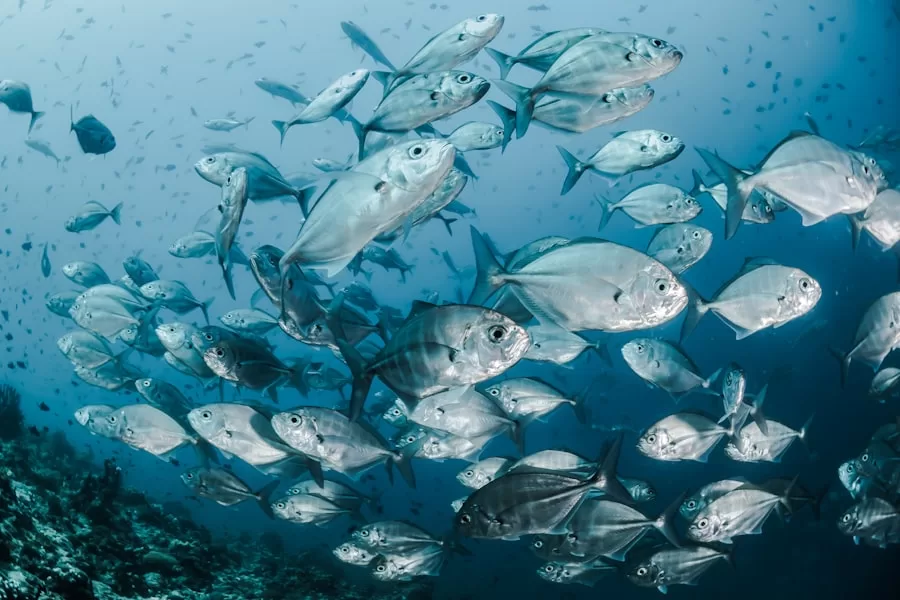

Canned tuna is a popular and convenient seafood option that has been a staple in many households for decades. Tuna is a type of saltwater fish that belongs to the mackerel family. It is known for its mild flavor and versatility, making it a favorite ingredient in a wide variety of dishes. Canned tuna is a convenient way to enjoy this nutritious fish, as it is readily available, affordable, and has a long shelf life. It is a great source of lean protein, omega-3 fatty acids, and essential nutrients, making it a healthy addition to any diet. Whether you enjoy it in sandwiches, salads, or casseroles, canned tuna is a versatile ingredient that can be used in countless recipes.
Health Benefits of Canned Tuna
Canned tuna is not only convenient and delicious but also packed with essential nutrients that offer numerous health benefits. One of the key nutritional benefits of canned tuna is its high protein content. Protein is essential for building and repairing tissues in the body, making it an important component of a healthy diet. Additionally, canned tuna is a rich source of omega-3 fatty acids, which are known for their heart-healthy properties. Omega-3 fatty acids have been shown to reduce the risk of heart disease, lower blood pressure, and improve overall cardiovascular health. Furthermore, canned tuna is a good source of vitamins and minerals, including vitamin D, B vitamins, and selenium. Vitamin D is important for bone health and immune function, while selenium acts as an antioxidant and supports thyroid function. With its impressive nutritional profile, canned tuna is a healthy and convenient option for adding essential nutrients to your diet.
In addition to its nutritional benefits, canned tuna is also low in calories and fat, making it an ideal choice for those looking to maintain a healthy weight. It is a lean source of protein that can help you feel full and satisfied, making it easier to control your calorie intake. Furthermore, canned tuna is a convenient way to incorporate seafood into your diet, as it eliminates the need for fresh fish and can be stored for long periods of time. This makes it easier for individuals to meet the recommended intake of seafood, which is associated with numerous health benefits, including a reduced risk of chronic diseases such as heart disease and stroke. Overall, canned tuna offers a convenient and affordable way to enjoy the health benefits of seafood without sacrificing taste or nutrition.
Factors to Consider When Choosing Canned Tuna
When choosing canned tuna, there are several factors to consider to ensure that you are selecting the healthiest and most sustainable option. One important consideration is the type of tuna used in the can. There are several species of tuna commonly used for canning, including albacore, skipjack, yellowfin, and bigeye. Albacore tuna tends to have a higher mercury content compared to other species, so it may be best to consume it in moderation, especially for pregnant women and young children. Skipjack tuna is often considered a more sustainable option, as it is abundant in the wild and reproduces at a faster rate than other species. Additionally, it has lower levels of mercury compared to albacore tuna.
Another important factor to consider when choosing canned tuna is the fishing method used. Tuna can be caught using methods that have varying levels of impact on the environment and other marine species. Pole-and-line fishing and trolling are considered more sustainable methods that result in lower levels of bycatch compared to methods such as longlining or purse seining. Bycatch refers to the unintentional capture of non-target species, which can have negative impacts on marine ecosystems. Choosing canned tuna that has been caught using more sustainable fishing methods can help support responsible fishing practices and minimize environmental impact.
Furthermore, it is important to consider the packaging of canned tuna. BPA (bisphenol A) is a chemical commonly used in the lining of metal cans to prevent corrosion and contamination of food. However, there are concerns about the potential health risks associated with BPA exposure, as it has been linked to hormone disruption and other adverse health effects. To minimize exposure to BPA, look for canned tuna that is labeled as BPA-free or packaged in alternative materials such as glass jars or pouches.
Comparison of Different Canned Tuna Brands
“`html
| Brand | Price | Net Weight | Protein per serving | Omega-3 Fatty Acids |
|---|---|---|---|---|
| Brand A | 2.99 | 5 oz | 20g | 300mg |
| Brand B | 3.49 | 6 oz | 22g | 250mg |
| Brand C | 2.79 | 4.5 oz | 18g | 350mg |
“`
There are numerous brands of canned tuna available on the market, each offering different varieties and packaging options. When comparing different canned tuna brands, it is important to consider factors such as sustainability, quality, and taste. Some popular brands that offer canned tuna include Wild Planet, Safe Catch, Bumble Bee, and Starkist.
Wild Planet is known for its commitment to sustainability and offers a range of canned tuna products that are pole-and-line caught and certified by the Marine Stewardship Council (MSC). Their products are also packed in BPA-free cans, making them a healthy and environmentally friendly option. Safe Catch is another brand that focuses on sustainability and offers canned tuna that is low in mercury and sustainably caught. They use strict testing methods to ensure that their products meet the lowest mercury levels of any brand.
Bumble Bee and Starkist are more widely available brands that offer a variety of canned tuna options at different price points. While these brands may not always prioritize sustainability as much as some other brands, they still offer convenient and affordable options for consumers. When comparing different canned tuna brands, it is important to consider factors such as sustainability certifications, fishing methods, mercury levels, and packaging materials to make an informed decision about which brand aligns with your values and preferences.
The Importance of Sustainable and Ethical Tuna Fishing
Sustainable and ethical tuna fishing practices are crucial for preserving marine ecosystems and ensuring the long-term viability of tuna populations. Tuna are highly migratory fish that travel long distances across oceans, making them vulnerable to overfishing and habitat destruction. Irresponsible fishing practices such as overfishing, destructive fishing methods, and bycatch can have detrimental effects on tuna populations as well as other marine species.
One key aspect of sustainable tuna fishing is the use of responsible fishing methods that minimize bycatch and environmental impact. Pole-and-line fishing and trolling are considered more sustainable methods that target specific species without causing significant harm to other marine life. These methods also support local economies by providing employment opportunities for small-scale fishermen in coastal communities.
In addition to responsible fishing methods, sustainable tuna fishing also involves effective management measures that regulate fishing quotas and protect critical habitats for tuna populations. The implementation of science-based fisheries management plans can help prevent overfishing and ensure that tuna stocks remain at healthy levels for future generations.
Furthermore, consumers play a crucial role in promoting sustainable and ethical tuna fishing practices by making informed purchasing decisions. By choosing canned tuna products that are certified by reputable organizations such as the Marine Stewardship Council (MSC) or Dolphin Safe, consumers can support brands that adhere to strict sustainability standards and promote responsible fishing practices.
Creative and Healthy Recipes Using Canned Tuna
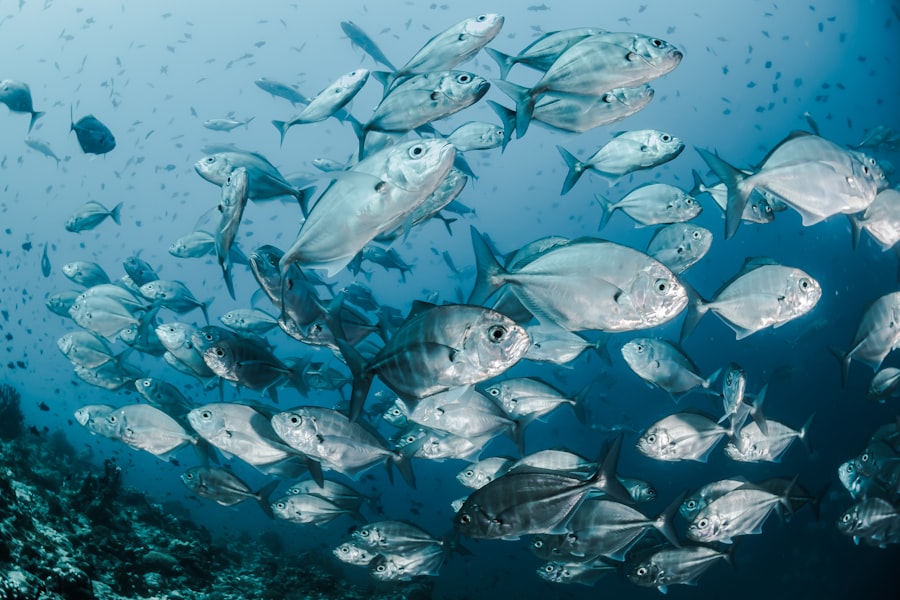
Canned tuna is a versatile ingredient that can be used in a wide variety of creative and healthy recipes. Whether you prefer salads, sandwiches, pasta dishes, or casseroles, there are countless ways to incorporate canned tuna into your meals. One popular way to enjoy canned tuna is in a classic tuna salad. Simply mix canned tuna with mayonnaise or Greek yogurt, chopped celery, red onion, and seasonings such as salt, pepper, and lemon juice. This simple yet delicious salad can be enjoyed on its own or served on top of a bed of greens or whole grain bread.
Another creative way to use canned tuna is in pasta dishes such as tuna casserole or tuna pasta salad. Combine cooked pasta with canned tuna, vegetables such as peas or bell peppers, and a creamy sauce made from ingredients like Greek yogurt or cheese. This hearty dish can be baked for a comforting casserole or served cold as a refreshing pasta salad.
For those looking for lighter options, canned tuna can also be used in lettuce wraps or stuffed into avocados for a nutritious and satisfying meal. Additionally, canned tuna can be added to omelets, frittatas, or quiches for a protein-packed breakfast or brunch option.
Incorporating canned tuna into your meals not only adds delicious flavor but also provides essential nutrients such as protein and omega-3 fatty acids. By experimenting with different recipes and flavor combinations, you can discover new ways to enjoy the versatility of canned tuna while promoting a healthy and balanced diet.
Conclusion and Recommendations for the Healthiest Canned Tuna Options
In conclusion, canned tuna is a convenient and nutritious seafood option that offers numerous health benefits when consumed as part of a balanced diet. It is a rich source of lean protein, omega-3 fatty acids, vitamins, and minerals that support overall health and well-being. When choosing canned tuna, it is important to consider factors such as the type of tuna used, fishing methods, packaging materials, and sustainability certifications to ensure that you are selecting the healthiest and most environmentally friendly option.
Some recommendations for the healthiest canned tuna options include choosing brands that prioritize sustainability and ethical fishing practices such as Wild Planet or Safe Catch. Look for products that are certified by reputable organizations such as the Marine Stewardship Council (MSC) or Dolphin Safe to ensure that they meet strict sustainability standards. Additionally, opt for canned tuna that is low in mercury and packaged in BPA-free cans or alternative materials such as glass jars or pouches.
By making informed purchasing decisions and exploring creative recipes using canned tuna, you can enjoy the delicious flavor and nutritional benefits of this versatile ingredient while supporting responsible fishing practices and environmental conservation efforts. Whether you prefer classic dishes like tuna salad or innovative recipes like tuna-stuffed avocados, canned tuna offers endless possibilities for incorporating healthy and sustainable seafood into your meals.
Looking for a healthy and convenient meal option? Look no further than canned tuna! Packed with protein and omega-3 fatty acids, it’s a great addition to your diet. And if you’re looking for more ways to boost your health, check out these energizing breakfast juice recipes to try. These nutritious juices are a perfect complement to your tuna dish, providing you with a well-rounded and satisfying meal. Learn more about these energizing breakfast juice recipes here.