
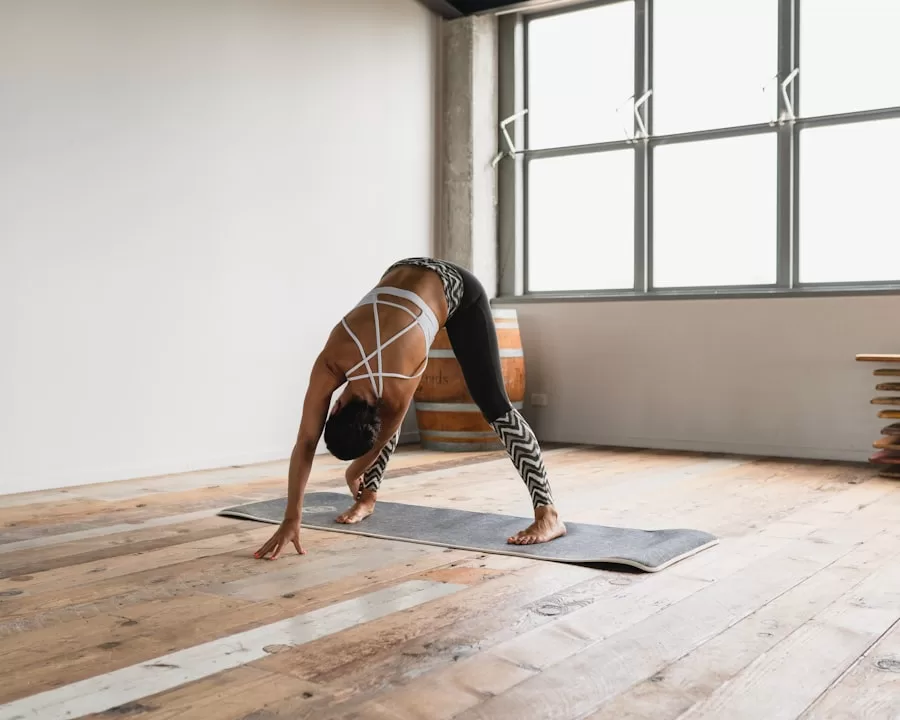

Hip pain can be a debilitating condition that affects people of all ages and lifestyles. It can be caused by a variety of factors, including injury, overuse, arthritis, and muscle imbalances. The hip joint is a ball-and-socket joint that allows for a wide range of motion, and when it becomes inflamed or injured, it can lead to significant discomfort and limited mobility. Common symptoms of hip pain include aching in the hip, groin, or thigh, stiffness, and difficulty walking or performing daily activities. It’s important to understand the underlying cause of hip pain in order to effectively manage and treat it. Seeking medical advice and diagnosis from a healthcare professional is crucial in order to develop a comprehensive treatment plan.
Hip pain can be caused by a variety of factors, including muscle strains, ligament sprains, tendonitis, bursitis, arthritis, and hip fractures. It can also be exacerbated by poor posture, overuse, and muscle imbalances. Understanding the root cause of hip pain is essential in order to effectively manage and treat it. In some cases, hip pain may be a result of referred pain from the lower back or pelvis, making it important to address any underlying issues in those areas as well. By understanding the specific cause of hip pain, individuals can work with healthcare professionals to develop a targeted treatment plan that may include physical therapy, medication, lifestyle modifications, and alternative therapies such as yoga.
Key Takeaways
- Hip pain can be caused by various factors such as injury, arthritis, or overuse, and can greatly impact daily activities.
- Yoga can help alleviate hip pain by improving flexibility, strength, and circulation in the hip area.
- When practicing yoga with hip pain, it is important to listen to your body, avoid overstretching, and use props for support if needed.
- Yoga poses such as pigeon pose, bridge pose, and reclined bound angle pose can help relieve hip pain and improve mobility.
- Standing poses like warrior II, triangle pose, and tree pose can help strengthen the hips and improve stability and balance.
Benefits of Yoga for Hip Pain
Yoga has been shown to be an effective and gentle way to manage hip pain and improve overall hip health. The practice of yoga focuses on stretching, strengthening, and aligning the body, which can help alleviate tension and discomfort in the hips. Yoga poses can help increase flexibility and range of motion in the hip joint, while also strengthening the surrounding muscles for better support and stability. Additionally, yoga can help improve posture and alignment, which can reduce strain on the hips and prevent future discomfort. The mindful breathing techniques used in yoga can also help reduce stress and tension in the body, which can contribute to hip pain.
One of the key benefits of yoga for hip pain is its ability to target both the physical and mental aspects of discomfort. The practice of yoga encourages individuals to tune into their bodies and become more aware of their movements and sensations. This increased body awareness can help individuals identify areas of tension or imbalance in the hips and work towards releasing and realigning those areas. Furthermore, the relaxation and stress-reducing benefits of yoga can help alleviate any emotional or psychological stress that may be contributing to hip pain. By incorporating yoga into a comprehensive treatment plan for hip pain, individuals can experience improved flexibility, strength, and overall well-being.
Precautions and Tips for Practicing Yoga with Hip Pain
While yoga can be a beneficial practice for managing hip pain, it’s important to approach it with caution and mindfulness. Individuals with hip pain should consult with a healthcare professional before starting a yoga practice to ensure that it is safe and appropriate for their condition. It’s important to communicate with yoga instructors about any limitations or discomfort in the hips so that they can provide modifications and guidance for a safe practice. When practicing yoga with hip pain, it’s important to listen to the body and avoid pushing through sharp or intense discomfort. Instead, focus on gentle movements and gradual progression to avoid exacerbating the pain.
When practicing yoga with hip pain, it’s important to choose poses that are gentle and supportive for the hips. Avoid poses that require deep external rotation or flexion of the hips, as these movements may aggravate discomfort. Instead, focus on poses that gently stretch and strengthen the hips while maintaining proper alignment and stability. Using props such as blocks, straps, and bolsters can also provide additional support and comfort during yoga practice. Additionally, incorporating mindfulness techniques such as deep breathing and meditation can help individuals stay present and connected to their bodies during practice, allowing them to make adjustments as needed to avoid strain on the hips.
Yoga Poses for Hip Pain Relief
| Yoga Pose | Description | Benefits |
|---|---|---|
| Pigeon Pose | Lie on your back, bend your knees and place your right ankle over your left knee. Lift your left foot off the ground and bring your hands through the space between your legs. Hold for a few breaths and then switch sides. | Stretches the hip flexors and piriformis muscles, helps relieve tension in the hips |
| Bound Angle Pose | Sit on the floor, bend your knees and bring the soles of your feet together. Hold your feet with your hands and gently press your knees towards the ground. | Opens up the hips, stretches the inner thighs and groin area |
| Low Lunge | From a standing position, step one foot back and lower your back knee to the ground. Keep your front knee directly above your ankle and sink your hips down towards the ground. | Stretches the hip flexors, opens up the front of the hips |
There are several yoga poses that can help alleviate hip pain and improve overall hip health. These poses focus on stretching, strengthening, and releasing tension in the hips while promoting proper alignment and stability. Some beneficial yoga poses for hip pain relief include:
– Pigeon Pose: This pose is a deep hip opener that stretches the outer hips and glutes while promoting relaxation and release in the hips.
– Bound Angle Pose: Also known as Baddha Konasana, this pose gently opens the hips and inner thighs while promoting relaxation and ease in the hips.
– Reclining Hand-to-Big-Toe Pose: This pose stretches the hamstrings and outer hips while providing support for the lower back and hips.
– Supine Figure Four Stretch: This pose targets the outer hips and glutes while providing support for the lower back and hips.
These poses can be practiced with the support of props such as blocks, bolsters, and straps to provide additional comfort and stability for individuals with hip pain. It’s important to approach these poses with mindfulness and awareness of any discomfort or limitations in the hips, making modifications as needed to ensure a safe and effective practice.
Standing Poses for Hip Pain Relief
Standing yoga poses can be beneficial for individuals with hip pain as they help improve strength, stability, and alignment in the hips while promoting overall balance and mobility. These poses focus on engaging the muscles of the legs and hips while promoting proper alignment and support for the hip joint. Some standing poses that can help alleviate hip pain include:
– Warrior II Pose: This pose strengthens the legs and hips while promoting proper alignment and stability in the hip joint.
– Triangle Pose: Also known as Trikonasana, this pose stretches the hips and hamstrings while promoting lengthening and release in the hips.
– Tree Pose: This pose helps improve balance and stability in the hips while strengthening the muscles of the legs and hips.
These standing poses can be practiced with the support of props such as blocks or a wall to provide additional stability for individuals with hip pain. It’s important to approach these poses with mindfulness and awareness of any discomfort or limitations in the hips, making modifications as needed to ensure a safe and effective practice.
Seated Poses for Hip Pain Relief
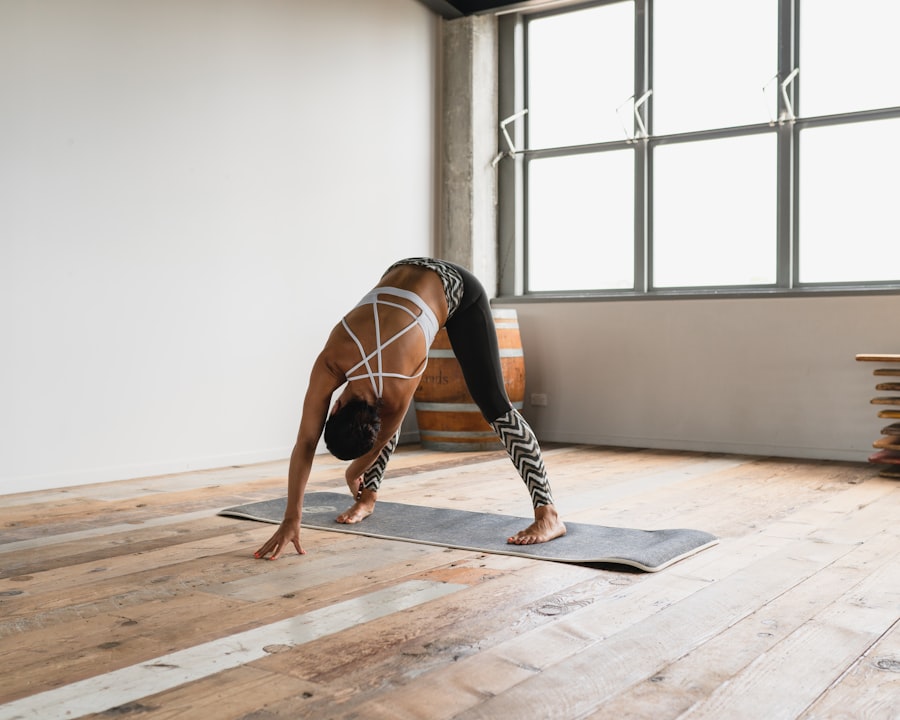
Seated yoga poses can be beneficial for individuals with hip pain as they help improve flexibility, mobility, and relaxation in the hips while promoting overall comfort and ease. These poses focus on stretching and releasing tension in the hips while promoting proper alignment and support for the hip joint. Some seated poses that can help alleviate hip pain include:
– Seated Forward Fold: This pose stretches the hamstrings and lower back while promoting relaxation and release in the hips.
– Cow Face Pose: Also known as Gomukhasana, this pose stretches the outer hips while promoting relaxation and ease in the hips.
– Half Pigeon Pose: This pose is a modified version of Pigeon Pose that provides a gentler stretch for individuals with hip pain.
These seated poses can be practiced with the support of props such as bolsters or blankets to provide additional comfort and support for individuals with hip pain. It’s important to approach these poses with mindfulness and awareness of any discomfort or limitations in the hips, making modifications as needed to ensure a safe and effective practice.
Restorative Poses for Hip Pain Relief
Restorative yoga poses can be beneficial for individuals with hip pain as they help promote relaxation, release tension, and improve overall comfort in the hips. These poses focus on gentle stretching, support, and relaxation in order to alleviate discomfort in the hips while promoting a sense of ease and well-being. Some restorative poses that can help alleviate hip pain include:
– Supported Bridge Pose: This pose provides gentle stretching for the hips while promoting relaxation and release in the lower back.
– Supported Child’s Pose: This pose promotes relaxation and release in the hips while providing support for individuals with hip pain.
– Legs-Up-The-Wall Pose: This pose promotes relaxation and release in the hips while improving circulation and reducing tension in the lower body.
These restorative poses can be practiced with the support of props such as bolsters, blankets, or pillows to provide additional comfort and support for individuals with hip pain. It’s important to approach these poses with mindfulness and awareness of any discomfort or limitations in the hips, making modifications as needed to ensure a safe and effective practice.
In conclusion, yoga can be a valuable tool for managing hip pain by promoting flexibility, strength, alignment, relaxation, and overall well-being in the hips. By understanding the underlying causes of hip pain, individuals can work with healthcare professionals to develop a targeted treatment plan that may include yoga as part of a comprehensive approach to managing discomfort in the hips. With caution, mindfulness, and appropriate modifications, individuals with hip pain can safely practice yoga to experience relief from discomfort while improving their overall hip health.
If you’re looking for ways to relieve sore hips, practicing yoga poses can be incredibly beneficial. In addition to yoga, another important aspect of overall well-being is getting a restful night’s sleep. Check out this insightful article on healthy tips for a restful night’s sleep to learn more about the importance of quality sleep and how it can contribute to alleviating discomfort in the hips.