

When it comes to weight loss, understanding the basics of nutrition is crucial. It’s not just about cutting calories, but also about making sure you’re getting the right nutrients to support your body’s needs. This means focusing on a balanced diet that includes a variety of food groups such as fruits, vegetables, lean proteins, whole grains, and healthy fats. It’s important to pay attention to portion sizes and to limit the intake of processed foods, sugary drinks, and high-fat snacks. Additionally, being mindful of your macronutrient intake, such as carbohydrates, proteins, and fats, can help you make informed choices about what to eat.
Furthermore, it’s essential to understand the role of calories in weight loss. To lose weight, you need to create a calorie deficit, which means consuming fewer calories than your body needs to maintain its current weight. This can be achieved through a combination of diet and exercise. However, it’s important to note that not all calories are created equal. While it’s important to monitor your overall calorie intake, it’s also crucial to focus on the quality of the calories you consume. For example, 100 calories from a piece of fruit will have a different impact on your body than 100 calories from a sugary snack. By understanding the basics of nutrition and how it relates to weight loss, you can make informed choices about your diet and set yourself up for success in reaching your goals.
Creating a Balanced and Nutrient-Dense Meal Plan
Creating a balanced and nutrient-dense meal plan is essential for supporting weight loss and overall health. A well-rounded meal plan should include a variety of nutrient-dense foods that provide essential vitamins, minerals, and antioxidants. This means incorporating plenty of fruits and vegetables, which are rich in fiber and low in calories, making them an excellent choice for weight loss. Additionally, including lean proteins such as chicken, fish, tofu, or legumes can help support muscle growth and repair while keeping you feeling full and satisfied. Whole grains like quinoa, brown rice, and oats are also important for providing sustained energy and essential nutrients.
Furthermore, it’s important to include healthy fats in your meal plan, such as avocados, nuts, seeds, and olive oil. These fats are essential for supporting overall health and can help keep you feeling full and satisfied. When creating a meal plan for weight loss, it’s important to pay attention to portion sizes and to avoid mindless eating. Planning out your meals and snacks ahead of time can help you make healthier choices and avoid reaching for unhealthy options when hunger strikes. By creating a balanced and nutrient-dense meal plan, you can support your weight loss goals while ensuring that your body is getting the essential nutrients it needs to function optimally.
Incorporating Regular Physical Activity into Your Routine
Incorporating regular physical activity into your routine is essential for supporting weight loss and overall health. Exercise not only helps burn calories but also supports muscle growth, improves cardiovascular health, and boosts mood and energy levels. When it comes to weight loss, a combination of cardiovascular exercise, strength training, and flexibility exercises can help you achieve optimal results. Cardiovascular exercise such as walking, running, cycling, or swimming can help burn calories and improve heart health. Strength training exercises such as lifting weights or using resistance bands can help build lean muscle mass, which can increase your metabolism and support weight loss. Additionally, incorporating flexibility exercises such as yoga or stretching can help improve mobility and prevent injury.
It’s important to find physical activities that you enjoy and that fit into your lifestyle. Whether it’s going for a walk with a friend, taking a dance class, or joining a sports team, finding activities that you enjoy can help make exercise feel less like a chore and more like a fun and rewarding part of your day. Additionally, finding ways to incorporate more movement into your daily routine, such as taking the stairs instead of the elevator or parking farther away from your destination, can help increase your overall activity level. By incorporating regular physical activity into your routine, you can support your weight loss goals while improving your overall health and well-being.
Mindful Eating and Portion Control
| Metrics | Results |
|---|---|
| Number of mindful eating sessions per week | 5 |
| Portion control success rate | 80% |
| Weight loss (in pounds) due to mindful eating | 10 |
| Reduction in binge eating episodes | 50% |
Mindful eating and portion control are important aspects of supporting weight loss. Mindful eating involves paying attention to the sensations of hunger and fullness, as well as being aware of the taste, texture, and satisfaction of the food you’re eating. By practicing mindful eating, you can become more in tune with your body’s hunger cues and make more informed choices about when and what to eat. This can help prevent overeating and emotional eating while promoting a healthier relationship with food.
Portion control is also crucial for managing calorie intake and supporting weight loss. It’s easy to underestimate portion sizes, especially when eating out or snacking mindlessly. By measuring out serving sizes and being mindful of portion control, you can better manage your calorie intake and prevent overeating. Additionally, using smaller plates and bowls can help create the illusion of larger portions while still controlling calorie intake.
By practicing mindful eating and portion control, you can support your weight loss goals while developing a healthier relationship with food. Being more aware of what you’re eating and how much you’re consuming can help you make more informed choices about your diet while preventing overeating and promoting a more balanced approach to eating.
Managing Stress and Emotional Eating
Managing stress and emotional eating is an important aspect of supporting weight loss. Many people turn to food for comfort or as a way to cope with stress or difficult emotions. However, emotional eating can lead to overeating and unhealthy food choices, which can hinder weight loss efforts. Finding healthy ways to manage stress and cope with emotions can help prevent emotional eating while supporting overall well-being.
One way to manage stress and emotional eating is by finding alternative coping mechanisms such as exercise, meditation, or talking to a friend or therapist. Engaging in regular physical activity can help reduce stress levels and improve mood while providing a healthy outlet for emotions. Additionally, practicing mindfulness techniques such as deep breathing or meditation can help calm the mind and reduce the urge to turn to food for comfort.
It’s also important to create a supportive environment that promotes healthy habits and positive coping mechanisms. Surrounding yourself with supportive friends and family members who understand your goals and can provide encouragement can make a big difference in managing stress and emotional eating. By finding healthy ways to manage stress and emotions, you can support your weight loss goals while improving your overall well-being.
The Importance of Hydration for Weight Loss
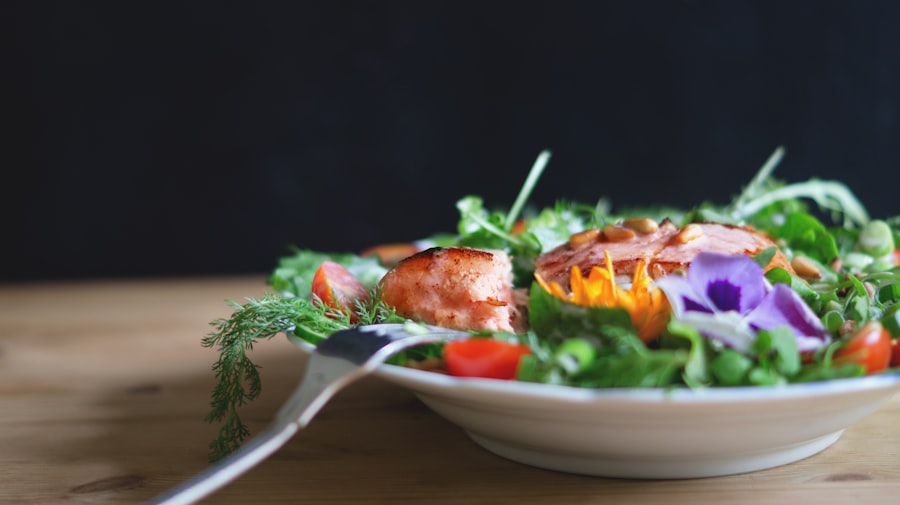
The importance of hydration for weight loss cannot be overstated. Staying properly hydrated is essential for supporting overall health and well-being while also promoting weight loss. Drinking an adequate amount of water each day can help boost metabolism, reduce appetite, and support proper digestion. Additionally, staying hydrated can help prevent overeating by reducing the likelihood of confusing thirst with hunger.
Incorporating hydrating foods such as fruits and vegetables into your diet can also contribute to overall hydration levels. Foods with high water content such as cucumbers, watermelon, and oranges can help contribute to your daily fluid intake while providing essential nutrients.
It’s important to pay attention to your body’s signals for thirst and to make a conscious effort to drink water throughout the day. Carrying a reusable water bottle with you can serve as a reminder to stay hydrated while making it easier to reach for water when you’re on the go. By prioritizing hydration as part of your weight loss journey, you can support your overall health while promoting optimal conditions for reaching your goals.
Seeking Professional Guidance from a Registered Dietitian or Nutritionist
Seeking professional guidance from a registered dietitian or nutritionist can be incredibly beneficial for supporting weight loss goals. A qualified professional can provide personalized recommendations based on your individual needs and goals while helping you navigate the often overwhelming world of nutrition advice.
A registered dietitian or nutritionist can help create a customized meal plan that takes into account your dietary preferences, lifestyle factors, and any underlying health conditions. They can also provide education on portion control, mindful eating practices, and how to make healthier food choices that support weight loss.
Additionally, working with a professional can provide accountability and support throughout your weight loss journey. They can help track progress, make adjustments to your plan as needed, and provide motivation when faced with challenges or setbacks.
Overall, seeking professional guidance from a registered dietitian or nutritionist can provide valuable support in reaching your weight loss goals while ensuring that you’re making informed choices about your diet and lifestyle. Their expertise can help set you up for long-term success in achieving and maintaining a healthy weight.
If you’re looking for more tips on how to improve your nutrition, check out this article on the nutritional benefits of eating seasonal foods. Eating foods that are in season can provide a variety of health benefits and can also help with weight loss.