

Rosacea is a common skin condition that primarily affects the face, causing redness, visible blood vessels, and small, red, pus-filled bumps. It can also cause eye irritation and thickening of the skin. The exact cause of rosacea is unknown, but it is believed to be a combination of genetic and environmental factors. Some triggers for rosacea flare-ups include sun exposure, hot or spicy foods, alcohol, stress, and certain medications. The symptoms of rosacea can vary from person to person, but common signs include facial redness, swollen red bumps, visible blood vessels, and eye irritation. It can also cause a burning or stinging sensation on the skin and may lead to dry, rough, or scaly patches.
Rosacea can be a frustrating and embarrassing condition to deal with, as it can affect a person’s self-esteem and confidence. It is important to understand the causes and symptoms of rosacea in order to effectively manage and treat the condition. By identifying triggers and understanding the underlying factors contributing to rosacea, individuals can take steps to minimize flare-ups and improve their overall skin health.
Natural Ingredients for Soothing Rosacea
There are several natural ingredients that have been found to be effective in soothing the symptoms of rosacea. One such ingredient is green tea, which contains anti-inflammatory properties that can help reduce redness and irritation. Another natural ingredient is aloe vera, which has cooling and soothing properties that can help calm inflamed skin. Chamomile is also known for its anti-inflammatory and calming effects on the skin, making it a popular choice for those with rosacea. Additionally, oatmeal has been found to be beneficial for soothing irritated skin, as it contains anti-inflammatory properties and can help relieve itching and redness.
Incorporating these natural ingredients into skincare products or using them in DIY remedies can help individuals with rosacea manage their symptoms and improve the overall health of their skin. It is important to note that while these natural ingredients can be beneficial for soothing rosacea, it is always best to consult with a dermatologist before trying new products or remedies to ensure they are safe and suitable for individual skin types.
DIY Remedies for Rosacea Flare-Ups
For those experiencing a rosacea flare-up, there are several DIY remedies that can help soothe the skin and reduce redness and irritation. One popular remedy is a cold compress, which can help constrict blood vessels and reduce inflammation. Simply soak a clean cloth in cold water and apply it to the affected area for 15-20 minutes. Another effective DIY remedy is a honey mask, as honey has natural antibacterial and anti-inflammatory properties that can help calm irritated skin. Simply apply a thin layer of raw honey to the affected area and leave it on for 15-20 minutes before rinsing off with warm water.
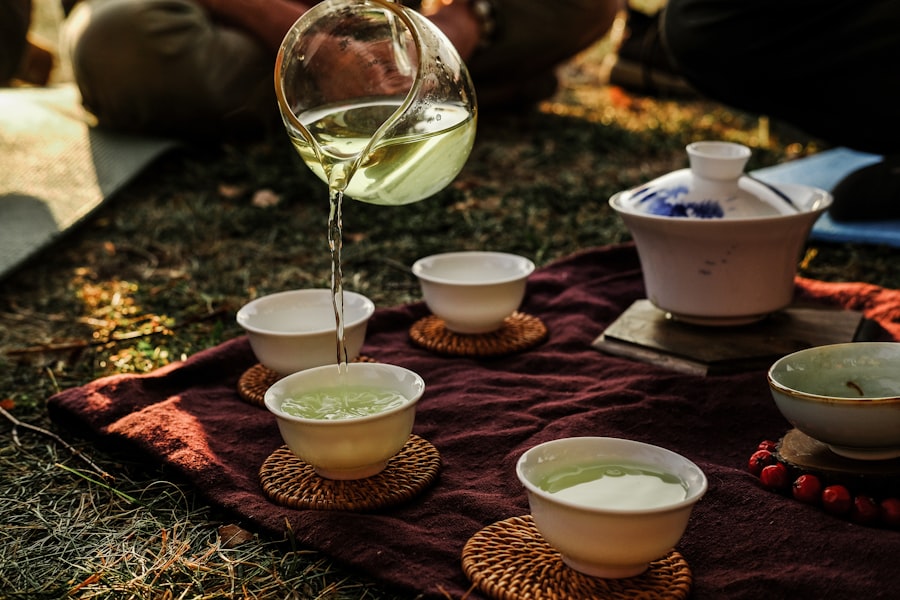
Additionally, incorporating green tea into a skincare routine can help soothe rosacea flare-ups. Brew a cup of green tea, allow it to cool, and then apply it to the affected area using a cotton ball. Green tea contains antioxidants and anti-inflammatory properties that can help reduce redness and irritation. Finally, incorporating oatmeal into a gentle exfoliating scrub can help remove dead skin cells and soothe irritated skin. Mix ground oatmeal with water to create a paste, gently massage it onto the skin, and then rinse off with warm water.
Lifestyle Changes to Manage Rosacea
| Change | Effect |
|---|---|
| Avoiding triggers | Reduces flare-ups |
| Using gentle skincare products | Minimizes irritation |
| Protecting from sun exposure | Prevents worsening of symptoms |
| Eating a healthy diet | Supports overall skin health |
| Managing stress | Reduces likelihood of flare-ups |
Making certain lifestyle changes can help individuals manage their rosacea symptoms and minimize flare-ups. One important change is to protect the skin from sun exposure by wearing sunscreen with at least SPF 30 daily and seeking shade during peak sun hours. It is also important to avoid hot showers or baths, as hot water can exacerbate rosacea symptoms. Instead, opt for lukewarm water when washing the face or showering.
In addition, individuals with rosacea should be mindful of their diet and avoid trigger foods such as spicy foods, hot beverages, alcohol, and foods high in histamines. Stress management techniques such as yoga, meditation, or deep breathing exercises can also be beneficial in managing rosacea symptoms, as stress is a common trigger for flare-ups. Finally, choosing skincare products that are gentle and non-irritating can help minimize irritation and inflammation in individuals with rosacea.
Herbal Supplements for Rosacea
There are several herbal supplements that have been found to be beneficial for managing rosacea symptoms. One such supplement is licorice root extract, which has anti-inflammatory properties that can help reduce redness and irritation in the skin. Another herbal supplement is feverfew, which has been found to have anti-inflammatory effects that may help soothe rosacea symptoms. Additionally, turmeric supplements have been found to be beneficial for reducing inflammation in the body, which may help improve rosacea symptoms.
It is important to note that while herbal supplements can be beneficial for managing rosacea symptoms, it is essential to consult with a healthcare professional before incorporating them into a daily routine. Some herbal supplements may interact with medications or have side effects, so it is important to ensure they are safe for individual use.
Tips for Preventing Rosacea Flare-Ups
Preventing rosacea flare-ups involves identifying triggers and taking steps to minimize exposure to them. Keeping a diary of flare-ups can help individuals identify common triggers such as certain foods, environmental factors, or stressors. Once triggers are identified, individuals can take steps to avoid or minimize exposure to them in order to prevent flare-ups.
In addition to avoiding triggers, individuals with rosacea should establish a gentle skincare routine that includes non-irritating products and minimal exfoliation. It is also important to protect the skin from sun exposure by wearing sunscreen daily and seeking shade during peak sun hours. Finally, managing stress through relaxation techniques such as yoga, meditation, or deep breathing exercises can help prevent flare-ups in individuals with rosacea.
When to Seek Professional Help for Rosacea
While there are many home remedies and lifestyle changes that can help manage rosacea symptoms, it is important to seek professional help if symptoms persist or worsen. A dermatologist can provide an accurate diagnosis of rosacea and recommend appropriate treatment options based on individual needs. Prescription medications such as topical creams or oral antibiotics may be necessary for more severe cases of rosacea.
In addition to medical treatment, individuals with rosacea may benefit from laser therapy or other medical procedures to reduce redness and visible blood vessels on the face. It is important to seek professional help if symptoms are impacting quality of life or causing significant discomfort. A dermatologist can provide personalized treatment options and ongoing support for managing rosacea symptoms effectively.
If you’re looking for natural ways to reduce rosacea, you might also be interested in exploring healthy juice recipes that taste like dessert. Juicing can be a great way to incorporate more fruits and vegetables into your diet, which can have a positive impact on your skin health. Check out this article on healthy juice recipes that taste like dessert for some delicious and nutritious ideas to support your skin from the inside out.