


Healthy eating is crucial for weight loss and overall well-being. It provides the body with the necessary nutrients, helps control calorie intake, and promotes a healthy metabolism. In this blog post, we will explore the basics of healthy eating for weight loss and discuss the importance of incorporating the right foods into your diet plan. We will also delve into the significance of portion control, the role of water in weight loss, the benefits of meal prep, and the importance of exercise and mindful eating. By understanding these concepts and implementing them into your lifestyle, you can achieve long-term weight loss success.
Understanding the Basics of Healthy Eating for Weight Loss
Healthy eating involves consuming a balanced diet that includes a variety of nutrient-dense foods. It focuses on providing the body with essential vitamins, minerals, and macronutrients while limiting the intake of unhealthy fats, added sugars, and processed foods. When it comes to weight loss, healthy eating plays a crucial role. By choosing nutritious foods and controlling portion sizes, you can create a calorie deficit that leads to weight loss.
The relationship between healthy eating and weight loss is multifaceted. Firstly, consuming nutrient-dense foods helps satisfy hunger and keeps you feeling fuller for longer periods. This reduces the likelihood of overeating or snacking on unhealthy foods. Secondly, healthy eating promotes a healthy metabolism by providing the body with the necessary nutrients to function optimally. This helps burn calories more efficiently and aids in weight loss. Lastly, healthy eating supports overall well-being by reducing the risk of chronic diseases such as obesity, diabetes, and heart disease.
Identifying the Right Foods to Incorporate into Your Diet Plan
Choosing the right foods is essential for weight loss. Nutrient-dense foods provide essential vitamins, minerals, and fiber while being relatively low in calories. These include fruits, vegetables, whole grains, lean proteins, and healthy fats. Incorporating these foods into your diet plan can help you achieve weight loss goals while ensuring your body receives the necessary nutrients for optimal health.
Fruits and vegetables are rich in vitamins, minerals, and fiber. They are low in calories and high in water content, making them filling and satisfying. Whole grains such as brown rice, quinoa, and whole wheat bread provide complex carbohydrates that provide sustained energy and promote satiety. Lean proteins like chicken, fish, tofu, and legumes help build and repair tissues while keeping you full. Healthy fats found in avocados, nuts, and olive oil provide essential fatty acids that support brain function and heart health.
Incorporating the right foods into your diet plan has numerous benefits. Firstly, nutrient-dense foods provide the necessary vitamins and minerals for overall health and well-being. Secondly, these foods are generally lower in calories, allowing you to consume larger portions without exceeding your calorie limit. Lastly, they promote satiety and reduce cravings for unhealthy foods, making it easier to stick to your weight loss plan.
Creating a Balanced Meal Plan for Optimal Weight Loss Results
| Meal | Food Group | Serving Size | Calories | Protein (g) | Carbohydrates (g) | Fat (g) |
|---|---|---|---|---|---|---|
| Breakfast | Grains | 1 cup | 150 | 5 | 30 | 2 |
| Fruit | 1 medium | 80 | 1 | 20 | 0 | |
| Protein | 2 large eggs | 140 | 12 | 1 | 10 | |
| Dairy | 1 cup skim milk | 90 | 8 | 12 | 0 | |
| Lunch | Vegetables | 2 cups | 50 | 2 | 10 | 0 |
| Protein | 3 oz grilled chicken | 140 | 26 | 0 | 3 | |
| Grains | 1/2 cup brown rice | 100 | 2 | 22 | 1 | |
| Fat | 1 tbsp olive oil | 120 | 0 | 0 | 14 | |
| Dinner | Vegetables | 2 cups | 50 | 2 | 10 | 0 |
| Protein | 3 oz grilled salmon | 200 | 22 | 0 | 12 | |
| Grains | 1/2 cup quinoa | 110 | 4 | 20 | 2 | |
| Fat | 1/4 avocado | 80 | 1 | 4 | 7 | |
| Snack | Fruit | 1 medium | 80 | 1 | 20 | 0 |
| Nuts | 1 oz almonds | 160 | 6 | 6 | 14 |
A balanced meal plan is crucial for weight loss success. It involves incorporating the right proportions of macronutrients (carbohydrates, proteins, and fats) into each meal while controlling portion sizes. A balanced meal plan ensures that you are getting all the necessary nutrients while creating a calorie deficit for weight loss.
A balanced meal plan typically includes a source of lean protein (such as chicken or tofu), a serving of whole grains (such as brown rice or quinoa), a variety of vegetables, and a small portion of healthy fats (such as avocado or olive oil). This combination provides a well-rounded meal that is satisfying and nutritious. It is important to control portion sizes to avoid overeating and ensure that you are consuming an appropriate number of calories for weight loss.
A balanced meal plan has several benefits for weight loss. Firstly, it provides the body with a steady supply of energy throughout the day, preventing energy crashes and reducing the likelihood of overeating. Secondly, it ensures that you are getting all the necessary nutrients for optimal health and well-being. Lastly, a balanced meal plan promotes satiety and reduces cravings, making it easier to stick to your weight loss goals.
The Importance of Portion Control in Healthy Eating for Weight Loss
Portion control is a crucial aspect of healthy eating for weight loss. It involves being mindful of the amount of food you consume and controlling portion sizes to ensure that you are not overeating. By practicing portion control, you can create a calorie deficit and achieve weight loss goals.
Portion control is beneficial for weight loss in several ways. Firstly, it helps prevent overeating by providing visual cues and guidelines for appropriate serving sizes. This reduces calorie intake and promotes weight loss. Secondly, portion control allows you to enjoy a variety of foods without feeling deprived. By controlling portion sizes, you can still indulge in your favorite foods while staying within your calorie limit. Lastly, portion control promotes mindful eating by encouraging you to savor each bite and be more aware of your hunger and fullness cues.
There are several strategies for practicing portion control. One method is to use measuring cups or a food scale to accurately measure serving sizes. This helps you become more aware of appropriate portion sizes and prevents overeating. Another strategy is to fill half of your plate with vegetables, one-quarter with lean protein, and one-quarter with whole grains or starchy vegetables. This ensures a balanced meal while controlling portion sizes. Additionally, using smaller plates and bowls can trick your mind into thinking you are consuming more food than you actually are.
How to Incorporate Healthy Snacks into Your Diet Plan
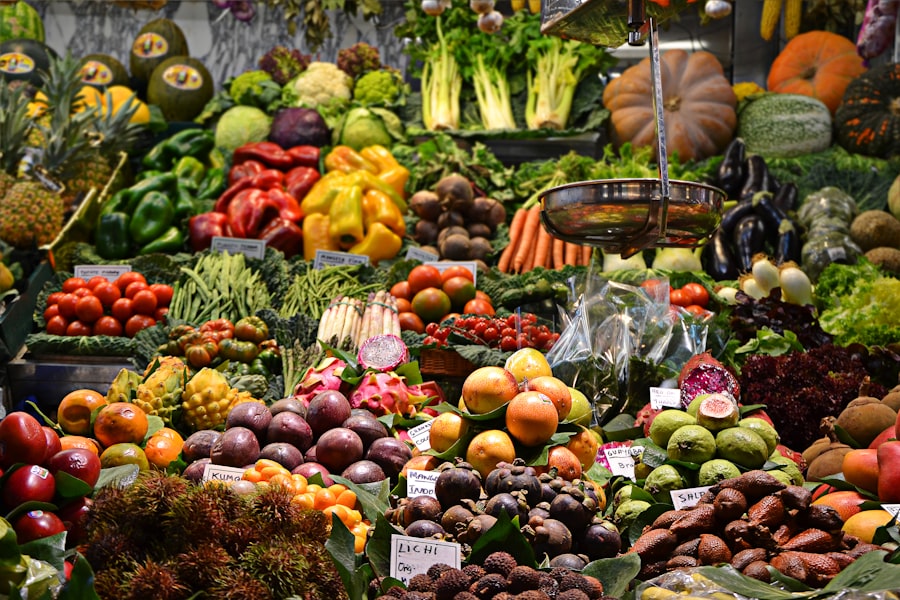
Incorporating healthy snacks into your diet plan is important for weight loss success. Snacking can help control hunger between meals, prevent overeating, and provide the body with necessary nutrients. However, it is important to choose healthy snacks that are low in calories and high in nutrients.
There are several types of healthy snacks that can be incorporated into a diet plan. Fruits and vegetables are excellent options as they are low in calories and high in fiber. They provide essential vitamins and minerals while keeping you full. Greek yogurt, cottage cheese, and nuts are also great choices as they provide protein and healthy fats that promote satiety. Additionally, homemade snacks such as energy balls or veggie sticks with hummus can be nutritious and satisfying.
Incorporating healthy snacks into your diet plan has numerous benefits. Firstly, it helps control hunger between meals, preventing overeating and reducing the likelihood of unhealthy food choices. Secondly, healthy snacks provide essential nutrients that support overall health and well-being. Lastly, snacking can boost metabolism by providing a steady supply of energy throughout the day.
The Role of Water in Weight Loss and Healthy Eating
Water plays a crucial role in weight loss and healthy eating. It is essential for hydration, digestion, metabolism, and overall well-being. Drinking an adequate amount of water can help control appetite, promote satiety, and support weight loss goals.
Drinking water before meals can help control appetite and reduce calorie intake. It provides a sense of fullness, making it easier to eat smaller portions. Additionally, staying hydrated can boost metabolism and increase the number of calories burned throughout the day. Water also plays a vital role in digestion by helping break down food and absorb nutrients.
There are several strategies for incorporating water into your diet plan. One method is to carry a water bottle with you throughout the day and sip on it regularly. This helps ensure that you are staying hydrated and prevents excessive thirst or dehydration. Another strategy is to drink a glass of water before each meal to help control appetite and reduce calorie intake. Additionally, incorporating water-rich foods such as fruits and vegetables into your diet plan can contribute to overall hydration.
The Benefits of Meal Prep for a Successful Weight Loss Journey
Meal prep is a valuable tool for weight loss success. It involves preparing meals and snacks in advance, ensuring that you have healthy options readily available throughout the week. Meal prep saves time, reduces the likelihood of making unhealthy food choices, and promotes portion control.
Meal prep has several benefits for weight loss. Firstly, it saves time by allowing you to prepare meals in advance and have them ready to eat throughout the week. This reduces the likelihood of relying on unhealthy takeout or convenience foods when you are short on time. Secondly, meal prep promotes portion control by pre-portioning meals and snacks into appropriate serving sizes. This helps prevent overeating and ensures that you are consuming an appropriate number of calories for weight loss. Lastly, meal prep allows you to have control over the ingredients and portion sizes of your meals, making it easier to stick to your dietary goals.
There are several strategies for successful meal prep. One method is to set aside a specific day or time each week to plan and prepare your meals. This ensures that you have enough time to shop for ingredients, cook, and portion out your meals. Another strategy is to invest in quality food storage containers that are microwave-safe and leak-proof. This allows you to store your prepped meals safely and conveniently. Additionally, experimenting with different recipes and flavors can help keep your meals interesting and prevent boredom.
How to Incorporate Exercise into Your Healthy Eating Plan
Exercise is a crucial component of a healthy eating plan for weight loss. It helps burn calories, build lean muscle mass, improve cardiovascular health, and boost metabolism. By incorporating exercise into your routine, you can enhance weight loss results and improve overall fitness.
There are different types of exercise that can be incorporated into a healthy eating plan. Cardiovascular exercises such as running, cycling, swimming, or dancing help burn calories and improve cardiovascular health. Strength training exercises such as weightlifting or bodyweight exercises help build lean muscle mass, which increases metabolism and promotes fat loss. Additionally, incorporating activities such as yoga or Pilates can improve flexibility, balance, and overall well-being.
The benefits of incorporating exercise into your healthy eating plan are numerous. Firstly, exercise helps create a calorie deficit by burning calories and increasing energy expenditure. This aids in weight loss and promotes fat loss while preserving lean muscle mass. Secondly, exercise improves cardiovascular health by strengthening the heart and improving circulation. It also reduces the risk of chronic diseases such as obesity, diabetes, and heart disease. Lastly, exercise boosts mood and mental well-being by releasing endorphins and reducing stress.
The Role of Mindful Eating in Healthy Weight Loss
Mindful eating is a practice that involves being fully present and aware of the eating experience. It focuses on paying attention to hunger and fullness cues, savoring each bite, and being aware of the taste, texture, and satisfaction derived from food. By practicing mindful eating, you can develop a healthier relationship with food, prevent overeating, and make more conscious food choices.
Mindful eating has several benefits for weight loss. Firstly, it helps prevent overeating by allowing you to tune in to your body’s hunger and fullness cues. This prevents mindless snacking or emotional eating and promotes portion control. Secondly, mindful eating allows you to savor each bite and fully enjoy the flavors and textures of your food. This can lead to greater satisfaction from smaller portions and reduce the need for excessive calorie consumption. Lastly, mindful eating promotes a healthier relationship with food by encouraging self-compassion, reducing guilt or shame associated with eating, and fostering a positive mindset.
There are several strategies for practicing mindful eating. One method is to eat slowly and savor each bite. This allows you to fully experience the flavors and textures of your food and promotes satiety. Another strategy is to eliminate distractions while eating, such as watching TV or scrolling through your phone. By focusing solely on the eating experience, you can be more aware of your hunger and fullness cues. Additionally, paying attention to the physical sensations of hunger and fullness can help guide your food choices and prevent overeating.
Maintaining a Healthy Eating Plan for Long-Term Weight Loss Success
Maintaining a healthy eating plan is crucial for long-term weight loss success. It involves making sustainable lifestyle changes, being consistent with healthy habits, and finding a balance that works for you. By maintaining a healthy eating plan, you can achieve and sustain your weight loss goals.
There are several strategies for maintaining a healthy eating plan. Firstly, it is important to focus on making sustainable changes rather than following restrictive diets or quick fixes. This involves incorporating healthy habits into your lifestyle that you can maintain in the long run. Secondly, finding a balance that works for you is key. This means allowing yourself occasional indulgences or treats while still prioritizing nutrient-dense foods and portion control. Lastly, being consistent with healthy habits is crucial. This involves planning meals in advance, practicing portion control, staying hydrated, incorporating exercise into your routine, and practicing mindful eating.
Maintaining a healthy eating plan has numerous benefits for long-term weight loss success. Firstly, it helps create sustainable habits that can be maintained in the long run, preventing weight regain or yo-yo dieting. Secondly, it promotes overall health and well-being by providing the body with essential nutrients and reducing the risk of chronic diseases. Lastly, maintaining a healthy eating plan supports mental well-being by fostering a positive relationship with food and promoting self-care.
In conclusion, healthy eating is essential for weight loss and overall well-being. By understanding the basics of healthy eating, identifying the right foods to incorporate into your diet plan, practicing portion control, incorporating healthy snacks, staying hydrated, meal prepping, incorporating exercise, practicing mindful eating, and maintaining a healthy eating plan, you can achieve long-term weight loss success. By making sustainable lifestyle changes and prioritizing your health, you can create a balanced and fulfilling relationship with food while achieving your weight loss goals.
If you’re looking for a normal diet plan for weight loss, you may also be interested in exploring some healthy living tips for seniors. AERNs.com offers a great article on this topic, providing valuable insights and advice on maintaining a healthy lifestyle as we age. From exercise routines to dietary recommendations, this article covers it all. Check it out here and discover how you can make positive changes to support your weight loss goals while also promoting overall well-being.