
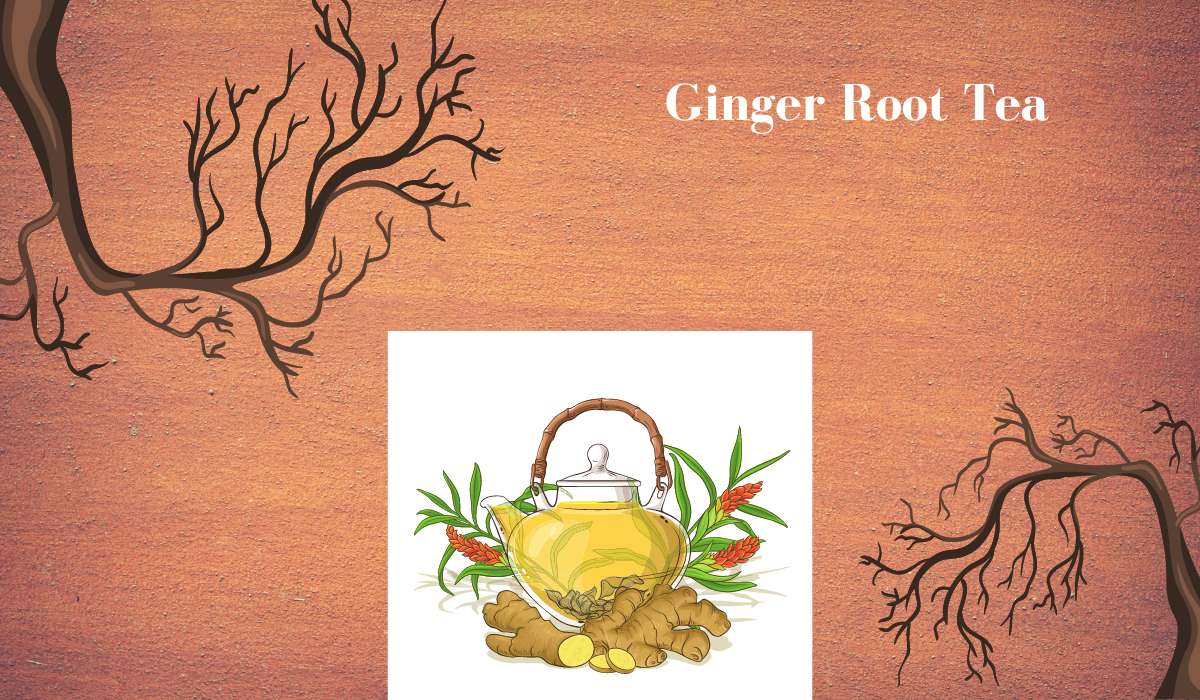

Ginger root tea has a long history of use in traditional medicine and culinary practices. The use of ginger as a medicinal herb dates back thousands of years, with its origins in ancient China and India. It was highly valued for its ability to treat various ailments and improve overall health. Today, ginger root tea continues to be popular for its numerous health benefits and delicious flavor.
Ginger root tea is made from the rhizome of the ginger plant, which is known for its spicy and aromatic properties. The rhizome is peeled, sliced, and steeped in hot water to create a soothing and invigorating beverage. Ginger root tea can be enjoyed hot or cold, and it can be sweetened with honey or lemon for added flavor.
Benefits of Ginger Root Tea for Digestion
One of the most well-known benefits of ginger root tea is its ability to aid digestion. Ginger contains compounds called gingerols and shogaols, which have been shown to stimulate the production of digestive enzymes and increase the movement of food through the digestive tract. This can help alleviate symptoms such as bloating, gas, and indigestion.
Several studies have supported the effectiveness of ginger root tea for digestive issues. A study published in the Journal of Alternative and Complementary Medicine found that ginger root tea significantly reduced nausea and vomiting in pregnant women suffering from morning sickness. Another study published in the European Journal of Gastroenterology & Hepatology showed that ginger root tea improved digestion and reduced symptoms of dyspepsia, such as stomach pain and discomfort.
How Ginger Root Tea Boosts Immunity
In addition to its digestive benefits, ginger root tea also has immune-boosting properties. Ginger contains antioxidants that help protect the body against oxidative stress and inflammation, which can weaken the immune system. Drinking ginger root tea regularly can help strengthen the immune system and reduce the risk of infections.
Studies have shown that ginger root tea can enhance immune function. A study published in the Journal of Ethnopharmacology found that ginger extract increased the production of immune cells and improved the body’s response to infection. Another study published in the Journal of Medicinal Food showed that ginger root tea reduced inflammation and improved immune function in individuals with chronic inflammation.
Ginger Root Tea for Nausea and Vomiting
| Benefits of Ginger Root Tea for Nausea and Vomiting |
|---|
| Relieves nausea and vomiting caused by motion sickness |
| Reduces nausea and vomiting during pregnancy |
| Helps alleviate nausea and vomiting caused by chemotherapy |
| May reduce nausea and vomiting after surgery |
| May help relieve menstrual cramps and pain |
| May help reduce inflammation and pain |
| May help improve digestion and reduce bloating |
Ginger root tea has long been used as a natural remedy for nausea and vomiting. The compounds found in ginger, such as gingerols and shogaols, have antiemetic properties, meaning they can help alleviate nausea and prevent vomiting.
Several studies have demonstrated the effectiveness of ginger root tea for nausea and vomiting. A study published in the Journal of the American Medical Association found that ginger root tea was more effective than a placebo in reducing nausea and vomiting in patients undergoing chemotherapy. Another study published in the Journal of Alternative and Complementary Medicine showed that ginger root tea significantly reduced nausea and vomiting in individuals with motion sickness.
Ginger Root Tea for Menstrual Cramps
Many women experience menstrual cramps, also known as dysmenorrhea, during their menstrual cycle. These cramps can be painful and debilitating, but ginger root tea may offer relief. Ginger contains anti-inflammatory compounds that can help reduce inflammation and relieve pain.
Studies have shown that ginger root tea can alleviate menstrual cramps. A study published in the Journal of Alternative and Complementary Medicine found that ginger root tea significantly reduced the severity of menstrual pain in women with primary dysmenorrhea. Another study published in the Journal of Pain Research showed that ginger extract reduced pain intensity and duration in women with menstrual cramps.
Ginger Root Tea for Migraines and Headaches

Migraines and headaches are common conditions that can cause severe pain and discomfort. Ginger root tea may provide relief due to its anti-inflammatory properties and ability to reduce pain.
Research has shown that ginger root tea can help alleviate migraines and headaches. A study published in Phytotherapy Research found that ginger extract reduced the severity and duration of migraines in individuals suffering from chronic migraines. Another study published in the Journal of Natural Products showed that gingerols, the active compounds in ginger, inhibited the release of inflammatory substances that contribute to headaches.
Ginger Root Tea for Arthritis and Joint Pain
Arthritis and joint pain are common conditions that can cause stiffness, swelling, and discomfort. Ginger root tea may offer relief due to its anti-inflammatory properties and ability to reduce pain.
Several studies have supported the effectiveness of ginger root tea for arthritis and joint pain. A study published in the Journal of Medicinal Food found that ginger extract reduced inflammation and pain in individuals with osteoarthritis. Another study published in the Journal of Alternative and Complementary Medicine showed that ginger root tea improved joint mobility and reduced pain in individuals with rheumatoid arthritis.
Ginger Root Tea for Lowering Cholesterol
High cholesterol levels can increase the risk of heart disease and other cardiovascular conditions. Ginger root tea may help lower cholesterol levels due to its antioxidant properties and ability to reduce inflammation.
Studies have shown that ginger root tea can lower cholesterol levels. A study published in the Journal of Nutrition found that ginger extract reduced total cholesterol, LDL cholesterol, and triglyceride levels in individuals with high cholesterol. Another study published in the Journal of Medicinal Food showed that gingerols, the active compounds in ginger, inhibited the production of cholesterol in liver cells.
How to Make Ginger Root Tea
Making ginger root tea is simple and can be done at home with just a few ingredients. Here is a step-by-step guide:
1. Peel a fresh ginger root using a vegetable peeler or a spoon.
2. Slice the ginger into thin pieces or grate it using a grater.
3. Bring a pot of water to a boil.
4. Add the sliced or grated ginger to the boiling water.
5. Reduce the heat and let the ginger steep for about 10 minutes.
6. Strain the tea to remove the ginger pieces.
7. Serve hot and enjoy.
To enhance the flavor of ginger root tea, you can add honey, lemon, or other spices such as cinnamon or cardamom. Experiment with different combinations to find your favorite flavor.
Precautions and Side Effects of Ginger Root Tea
While ginger root tea is generally safe for most people, there are some precautions and potential side effects to be aware of. Ginger may interact with certain medications, such as blood thinners and diabetes medications, so it is important to consult with a healthcare professional before consuming ginger root tea if you are taking any medications.
Some individuals may experience side effects from consuming ginger root tea, such as heartburn, diarrhea, or allergic reactions. It is recommended to start with a small amount of ginger root tea and gradually increase the dosage to assess your tolerance.
In conclusion, ginger root tea is a versatile and beneficial beverage that can improve digestion, boost immunity, alleviate nausea and vomiting, reduce menstrual cramps, relieve migraines and headaches, alleviate arthritis and joint pain, lower cholesterol levels, and promote overall health. By incorporating ginger root tea into your daily routine, you can enjoy its numerous health benefits while enjoying its delicious flavor.
If you’re a fan of ginger root tea, you’ll be delighted to know that it offers numerous health benefits. In fact, it’s not just ginger root tea that can do wonders for your well-being. Wheatgrass juice is another powerful elixir that has gained popularity for its incredible health benefits. From boosting immunity to detoxifying the body, wheatgrass juice is a must-try for health enthusiasts. If you’re interested in exploring the benefits of wheatgrass juice, check out this informative article on health benefits of wheatgrass juice. It’s time to supercharge your health with these amazing natural remedies!