

After giving birth, your body goes through a multitude of changes. It’s important to understand and acknowledge these changes in order to effectively start a postpartum exercise routine. Your body has just undergone the incredible feat of childbirth, and it needs time to heal and recover. It’s normal to experience fatigue, soreness, and hormonal fluctuations during this time. Additionally, your abdominal muscles and pelvic floor may be weakened from the pregnancy and delivery process. Understanding these physical changes is crucial in order to approach postpartum exercise with patience and care.
Furthermore, it’s important to recognize that every woman’s postpartum journey is unique. Factors such as the type of delivery, any complications during childbirth, and individual health conditions can all impact the postpartum recovery process. It’s essential to listen to your body and not compare your progress to others. Embracing your body’s postpartum changes and being patient with yourself is the first step in starting a safe and effective exercise routine after giving birth.
Setting Realistic Goals
Setting realistic goals is key when starting a postpartum exercise routine. It’s important to remember that your body has just been through a major physical event, and it needs time to recover. Instead of aiming for rapid weight loss or getting back to your pre-pregnancy fitness level right away, focus on setting achievable and sustainable goals. This could include goals such as gradually increasing your strength and stamina, improving your overall mood and energy levels, and promoting a sense of well-being.
It’s also important to be mindful of the fact that your schedule and priorities may have shifted with the arrival of a new baby. Finding the time and energy to exercise can be challenging, so setting realistic goals that align with your current lifestyle is crucial. This might mean starting with shorter workout sessions or incorporating exercise into your daily routine in manageable ways. By setting achievable goals that consider your postpartum recovery and new responsibilities as a mother, you can create a positive and sustainable approach to postpartum exercise.
Starting with Low-Impact Exercises
Low-impact exercises are an excellent way to ease back into physical activity after giving birth. These exercises are gentle on the joints and muscles, making them ideal for the postpartum period when your body is still recovering. Walking is a great low-impact exercise that can be easily incorporated into your daily routine. It’s a simple way to get moving, improve circulation, and boost your mood without putting too much strain on your body.
Yoga and Pilates are also fantastic low-impact options for postpartum exercise. These practices focus on gentle movements, flexibility, and core strength, which can help rebuild abdominal and pelvic floor muscles that may have been weakened during pregnancy and childbirth. Additionally, swimming is another low-impact exercise that provides a full-body workout while being easy on the joints. Starting with low-impact exercises allows you to gradually reintroduce physical activity without overwhelming your body as it continues to recover from childbirth.
Incorporating Strength Training
| Metrics | Results |
|---|---|
| Increased muscle mass | 10% |
| Improved bone density | 5% increase |
| Enhanced strength | 20% gain |
| Reduced risk of injury | 30% decrease |
Incorporating strength training into your postpartum exercise routine can help rebuild muscle tone and improve overall strength. However, it’s important to approach strength training with caution and start with light weights or resistance bands to avoid putting too much strain on your body. Focus on exercises that target major muscle groups, such as squats, lunges, and modified push-ups, to gradually build strength and stability.
Engaging in postpartum-specific strength training exercises can also help address common areas of weakness after childbirth, such as the abdominal muscles and pelvic floor. Incorporating exercises like pelvic tilts, kegels, and modified planks can aid in rebuilding core strength and stability. Additionally, working with a qualified fitness professional who specializes in postpartum exercise can provide personalized guidance on safe and effective strength training techniques tailored to your individual needs.
Adding Cardiovascular Exercise
Cardiovascular exercise is an essential component of a well-rounded postpartum workout routine. It helps improve heart health, boost energy levels, and aid in weight management. However, it’s important to start slowly and gradually increase the intensity of your cardiovascular workouts as your body continues to recover from childbirth. Walking, cycling, and swimming are excellent low-impact cardiovascular exercises that can be easily incorporated into your postpartum routine.
As you progress in your postpartum recovery, you can consider adding more intense cardiovascular activities such as jogging or aerobic classes. It’s important to pay attention to how your body responds to cardiovascular exercise and make adjustments as needed. Listening to your body’s signals and pacing yourself is crucial in order to avoid overexertion and support a safe and sustainable postpartum fitness journey.
Listening to Your Body
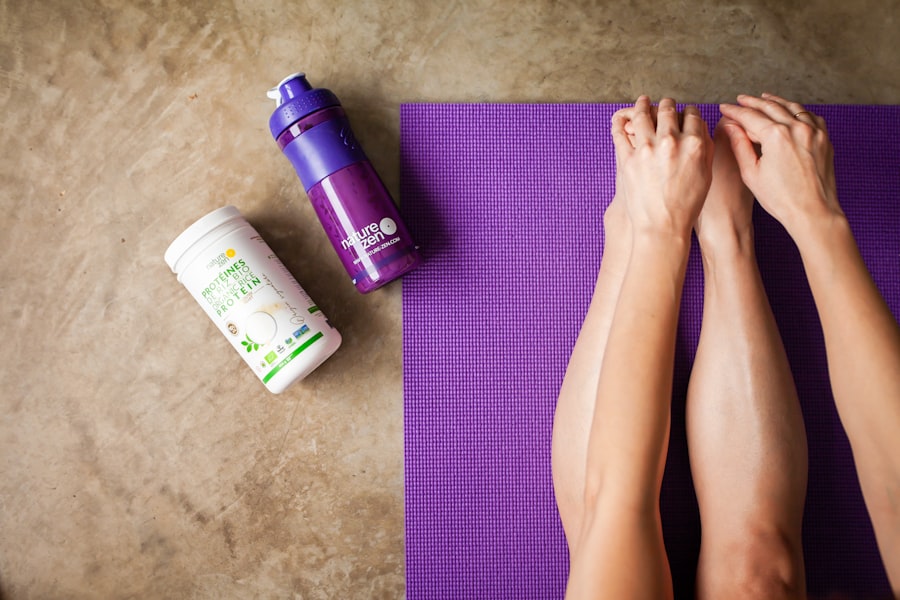
Listening to your body is perhaps the most important aspect of starting a postpartum exercise routine. Your body will communicate its needs and limitations as you reintroduce physical activity after childbirth. Pay attention to how you feel during and after exercise, and be mindful of any discomfort or pain. It’s normal to experience some muscle soreness as you begin exercising again, but sharp or persistent pain should not be ignored.
Additionally, be aware of any signs of fatigue or exhaustion, as well as any changes in mood or energy levels. It’s okay to take things slow and modify your workouts as needed based on how your body is responding. Prioritizing rest and recovery is just as important as staying active during the postpartum period. By listening to your body and honoring its signals, you can create a balanced approach to postpartum exercise that supports your overall well-being.
Seeking Professional Guidance
Seeking professional guidance from a qualified fitness professional or healthcare provider is highly recommended when starting a postpartum exercise routine. A fitness professional with expertise in postpartum exercise can provide personalized guidance on safe and effective workout techniques tailored to your individual needs and recovery timeline. They can also offer support in setting realistic goals, monitoring progress, and making adjustments as needed.
Additionally, consulting with a healthcare provider before starting any postpartum exercise routine is important, especially if you experienced any complications during childbirth or have specific health concerns. Your healthcare provider can offer valuable insight into any physical limitations or precautions you should consider when exercising after giving birth. By seeking professional guidance, you can ensure that your postpartum exercise journey is both safe and effective, setting the stage for long-term health and well-being as you navigate the joys of motherhood.
Looking to kickstart your postpartum fitness journey? Check out our beginner postpartum workout plan to help you ease back into exercise after childbirth. And while you’re at it, don’t miss our related article on the mental health benefits of regular physical activity. Taking care of your body and mind is essential during this transformative time, so be sure to explore all the resources available to support your postpartum wellness journey.