
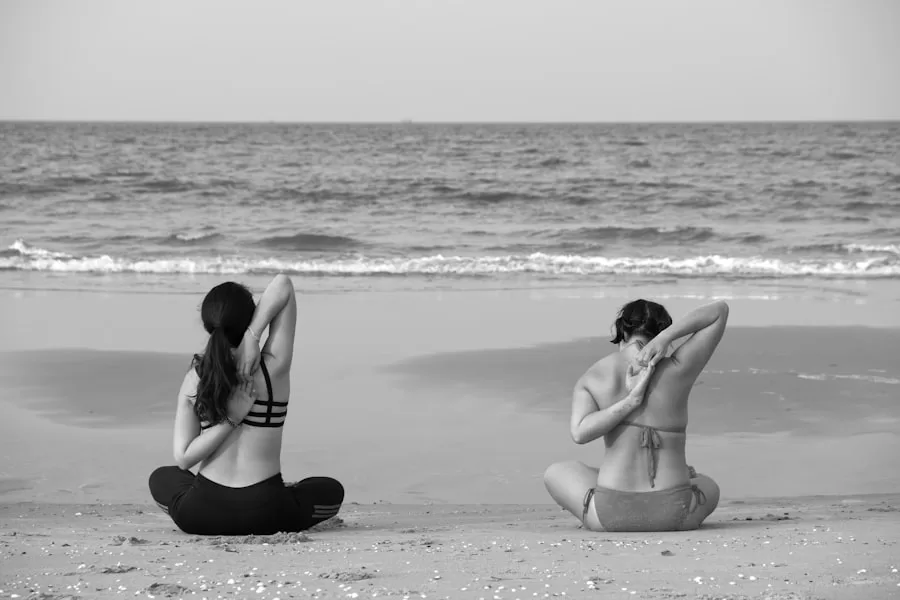

Exercising in the summer is not only a great way to stay fit and healthy, but it also allows you to take advantage of the beautiful weather and enjoy the outdoors. However, it is important to take safety precautions when exercising in the summer heat to avoid any potential risks. In this article, we will explore the benefits of exercising in the summer sun, how to stay safe during workouts, the best outdoor exercises to do in the summer, the importance of hydration, how to dress for outdoor workouts, tips for exercising in the morning vs. afternoon, incorporating water activities into your routine, the role of sunscreen, and how to stay motivated during the summer months.
Benefits of exercising in the summer sun
Exercising outdoors in the summer sun has numerous benefits for both your physical and mental health. One of the main advantages is increased vitamin D intake. Vitamin D is essential for bone health and helps regulate calcium levels in the body. When you exercise outside, your body absorbs sunlight and converts it into vitamin D. This can help prevent conditions such as osteoporosis and improve overall bone density.
Another benefit of exercising in the summer sun is boosted mood and energy levels. Sunlight triggers the release of serotonin, a neurotransmitter that is responsible for regulating mood and promoting feelings of happiness and well-being. Additionally, being outdoors in nature can have a calming effect on the mind and reduce stress levels.
Exercising in the summer sun also improves cardiovascular health. The combination of physical activity and exposure to sunlight helps lower blood pressure, reduce cholesterol levels, and improve circulation. This can decrease the risk of heart disease and other cardiovascular conditions.
How to stay safe while exercising in the heat
While exercising in the summer sun has its benefits, it is important to take safety precautions to avoid heat-related illnesses such as heat exhaustion and heat stroke. One of the most important things to do is acclimate to the heat gradually. Start with shorter workouts and gradually increase the duration and intensity over time. This allows your body to adjust to the higher temperatures and reduces the risk of overheating.
It is also important to be aware of the signs of heat exhaustion and heat stroke. Symptoms of heat exhaustion include heavy sweating, weakness, dizziness, nausea, headache, and muscle cramps. If you experience any of these symptoms, it is important to stop exercising, move to a cooler area, and hydrate. Heat stroke is a more serious condition that requires immediate medical attention. Symptoms include a high body temperature, confusion, loss of consciousness, and hot, dry skin.
To stay cool during workouts in the heat, there are several tips you can follow. First, try to exercise during the cooler parts of the day, such as early morning or late evening. If you must exercise during peak heat hours, try to find shaded areas or use sun protection such as hats and umbrellas. Wearing lightweight and breathable clothing can also help keep you cool by allowing sweat to evaporate more easily.
Best outdoor exercises to do in the summer
| Exercise | Benefits | Duration | Difficulty |
|---|---|---|---|
| Running | Improves cardiovascular health, burns calories, reduces stress | 30-60 minutes | Intermediate |
| Hiking | Strengthens muscles, improves balance, reduces stress | 2-4 hours | Beginner |
| Swimming | Improves cardiovascular health, strengthens muscles, low impact | 30-60 minutes | Intermediate |
| Biking | Improves cardiovascular health, strengthens leg muscles, low impact | 30-60 minutes | Intermediate |
| Yoga | Improves flexibility, reduces stress, strengthens muscles | 60-90 minutes | Beginner |
There are many outdoor exercises that are perfect for the summer months. One of the most popular options is running or jogging. Not only does running provide a great cardiovascular workout, but it also allows you to explore new areas and enjoy the scenery. Just make sure to wear proper running shoes and stay hydrated.
Swimming and water aerobics are also excellent options for summer workouts. Swimming is a low-impact exercise that works all major muscle groups and provides a full-body workout. Water aerobics classes are a fun way to stay cool while getting in shape. They often incorporate resistance exercises using water weights or noodles.
If you prefer a more leisurely workout, hiking and nature walks are great options. They allow you to enjoy the beauty of nature while getting some exercise. Just make sure to wear appropriate footwear and bring plenty of water.
Importance of hydration during summer workouts
Staying hydrated is crucial when exercising in the summer heat. When you sweat, your body loses water and electrolytes, which need to be replenished to maintain proper hydration levels. Dehydration can lead to fatigue, muscle cramps, dizziness, and even heat-related illnesses.
To stay hydrated before, during, and after workouts, it is important to drink plenty of water. The American College of Sports Medicine recommends drinking 16-20 ounces of water two hours before exercise and another 8-10 ounces 15 minutes before starting. During exercise, aim to drink 7-10 ounces every 10-20 minutes. After your workout, drink another 8-10 ounces within 30 minutes.
In addition to water, you can also consume sports drinks that contain electrolytes to help replenish what is lost through sweat. However, be mindful of the sugar content in these drinks and opt for low-sugar or sugar-free options if possible.
How to dress for outdoor workouts in the summer
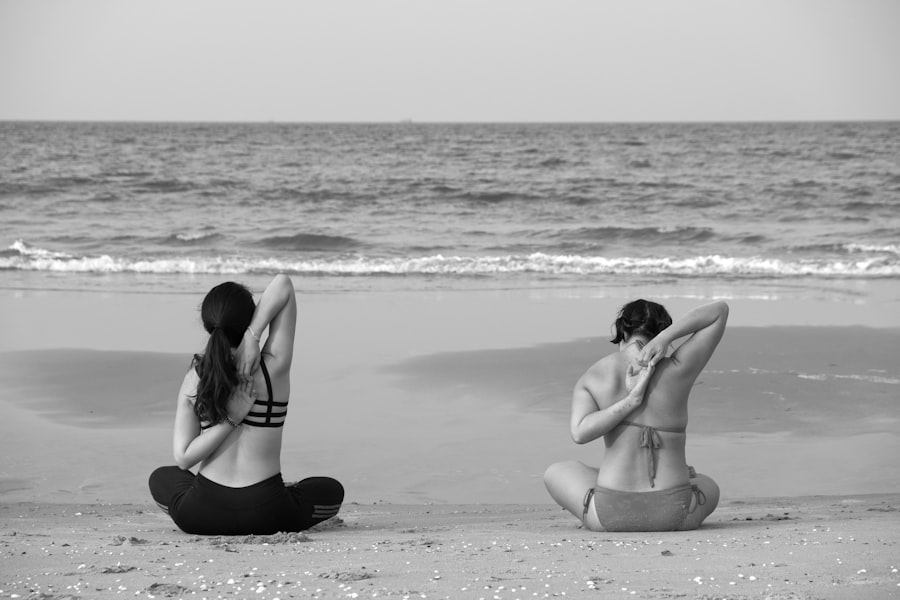
Choosing the right clothing for outdoor workouts in the summer can make a big difference in your comfort level and performance. It is important to choose breathable fabrics that allow air to circulate and sweat to evaporate. Look for moisture-wicking materials that draw sweat away from the body and keep you dry.
Light-colored clothing is also recommended as it reflects sunlight and helps keep you cool. Dark colors absorb heat and can make you feel hotter during workouts. Additionally, wearing a hat or visor can provide shade for your face and protect your head from the sun’s rays.
Protecting your eyes is also important when exercising outdoors. Choose sunglasses with UV protection to shield your eyes from harmful UV rays. Look for sunglasses that wrap around your face to provide maximum coverage.
Tips for exercising in the morning vs. afternoon
The best time to exercise in the summer can vary depending on individual preferences and schedules. Exercising in the morning has several benefits. The temperatures are usually cooler, which can make workouts more comfortable. Additionally, morning workouts can help jumpstart your metabolism and provide an energy boost for the rest of the day. Morning exercise also allows you to get it out of the way early, leaving the rest of the day free for other activities.
On the other hand, afternoon workouts have their own advantages. By the afternoon, your body has had time to warm up, which can lead to improved performance and flexibility. Additionally, afternoon workouts can be a great way to relieve stress and break up the workday. If you choose to exercise in the afternoon, make sure to stay hydrated and take breaks if needed to avoid overheating.
When choosing a workout time, it is important to consider factors such as your personal energy levels, schedule, and weather conditions. Experiment with different times of day to see what works best for you.
Incorporating water activities into your summer exercise routine
Water activities are a fun and refreshing way to stay active during the summer months. They provide a low-impact workout that is easy on the joints while still providing resistance for muscle strengthening.
Swimming is one of the best water exercises as it works all major muscle groups and provides a full-body workout. It is also a great cardiovascular exercise that improves lung capacity and endurance. If you are not a strong swimmer, you can try water aerobics classes that are designed for all fitness levels.
Other water activities that you can incorporate into your routine include paddleboarding, kayaking, and water volleyball. These activities not only provide a great workout but also allow you to enjoy the beauty of nature and spend time with friends and family.
When participating in water activities, it is important to follow safety precautions such as wearing a life jacket if needed, staying within designated swimming areas, and being aware of your surroundings.
The role of sunscreen in summer workouts
Protecting your skin from the sun’s harmful rays is crucial when exercising outdoors in the summer. Prolonged exposure to the sun can lead to sunburn, premature aging, and an increased risk of skin cancer.
Choosing the right sunscreen is important. Look for a broad-spectrum sunscreen that protects against both UVA and UVB rays. The American Academy of Dermatology recommends using a sunscreen with an SPF of 30 or higher. Apply sunscreen generously to all exposed areas of the body at least 15 minutes before going outside. Reapply every two hours or more frequently if you are sweating or swimming.
When applying sunscreen during workouts, it is important to pay attention to areas that are often overlooked, such as the ears, back of the neck, and tops of the feet. Wearing protective clothing such as long-sleeved shirts, pants, and wide-brimmed hats can also provide additional sun protection.
How to stay motivated to exercise during the summer
Staying motivated to exercise during the summer can be challenging, especially when the weather is hot and there are many other distractions. However, there are several strategies you can use to stay on track with your fitness goals.
Setting realistic goals is important to stay motivated. Break down your goals into smaller, achievable milestones and celebrate your progress along the way. It can also be helpful to find a workout buddy or join a fitness group for added accountability and support.
Trying new activities can also keep your workouts interesting and prevent boredom. Take advantage of the summer weather by trying outdoor activities such as paddleboarding, beach volleyball, or hiking. Mixing up your routine can help you stay engaged and motivated.
Lastly, remember to listen to your body and give yourself rest days when needed. Overtraining can lead to burnout and increase the risk of injury. Listen to your body’s cues and take breaks when necessary.
Benefits of exercising outdoors vs. indoors in the summer
Exercising outdoors in the summer has several advantages over indoor workouts. One of the main benefits is increased exposure to nature. Being in nature has been shown to reduce stress levels, improve mood, and increase feelings of well-being. The sights, sounds, and smells of the outdoors can provide a sensory experience that is not replicated indoors.
Exercising outdoors also improves mental health. Studies have shown that outdoor exercise can reduce symptoms of depression and anxiety and improve overall mental well-being. The combination of physical activity and exposure to nature has a positive effect on the brain and can boost cognitive function.
Additionally, exercising outdoors in the summer provides a variety of workout options. You can go for a run in the park, swim in a lake, or hike through the mountains. The possibilities are endless and allow you to explore new areas and challenge yourself in different ways.
Exercising in the summer is a great way to stay fit, healthy, and enjoy the beautiful weather. However, it is important to take safety precautions to avoid heat-related illnesses and protect your skin from the sun’s harmful rays. By following these tips and staying motivated, you can have a safe and enjoyable summer workout routine. So get outside, soak up some vitamin D, and make the most of the summer months!
Looking for ways to stay fit and healthy this summer? Check out this article on essential remedies for vibrant health. It offers valuable tips and advice on maintaining a strong and energetic body throughout the season. And if you’re struggling with acne, you might also find this article on herbal remedies for acne helpful. But that’s not all! If you’re feeling stressed and overwhelmed, don’t miss the article on 5 exercises that relieve stress. It provides effective workout routines that can help you relax and unwind. So, whether you’re looking to boost your overall well-being or tackle specific health concerns, these articles have got you covered. Check them out here!