

Healthy noodle alternatives offer a wide range of benefits for those looking to maintain a balanced and nutritious diet. One of the main advantages of healthy noodle alternatives is their lower calorie and carbohydrate content compared to traditional pasta. This makes them an excellent choice for individuals looking to manage their weight or blood sugar levels. Additionally, many healthy noodle alternatives are gluten-free, making them suitable for individuals with gluten sensitivities or celiac disease.
Furthermore, healthy noodle alternatives are often packed with essential nutrients such as fiber, vitamins, and minerals. For example, spiralized zucchini noodles, also known as zoodles, are a great source of vitamin C, potassium, and fiber. Shirataki noodles, made from the konjac yam, are virtually calorie-free and contain a type of fiber called glucomannan, which has been linked to various health benefits including improved cholesterol levels and digestive health. By incorporating healthy noodle alternatives into your diet, you can increase your intake of important nutrients while reducing your consumption of refined carbohydrates and empty calories.
Types of Healthy Noodle Alternatives
There are numerous healthy noodle alternatives available on the market, each offering its own unique set of nutritional benefits and culinary possibilities. One popular option is spiralized vegetables, such as zucchini, carrots, and sweet potatoes. These colorful and nutrient-dense noodles can be easily prepared using a spiralizer and are a great way to add more vegetables to your diet. Another common healthy noodle alternative is shirataki noodles, which are translucent and gelatinous noodles made from the konjac yam. Shirataki noodles are extremely low in calories and carbohydrates, making them an ideal choice for those following a low-calorie or low-carb diet.
Furthermore, legume-based noodles, such as chickpea pasta and lentil pasta, have gained popularity in recent years due to their high protein and fiber content. These noodles are not only gluten-free but also provide a good source of plant-based protein, making them a great option for vegetarians and vegans. Additionally, kelp noodles, made from seaweed, are a low-calorie and mineral-rich alternative to traditional pasta. With their unique texture and mild flavor, kelp noodles can be a versatile addition to various dishes. Overall, the wide variety of healthy noodle alternatives available ensures that there is something to suit every taste and dietary preference.
Cooking Tips and Recipes for Healthy Noodle Alternatives
When it comes to cooking with healthy noodle alternatives, there are numerous tips and recipes to help you make the most of these nutritious ingredients. For spiralized vegetable noodles, it’s important to properly drain any excess moisture before cooking to prevent the dish from becoming watery. Additionally, spiralized vegetable noodles can be enjoyed raw in salads or lightly sautéed for a quick and healthy meal. For shirataki noodles, it’s recommended to rinse them thoroughly under cold water and then parboil them for a few minutes to remove any residual odor. This will help improve the texture and overall taste of the noodles.
For those looking to incorporate legume-based noodles into their diet, there are countless recipes available that showcase the versatility of these nutritious noodles. From classic spaghetti with marinara sauce to creamy pasta primavera, chickpea and lentil pasta can be used in a wide range of dishes. Kelp noodles can be enjoyed in cold salads, stir-fries, or even in soups for a light and refreshing meal. By experimenting with different cooking methods and flavor combinations, you can discover new and exciting ways to enjoy healthy noodle alternatives as part of your regular meal rotation.
How to Incorporate Healthy Noodle Alternatives into Your Diet
| Noodle Alternative | Calories per Serving | Carbohydrates per Serving | Protein per Serving |
|---|---|---|---|
| Zucchini Noodles (Zoodles) | 20 | 4g | 2g |
| Spaghetti Squash | 42 | 10g | 1g |
| Shirataki Noodles | 0 | 1g | 0g |
| Brown Rice Noodles | 200 | 44g | 4g |
Incorporating healthy noodle alternatives into your diet can be a simple and enjoyable process that adds variety and nutrition to your meals. One easy way to start using healthy noodle alternatives is by replacing traditional pasta with spiralized vegetable noodles in your favorite pasta dishes. For example, you can swap out spaghetti for zucchini noodles in a classic spaghetti bolognese or use sweet potato noodles in a comforting macaroni and cheese recipe. This simple substitution instantly increases the vegetable content of the dish while reducing the overall calorie and carbohydrate load.
Another way to incorporate healthy noodle alternatives into your diet is by experimenting with different cuisines that traditionally use these ingredients. For instance, shirataki noodles are commonly used in Japanese cuisine in dishes such as sukiyaki and yosenabe. By exploring new recipes and cooking techniques, you can expand your culinary repertoire while reaping the nutritional benefits of healthy noodle alternatives. Additionally, using legume-based noodles in place of regular pasta in dishes like pasta salads or casseroles can provide a protein-packed boost to your meals. By being creative and open-minded in the kitchen, you can easily integrate healthy noodle alternatives into your daily diet.
Comparing Nutritional Values of Healthy Noodle Alternatives
When comparing the nutritional values of healthy noodle alternatives, it’s important to consider factors such as calorie content, carbohydrate content, protein content, and micronutrient density. Spiralized vegetable noodles are typically low in calories and carbohydrates while providing a good source of fiber and essential vitamins and minerals. For example, one cup of cooked zucchini noodles contains only 20 calories and 4 grams of carbohydrates, making them an excellent choice for those looking to reduce their calorie intake or manage their blood sugar levels.
Shirataki noodles stand out for their extremely low calorie and carbohydrate content, with one serving containing as little as 10 calories and 3 grams of carbohydrates. While they may not provide significant amounts of protein or micronutrients, shirataki noodles are an excellent option for those following a low-calorie or low-carb diet. Legume-based noodles such as chickpea pasta and lentil pasta offer higher protein content compared to traditional pasta, making them a great choice for individuals looking to increase their protein intake without consuming animal products. Additionally, kelp noodles are low in calories and carbohydrates while providing a good source of iodine and other trace minerals found in seaweed. By understanding the nutritional values of different healthy noodle alternatives, you can make informed choices that align with your dietary goals and preferences.
Where to Find Healthy Noodle Alternatives
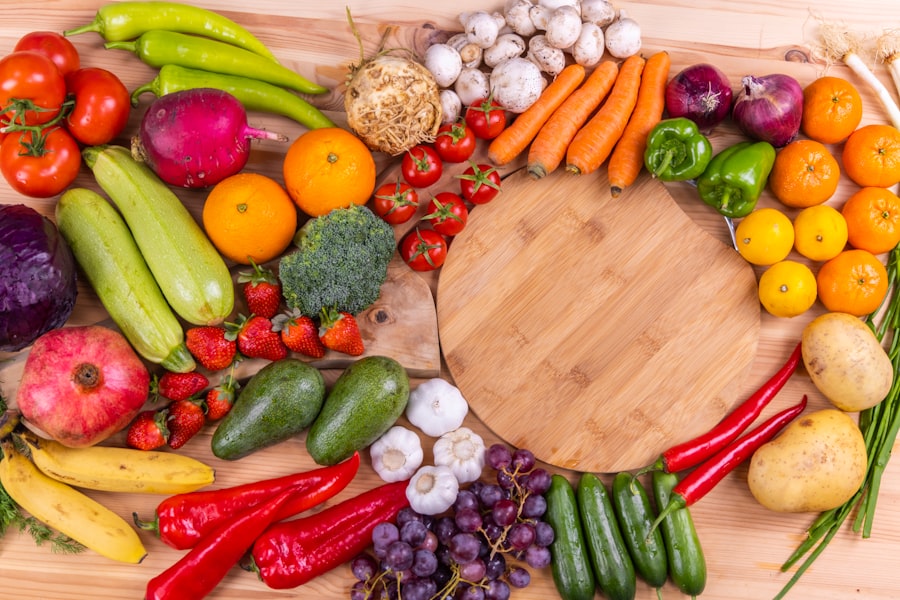
Healthy noodle alternatives can be found in various grocery stores, health food stores, and online retailers, making them easily accessible for consumers looking to incorporate these nutritious ingredients into their diet. Many supermarkets now carry spiralized vegetable noodles in the produce section or offer pre-packaged options in the refrigerated aisle. Additionally, shirataki noodles can often be found in the refrigerated or Asian foods section of grocery stores, as well as in specialty health food stores.
For those interested in trying legume-based noodles such as chickpea pasta or lentil pasta, these products are widely available in health food stores and online retailers that specialize in natural and organic products. Kelp noodles can be found in the refrigerated or Asian foods section of some grocery stores or purchased online from specialty retailers. With the growing popularity of healthy noodle alternatives, it’s becoming increasingly convenient to find these products in a variety of retail outlets. By exploring different shopping options, you can easily locate healthy noodle alternatives that suit your preferences and dietary needs.
Considerations for those with Dietary Restrictions or Allergies
For individuals with dietary restrictions or allergies, it’s important to carefully consider the ingredients used in healthy noodle alternatives to ensure they align with their specific needs. Many healthy noodle alternatives are naturally gluten-free, making them suitable for individuals with celiac disease or gluten sensitivities. However, it’s always important to check the packaging for any potential cross-contamination or allergen warnings if you have severe allergies.
Additionally, some healthy noodle alternatives may contain ingredients that could trigger allergic reactions in certain individuals, such as soy or legumes. It’s essential to read the ingredient list carefully and consult with a healthcare professional if you have concerns about potential allergens. Furthermore, individuals following specific dietary protocols such as low-carb or low-FODMAP diets should pay attention to the carbohydrate content and fermentable carbohydrates present in certain healthy noodle alternatives. By staying informed about the ingredients and nutritional composition of healthy noodle alternatives, individuals with dietary restrictions or allergies can confidently incorporate these nutritious ingredients into their meals while prioritizing their health and well-being.
In conclusion, healthy noodle alternatives offer a wide range of benefits for individuals looking to maintain a balanced and nutritious diet. From their lower calorie and carbohydrate content to their high nutrient density, healthy noodle alternatives provide a versatile and delicious way to increase vegetable intake while reducing reliance on refined carbohydrates. With numerous options available such as spiralized vegetable noodles, shirataki noodles, legume-based noodles, and kelp noodles, there is something to suit every taste and dietary preference. By exploring different cooking methods and recipes, individuals can easily incorporate healthy noodle alternatives into their daily diet while enjoying the nutritional advantages they offer. Whether you’re looking to manage your weight, increase your vegetable intake, or accommodate specific dietary restrictions or allergies, healthy noodle alternatives provide a convenient and satisfying solution for enhancing your overall well-being through food choices.
If you’re looking for more natural remedies and holistic health hacks, you might be interested in this article on effective natural remedies you can make at home. It offers a variety of herbal remedies for different health concerns, including brain health. Check it out here.