

Asthma is a chronic respiratory condition that affects millions of people worldwide. It is characterized by inflammation and narrowing of the airways, leading to symptoms such as wheezing, coughing, shortness of breath, and chest tightness. These symptoms can significantly impact daily life, making it difficult to engage in physical activities, sleep well, and even perform simple tasks. Therefore, finding effective ways to manage asthma symptoms is crucial for improving quality of life and overall well-being.
Understanding Asthma: Causes, Symptoms, and Triggers
Asthma is a complex condition with various causes and triggers. It can be caused by a combination of genetic and environmental factors. Common triggers include allergens such as pollen, dust mites, pet dander, and mold; irritants such as smoke, pollution, and strong odors; respiratory infections; exercise; and emotional stress. When exposed to these triggers, the airways become inflamed and constricted, making it difficult for air to flow freely in and out of the lungs.
The symptoms of asthma can vary from person to person but often include wheezing (a whistling sound when breathing), coughing (especially at night or early in the morning), shortness of breath, and chest tightness. These symptoms can range from mild to severe and may occur intermittently or persistently. During an asthma attack, the muscles around the airways tighten even further, making it even harder to breathe.
Breathing Techniques for Asthma Relief: An Overview
Proper breathing techniques are essential for managing asthma symptoms. They can help relax the airways, reduce inflammation, and improve lung function. There are several different breathing techniques that can be used for asthma relief, including diaphragmatic breathing, pursed lip breathing, and alternate nostril breathing.
Diaphragmatic breathing involves deepening the breath by engaging the diaphragm, a muscle located below the lungs. This technique helps to increase the amount of oxygen entering the lungs and promotes relaxation. Pursed lip breathing involves inhaling through the nose and exhaling slowly through pursed lips, creating a slight resistance to the airflow. This technique helps to slow down breathing and prevent the airways from collapsing. Alternate nostril breathing involves using the fingers to close one nostril while inhaling through the other, then switching sides and exhaling through the opposite nostril. This technique helps to balance the flow of energy in the body and promote relaxation.
It is important to practice breathing techniques safely and effectively. It is recommended to start with short practice sessions and gradually increase the duration as you become more comfortable. It is also important to listen to your body and not force or strain during the practice. If you experience any discomfort or worsening of symptoms, it is advisable to stop and consult with a healthcare professional.
The Role of Yoga in Managing Asthma Symptoms
| Metrics | Results |
|---|---|
| Reduction in Asthma Symptoms | Significant improvement in lung function and reduction in asthma symptoms after practicing yoga regularly |
| Decrease in Medication Use | Patients who practiced yoga regularly were able to reduce their medication use for asthma |
| Improved Quality of Life | Yoga has been shown to improve quality of life in asthma patients by reducing stress and anxiety |
| Increased Lung Capacity | Yoga breathing exercises can increase lung capacity and improve respiratory function in asthma patients |
| Safe and Accessible | Yoga is a safe and accessible form of exercise for asthma patients, as it can be modified to accommodate individual needs and limitations |
Yoga is a holistic practice that combines physical postures, breathing exercises, meditation, and mindfulness. It has been found to be beneficial for managing asthma symptoms by improving lung function, reducing inflammation, and promoting relaxation. Yoga can help strengthen the respiratory muscles, increase lung capacity, and improve overall respiratory function. It can also help reduce stress and anxiety, which are common triggers for asthma symptoms.
Scientific evidence supports the use of yoga for asthma management. A study published in the Journal of Asthma found that practicing yoga for 12 weeks significantly improved lung function and reduced asthma symptoms in participants compared to a control group. Another study published in the Indian Journal of Physiology and Pharmacology found that yoga practice led to a significant reduction in airway inflammation and improved quality of life in people with asthma.
Incorporating yoga into an asthma management plan can have numerous benefits. It can help reduce reliance on medication, improve overall respiratory health, enhance physical fitness, and promote a sense of well-being. Yoga can also provide a sense of empowerment and control over asthma symptoms, as individuals learn to listen to their bodies and make conscious choices to support their health.
Yoga Poses for Asthma Relief: A Step-by-Step Guide
There are several yoga poses that can help relieve asthma symptoms by opening up the chest, improving lung capacity, and promoting relaxation. It is important to practice these poses safely and effectively, taking into consideration any individual limitations or contraindications.
One pose that can be beneficial for asthma relief is the Supported Fish Pose (Matsyasana). To practice this pose, start by sitting on the floor with your legs extended in front of you. Place a bolster or folded blanket behind you, perpendicular to your body. Slowly lower yourself onto the support, allowing your upper back and head to rest on it. Keep your legs extended or bend your knees and place the soles of your feet on the floor. Relax your arms by your sides or place them on your belly. Close your eyes and focus on deepening your breath, allowing the chest to open and expand with each inhale.
Another pose that can be helpful for asthma relief is the Standing Forward Bend (Uttanasana). To practice this pose, stand with your feet hip-width apart and parallel to each other. Inhale deeply and as you exhale, hinge forward from the hips, keeping your spine long. Allow your upper body to hang down towards the floor, bending your knees as much as needed to maintain a comfortable stretch in the hamstrings. You can place your hands on blocks or the floor for support. Relax your head and neck, allowing gravity to gently stretch the spine and open up the chest. Stay in this pose for several breaths, focusing on deepening the breath and releasing tension in the body.
A third pose that can be beneficial for asthma relief is the Reclining Bound Angle Pose (Supta Baddha Konasana). To practice this pose, start by sitting on the floor with your legs extended in front of you. Bend your knees and bring the soles of your feet together, allowing your knees to fall out to the sides. Place a bolster or folded blanket behind you, perpendicular to your body. Slowly lower yourself onto the support, allowing your upper back and head to rest on it. You can place blocks or folded blankets under your knees for support if needed. Relax your arms by your sides or place them on your belly. Close your eyes and focus on deepening your breath, allowing the chest to open and expand with each inhale.
How to Practice Yoga Safely with Asthma
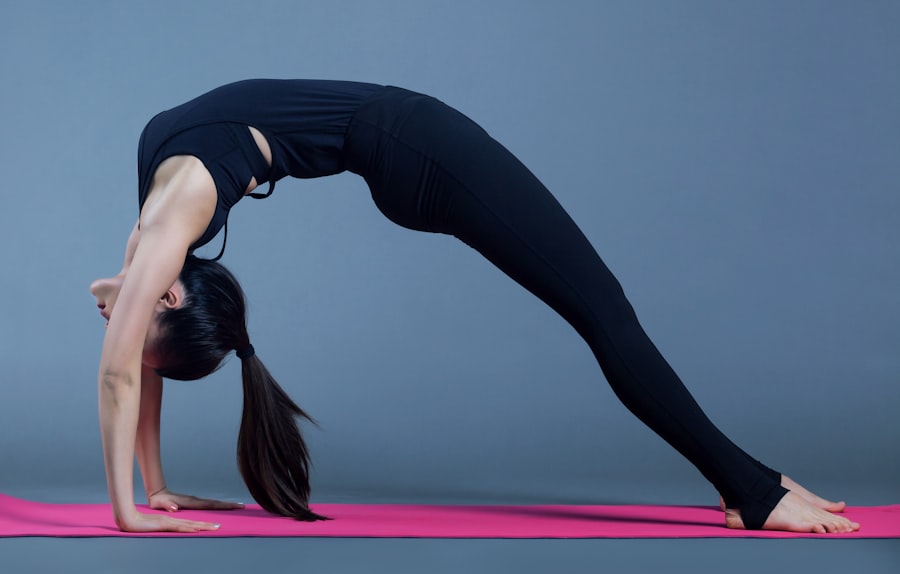
When practicing yoga with asthma, it is important to take certain precautions to ensure safety and prevent exacerbation of symptoms. It is advisable to consult with a healthcare professional before starting a yoga practice, especially if you have severe or uncontrolled asthma.
One important precaution is to avoid practicing in environments with triggers that can worsen asthma symptoms. This may include avoiding outdoor yoga classes during high pollen seasons or practicing in well-ventilated spaces to minimize exposure to indoor allergens such as dust mites or pet dander. It is also important to clean yoga mats and props regularly to prevent the accumulation of allergens.
Modifying poses to accommodate asthma symptoms is another important aspect of practicing yoga safely. For example, individuals with asthma may need to take breaks during practice or modify poses that require intense physical exertion or rapid changes in position. It is important to listen to your body and not push beyond your limits. If a pose feels uncomfortable or causes shortness of breath, it is advisable to back off or modify the pose as needed.
Benefits of Yoga for Asthma: Scientific Evidence
Scientific studies have shown that yoga can have numerous benefits for people with asthma. A study published in the Journal of Asthma and Allergy found that practicing yoga for 16 weeks led to a significant improvement in lung function, reduction in asthma symptoms, and decrease in the use of rescue medication in participants compared to a control group. Another study published in the Journal of Alternative and Complementary Medicine found that yoga practice led to a significant reduction in airway inflammation and improved quality of life in people with asthma.
Yoga can improve lung function by strengthening the respiratory muscles and increasing lung capacity. It can also reduce inflammation in the airways, leading to a decrease in asthma symptoms. Additionally, yoga can help reduce stress and anxiety, which are common triggers for asthma symptoms. By promoting relaxation and mindfulness, yoga can help individuals with asthma manage their condition more effectively and improve their overall well-being.
Yoga and Stress Reduction: A Key Factor in Asthma Management
Stress is a common trigger for asthma symptoms. When we experience stress, our body releases stress hormones such as cortisol, which can cause inflammation and constriction of the airways. Therefore, finding effective ways to manage stress is crucial for managing asthma symptoms.
Yoga can be a powerful tool for reducing stress and anxiety. The physical postures, breathing exercises, meditation, and mindfulness practices involved in yoga help activate the body’s relaxation response, which counteracts the effects of stress on the body. By practicing yoga regularly, individuals with asthma can learn to better manage their stress levels and reduce the likelihood of experiencing asthma symptoms.
Incorporating Meditation and Mindfulness in Your Yoga Practice for Asthma Relief
Meditation and mindfulness are integral components of yoga practice that can further enhance the benefits for people with asthma. Meditation involves focusing the mind on a specific object or thought, while mindfulness involves paying attention to the present moment without judgment.
Incorporating meditation and mindfulness into a yoga practice can help individuals with asthma become more aware of their breath and body sensations. This increased awareness can help them recognize early signs of asthma symptoms and take appropriate action to prevent exacerbation. By practicing meditation and mindfulness regularly, individuals with asthma can develop a greater sense of control over their condition and improve their overall well-being.
Yoga Props and Modifications for Asthma: Tips and Tricks
Yoga props can be helpful for individuals with asthma to practice safely and comfortably. Props such as blocks, straps, bolsters, and blankets can provide support and stability in poses, allowing individuals to modify poses as needed.
For example, using blocks or bolsters can help elevate the chest in poses that require lying down or bending forward, allowing for better expansion of the lungs. Straps can be used to extend the reach in poses that require reaching the arms overhead, reducing strain on the shoulders and chest. Blankets can be used for extra cushioning and support in seated or reclining poses.
It is important to use props mindfully and not rely on them too heavily. The goal is to find a balance between support and challenge in each pose. It is also important to choose props that are appropriate for your individual needs and abilities. If you are unsure about how to use props or which props to use, it is advisable to seek guidance from a qualified yoga teacher.
Creating a Personalized Yoga Practice for Asthma Relief: Dos and Don’ts
Creating a personalized yoga practice for asthma relief is important to ensure that the practice is safe, effective, and tailored to your individual needs and abilities. Here are some dos and don’ts to consider when creating your own yoga practice:
Dos:
– Consult with a healthcare professional before starting a yoga practice, especially if you have severe or uncontrolled asthma.
– Start with gentle, beginner-friendly poses and gradually progress as you become more comfortable.
– Practice regularly, aiming for at least three to four times per week.
– Listen to your body and modify poses as needed to accommodate asthma symptoms.
– Focus on deepening the breath and maintaining a steady, even breath throughout the practice.
– Incorporate breathing techniques, meditation, and mindfulness into your practice to enhance the benefits for asthma relief.
Don’ts:
– Push beyond your limits or force yourself into poses that feel uncomfortable or cause shortness of breath.
– Practice in environments with triggers that can worsen asthma symptoms.
– Neglect other aspects of asthma management, such as medication, regular check-ups with a healthcare professional, and avoiding known triggers.
– Compare yourself to others or strive for perfection in your yoga practice. Remember that yoga is a personal journey and it is important to honor your own body and abilities.
In conclusion, finding effective ways to manage asthma symptoms is crucial for improving quality of life and overall well-being. Yoga can be a powerful tool for managing asthma by improving lung function, reducing inflammation, promoting relaxation, and reducing stress. By incorporating breathing techniques, physical postures, meditation, and mindfulness into a yoga practice, individuals with asthma can develop a greater sense of control over their condition and improve their overall health.
It is important to practice yoga safely and effectively by taking precautions, modifying poses as needed, and listening to your body. It is also important to consult with a healthcare professional before starting a yoga practice, especially if you have severe or uncontrolled asthma. By creating a personalized yoga practice that is tailored to your individual needs and abilities, you can maximize the benefits of yoga for asthma relief. So why not give it a try and see how yoga can help you manage your asthma symptoms?
If you’re interested in exploring the benefits of yoga beyond asthma relief, you might want to check out this informative article on “Yoga Practice for Better Health.” It delves into how incorporating yoga into your daily routine can improve overall well-being, from reducing stress and anxiety to enhancing flexibility and strength. Discover the transformative power of yoga by clicking here.