
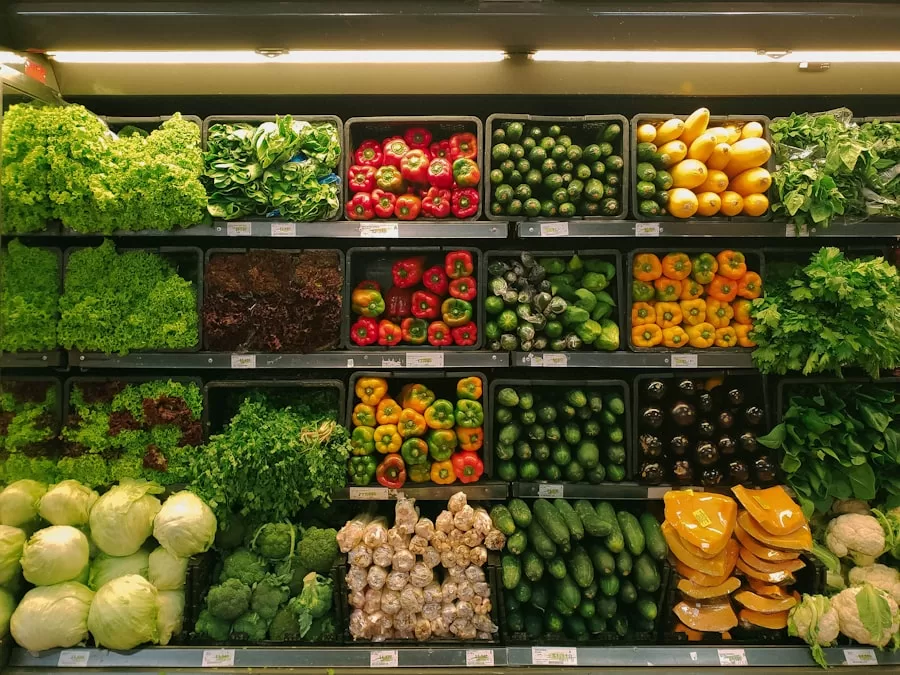

Iron is an essential mineral that plays a crucial role in human health. It is involved in various physiological processes, including oxygen transport, energy production, and DNA synthesis. Iron deficiency can lead to serious health consequences, such as anemia and impaired cognitive function. However, iron absorption is a complex process, and there are different types of iron that can be obtained from various sources.
Why Iron is Important for Your Health
Iron is necessary for the production of hemoglobin, a protein in red blood cells that carries oxygen from the lungs to the rest of the body. Without sufficient iron, the body cannot produce enough healthy red blood cells, leading to iron deficiency anemia. This condition can cause fatigue, weakness, shortness of breath, and impaired cognitive function.
Iron is also involved in energy production. It helps convert food into energy by facilitating the production of adenosine triphosphate (ATP), the molecule that stores and releases energy in cells. Additionally, iron is necessary for DNA synthesis and cell division.
The Difference Between Heme and Non-Heme Iron
There are two types of dietary iron: heme iron and non-heme iron. Heme iron is found in animal-based foods, such as meat, poultry, and fish. It is more easily absorbed by the body compared to non-heme iron.
Non-heme iron, on the other hand, is found in plant-based foods like legumes, grains, nuts, and seeds. It is not as readily absorbed by the body as heme iron. However, there are ways to enhance the absorption of non-heme iron by consuming it with vitamin C-rich foods or cooking it in cast-iron cookware.
The Benefits of Plant-Based Iron Sources
| Iron Source | Amount of Iron (mg) | Other Nutrients |
|---|---|---|
| Spinach (cooked) | 6.4 | Vitamin A, Vitamin C, Calcium |
| Lentils (cooked) | 6.6 | Fiber, Protein, Folate |
| Chickpeas (cooked) | 4.7 | Fiber, Protein, Folate |
| Quinoa (cooked) | 2.8 | Protein, Fiber, Magnesium |
| Tofu (firm) | 5.4 | Protein, Calcium, Magnesium |
Plant-based iron sources offer several benefits over animal-based sources. Firstly, they are generally lower in saturated fat and cholesterol, making them a healthier choice for cardiovascular health. Secondly, plant-based iron sources are often rich in other nutrients, such as fiber, antioxidants, and phytochemicals, which have been linked to a reduced risk of chronic diseases like heart disease and cancer.
Some examples of plant-based iron sources include legumes like lentils and chickpeas, whole grains like quinoa and brown rice, nuts and seeds like almonds and pumpkin seeds, and leafy green vegetables like spinach and kale. These foods not only provide iron but also offer a wide range of other essential nutrients.
Top 10 Plant-Based Foods High in Iron
1. Lentils: Lentils are a great source of iron, providing about 6.6 mg per cup cooked. They are also high in fiber and protein.
2. Spinach: Spinach is packed with iron, offering about 6.4 mg per cooked cup. It is also rich in vitamins A and C.
3. Quinoa: Quinoa is a complete protein that contains about 2.8 mg of iron per cooked cup. It is also high in fiber and other essential nutrients.
4. Chickpeas: Chickpeas are not only a good source of iron (about 4.7 mg per cooked cup) but also provide protein and fiber.
5. Pumpkin Seeds: Pumpkin seeds are a nutritious snack that contains about 4.2 mg of iron per ounce. They are also high in magnesium and zinc.
6. Black Beans: Black beans are rich in iron, providing about 3.6 mg per cooked cup. They are also a good source of fiber and protein.
7. Tofu: Tofu is a versatile plant-based protein that contains about 3.4 mg of iron per half-cup serving. It is also low in saturated fat and cholesterol.
8. Chia Seeds: Chia seeds are a nutritional powerhouse, offering about 2.2 mg of iron per ounce. They are also high in omega-3 fatty acids and fiber.
9. Almonds: Almonds are a delicious and nutritious snack that contains about 1.3 mg of iron per ounce. They are also high in healthy fats and vitamin E.
10. Dark Chocolate: Dark chocolate is not only a tasty treat but also a good source of iron, providing about 1.7 mg per ounce. It is also rich in antioxidants.
How to Incorporate Iron-Rich Foods into Your Diet

Incorporating iron-rich foods into your diet can be easy and delicious. Here are some tips for incorporating these foods into your meals and snacks:
– Add lentils or chickpeas to soups, stews, or salads.
– Use spinach or kale as a base for salads or add them to smoothies.
– Cook quinoa or brown rice as a side dish or use them as a base for grain bowls.
– Snack on pumpkin seeds, almonds, or chia seeds.
– Use tofu in stir-fries, curries, or as a meat substitute in recipes.
– Enjoy a piece of dark chocolate as a treat.
Iron Absorption: Tips to Maximize Nutrient Uptake
Iron absorption can be influenced by several factors. Here are some tips to maximize the absorption of iron:
– Consume iron-rich foods with vitamin C-rich foods, such as citrus fruits, berries, or bell peppers. Vitamin C enhances the absorption of non-heme iron.
– Avoid consuming calcium-rich foods, such as dairy products, at the same time as iron-rich foods, as calcium can inhibit iron absorption.
– Cook plant-based iron sources in cast-iron cookware, as this can increase the iron content of the food.
– Soak legumes and grains before cooking them to reduce their phytate content, which can inhibit iron absorption.
– Avoid drinking tea or coffee with meals, as the tannins in these beverages can reduce iron absorption.
Iron Deficiency Anemia: Symptoms and Causes
Iron deficiency anemia is a condition characterized by low levels of iron in the body, leading to a decrease in the production of healthy red blood cells. Common symptoms of iron deficiency anemia include fatigue, weakness, pale skin, shortness of breath, dizziness, and impaired cognitive function.
There are several causes of iron deficiency anemia. Inadequate dietary intake of iron is one common cause, especially in individuals who follow a vegetarian or vegan diet. Other causes include poor absorption of iron due to gastrointestinal disorders like celiac disease or inflammatory bowel disease, increased iron requirements during pregnancy or adolescence, and blood loss due to heavy menstrual periods or gastrointestinal bleeding.
Who is at Risk for Iron Deficiency?
Certain groups of people are at a higher risk of developing iron deficiency. These include:
– Vegetarians and vegans: Plant-based diets may not provide enough bioavailable iron, especially if not properly planned.
– Women of childbearing age: Menstruation can lead to blood loss and increased iron requirements.
– Pregnant women: Iron requirements increase during pregnancy to support the growth and development of the fetus.
– Infants and young children: Rapid growth during infancy and childhood increases the need for iron.
– Individuals with gastrointestinal disorders: Conditions like celiac disease or inflammatory bowel disease can impair iron absorption.
– Athletes: Intense physical activity can increase iron requirements due to increased red blood cell production.
Iron Supplements vs. Plant-Based Iron Sources
Iron supplements can be an option for individuals who are unable to meet their iron needs through diet alone. However, it is generally recommended to obtain nutrients from whole foods whenever possible.
Plant-based iron sources offer several advantages over supplements. They provide a wide range of other essential nutrients, such as fiber, vitamins, and minerals, that are important for overall health. Additionally, plant-based iron sources are generally well-tolerated and do not have the side effects that can be associated with iron supplements, such as constipation or upset stomach.
Creating Balanced Plant-Based Meals for Optimal Iron Intake
Creating balanced plant-based meals that are high in iron can be easy and delicious. Here are some tips for meal planning and preparation:
– Include a variety of iron-rich foods in your meals, such as legumes, whole grains, nuts, seeds, and leafy green vegetables.
– Pair plant-based iron sources with vitamin C-rich foods to enhance iron absorption.
– Use different cooking methods to prepare your meals, such as steaming, sautéing, or roasting, to add variety and maximize nutrient retention.
– Experiment with different herbs and spices to add flavor to your dishes without relying on excessive salt or unhealthy fats.
– Plan your meals ahead of time and batch cook to save time and ensure you always have nutritious options available.
Iron is an essential mineral that plays a crucial role in human health. It is involved in various physiological processes and is necessary for the production of healthy red blood cells, energy production, and DNA synthesis. Iron deficiency can lead to serious health consequences, such as anemia and impaired cognitive function.
Incorporating iron-rich foods into a plant-based diet can be easy and delicious. Plant-based iron sources offer several benefits over animal-based sources, including lower saturated fat and cholesterol content and a wide range of other essential nutrients. By following tips for maximizing iron absorption and creating balanced plant-based meals, individuals can ensure they meet their iron needs and maintain optimal health.
If you’re looking for iron-rich plant-based sources to boost your nutrition, you’ll definitely want to check out this informative article on nutrition for athletes. It not only provides valuable insights into meeting your iron requirements through plant-based foods but also offers tips on optimizing your overall athletic performance. Whether you’re a professional athlete or simply looking to enhance your fitness routine, this article is a must-read for anyone seeking to incorporate more iron into their diet.