

Perplexity and burstiness are two terms that are often used in the context of antioxidants and their benefits for overall health. Perplexity refers to the ability of antioxidants to neutralize harmful free radicals in the body, while burstiness refers to the sudden and intense release of antioxidants when they are needed most. Antioxidants play a crucial role in maintaining good health by protecting the body against oxidative stress, which can lead to various diseases and conditions. In this article, we will explore the importance of antioxidants for overall health and discuss how they can be incorporated into our daily diet.
What are Antioxidants and How Do They Benefit Your Health?
Antioxidants are compounds that help protect the body against oxidative stress, which is caused by an imbalance between the production of free radicals and the body’s ability to neutralize them. Free radicals are highly reactive molecules that can damage cells and contribute to the development of various diseases, including cancer, heart disease, and neurodegenerative disorders.
Antioxidants work by neutralizing free radicals, thereby preventing them from causing damage to cells and tissues. They do this by donating an electron to the free radical, which stabilizes it and prevents it from reacting with other molecules in the body. This process helps reduce inflammation, improve immune function, and protect against chronic diseases.
The benefits of antioxidants for health are numerous. They have been shown to reduce the risk of chronic diseases such as heart disease, cancer, and diabetes. They also help improve cognitive function, protect against age-related macular degeneration, and promote healthy skin. Additionally, antioxidants have been found to have anti-inflammatory properties, which can help reduce inflammation in the body and alleviate symptoms associated with conditions such as arthritis and asthma.
The Top 10 Antioxidant Foods to Incorporate into Your Diet
Incorporating antioxidant-rich foods into your diet is a great way to ensure that you are getting a wide range of antioxidants to support your overall health. Here are the top 10 antioxidant-rich foods that you should consider incorporating into your diet:
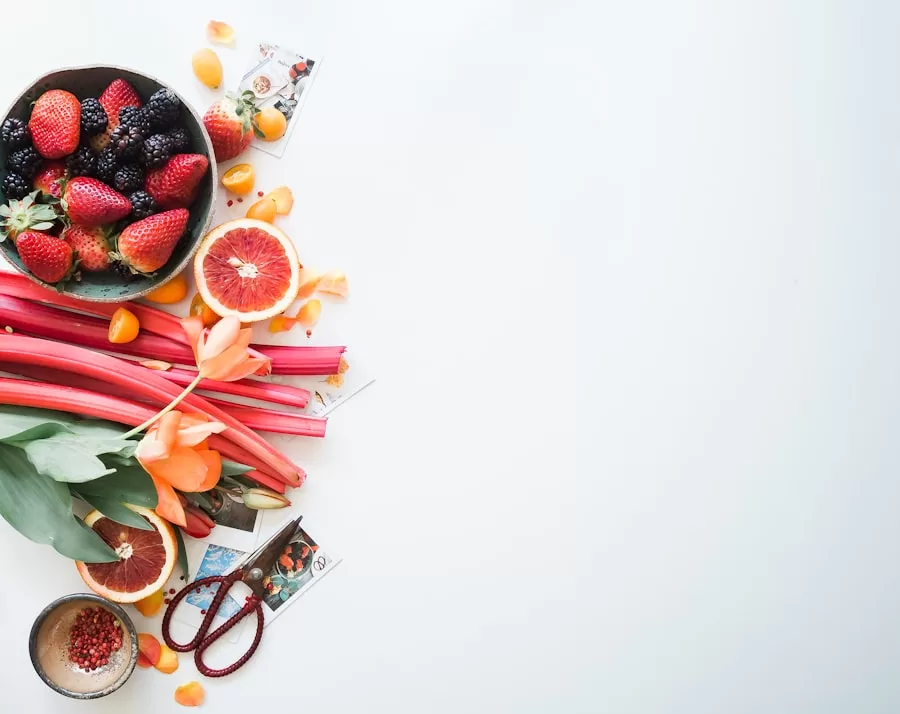
1. Berries: Berries such as blueberries, strawberries, and raspberries are packed with antioxidants called anthocyanins, which have been shown to have numerous health benefits. They help reduce inflammation, improve brain function, and protect against heart disease.
2. Dark Chocolate: Dark chocolate is rich in antioxidants called flavanols, which have been shown to improve heart health and reduce the risk of chronic diseases. However, it is important to choose dark chocolate with a high cocoa content and minimal added sugars.
3. Green Tea: Green tea is loaded with antioxidants called catechins, which have been shown to have powerful health benefits. They help reduce inflammation, improve brain function, and protect against heart disease and certain types of cancer.
4. Spinach: Spinach is a leafy green vegetable that is rich in antioxidants such as vitamin C, vitamin E, and beta-carotene. These antioxidants help protect against oxidative stress and promote overall health.
5. Nuts: Nuts such as almonds, walnuts, and pistachios are packed with antioxidants, including vitamin E and polyphenols. They help reduce inflammation, improve heart health, and support brain function.
6. Tomatoes: Tomatoes are rich in antioxidants such as lycopene, which has been shown to have numerous health benefits. It helps reduce the risk of certain types of cancer, protect against heart disease, and promote healthy skin.
7. Broccoli: Broccoli is a cruciferous vegetable that is rich in antioxidants such as vitamin C and sulforaphane. These antioxidants help reduce inflammation, support detoxification processes in the body, and protect against chronic diseases.
8. Red Wine: Red wine is rich in antioxidants called resveratrol, which has been shown to have numerous health benefits. It helps reduce inflammation, improve heart health, and protect against certain types of cancer. However, it is important to consume red wine in moderation.
9. Turmeric: Turmeric is a spice that is rich in antioxidants called curcuminoids, which have been shown to have powerful anti-inflammatory and antioxidant properties. They help reduce inflammation, support brain health, and protect against chronic diseases.
10. Citrus Fruits: Citrus fruits such as oranges, lemons, and grapefruits are packed with antioxidants such as vitamin C, which has been shown to have numerous health benefits. It helps boost immune function, support collagen production, and protect against chronic diseases.
To incorporate these antioxidant-rich foods into your diet, you can try adding berries to your morning oatmeal or yogurt, snacking on a handful of nuts in the afternoon, adding spinach to your salads or smoothies, and using turmeric in your cooking. It is important to consume a variety of antioxidant-rich foods to ensure that you are getting a wide range of antioxidants to support your overall health.
How Antioxidants Help Fight Against Disease and Illness
| Antioxidant | Source | Benefits |
|---|---|---|
| Vitamin C | Citrus fruits, berries, kiwi, tomatoes | Boosts immune system, protects against cancer, reduces risk of heart disease |
| Vitamin E | Nuts, seeds, leafy greens, vegetable oils | Protects against cancer, reduces risk of heart disease, improves skin health |
| Carotenoids | Carrots, sweet potatoes, spinach, kale | Protects against cancer, improves eye health, boosts immune system |
| Flavonoids | Tea, berries, dark chocolate, red wine | Reduces risk of heart disease, improves brain function, protects against cancer |
Antioxidants play a crucial role in preventing and fighting against disease and illness. They help protect the body against oxidative stress, which can lead to the development of various diseases and conditions.
Oxidative stress occurs when there is an imbalance between the production of free radicals and the body’s ability to neutralize them. Free radicals are highly reactive molecules that can damage cells and contribute to the development of chronic diseases such as cancer, heart disease, and neurodegenerative disorders.
Antioxidants work by neutralizing free radicals, thereby preventing them from causing damage to cells and tissues. They do this by donating an electron to the free radical, which stabilizes it and prevents it from reacting with other molecules in the body.
By reducing oxidative stress, antioxidants help protect against chronic diseases such as cancer, heart disease, and diabetes. They also help improve cognitive function, protect against age-related macular degeneration, and promote healthy skin.
Specifically, antioxidants have been found to have anti-inflammatory properties, which can help reduce inflammation in the body and alleviate symptoms associated with conditions such as arthritis and asthma. They also help support immune function, which is crucial for preventing and fighting against infections and diseases.
Examples of specific diseases and illnesses that antioxidants can help with include:
– Cancer: Antioxidants help protect against cancer by neutralizing free radicals and preventing DNA damage. They also help inhibit the growth of cancer cells and promote their destruction.
– Heart Disease: Antioxidants help protect against heart disease by reducing oxidative stress, improving blood flow, and reducing inflammation. They also help lower cholesterol levels and improve blood pressure.
– Neurodegenerative Disorders: Antioxidants help protect against neurodegenerative disorders such as Alzheimer’s disease and Parkinson’s disease by reducing oxidative stress, protecting against inflammation, and promoting brain health.
– Diabetes: Antioxidants help protect against diabetes by reducing oxidative stress, improving insulin sensitivity, and promoting healthy blood sugar levels.
The Connection Between Antioxidants and Anti-Aging
Antioxidants play a crucial role in slowing down the aging process. As we age, our bodies are exposed to increased levels of oxidative stress, which can lead to the development of various signs of aging such as wrinkles, fine lines, and age spots.
Oxidative stress occurs when there is an imbalance between the production of free radicals and the body’s ability to neutralize them. Free radicals are highly reactive molecules that can damage cells and contribute to the development of chronic diseases. They can also damage collagen and elastin fibers in the skin, which are responsible for maintaining its firmness and elasticity.
Antioxidants help protect against oxidative stress by neutralizing free radicals and preventing them from causing damage to cells and tissues. They do this by donating an electron to the free radical, which stabilizes it and prevents it from reacting with other molecules in the body.
By reducing oxidative stress, antioxidants help slow down the aging process and promote healthy skin. They help reduce the appearance of wrinkles, fine lines, and age spots, and promote a more youthful complexion.
Examples of how antioxidants can benefit skin health include:
– Collagen Production: Antioxidants help promote collagen production, which is crucial for maintaining the firmness and elasticity of the skin. They also help protect existing collagen from damage caused by free radicals.
– Sun Protection: Antioxidants such as vitamin C and vitamin E have been shown to have sun-protective properties. They help neutralize free radicals generated by UV radiation and prevent DNA damage in skin cells.
– Skin Repair: Antioxidants help promote skin repair by reducing inflammation, stimulating cell turnover, and promoting the production of new, healthy skin cells.
To benefit from the anti-aging effects of antioxidants, it is important to incorporate them into your daily skincare routine. You can do this by using skincare products that contain antioxidants such as vitamin C, vitamin E, and green tea extract. It is also important to consume a diet rich in antioxidant-rich foods to support overall skin health.
How to Incorporate Antioxidant-Rich Foods into Your Daily Meals
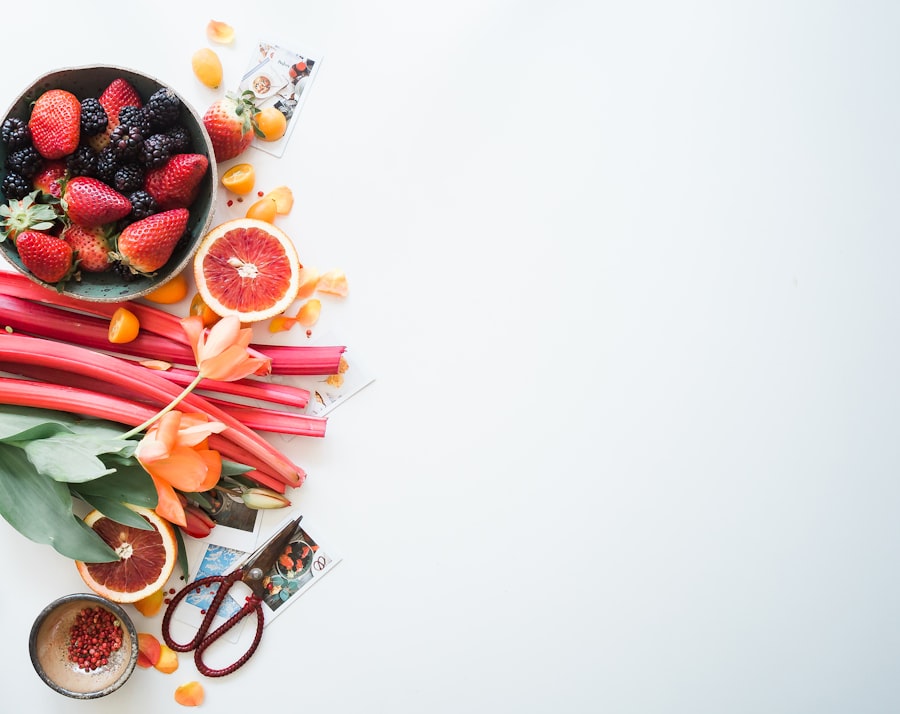
Incorporating antioxidant-rich foods into your daily meals is easier than you might think. Here are some tips for adding more antioxidant-rich foods to your meals:
1. Start your day with a berry smoothie: Blend together a handful of berries such as blueberries or strawberries with some spinach or kale, a scoop of protein powder, and a liquid of your choice (such as almond milk or coconut water). This will give you a powerful antioxidant boost to start your day.
2. Snack on nuts and seeds: Keep a jar of mixed nuts and seeds on hand for a quick and easy snack. Almonds, walnuts, and pumpkin seeds are all rich in antioxidants and make a great addition to your daily diet.
3. Add spinach to your salads: Instead of using iceberg lettuce as the base for your salads, opt for nutrient-dense spinach instead. Spinach is rich in antioxidants such as vitamin C, vitamin E, and beta-carotene, which help protect against oxidative stress.
4. Use turmeric in your cooking: Turmeric is a spice that is rich in antioxidants called curcuminoids, which have been shown to have powerful anti-inflammatory and antioxidant properties. Add turmeric to your curries, soups, and stir-fries for an extra antioxidant boost.
5. Snack on citrus fruits: Keep a bowl of citrus fruits such as oranges or grapefruits on your kitchen counter for a quick and easy snack. Citrus fruits are packed with antioxidants such as vitamin C, which help boost immune function and protect against chronic diseases.
6. Enjoy a cup of green tea: Replace your regular cup of coffee with a cup of green tea. Green tea is loaded with antioxidants called catechins, which have been shown to have numerous health benefits.
7. Cook with olive oil: Replace unhealthy cooking oils such as vegetable oil or canola oil with olive oil. Olive oil is rich in antioxidants called polyphenols, which have been shown to have numerous health benefits.
By incorporating these antioxidant-rich foods into your daily meals, you can ensure that you are getting a wide range of antioxidants to support your overall health.
The Benefits of Drinking Antioxidant-Rich Beverages
In addition to incorporating antioxidant-rich foods into your diet, drinking antioxidant-rich beverages can also provide numerous health benefits. Here are some examples of how antioxidant-rich beverages can benefit your health:
1. Hydration: Many antioxidant-rich beverages, such as green tea and herbal teas, are also hydrating. Staying hydrated is crucial for overall health and can help support various bodily functions.
2. Immune Support: Antioxidant-rich beverages such as green tea and citrus juices are packed with vitamin C, which is known to support immune function. Drinking these beverages can help boost your immune system and protect against infections and diseases.
3. Heart Health: Antioxidant-rich beverages such as red wine and pomegranate juice have been shown to have heart-healthy benefits. They help reduce inflammation, improve blood flow, and protect against oxidative stress, which can contribute to the development of heart disease.
4. Digestive Health: Antioxidant-rich beverages such as herbal teas can help support digestive health. They can help reduce inflammation in the digestive tract, promote healthy gut bacteria, and alleviate symptoms associated with conditions such as irritable bowel syndrome (IBS).
5. Skin Health: Antioxidant-rich beverages such as green tea and berry smoothies can benefit skin health. They help protect against oxidative stress, promote collagen production, and reduce the appearance of wrinkles and fine lines.
Examples of antioxidant-rich beverages include green tea, herbal teas (such as chamomile or peppermint), pomegranate juice, cranberry juice, and berry smoothies.
Antioxidant Supplements: Do They Really Work?
The use of antioxidant supplements has been a topic of controversy in the health and wellness industry. While some studies have shown that antioxidant supplements can provide health benefits, others have found no significant effects or even potential harm.
The controversy surrounding antioxidant supplements stems from the fact that they are often taken in high doses that are not achievable through diet alone. This can lead to imbalances in the body and potentially harmful effects.
Additionally, some studies have found that high-dose antioxidant supplements may interfere with the body’s natural antioxidant defense system. The body has its own mechanisms for neutralizing free radicals and maintaining oxidative balance, and taking high-dose antioxidant supplements may disrupt these mechanisms.
However, it is important to note that not all antioxidant supplements are created equal. Some supplements may be more effective than others, depending on the type of antioxidant and the form in which it is delivered.
For example, studies have shown that certain antioxidant supplements, such as vitamin C and vitamin E, can provide health benefits when taken in appropriate doses. These antioxidants have been shown to have anti-inflammatory and immune-boosting properties, which can help support overall health.
It is also important to consider the source and quality of the supplement. Look for supplements that are made by reputable companies and have undergone third-party testing for quality and purity.
Ultimately, it is best to consult with a healthcare professional before starting any new supplement regimen. They can help determine if you would benefit from antioxidant supplements and recommend the appropriate dosage and form.
The Importance of a Balanced Diet for Maximizing Antioxidant Benefits
While incorporating antioxidant-rich foods into your diet is important, it is equally important to maintain a balanced diet to maximize the benefits of antioxidants.
A balanced diet consists of a variety of nutrient-dense foods from all food groups, including fruits, vegetables, whole grains, lean proteins, and healthy fats. This ensures that you are getting a wide range of antioxidants, as well as other essential nutrients, to support your overall health.
In addition to incorporating antioxidant-rich foods into your diet, here are some other lifestyle changes you can make to boost your antioxidant intake. First, consider reducing your exposure to environmental toxins, such as air pollution and cigarette smoke, as these can deplete antioxidants in the body. Second, aim to get regular exercise, as physical activity has been shown to increase antioxidant levels. Third, manage your stress levels through techniques like meditation or yoga, as chronic stress can lead to oxidative damage. Finally, make sure you are getting enough sleep, as sleep deprivation can impair antioxidant defenses. By making these lifestyle changes, you can further support your body’s ability to fight off free radicals and maintain optimal health.
If you’re interested in learning more about antioxidant foods and their benefits, you might also want to check out this article on healthy tips for beautiful hair. It discusses how certain foods rich in antioxidants can promote hair health and prevent damage. Incorporating antioxidant-rich foods into your diet not only supports overall well-being but can also contribute to luscious, vibrant hair.