
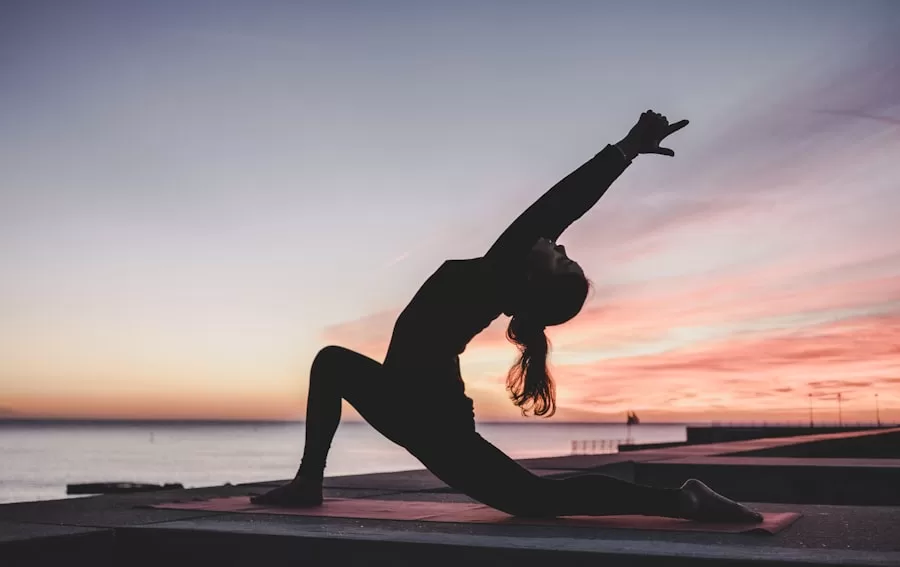

Balance and flexibility are two important components of physical fitness that often go hand in hand. Balance refers to the ability to maintain control of your body’s position, whether it be standing, walking, or performing other movements. Flexibility, on the other hand, refers to the range of motion in your joints and muscles. Both balance and flexibility are crucial for everyday activities and can greatly impact your overall quality of life.
Maintaining balance and flexibility is important for people of all ages and fitness levels. Whether you’re an athlete looking to improve performance, an older adult wanting to prevent falls, or simply someone who wants to move with ease and grace, incorporating exercises that boost balance and flexibility into your routine can be highly beneficial.
Importance of Balance and Flexibility in Daily Life
Balance and flexibility play a significant role in our daily activities. From simple tasks like getting out of bed or reaching for something on a high shelf, to more complex movements like playing sports or dancing, balance and flexibility are involved in almost everything we do.
Improving balance can help prevent falls and injuries, especially as we age. Falls are a leading cause of injury among older adults, but by incorporating balance exercises into your routine, you can strengthen the muscles that support your body’s stability and reduce the risk of falling.
Flexibility is equally important as it allows us to move freely without restrictions or pain. It can improve posture, reduce muscle soreness, and enhance athletic performance. By increasing flexibility, you can also reduce the risk of muscle strains and joint injuries.
Top 5 Exercises to Boost Balance and Flexibility
1. Single Leg Stance: Stand on one leg while keeping the other leg slightly bent at the knee. Hold this position for 30 seconds to 1 minute, then switch legs. This exercise helps improve balance by challenging the muscles in your legs and core.
2. Standing Forward Bend: Stand with your feet hip-width apart and slowly bend forward from the hips, reaching towards your toes. Keep your knees slightly bent if needed. Hold this stretch for 30 seconds to 1 minute. This exercise helps improve flexibility in the hamstrings and lower back.
3. Tree Pose: Stand with your feet together and shift your weight onto one leg. Place the sole of your other foot on the inner thigh of your standing leg, or lower down to your calf or ankle if needed. Bring your hands together in front of your chest and hold this pose for 30 seconds to 1 minute. This exercise improves balance and strengthens the muscles in your legs.
4. Seated Forward Bend: Sit on the floor with your legs extended in front of you. Slowly bend forward from the hips, reaching towards your toes. Keep your knees slightly bent if needed. Hold this stretch for 30 seconds to 1 minute. This exercise helps improve flexibility in the hamstrings and lower back.
5. Heel-to-Toe Walk: Walk in a straight line, placing the heel of one foot directly in front of the toes of the other foot with each step. Try to maintain a steady pace and keep your balance as you walk. This exercise challenges your balance and coordination.
Yoga Poses for Improved Balance and Flexibility
| Yoga Pose | Benefits | Difficulty Level |
|---|---|---|
| Tree Pose | Improves balance, strengthens legs and ankles | Intermediate |
| Downward-Facing Dog | Stretches hamstrings, calves, and spine, strengthens arms and shoulders | Beginner |
| Warrior II | Stretches hips and groin, strengthens legs and ankles | Intermediate |
| Triangle Pose | Stretches hamstrings, hips, and spine, improves balance | Intermediate |
| Half Moon Pose | Improves balance, strengthens legs and ankles, stretches hamstrings and hips | Advanced |
Yoga is a practice that combines physical postures, breathing exercises, and meditation to promote overall well-being. It is known for its ability to improve balance, flexibility, strength, and mental focus.
Some of the top yoga poses for improving balance and flexibility include:
1. Warrior II Pose: Stand with your feet wide apart, turn one foot out to the side, and bend the knee of that leg while keeping the other leg straight. Extend your arms out to the sides at shoulder height and gaze over your front hand. Hold this pose for 30 seconds to 1 minute, then switch sides. Warrior II pose helps improve balance, leg strength, and hip flexibility.
2. Downward Facing Dog: Start on your hands and knees, then lift your hips up and back, forming an inverted V shape with your body. Press your hands into the ground and lengthen your spine. Hold this pose for 30 seconds to 1 minute. Downward Facing Dog stretches the hamstrings, calves, and shoulders while improving balance and core strength.
3. Tree Pose: Stand with your feet together and shift your weight onto one leg. Place the sole of your other foot on the inner thigh of your standing leg, or lower down to your calf or ankle if needed. Bring your hands together in front of your chest and hold this pose for 30 seconds to 1 minute. Tree pose improves balance, leg strength, and concentration.
4. Triangle Pose: Stand with your feet wide apart, turn one foot out to the side, and extend your arms out to the sides at shoulder height. Reach forward with one hand and place it on your shin, ankle, or the floor next to your foot. Extend the other arm up towards the ceiling and gaze up at your top hand. Hold this pose for 30 seconds to 1 minute, then switch sides. Triangle pose stretches the hamstrings, hips, and side body while improving balance and core strength.
5. Bridge Pose: Lie on your back with your knees bent and feet flat on the floor. Press into your feet and lift your hips up towards the ceiling, creating a bridge shape with your body. Hold this pose for 30 seconds to 1 minute. Bridge pose stretches the chest, shoulders, and hip flexors while improving balance and core strength.
Pilates Exercises for Better Balance and Flexibility
Pilates is a low-impact exercise method that focuses on strengthening the core muscles, improving flexibility, and enhancing body awareness. It emphasizes controlled movements and proper alignment to promote balance and stability.
Some of the top Pilates exercises for improving balance and flexibility include:
1. Single Leg Stretch: Lie on your back with your knees bent and feet flat on the floor. Lift one leg up towards the ceiling while keeping the other leg bent. Reach your hands towards your ankle or shin of the lifted leg, then switch legs. Repeat this exercise for 10-15 repetitions on each side. Single Leg Stretch strengthens the core muscles and improves hip flexibility.
2. Swan Dive: Lie on your stomach with your arms extended overhead and your legs straight. Lift your chest, arms, and legs off the ground as you reach forward with your fingertips and lift your legs higher. Hold this position for a few seconds, then lower back down. Repeat this exercise for 10-15 repetitions. Swan Dive strengthens the back muscles and improves spinal flexibility.
3. Side Leg Lift: Lie on your side with your legs extended straight and stacked on top of each other. Lift your top leg up towards the ceiling as high as you can without rotating your hips or leaning back. Lower the leg back down and repeat for 10-15 repetitions on each side. Side Leg Lift strengthens the hip muscles and improves hip flexibility.
4. Roll Up: Lie on your back with your legs extended straight and arms reaching overhead. Slowly roll up one vertebra at a time, reaching towards your toes as you come up to a seated position. Roll back down with control, articulating through each vertebra. Repeat this exercise for 10-15 repetitions. Roll Up strengthens the core muscles and improves spinal flexibility.
5. Teaser: Sit on the floor with your knees bent and feet flat on the floor. Lean back slightly, engage your core, and lift both feet off the ground as you extend your legs straight in front of you. Reach your arms forward and hold this position for a few seconds, then lower back down. Repeat this exercise for 10-15 repetitions. Teaser strengthens the core muscles and improves hip flexibility.
Strength Training for Enhanced Balance and Flexibility
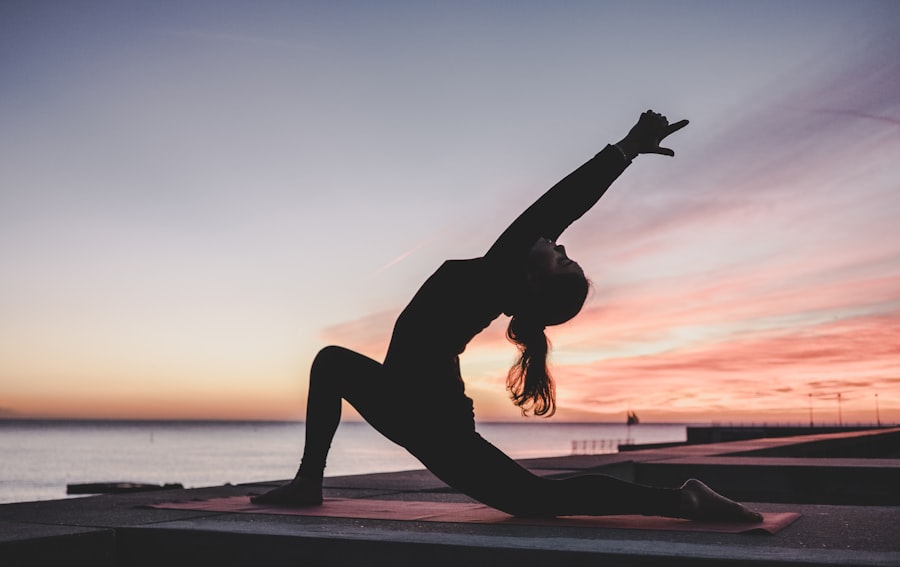
Strength training is often associated with building muscle and increasing strength, but it can also have a positive impact on balance and flexibility. By strengthening the muscles that support your joints and improving overall body strength, you can enhance your balance and flexibility.
Some of the top strength training exercises for improving balance and flexibility include:
1. Squats: Stand with your feet hip-width apart and lower down into a squat position by bending your knees and pushing your hips back. Keep your chest lifted and your weight in your heels. Return to the starting position by pressing through your heels and extending your legs. Repeat this exercise for 10-15 repetitions. Squats strengthen the leg muscles and improve hip flexibility.
2. Lunges: Stand with your feet hip-width apart and take a step forward with one foot, bending both knees to lower down into a lunge position. Keep your front knee directly above your ankle and your back knee hovering just above the ground. Push through your front heel to return to the starting position, then switch legs. Repeat this exercise for 10-15 repetitions on each leg. Lunges strengthen the leg muscles and improve hip flexibility.
3. Deadlifts: Stand with your feet hip-width apart and hold a dumbbell or kettlebell in each hand in front of your thighs. Hinge forward from the hips, keeping your back straight, as you lower the weights towards the ground. Engage your glutes and hamstrings to return to the starting position. Repeat this exercise for 10-15 repetitions. Deadlifts strengthen the back muscles and improve hamstring flexibility.
4. Plank: Start on your hands and knees, then extend your legs straight behind you and come up onto your toes. Engage your core and hold this position for 30 seconds to 1 minute. Plank strengthens the core muscles and improves overall body stability.
5. Shoulder Press: Stand with your feet hip-width apart and hold a dumbbell or kettlebell in each hand at shoulder height, palms facing forward. Press the weights overhead, fully extending your arms, then lower them back down to shoulder height. Repeat this exercise for 10-15 repetitions. Shoulder Press strengthens the shoulder muscles and improves upper body flexibility.
Cardiovascular Exercises for Improved Balance and Flexibility
Cardiovascular exercises, also known as aerobic exercises, are activities that increase your heart rate and breathing rate. While they may not directly target balance and flexibility, they can still have a positive impact on these aspects of physical fitness.
Some of the top cardiovascular exercises for improving balance and flexibility include:
1. Walking: Walking is a low-impact exercise that can be done almost anywhere and at any fitness level. It helps improve cardiovascular health, leg strength, and overall body coordination.
2. Cycling: Cycling is another low-impact exercise that can be done indoors on a stationary bike or outdoors on a bicycle. It strengthens the leg muscles, improves cardiovascular health, and enhances lower body flexibility.
3. Swimming: Swimming is a full-body workout that is gentle on the joints. It improves cardiovascular health, strengthens the muscles, and enhances overall body flexibility.
4. Dancing: Dancing is a fun way to get your heart rate up while improving balance, coordination, and flexibility. Whether it’s salsa, hip-hop, or ballet, dancing can be a great cardiovascular exercise.
5. Jumping Rope: Jumping rope is a high-intensity exercise that not only improves cardiovascular health but also enhances coordination, balance, and lower body flexibility.
Stretching Techniques for Increased Flexibility
Stretching is an essential component of any exercise routine as it helps improve flexibility, prevent muscle imbalances, and reduce the risk of injury. There are various stretching techniques that can be used to increase flexibility.
Some of the top stretching techniques for increasing flexibility include:
1. Static Stretching: Static stretching involves holding a stretch for a prolonged period, typically 30 seconds to 1 minute. It helps lengthen the muscles and improve overall flexibility. Examples of static stretches include the standing forward bend, seated forward bend, and butterfly stretch.
2. Dynamic Stretching: Dynamic stretching involves moving through a range of motion in a controlled manner. It helps warm up the muscles and prepare them for physical activity. Examples of dynamic stretches include arm circles, leg swings, and walking lunges.
3. Proprioceptive Neuromuscular Facilitation (PNF): PNF stretching involves a combination of stretching and contracting muscles to improve flexibility. It is often done with a partner or using a resistance band. PNF stretching can be highly effective in increasing range of motion. Examples of PNF stretches include the hamstring stretch with a partner and the shoulder stretch with a resistance band.
4. Yoga: As mentioned earlier, yoga is a practice that combines physical postures with breathing exercises and meditation. It incorporates various stretching techniques to improve flexibility and promote overall well-being.
Balance Exercises for Seniors and Older Adults
Balance exercises are particularly important for seniors and older adults as they can help prevent falls and maintain independence. As we age, our balance naturally declines, but by incorporating specific exercises into our routine, we can improve balance and reduce the risk of falls.
Some of the top balance exercises for seniors and older adults include:
1. Heel-to-Toe Walk: This exercise was mentioned earlier as one of the top exercises to boost balance and flexibility. It involves walking in a straight line, placing the heel of one foot directly in front of the toes of the other foot with each step. It challenges balance and coordination.
2. Standing Leg Lift: Stand behind a chair or counter for support. Lift one leg straight out in front of you, hold for a few seconds, then lower it back down. Repeat this exercise for 10-15 repetitions on each leg. Standing leg lifts strengthen the leg muscles and improve balance.
3. Tai Chi: Tai Chi is a Chinese martial art that combines slow, flowing movements with deep breathing and mental focus. It is often practiced by older adults to improve balance, flexibility, and overall well-being.
4. Yoga: Yoga, as mentioned earlier, is a practice that can greatly benefit seniors and older adults. It helps improve balance, flexibility, strength, and mental focus.
Tips and Tricks for Maintaining Balance and Flexibility
Incorporating exercises that boost balance and flexibility into your routine is important, but there are also other tips and tricks that can help you maintain these aspects of physical fitness on a daily basis.
1. Practice good posture: Maintaining good posture throughout the day can help improve balance and flexibility. Stand tall with your shoulders back and down, engage your core muscles, and avoid slouching or hunching over.
2. Take breaks from sitting: Sitting for long periods can lead to muscle stiffness and decreased flexibility. Take regular breaks to stand up, stretch, and move around to keep your muscles active and flexible.
3. Incorporate balance exercises into daily activities: Look for opportunities to challenge your balance throughout the day.
Looking to improve your balance and flexibility? Check out this informative article on yoga for joint health. Yoga is not only a great way to increase flexibility, but it also helps to strengthen the muscles around your joints, improving stability and balance. Whether you’re a beginner or an experienced yogi, this article provides valuable tips and poses to enhance your joint health. Don’t miss out on the benefits of incorporating yoga into your fitness routine. Read more here.