
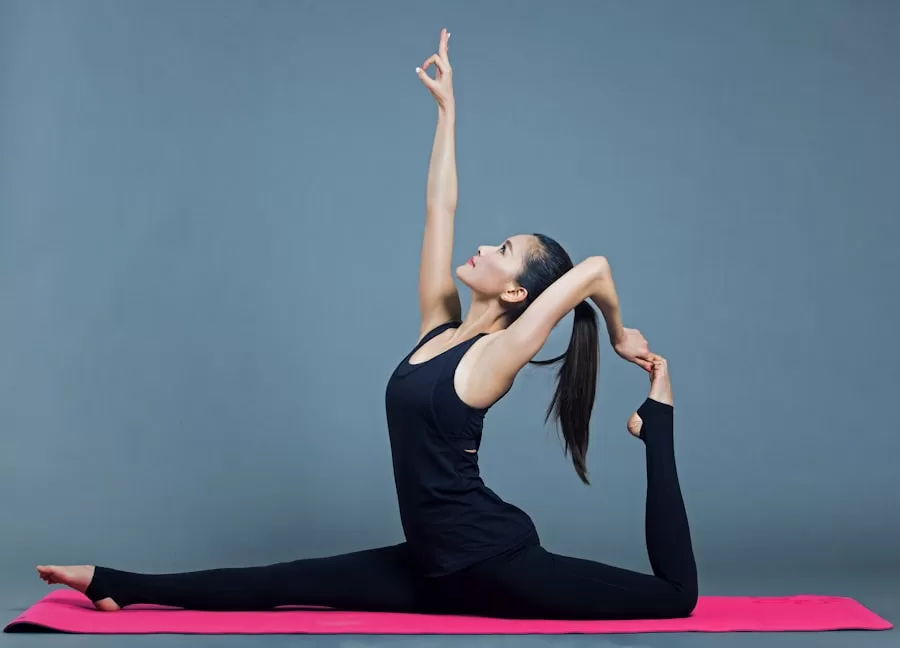

Balance and flexibility are two crucial aspects of fitness that often get overlooked. However, they play a significant role in overall health and well-being. Balance refers to the ability to maintain control and stability while performing various movements, while flexibility refers to the range of motion in your joints and muscles. Both balance and flexibility are essential for everyday activities, such as walking, bending, and reaching.
Improving balance and flexibility can have numerous benefits for your body. It can help prevent injuries by enhancing stability and reducing the risk of falls. It can also improve posture, relieve muscle tension, and increase joint mobility. Additionally, balance and flexibility exercises can enhance athletic performance by improving coordination, agility, and reaction time.
Understanding the Benefits of Exercise on Balance and Flexibility
Exercise is one of the most effective ways to improve balance and flexibility. Regular physical activity helps strengthen the muscles involved in maintaining balance and increases joint mobility. It also improves proprioception, which is the body’s ability to sense its position in space.
Scientific evidence supports the benefits of exercise on balance and flexibility. A study published in the Journal of Aging and Physical Activity found that a 12-week exercise program significantly improved balance in older adults. Another study published in the Journal of Sports Science and Medicine showed that a combination of resistance training and stretching exercises improved flexibility in young adults.
Top Exercises for Improving Balance and Flexibility
There are several exercises that can help improve balance and flexibility. Some of the best exercises for balance include single-leg stands, heel-to-toe walks, and yoga poses such as tree pose and warrior III pose. These exercises target the muscles in your legs, core, and hips, which are essential for maintaining stability.
To improve flexibility, it is important to stretch regularly. Some effective stretching exercises include hamstring stretches, quadriceps stretches, and shoulder stretches. These exercises target the major muscle groups in your body and help increase your range of motion.
Yoga: A Powerful Tool for Boosting Balance and Flexibility
| Metrics | Values |
|---|---|
| Number of yoga poses for balance | Over 20 |
| Number of yoga poses for flexibility | Over 30 |
| Percentage increase in balance after regular yoga practice | Up to 50% |
| Percentage increase in flexibility after regular yoga practice | Up to 35% |
| Number of calories burned during a 60-minute yoga session | Up to 300 |
| Number of yoga studios in the US | Over 36,000 |
Yoga is a popular exercise that can greatly enhance balance and flexibility. It combines physical postures, breathing techniques, and meditation to improve overall well-being. Yoga poses focus on stretching and strengthening the muscles, improving balance, and increasing flexibility.
Some of the most effective yoga poses for enhancing balance include tree pose, eagle pose, and dancer’s pose. These poses challenge your stability and require concentration and focus. For flexibility, yoga poses such as forward folds, seated twists, and pigeon pose are highly beneficial. These poses target the muscles in your legs, hips, and spine, helping to increase your range of motion.
Pilates: Strengthening Your Core and Enhancing Flexibility
Pilates is another exercise that can help improve balance and flexibility. It focuses on strengthening the core muscles, which are essential for maintaining stability and balance. Pilates exercises also target the muscles in the legs, hips, and back, improving overall flexibility.
Some of the most effective Pilates exercises for enhancing balance include the hundred, single-leg stretch, and side plank. These exercises engage the core muscles and challenge your stability. For flexibility, Pilates exercises such as the roll-up, spine stretch forward, and saw are highly beneficial. These exercises target the muscles in your spine and hips, increasing your range of motion.
Tai Chi: A Low-Impact Exercise for Enhancing Balance and Flexibility
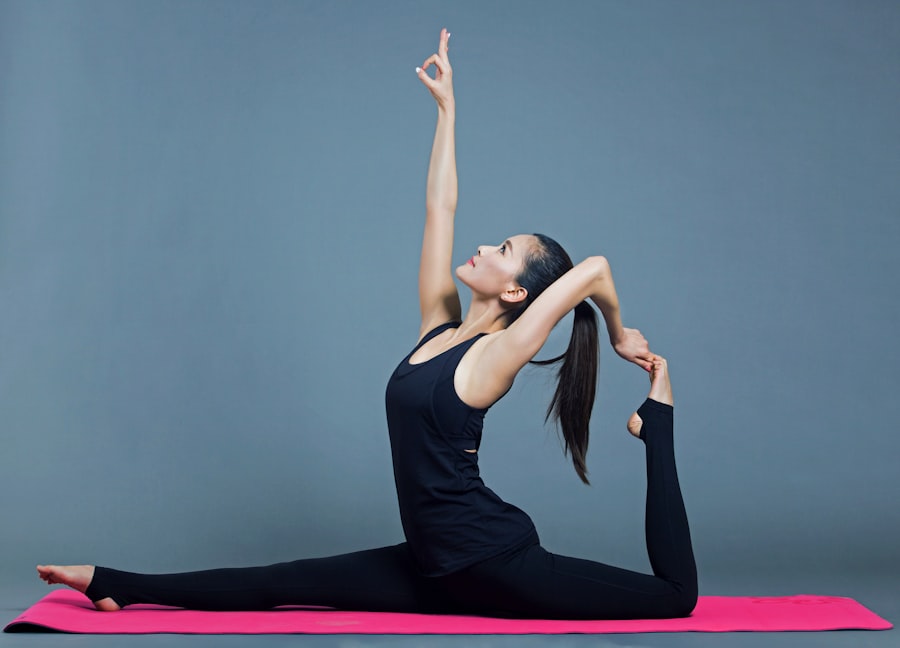
Tai Chi is a low-impact exercise that combines slow, flowing movements with deep breathing and mental focus. It originated in ancient China as a martial art but is now widely practiced for its health benefits. Tai Chi can greatly improve balance and flexibility by promoting body awareness, coordination, and relaxation.
Some key movements and techniques used in Tai Chi include shifting weight from one leg to another, rotating the hips and waist, and maintaining a relaxed and upright posture. These movements help improve balance by strengthening the muscles in the legs and core. Tai Chi also incorporates gentle stretching exercises that enhance flexibility, particularly in the hips and spine.
Incorporating Resistance Training to Improve Balance and Flexibility
Resistance training, also known as strength training, can be highly effective in improving balance and flexibility. It involves using resistance, such as weights or resistance bands, to strengthen the muscles. By increasing muscle strength, resistance training helps improve stability and balance.
Some of the best resistance training exercises for enhancing balance include squats, lunges, and single-leg deadlifts. These exercises target the muscles in your legs, hips, and core, which are essential for maintaining stability. For flexibility, resistance training exercises such as chest stretches, shoulder stretches, and hip stretches are highly beneficial. These exercises target the major muscle groups in your body and help increase your range of motion.
Stretching: A Simple Yet Effective Way to Boost Balance and Flexibility
Stretching is a simple yet effective way to improve balance and flexibility. It involves lengthening the muscles to increase their range of motion. Stretching can be done before or after exercise or as a standalone activity.
Stretching is important for improving balance because it helps lengthen tight muscles that can affect your posture and stability. It also increases joint mobility, allowing for a greater range of motion. Some of the most effective stretching exercises for enhancing balance include calf stretches, hip flexor stretches, and spinal twists.
The Role of Nutrition in Enhancing Balance and Flexibility
Nutrition plays a crucial role in enhancing balance and flexibility. A well-balanced diet provides the necessary nutrients for muscle growth and repair, which is essential for improving stability and flexibility. It also helps maintain a healthy weight, which can reduce strain on the joints and improve overall mobility.
Some of the best foods for enhancing balance and flexibility include fruits and vegetables, which are rich in antioxidants and vitamins that support muscle health. Lean proteins, such as chicken, fish, and tofu, provide the necessary amino acids for muscle repair. Whole grains, such as brown rice and quinoa, provide energy for exercise and help maintain stable blood sugar levels.
Achieving Optimal Balance and Flexibility through Exercise
In conclusion, balance and flexibility are essential aspects of fitness that should not be overlooked. They play a significant role in overall health and well-being by improving stability, reducing the risk of injuries, and enhancing athletic performance. Incorporating a variety of exercises and techniques can help achieve optimal balance and flexibility.
Yoga, Pilates, Tai Chi, resistance training, and stretching are all effective ways to improve balance and flexibility. These exercises target different muscle groups and promote body awareness, coordination, and relaxation. Additionally, proper nutrition plays a crucial role in enhancing balance and flexibility by providing the necessary nutrients for muscle growth and repair.
By incorporating these exercises into your fitness routine and maintaining a healthy diet, you can greatly improve your balance and flexibility. Remember to start slowly and gradually increase the intensity and duration of your workouts. With consistency and dedication, you will see significant improvements in your overall fitness level.
If you’re looking to improve your balance and flexibility, you might also be interested in learning about the benefits of fermented foods. Fermented foods have been gaining popularity due to their numerous health benefits, including improved digestion, enhanced immune function, and increased nutrient absorption. Incorporating fermented foods into your diet can help support overall wellness and complement your exercise routine. To find out more about the benefits of fermented foods, check out this informative article: The Benefits of Fermented Foods.