

Rosacea is a chronic skin condition that primarily affects the face, causing redness, visible blood vessels, and in some cases, small, red, pus-filled bumps. It often begins with a tendency to blush or flush more easily than other people. The symptoms can come and go, and vary from person to person. In some cases, the skin may thicken and enlarge, usually on and around the nose. Rosacea can be mistaken for acne, an allergic reaction or other skin problems. It is most common in people with fair skin, and it typically starts to appear after the age of 30. While the exact cause of rosacea is unknown, it is believed to be a combination of hereditary and environmental factors. Triggers for rosacea can include sun exposure, hot or cold weather, wind, emotional stress, spicy foods, alcohol, and certain skincare products.
Rosacea symptoms can be uncomfortable and embarrassing for those who suffer from it. In addition to the physical symptoms, many people with rosacea also experience emotional distress and a decrease in self-esteem. It’s important for individuals with rosacea to understand their condition and learn how to manage it effectively in order to improve their quality of life.
Diet and Nutrition: How what you eat can impact rosacea
Diet and nutrition play a significant role in managing rosacea symptoms. Certain foods and drinks have been known to trigger flare-ups in some individuals with rosacea. Spicy foods, hot beverages, alcohol, and foods high in histamines are common triggers for rosacea. It’s important for individuals with rosacea to pay attention to their diet and identify any specific triggers that may worsen their symptoms. In addition to avoiding trigger foods, incorporating anti-inflammatory foods such as leafy greens, fatty fish, and berries into the diet can help reduce inflammation and improve overall skin health.
Incorporating a well-balanced diet rich in fruits, vegetables, lean proteins, and healthy fats can also support overall skin health and reduce the severity of rosacea symptoms. Staying hydrated by drinking plenty of water is also important for maintaining healthy skin. Some individuals with rosacea may benefit from working with a registered dietitian or nutritionist to develop a personalized nutrition plan that supports their skin health and overall well-being.
Herbal Remedies: Natural herbs that can help alleviate symptoms
Many individuals with rosacea turn to herbal remedies as a natural way to alleviate symptoms and improve their skin health. Some herbs have anti-inflammatory and antioxidant properties that can help reduce redness and irritation associated with rosacea. Chamomile, green tea, licorice root, and turmeric are among the herbs that have been studied for their potential benefits in managing rosacea symptoms. These herbs can be consumed as teas or incorporated into skincare products to help soothe the skin and reduce inflammation.
In addition to topical applications, some individuals may benefit from taking herbal supplements to support their skin health from the inside out. It’s important to consult with a healthcare professional before using herbal remedies, as they may interact with certain medications or exacerbate existing health conditions. While herbal remedies can be a valuable addition to a holistic approach to managing rosacea, they should be used in conjunction with other lifestyle modifications and under the guidance of a qualified healthcare provider.
Stress Management: Techniques to reduce stress and improve skin health
| Technique | Effect on Skin Health |
|---|---|
| Deep Breathing | Improves circulation and oxygen flow to the skin |
| Yoga | Reduces inflammation and promotes skin elasticity |
| Meditation | Decreases cortisol levels and prevents breakouts |
| Exercise | Increases blood flow and promotes a healthy glow |
| Adequate Sleep | Allows skin to repair and regenerate |
Stress is a common trigger for rosacea flare-ups, so learning effective stress management techniques is essential for individuals with this condition. Practices such as yoga, meditation, deep breathing exercises, and progressive muscle relaxation can help reduce stress levels and improve overall skin health. Engaging in regular physical activity such as walking, swimming, or cycling can also help alleviate stress and promote relaxation.
In addition to incorporating stress-reducing activities into daily life, it’s important for individuals with rosacea to prioritize self-care and make time for activities that bring them joy and relaxation. Spending time in nature, practicing hobbies, and connecting with loved ones can all contribute to a sense of well-being and reduce stress levels. Seeking support from a mental health professional or joining a support group can also be beneficial for managing stress related to rosacea.
Skincare Routine: Tips for choosing natural products and creating a gentle skincare routine
Choosing the right skincare products is crucial for individuals with rosacea, as certain ingredients can exacerbate symptoms and cause irritation. When selecting skincare products, it’s important to look for gentle, fragrance-free formulations that are specifically designed for sensitive skin. Avoiding harsh exfoliants, alcohol-based products, and abrasive cleansers can help prevent further irritation and inflammation.
Incorporating natural ingredients such as aloe vera, chamomile, and oatmeal into skincare products can help soothe the skin and reduce redness associated with rosacea. It’s also important to use sunscreen daily to protect the skin from sun damage, which can worsen rosacea symptoms. Working with a dermatologist or skincare professional can help individuals with rosacea develop a personalized skincare routine that addresses their specific needs and concerns.
Lifestyle Changes: How small changes in your daily habits can improve rosacea symptoms
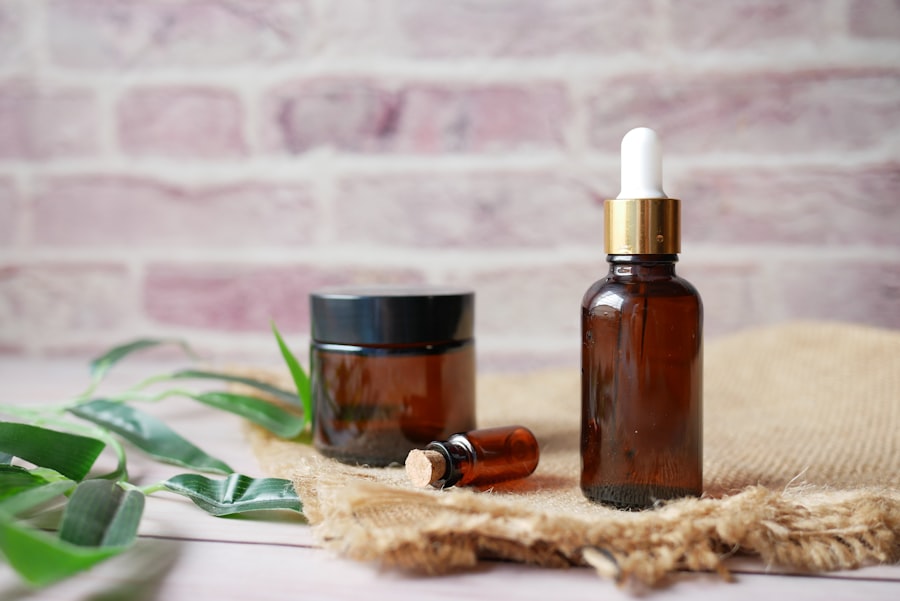
Making small lifestyle changes can have a significant impact on managing rosacea symptoms. Avoiding triggers such as hot beverages, spicy foods, and alcohol can help reduce the frequency and severity of flare-ups. Protecting the skin from harsh weather conditions by wearing sunscreen and protective clothing can also help prevent irritation and redness.
Incorporating stress-reducing activities such as yoga or meditation into daily life can help improve overall skin health and reduce the likelihood of stress-related flare-ups. Getting an adequate amount of sleep each night is also important for supporting skin health and managing rosacea symptoms. By making small but meaningful changes to daily habits, individuals with rosacea can take control of their condition and improve their quality of life.
Seeking Professional Help: When to consult a holistic practitioner for personalized treatment
While self-care strategies and lifestyle modifications can be effective in managing rosacea symptoms, some individuals may benefit from seeking professional help from a holistic practitioner. Holistic practitioners such as naturopathic doctors, acupuncturists, or herbalists can provide personalized treatment plans that address the root causes of rosacea and support overall well-being.
Working with a holistic practitioner can involve exploring natural treatment options such as acupuncture, herbal medicine, dietary supplements, and lifestyle modifications tailored to the individual’s specific needs. Holistic practitioners take a whole-person approach to healthcare, considering the physical, mental, emotional, and spiritual aspects of an individual’s health when developing treatment plans.
In some cases, individuals with rosacea may also benefit from consulting with a dermatologist or skincare professional who specializes in treating sensitive skin conditions. These professionals can provide guidance on skincare products, treatments, and procedures that are safe and effective for managing rosacea symptoms.
In conclusion, managing rosacea requires a comprehensive approach that addresses both the physical symptoms and the emotional impact of the condition. By understanding the triggers for rosacea flare-ups and making lifestyle modifications such as dietary changes, stress management techniques, and gentle skincare routines, individuals with rosacea can take control of their condition and improve their overall quality of life. Seeking professional help from holistic practitioners or skincare professionals can provide additional support and guidance for managing rosacea in a personalized and effective way. With the right combination of self-care strategies and professional guidance, individuals with rosacea can find relief from their symptoms and achieve healthier, more radiant skin.
If you’re looking for a holistic approach to managing rosacea, incorporating stress-relieving yoga poses into your routine can be beneficial. According to a recent article on AERNs, certain yoga poses can help reduce stress and promote overall well-being, which may in turn have a positive impact on rosacea symptoms. Additionally, maintaining a healthy diet, as discussed in another article on AERNs, can also play a role in managing rosacea. By combining these holistic practices, individuals with rosacea may find relief and improved skin health.