
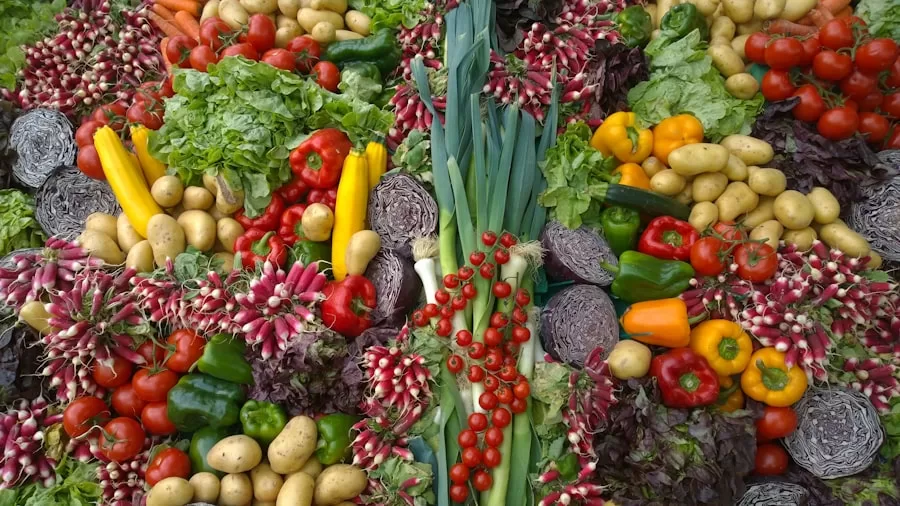

When it comes to weight loss, many people focus on cutting calories and increasing physical activity. However, one of the most overlooked aspects of a successful weight loss journey is the inclusion of nutrient-packed vegetables in the diet. Vegetables are not only low in calories and high in fiber, but they also provide essential vitamins, minerals, and antioxidants that are crucial for overall health and well-being. In this article, we will explore the various nutrient-packed veggies that can aid in weight loss, the benefits of including them in your diet, and how to incorporate them into your meal plan. Additionally, we will discuss the best cooking methods for retaining the nutrients in veggies and provide some delicious and healthy recipes to help you get started on your veggie-filled weight loss journey.
Nutrient-Packed Veggies for Weight Loss
When it comes to weight loss, not all vegetables are created equal. Some veggies are particularly nutrient-packed and can aid in shedding those extra pounds. Leafy greens such as spinach, kale, and Swiss chard are excellent choices as they are low in calories and high in fiber, which can help you feel full and satisfied without consuming too many calories. Cruciferous vegetables like broccoli, cauliflower, and Brussels sprouts are also great options for weight loss as they are rich in fiber and provide a good amount of protein, which can help boost metabolism and promote fat loss. Additionally, bell peppers, carrots, and cucumbers are excellent choices as they are low in calories and high in water content, making them great for snacking and keeping you hydrated. These veggies are also packed with essential vitamins and minerals such as vitamin C, vitamin A, and potassium, which are important for overall health and well-being.
Benefits of Including Veggies in a Weight Loss Diet
Including a variety of vegetables in your weight loss diet can offer numerous benefits beyond just shedding pounds. Vegetables are rich in essential nutrients such as vitamins, minerals, and antioxidants that are crucial for overall health and well-being. They can help reduce the risk of chronic diseases such as heart disease, diabetes, and certain types of cancer. Additionally, the high fiber content in vegetables can aid in digestion, promote gut health, and help regulate blood sugar levels. Furthermore, the low calorie and high water content of many vegetables can help you feel full and satisfied while consuming fewer calories, making it easier to maintain a calorie deficit for weight loss. Including a variety of colorful vegetables in your diet can also provide a wide range of antioxidants that can help reduce inflammation and oxidative stress in the body, promoting overall health and well-being.
How to Incorporate Veggies into Your Weight Loss Meal Plan
| Vegetable | Serving Size | Calories | Fiber (g) | Protein (g) |
|---|---|---|---|---|
| Spinach | 1 cup | 7 | 0.7 | 0.9 |
| Broccoli | 1 cup | 55 | 2.4 | 4.2 |
| Carrots | 1 cup | 52 | 3.6 | 1.2 |
| Bell Peppers | 1 cup | 46 | 2.5 | 1.5 |
Incorporating vegetables into your weight loss meal plan can be easy and delicious with a little creativity. Start by adding a serving of non-starchy vegetables to each meal, such as a side salad, steamed broccoli, or sautéed spinach. You can also bulk up your meals with veggies by adding them to soups, stews, stir-fries, and omelets. Another great way to incorporate veggies into your meal plan is by replacing high-calorie or high-carb foods with low-calorie, nutrient-packed veggies. For example, you can swap out pasta for zucchini noodles or cauliflower rice, or use lettuce wraps instead of tortillas or bread. Additionally, incorporating veggies into snacks such as carrot sticks with hummus or cucumber slices with guacamole can help keep you satisfied between meals without consuming too many calories.
Best Cooking Methods for Retaining Nutrients in Veggies
The way you cook your vegetables can have a significant impact on their nutrient content. To retain the maximum amount of nutrients in your veggies, it’s important to use cooking methods that preserve their natural goodness. Steaming is one of the best cooking methods for retaining nutrients in vegetables as it helps to preserve their color, texture, and nutrient content. Boiling is another good option, but be sure to use minimal water and avoid overcooking to prevent the loss of water-soluble vitamins. Sautéing vegetables in a small amount of healthy oil can also help retain their nutrients while adding flavor. Roasting is a delicious way to cook veggies while preserving their nutrients, but be mindful of the cooking time and temperature to prevent excessive nutrient loss. It’s important to avoid deep-frying or overcooking vegetables as these methods can lead to a significant loss of nutrients.
Sample Recipes Featuring Weight Loss Veggies
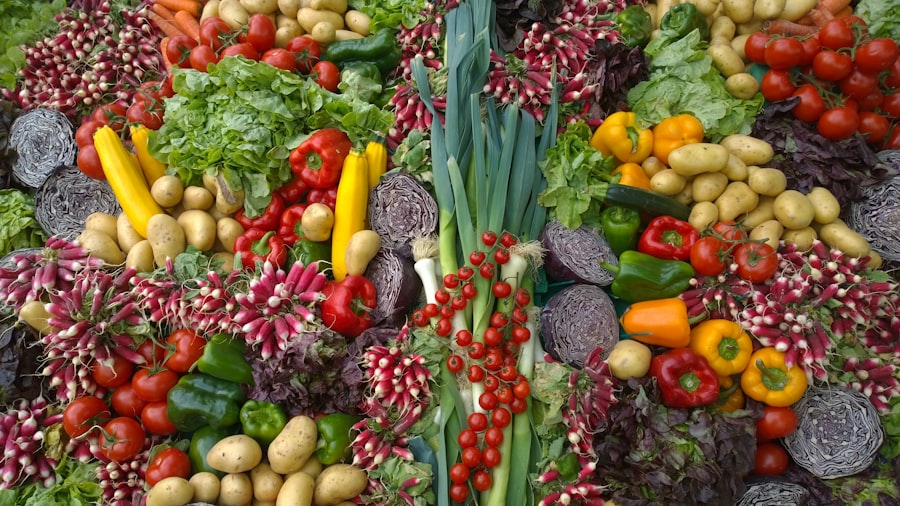
Incorporating weight loss veggies into your meals can be both delicious and satisfying. Here are a few sample recipes featuring nutrient-packed veggies that you can try:
1. Spinach and Feta Stuffed Chicken Breast: This recipe features nutrient-packed spinach and flavorful feta cheese stuffed into a juicy chicken breast. Serve it with a side of roasted broccoli for a complete and satisfying meal.
2. Cauliflower Fried Rice: Swap out traditional rice for cauliflower rice in this healthy and delicious fried rice recipe. Packed with colorful veggies such as carrots, peas, and bell peppers, this dish is low in calories but high in flavor.
3. Grilled Veggie Skewers: Load up skewers with an assortment of colorful veggies such as bell peppers, zucchini, cherry tomatoes, and mushrooms. Grill them to perfection and serve with a side of protein for a nutritious and satisfying meal.
4. Kale and Quinoa Salad: Toss nutrient-packed kale with cooked quinoa, cherry tomatoes, cucumbers, and a light vinaigrette for a refreshing and filling salad that’s perfect for lunch or dinner.
These sample recipes showcase just a few of the many delicious ways you can incorporate weight loss veggies into your meal plan.
Making Veggies a Staple in Your Weight Loss Journey
In conclusion, including a variety of nutrient-packed vegetables in your weight loss diet can offer numerous benefits beyond just shedding pounds. Vegetables are low in calories, high in fiber, and packed with essential vitamins, minerals, and antioxidants that are crucial for overall health and well-being. By incorporating veggies into your meal plan and using cooking methods that retain their nutrients, you can enjoy delicious and satisfying meals while working towards your weight loss goals. Whether you’re enjoying a colorful salad, a hearty stir-fry, or a refreshing smoothie packed with leafy greens, making veggies a staple in your weight loss journey can help you achieve long-term success while promoting overall health and well-being. So next time you’re planning your meals, be sure to load up on nutrient-packed veggies to support your weight loss goals and enjoy all the benefits they have to offer.
Looking to shed some pounds? Check out our article on the best veggies for weight loss. Incorporating these nutrient-packed vegetables into your diet can help you reach your weight loss goals. And if you’re looking for a holistic approach to wellness, be sure to explore our article on yoga and meditation, which offers insights into its benefits and techniques. For sustainable weight loss, healthy eating habits are key, so don’t miss our guide on how to develop and maintain these habits. And if stress is a factor in your weight management journey, consider incorporating yoga into your routine as a powerful tool for stress management. Learn more about the connection between healthy eating habits and sustainable weight loss.