
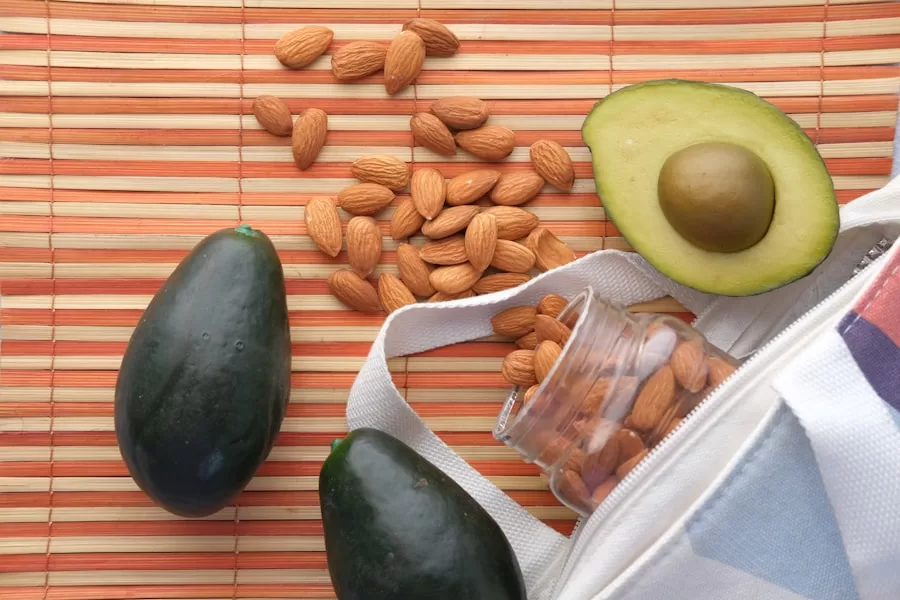

Antioxidants are compounds that play a crucial role in maintaining our overall health and well-being. They help protect our cells from damage caused by harmful molecules called free radicals. Free radicals are unstable molecules that can cause oxidative stress, leading to various health problems such as inflammation, heart disease, and cancer. Fortunately, our bodies have a natural defense system in the form of antioxidants, which neutralize these free radicals and prevent them from causing harm.
Antioxidants can be found in a variety of foods, including fruits, vegetables, nuts, seeds, and even dark chocolate. By incorporating these antioxidant-rich foods into our diet, we can ensure that our bodies have the necessary tools to combat oxidative stress and maintain optimal health.
Understanding the Importance of Antioxidants in Your Diet
Free radicals are highly reactive molecules that are produced as a byproduct of normal bodily processes such as metabolism and immune response. They can also be generated by external factors such as pollution, cigarette smoke, and radiation. When free radicals accumulate in the body, they can cause damage to cells, proteins, and DNA.
This damage can lead to chronic inflammation, which is associated with a wide range of health problems including heart disease, diabetes, and cancer. Antioxidants play a crucial role in neutralizing these free radicals and preventing them from causing further damage.
Consuming a variety of antioxidant-rich foods is important because different antioxidants target different types of free radicals. By incorporating a wide range of antioxidant sources into our diet, we can ensure that we are providing our bodies with the necessary tools to combat oxidative stress and maintain optimal health.
Berries: A Powerhouse of Antioxidants and Nutrients
Berries are not only delicious but also packed with antioxidants. They are rich in compounds such as anthocyanins, which give them their vibrant colors and provide powerful antioxidant properties. Some examples of antioxidant-rich berries include blueberries, strawberries, raspberries, and blackberries.
In addition to antioxidants, berries are also a great source of other important nutrients such as fiber and vitamin C. Fiber helps promote healthy digestion and can aid in weight management, while vitamin C is essential for immune function and collagen production.
There are many ways to incorporate berries into your diet. You can enjoy them fresh as a snack, add them to smoothies or yogurt, or use them as a topping for oatmeal or salads. Including a variety of berries in your diet can provide a wide range of antioxidants and nutrients to support your overall health.
Leafy Greens: A Vital Source of Antioxidants and Essential Vitamins
| Leafy Greens | Antioxidants | Essential Vitamins |
|---|---|---|
| Spinach | Contains high levels of vitamin C, beta-carotene, and lutein, which are all powerful antioxidants | Rich in vitamin K, vitamin A, and folate |
| Kale | Contains high levels of vitamin C, beta-carotene, and flavonoids, which are all powerful antioxidants | Rich in vitamin K, vitamin A, and vitamin C |
| Collard Greens | Contains high levels of vitamin C, beta-carotene, and flavonoids, which are all powerful antioxidants | Rich in vitamin K, vitamin A, and folate |
| Arugula | Contains high levels of vitamin C, beta-carotene, and flavonoids, which are all powerful antioxidants | Rich in vitamin K and vitamin C |
| Swiss Chard | Contains high levels of vitamin C, beta-carotene, and flavonoids, which are all powerful antioxidants | Rich in vitamin K, vitamin A, and vitamin C |
Leafy greens such as spinach, kale, and Swiss chard are not only low in calories but also packed with antioxidants. They contain compounds such as lutein and zeaxanthin, which have been shown to protect against age-related macular degeneration.
In addition to antioxidants, leafy greens are also rich in other essential vitamins and minerals. For example, spinach is an excellent source of vitamin K, which is important for blood clotting and bone health. Kale is packed with folate, which is crucial for cell growth and development.
There are many ways to incorporate leafy greens into your diet. You can add them to salads, sauté them with garlic and olive oil, or blend them into smoothies. By including a variety of leafy greens in your diet, you can ensure that you are getting a wide range of antioxidants and essential nutrients.
Nuts and Seeds: Rich in Antioxidants and Healthy Fats
Nuts and seeds are not only a great source of protein but also packed with antioxidants. Some examples of antioxidant-rich nuts include almonds, walnuts, and pistachios. Similarly, seeds such as chia seeds, flaxseeds, and pumpkin seeds are also rich in antioxidants.
In addition to antioxidants, nuts and seeds are also a great source of healthy fats. These fats, such as omega-3 fatty acids, are important for brain health and can help reduce inflammation in the body.
There are many ways to incorporate nuts and seeds into your diet. You can enjoy them as a snack, sprinkle them on top of salads or yogurt, or use them as a topping for oatmeal or smoothies. By including a variety of nuts and seeds in your diet, you can provide your body with a wide range of antioxidants and healthy fats.
Dark Chocolate: A Delicious and Antioxidant-Rich Treat
Dark chocolate is not only delicious but also packed with antioxidants. It contains compounds such as flavonoids, which have been shown to have powerful antioxidant properties. In fact, dark chocolate has been found to have higher antioxidant activity than many fruits and vegetables.
In addition to antioxidants, dark chocolate also has other health benefits. It has been shown to improve heart health by reducing blood pressure and improving blood flow. It may also help improve brain function by increasing blood flow to the brain.
When choosing dark chocolate, opt for varieties that have a high percentage of cocoa (70% or higher) and minimal added sugars. Enjoying a small piece of dark chocolate as an occasional treat can provide you with a delicious source of antioxidants and other health benefits.
Colorful Fruits and Vegetables: A Rainbow of Antioxidants for Your Health
Fruits and vegetables come in a variety of colors, and each color represents different types of antioxidants. For example, red fruits and vegetables such as tomatoes and watermelon contain lycopene, while orange fruits and vegetables such as carrots and sweet potatoes contain beta-carotene.
In addition to antioxidants, colorful fruits and vegetables are also rich in other important nutrients such as potassium and vitamin A. Potassium is important for maintaining healthy blood pressure, while vitamin A is essential for vision and immune function.
There are many ways to incorporate colorful fruits and vegetables into your diet. You can enjoy them fresh as a snack, add them to salads or stir-fries, or blend them into smoothies. By including a variety of colorful fruits and vegetables in your diet, you can provide your body with a wide range of antioxidants and essential nutrients.
Herbs and Spices: Adding Flavor and Antioxidants to Your Meals
Herbs and spices not only add flavor to your meals but also provide a powerful dose of antioxidants. Some examples of antioxidant-rich herbs and spices include turmeric, cinnamon, and oregano.
In addition to antioxidants, herbs and spices also have other health benefits. For example, turmeric contains a compound called curcumin, which has been shown to have anti-inflammatory properties. Cinnamon has been found to help regulate blood sugar levels, while oregano has antimicrobial properties.
There are many ways to incorporate herbs and spices into your meals. You can use them to season meats and vegetables, add them to soups or stews, or sprinkle them on top of roasted vegetables. By including a variety of herbs and spices in your diet, you can add flavor to your meals while providing your body with a wide range of antioxidants and other health benefits.
Green Tea: A Refreshing and Antioxidant-Packed Beverage
Green tea is not only a refreshing beverage but also packed with antioxidants. It contains compounds called catechins, which have been shown to have powerful antioxidant properties. In fact, green tea has been found to have higher antioxidant activity than many fruits and vegetables.
In addition to antioxidants, green tea also has other health benefits. It has been shown to improve brain function by increasing alertness and focus. It may also help boost metabolism and aid in weight loss.
To incorporate green tea into your diet, you can enjoy it hot or cold. You can also add a squeeze of lemon or a drizzle of honey for added flavor. By including green tea in your diet, you can provide your body with a refreshing source of antioxidants and other health benefits.
Beans and Legumes: A Nutritious and Antioxidant-Rich Protein Source
Beans and legumes are not only a great source of protein but also packed with antioxidants. Some examples of antioxidant-rich beans and legumes include black beans, kidney beans, and lentils.
In addition to antioxidants, beans and legumes are also a great source of other important nutrients such as fiber and iron. Fiber helps promote healthy digestion and can aid in weight management, while iron is important for oxygen transport in the body.
There are many ways to incorporate beans and legumes into your diet. You can add them to soups or stews, use them as a filling for tacos or burritos, or blend them into dips or spreads. By including a variety of beans and legumes in your diet, you can provide your body with a wide range of antioxidants and essential nutrients.
Omega-3 Fatty Acids: An Essential Nutrient with Antioxidant Properties
Omega-3 fatty acids are essential fats that have been shown to have antioxidant properties. They help reduce inflammation in the body and protect against oxidative stress. Some examples of foods rich in omega-3 fatty acids include fatty fish such as salmon and sardines, as well as flaxseeds and chia seeds.
In addition to their antioxidant properties, omega-3 fatty acids also have other health benefits. They have been shown to improve heart health by reducing blood pressure and triglyceride levels. They may also help improve brain function and reduce the risk of age-related cognitive decline.
There are many ways to incorporate omega-3 fatty acids into your diet. You can enjoy fatty fish as a main course, sprinkle flaxseeds or chia seeds on top of yogurt or oatmeal, or use them as an egg substitute in baking. By including a variety of omega-3-rich foods in your diet, you can provide your body with a wide range of antioxidants and other health benefits.
Incorporating a variety of antioxidant-rich foods into your diet is essential for maintaining optimal health. Antioxidants play a crucial role in neutralizing free radicals and preventing oxidative stress, which can lead to various health problems. By including foods such as berries, leafy greens, nuts and seeds, dark chocolate, colorful fruits and vegetables, herbs and spices, green tea, beans and legumes, and omega-3 fatty acids in your diet, you can provide your body with a wide range of antioxidants and essential nutrients. So go ahead and start adding these antioxidant powerhouses to your meals for a healthier and happier you.
Looking for a way to boost your antioxidant intake? Check out this informative article on the importance of incorporating foods high in antioxidants into your diet. From berries and dark chocolate to leafy greens and nuts, these antioxidant-rich foods can help protect your cells from damage caused by free radicals. To learn more about the benefits of antioxidants and how they can improve your overall health, click here: https://www.aerns.com/the-importance-of-antioxidants-in-your-diet/.