

Antioxidants are compounds that help protect the body against damage caused by harmful molecules called free radicals. Free radicals are unstable molecules that can cause oxidative stress, which can lead to cell damage and contribute to the development of chronic diseases such as cancer, heart disease, and Alzheimer’s. Antioxidants work by neutralizing these free radicals, preventing them from causing harm to the body.
Including antioxidant-rich foods in your diet is essential for maintaining good health. These foods are packed with vitamins, minerals, and other beneficial compounds that can help support the immune system, reduce inflammation, and promote overall well-being. By incorporating a variety of antioxidant-rich foods into your daily diet, you can ensure that your body is getting the necessary nutrients it needs to function optimally.
Understanding Free Radicals and their Harmful Effects on the Body
Free radicals are highly reactive molecules that are produced naturally in the body as a byproduct of various metabolic processes. They can also be generated by exposure to environmental factors such as pollution, radiation, and cigarette smoke. When free radicals accumulate in the body, they can cause damage to cells, proteins, and DNA.
This damage can lead to a variety of health problems, including inflammation, premature aging, and chronic diseases. Free radicals have been linked to conditions such as cancer, heart disease, diabetes, and neurodegenerative disorders like Alzheimer’s and Parkinson’s disease.
Antioxidants play a crucial role in neutralizing free radicals and protecting against their harmful effects. They do this by donating an electron to the free radical, stabilizing it and preventing it from causing further damage. By consuming antioxidant-rich foods, you can increase your body’s defense against free radicals and reduce the risk of developing chronic diseases.
Top Antioxidant-Rich Foods to Include in Your Diet
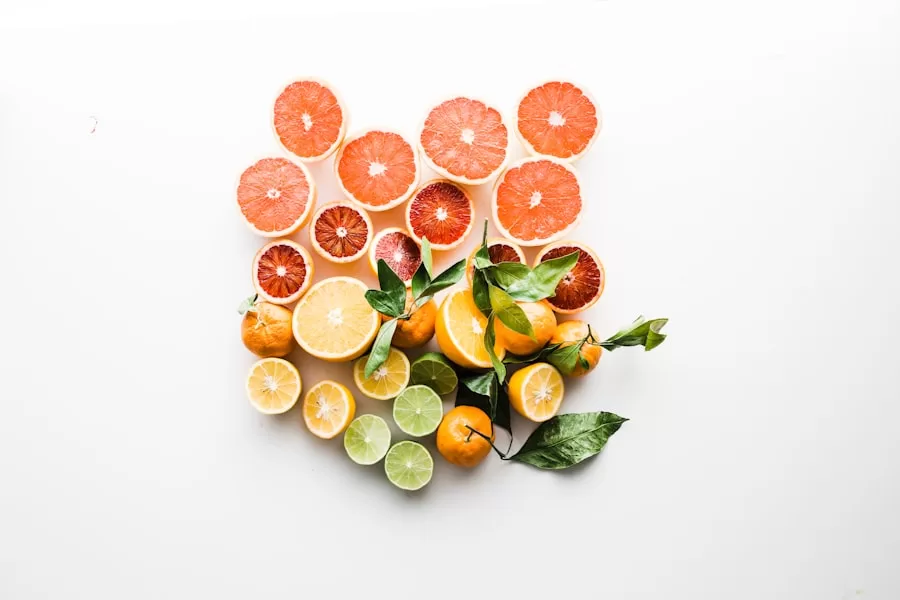
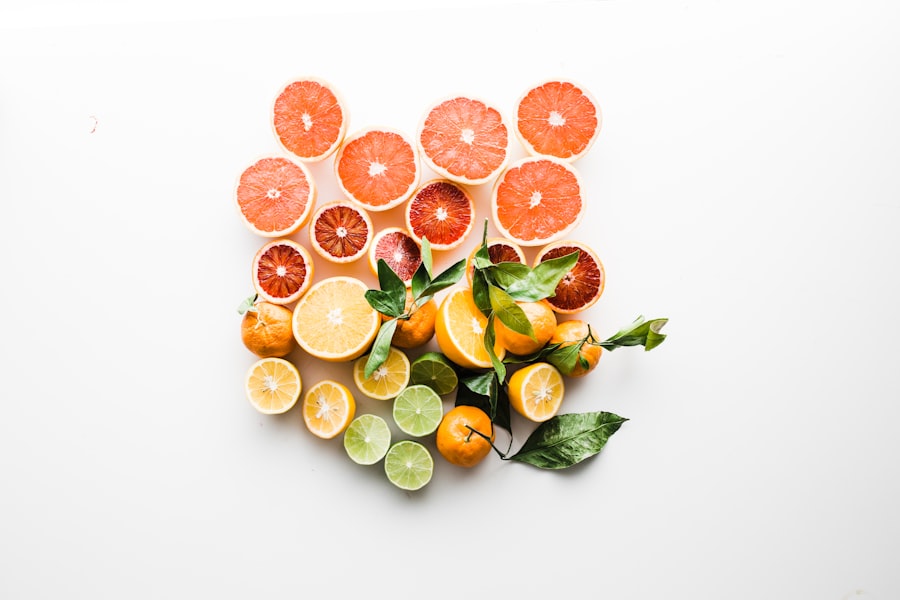
There are many different types of foods that are high in antioxidants. Fruits and vegetables are some of the best sources, as they are rich in vitamins, minerals, and phytochemicals that have antioxidant properties. Some examples of antioxidant-rich fruits include berries, citrus fruits, and tropical fruits like mangoes and papayas. Vegetables such as leafy greens, broccoli, and bell peppers are also excellent sources of antioxidants.
In addition to fruits and vegetables, other foods that are high in antioxidants include nuts and seeds, whole grains, legumes, and spices. Each type of antioxidant works differently in the body, targeting different types of free radicals and providing unique health benefits. For example, vitamin C is a powerful antioxidant found in citrus fruits that helps boost the immune system and protect against oxidative stress. Vitamin E, on the other hand, is found in nuts and seeds and helps protect cell membranes from damage.
Berries: The Ultimate Antioxidant Superfood
| Berry Type | Antioxidant Capacity (ORAC Value) | Vitamin C Content (mg per 100g) | Fiber Content (g per 100g) |
|---|---|---|---|
| Blueberries | 9,621 | 9.7 | 2.4 |
| Blackberries | 5,905 | 21 | 5.3 |
| Raspberries | 4,882 | 26.2 | 6.5 |
| Strawberries | 4,302 | 58.8 | 2 |
| Cranberries | 9,090 | 13.3 | 4.6 |
Berries are often referred to as the ultimate antioxidant superfood due to their high concentration of antioxidants. They are packed with vitamins, minerals, fiber, and phytochemicals that have been shown to have numerous health benefits. Some of the most antioxidant-rich berries include blueberries, strawberries, raspberries, and blackberries.
Blueberries are particularly known for their high levels of antioxidants called anthocyanins. These compounds give blueberries their vibrant color and have been shown to have anti-inflammatory and neuroprotective effects. Strawberries are another excellent source of antioxidants, including vitamin C and ellagic acid, which has been shown to have anti-cancer properties.
Incorporating berries into your diet is easy and delicious. You can enjoy them fresh as a snack or add them to smoothies, yogurt, oatmeal, or salads. Frozen berries are also a convenient option and can be used in baking or blended into smoothies.
Dark Chocolate: A Delicious and Healthy Source of Antioxidants
Dark chocolate is not only a delicious treat but also a healthy source of antioxidants. It contains a high concentration of cocoa solids, which are rich in flavonoids, a type of antioxidant. Flavonoids have been shown to have numerous health benefits, including reducing inflammation, improving heart health, and protecting against oxidative stress.
When choosing dark chocolate, it’s important to opt for high-quality varieties that have a high percentage of cocoa solids. Look for dark chocolate that is at least 70% cocoa to ensure that you are getting the most antioxidants. Avoid chocolates that are high in sugar and other additives, as these can negate the health benefits.
To incorporate dark chocolate into your diet, enjoy a small piece as a dessert or snack. You can also use it in baking or melt it and drizzle it over fruits or yogurt for a decadent treat.
Leafy Greens: The Nutrient-Dense Powerhouses of Antioxidants
Leafy greens are some of the most nutrient-dense foods available and are packed with antioxidants. They are rich in vitamins A, C, and K, as well as minerals like iron and calcium. Some examples of antioxidant-rich leafy greens include spinach, kale, Swiss chard, and arugula.
Spinach is particularly high in antioxidants such as lutein and zeaxanthin, which are beneficial for eye health. Kale is another powerhouse green that contains high levels of vitamins A, C, and K, as well as antioxidants like quercetin and kaempferol.
To incorporate leafy greens into your diet, try adding them to salads, stir-fries, soups, or smoothies. You can also sauté them with garlic and olive oil for a quick and nutritious side dish.
Nuts and Seeds: A Convenient Snack Packed with Antioxidants
Nuts and seeds are not only a convenient and portable snack but also a great source of antioxidants. They are rich in healthy fats, fiber, protein, vitamins, and minerals. Some examples of antioxidant-rich nuts and seeds include almonds, walnuts, flaxseeds, and chia seeds.
Almonds are particularly high in vitamin E, a powerful antioxidant that helps protect cell membranes from damage. Walnuts are another excellent source of antioxidants, including ellagic acid and melatonin, which have been shown to have anti-inflammatory and neuroprotective effects.
To incorporate nuts and seeds into your diet, enjoy them as a snack on their own or add them to salads, yogurt, or oatmeal. You can also use them in baking or make your own trail mix with a variety of nuts and seeds.
Spices and Herbs: The Flavorful Way to Boost Your Antioxidant Intake
Spices and herbs not only add flavor to your meals but also provide a significant amount of antioxidants. Many spices and herbs have been used for centuries for their medicinal properties and are rich in beneficial compounds that have antioxidant effects.
Some examples of antioxidant-rich spices and herbs include turmeric, cinnamon, ginger, garlic, and oregano. Turmeric contains a compound called curcumin, which has potent antioxidant and anti-inflammatory properties. Cinnamon is another spice that is high in antioxidants and has been shown to help regulate blood sugar levels.
To incorporate spices and herbs into your diet, experiment with different flavors in your cooking. Add turmeric to curries or smoothies, sprinkle cinnamon on oatmeal or yogurt, use ginger in stir-fries or teas, and add garlic or oregano to sauces or marinades.
The Role of Antioxidants in Preventing Chronic Diseases
Research has shown that antioxidants play a crucial role in preventing chronic diseases such as cancer, heart disease, and Alzheimer’s. These diseases are often characterized by oxidative stress and inflammation, which can be mitigated by the consumption of antioxidant-rich foods.
Studies have found that a diet rich in antioxidants can help reduce the risk of developing certain types of cancer, including breast, lung, and colon cancer. Antioxidants have also been shown to improve heart health by reducing inflammation, lowering blood pressure, and improving cholesterol levels.
In addition, antioxidants have been found to have neuroprotective effects and may help prevent or slow down the progression of neurodegenerative diseases like Alzheimer’s and Parkinson’s. They can help protect brain cells from damage and reduce inflammation in the brain.
Tips for Incorporating Antioxidant-Rich Foods into Your Daily Diet
Incorporating antioxidant-rich foods into your daily diet doesn’t have to be complicated. Here are some practical tips to help you boost your antioxidant intake:
1. Plan your meals: Take the time to plan your meals and snacks in advance to ensure that you are including a variety of antioxidant-rich foods. This can help you make healthier choices and ensure that you are getting a good balance of nutrients.
2. Include a variety of fruits and vegetables: Aim to include a variety of colorful fruits and vegetables in your diet to ensure that you are getting a wide range of antioxidants. Try to include at least one serving of berries or citrus fruits each day.
3. Snack on nuts and seeds: Keep a stash of nuts and seeds on hand for a convenient and healthy snack option. Choose unsalted varieties to avoid excessive sodium intake.
4. Experiment with spices and herbs: Get creative with your cooking by experimenting with different spices and herbs. Not only will they add flavor to your meals, but they will also provide a boost of antioxidants.
5. Choose high-quality dark chocolate: When indulging in chocolate, opt for high-quality dark chocolate with a high percentage of cocoa solids. Enjoy it in moderation as part of a balanced diet.
Incorporating antioxidant-rich foods into your daily diet is essential for maintaining good health and preventing chronic diseases. Fruits, vegetables, nuts, seeds, spices, and herbs are all excellent sources of antioxidants and can provide a wide range of health benefits. By including a variety of these foods in your diet, you can ensure that your body is getting the necessary nutrients it needs to function optimally. So start adding more berries, dark chocolate, leafy greens, nuts, seeds, spices, and herbs to your meals and snacks to boost your antioxidant intake and support your overall well-being.
If you’re looking to boost your antioxidant intake, you’ll definitely want to check out this article on the best juices for a strong cardiovascular system. Not only are these juices delicious and refreshing, but they are also packed with powerful antioxidants that can help protect your heart health. Whether you’re a fan of beet juice, pomegranate juice, or green tea, this article has got you covered. So why not give your heart some love and explore the benefits of these antioxidant-rich juices? For more information, click here.