
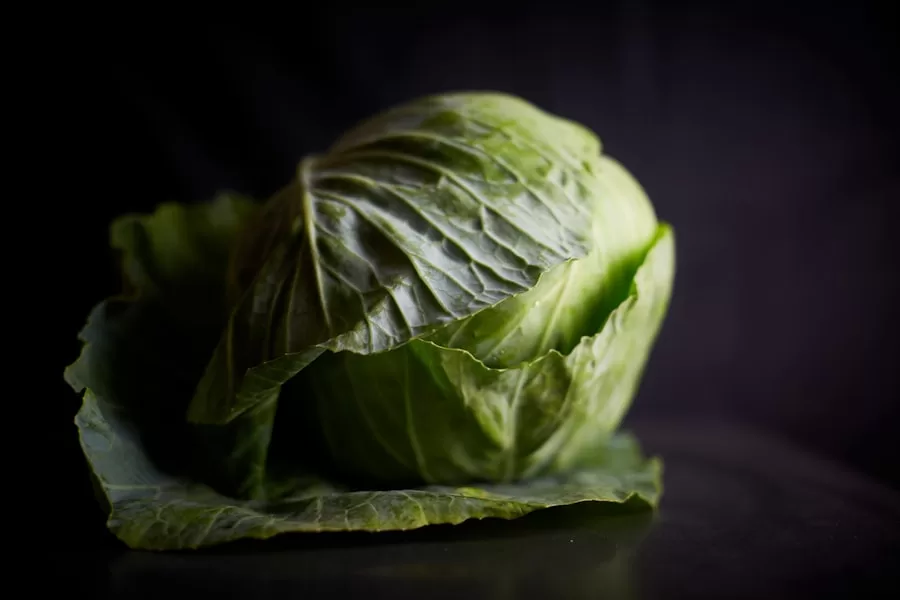

Cabbage has been a staple in diets around the world for centuries. With its origins dating back to ancient times, cabbage has been enjoyed for its versatility and nutritional benefits. Today, cabbage is considered a superfood due to its low-carb properties and abundance of vitamins and minerals. In this article, we will explore the surprising nutritional benefits of cabbage, its role in weight loss efforts, its detoxifying properties, its impact on gut health, its ability to lower cholesterol levels, and its powerful antioxidant properties. Additionally, we will provide delicious low-carb recipes using cabbage and offer tips for incorporating this superfood into your daily diet.
Nutritional Benefits of Cabbage
Cabbage may seem like a simple vegetable, but it is packed with surprising nutritional content. One of the most perplexing facts about cabbage is its low-carb and low-calorie properties. With only 22 calories per cup, cabbage is an excellent choice for those looking to maintain a healthy weight or follow a low-carb diet. Additionally, cabbage is rich in vitamins and minerals such as vitamin C, vitamin K, vitamin B6, folate, calcium, potassium, and manganese.
Cabbage: A Versatile Ingredient in Low-Carb Diets
Cabbage is not only nutritious but also incredibly versatile in the kitchen. It can be used in a variety of unexpected ways to add flavor and texture to dishes while keeping them low-carb. For example, cabbage can be used as a replacement for high-carb ingredients like pasta or rice. By shredding or spiralizing cabbage, you can create a low-carb alternative that pairs well with sauces or stir-fries. Additionally, cabbage can be used as a wrap for tacos or sandwiches, providing a crunchy and low-carb option.
How Cabbage Boosts Weight Loss Efforts
| Benefits of Cabbage for Weight Loss |
|---|
| Low in calories |
| High in fiber |
| Rich in vitamin C |
| Contains antioxidants |
| May reduce inflammation |
| May improve digestion |
| May regulate blood sugar levels |
| May promote satiety |
If you’re looking to shed some pounds, cabbage can be a valuable ally in your weight loss journey. One of the reasons cabbage is beneficial for weight loss is its high fiber content. Fiber helps promote satiety, keeping you feeling full for longer periods and reducing the likelihood of overeating. Additionally, cabbage is low in calories and carbohydrates, making it an excellent choice for those following a low-calorie or low-carb diet. Several studies have also shown a link between cabbage consumption and weight loss, further supporting its role in boosting weight loss efforts.
Cabbage: A Natural Detoxifier for the Body
Cabbage may not be the first food that comes to mind when thinking about detoxification, but it has surprising detoxifying properties. Cabbage contains sulfur compounds that help support liver function and aid in the body’s natural detoxification process. These compounds assist in breaking down toxins and eliminating them from the body. Studies have shown that cabbage consumption can improve liver health and reduce the risk of liver diseases such as fatty liver disease.
The Role of Cabbage in Maintaining a Healthy Gut
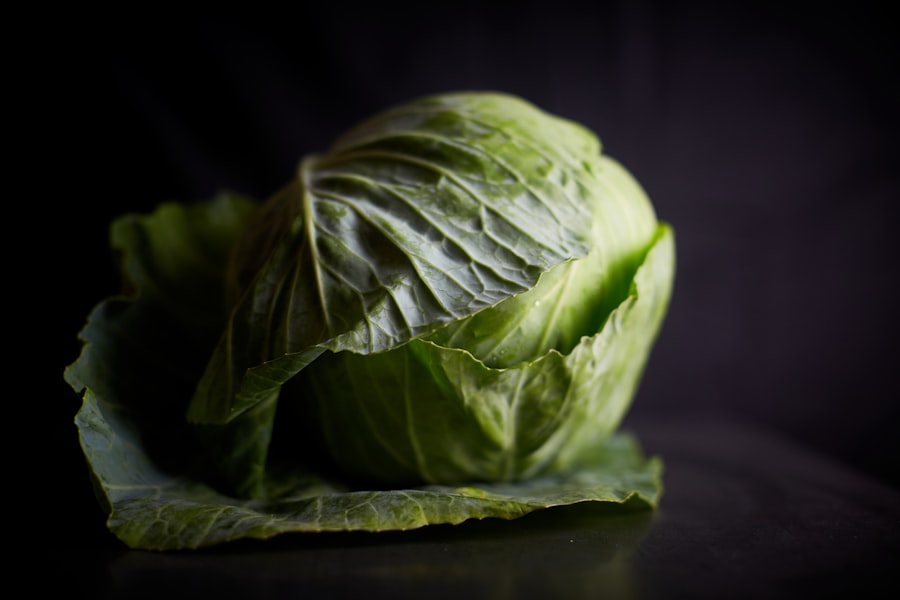
Maintaining a healthy gut is essential for overall well-being, and cabbage can play a significant role in promoting gut health. Cabbage contains prebiotic fibers that act as food for beneficial gut bacteria. These fibers help nourish the gut microbiome, promoting the growth of healthy bacteria and improving digestion. Studies have shown that cabbage consumption can lead to increased levels of beneficial gut bacteria, reducing the risk of digestive issues such as constipation and bloating.
How Cabbage Helps to Lower Cholesterol Levels
High cholesterol levels can increase the risk of heart disease, but cabbage can help lower cholesterol levels naturally. Cabbage is rich in fiber, which helps reduce cholesterol absorption in the body. Additionally, cabbage contains plant sterols, which are compounds that compete with cholesterol for absorption in the intestines. By incorporating cabbage into your diet, you can help lower your cholesterol levels and reduce the risk of heart disease.
Cabbage: A Powerful Antioxidant for Fighting Disease
Cabbage is not only a low-carb superfood but also a powerful antioxidant that can help protect against disease. Antioxidants are compounds that neutralize harmful free radicals in the body, reducing oxidative stress and inflammation. Cabbage is rich in antioxidants such as vitamin C and anthocyanins, which have been shown to have anti-cancer properties. Several studies have linked cabbage consumption to a reduced risk of various types of cancer, including breast, lung, and colon cancer.
Delicious Low-Carb Recipes Using Cabbage
Now that we’ve explored the nutritional benefits and various health properties of cabbage, let’s dive into some delicious low-carb recipes featuring this versatile ingredient. From salads to soups to stir-fries, cabbage can be incorporated into a wide range of dishes to add flavor and texture while keeping them low-carb. Here are a few examples:
1. Cabbage Salad with Lemon Vinaigrette: Shred cabbage and toss it with a tangy lemon vinaigrette, cherry tomatoes, cucumbers, and feta cheese for a refreshing and low-carb salad.
2. Cabbage Soup with Sausage: Sauté onions, garlic, and sausage in a pot, then add shredded cabbage, diced tomatoes, chicken broth, and herbs. Simmer until the flavors meld together for a comforting and low-carb soup.
3. Stir-Fried Cabbage with Ginger and Garlic: Heat oil in a wok or skillet, add shredded cabbage, minced ginger, and garlic. Stir-fry until the cabbage is tender-crisp and season with soy sauce or tamari for a flavorful and low-carb side dish.
Tips for Incorporating Cabbage into Your Daily Diet
Incorporating cabbage into your daily diet doesn’t have to be complicated. Here are some creative ways to add cabbage to your meals:
1. Meal Prep: Chop or shred cabbage in advance and store it in the refrigerator for easy access. You can add it to salads, stir-fries, or soups throughout the week.
2. Substitute High-Carb Ingredients: Replace high-carb ingredients like pasta or rice with shredded cabbage. Use it as a base for stir-fries or as a wrap for tacos or sandwiches.
3. Experiment with Different Cooking Methods: Try roasting or grilling cabbage for a different flavor and texture. You can also ferment cabbage to make sauerkraut or kimchi, which are rich in probiotics.
In conclusion, cabbage is a low-carb superfood that offers numerous nutritional benefits and can be incorporated into a variety of delicious recipes. Whether you’re looking to lose weight, detoxify your body, improve gut health, lower cholesterol levels, or fight disease, cabbage can be a valuable addition to your diet. So why not give it a try and start reaping the benefits of this versatile and nutritious vegetable?
If you’re interested in learning more about the benefits of cabbage for weight management, you might also want to check out this article on natural remedies for weight management. It provides valuable insights and tips on how to incorporate natural remedies into your weight loss journey. Click here to read the article and discover more about the power of natural remedies in achieving your weight loss goals.