

Low blood pressure, also known as hypotension, is a condition in which the force of blood against the walls of the arteries is too low. While high blood pressure is a well-known health concern, low blood pressure can also have a significant impact on overall health and well-being. It can cause symptoms such as dizziness, fainting, and fatigue, and can even lead to more serious complications if left untreated. Managing low blood pressure is crucial for maintaining good health and preventing complications.
Understanding Low Blood Pressure: Causes and Symptoms
Low blood pressure is defined as a reading below 90/60 mmHg. There are several common causes of low blood pressure, including dehydration, heart problems, endocrine disorders, and certain medications. Additionally, some people may naturally have low blood pressure due to their genetics. Symptoms of low blood pressure can vary from person to person but often include dizziness, lightheadedness, fainting, fatigue, and blurred vision. It is important to be aware of these symptoms and seek medical attention if they persist or worsen.
The Benefits of Yoga for Low Blood Pressure
Yoga has been shown to be an effective tool for managing low blood pressure. The practice of yoga involves gentle stretching, deep breathing, and relaxation techniques that can help regulate blood pressure levels. Yoga has been found to reduce stress and anxiety, improve circulation, and promote overall cardiovascular health. By incorporating yoga into a daily routine, individuals with low blood pressure can experience improved symptoms and better overall well-being.
Scientific evidence supports the benefits of yoga for managing low blood pressure. A study published in the Journal of Hypertension found that practicing yoga for just 12 weeks significantly reduced both systolic and diastolic blood pressure in individuals with hypertension. Another study published in the Journal of Alternative and Complementary Medicine found that yoga was effective in reducing blood pressure in individuals with prehypertension. These studies suggest that yoga can be a valuable tool for managing low blood pressure and improving cardiovascular health.
Best Yoga Poses for Low Blood Pressure
| Yoga Pose | Description | Blood Pressure Benefit |
|---|---|---|
| Mountain Pose (Tadasana) | Standing with feet together, arms at sides, and shoulders relaxed. | Helps regulate blood pressure and improve circulation. |
| Tree Pose (Vrikshasana) | Standing on one leg with the other foot resting on the inner thigh, hands in prayer position. | Improves balance and circulation, which can help regulate blood pressure. |
| Downward-Facing Dog (Adho Mukha Svanasana) | Hands and feet on the ground, hips lifted, head relaxed. | Helps reduce stress and anxiety, which can contribute to high blood pressure. |
| Child’s Pose (Balasana) | Kneeling with forehead on the ground and arms extended in front of the body. | Helps reduce stress and anxiety, which can contribute to high blood pressure. |
| Corpse Pose (Savasana) | Lying on the back with arms and legs extended, palms facing up. | Helps reduce stress and promote relaxation, which can help regulate blood pressure. |
There are several gentle yoga poses that can help lower blood pressure and promote relaxation. These poses are accessible to individuals of all fitness levels and can be modified to suit individual needs. Some of the best yoga poses for low blood pressure include:
1. Legs Up the Wall Pose (Viparita Karani): This pose involves lying on the floor with your legs extended up against a wall. It helps to improve circulation and reduce swelling in the legs, which can be beneficial for individuals with low blood pressure.
2. Child’s Pose (Balasana): This pose involves kneeling on the floor and sitting back on your heels, then folding forward and resting your forehead on the ground. It helps to calm the mind and relax the body, reducing stress and promoting relaxation.
3. Corpse Pose (Savasana): This pose involves lying flat on your back with your arms and legs relaxed at your sides. It is a deeply relaxing pose that allows for complete rest and rejuvenation.
How to Practice Yoga Safely with Low Blood Pressure
When practicing yoga with low blood pressure, it is important to take certain precautions to ensure safety and prevent complications. First, it is recommended to consult with a healthcare professional before starting a new exercise routine, including yoga. They can provide guidance on any modifications or precautions that may be necessary based on individual health needs.
It is also important to listen to your body and take breaks as needed during yoga practice. If you start to feel lightheaded or dizzy, it is important to stop and rest until you feel better. Additionally, it may be helpful to practice yoga in a cool, well-ventilated space to prevent overheating, which can exacerbate low blood pressure symptoms.
Modifying poses to suit individual needs is another important aspect of practicing yoga safely with low blood pressure. For example, individuals with low blood pressure may benefit from using props such as blocks or bolsters to support their body in certain poses. It is also important to avoid sudden movements or transitions that could cause a drop in blood pressure.
Tips for Beginners: Starting a Yoga Practice for Low Blood Pressure
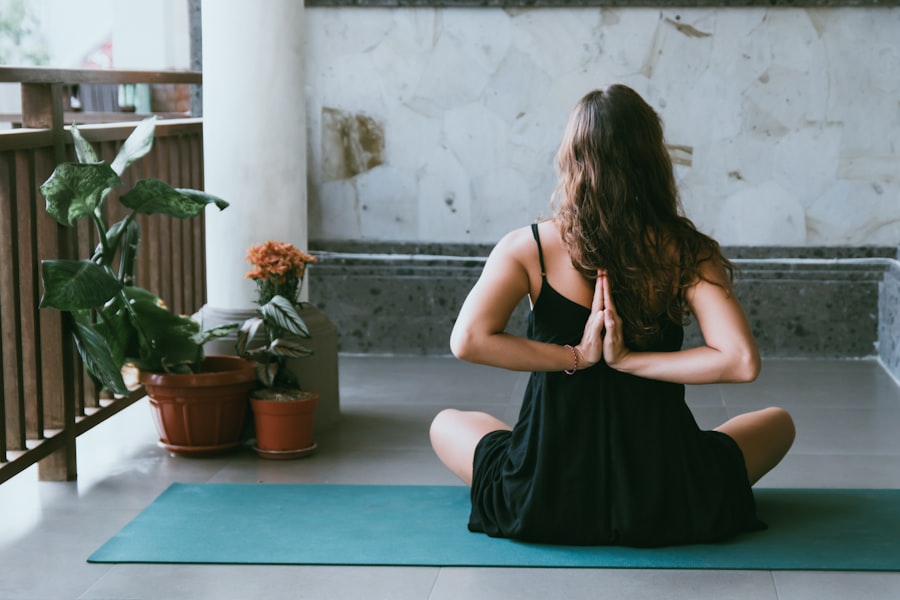
For those new to yoga and managing low blood pressure, it is important to start slowly and gradually build up your practice. It is recommended to begin with shorter sessions, such as 10-15 minutes, and gradually increase the duration as you become more comfortable. This allows your body to adjust to the physical demands of yoga and helps prevent overexertion.
Finding a qualified yoga instructor who has experience working with individuals with low blood pressure can also be beneficial. They can provide guidance on modifications and adjustments that may be necessary based on individual needs. Additionally, attending a beginner’s yoga class or workshop can provide a supportive environment for learning the basics of yoga and building a foundation for a safe and effective practice.
Yoga Breathing Techniques for Lowering Blood Pressure
Breathing techniques, also known as pranayama, are an integral part of yoga practice and can be particularly beneficial for individuals with low blood pressure. Deep breathing exercises help to activate the parasympathetic nervous system, which promotes relaxation and reduces stress. This, in turn, can help lower blood pressure levels.
One simple breathing technique that can be practiced is called “Alternate Nostril Breathing” or Nadi Shodhana Pranayama. To practice this technique, sit comfortably with your spine straight. Close your right nostril with your right thumb and inhale deeply through your left nostril. Then, close your left nostril with your ring finger and exhale through your right nostril. Continue this pattern, alternating nostrils with each breath. This technique helps to balance the flow of energy in the body and promote relaxation.
The Role of Meditation in Managing Low Blood Pressure
Meditation is another powerful tool for managing low blood pressure. It involves focusing the mind and achieving a state of deep relaxation. Meditation has been shown to reduce stress, lower blood pressure, and improve overall well-being.
One simple meditation technique that can be practiced is called “Mindfulness Meditation.” To practice this technique, find a quiet and comfortable space to sit. Close your eyes and bring your attention to your breath. Notice the sensation of the breath as it enters and leaves your body. If your mind starts to wander, gently bring your attention back to the breath. Practice this meditation for 5-10 minutes each day, gradually increasing the duration as you become more comfortable.
Yoga and Diet: Foods to Eat and Avoid for Low Blood Pressure
Diet plays a crucial role in managing low blood pressure. Certain foods can help regulate blood pressure levels, while others can exacerbate symptoms. It is important to eat a balanced diet that includes plenty of fruits, vegetables, whole grains, lean proteins, and healthy fats.
Foods that are beneficial for individuals with low blood pressure include:
– Foods rich in potassium, such as bananas, oranges, spinach, and sweet potatoes
– Foods high in magnesium, such as almonds, cashews, and dark chocolate
– Foods rich in omega-3 fatty acids, such as fatty fish like salmon and mackerel
On the other hand, it is important to avoid or limit foods that can raise blood pressure levels, such as:
– Foods high in sodium, such as processed foods, fast food, and canned soups
– Foods high in saturated fats, such as red meat and full-fat dairy products
– Foods high in added sugars, such as sugary drinks and desserts
Combining Yoga with Medications for Low Blood Pressure
Yoga can be a complementary therapy to traditional medical treatments for low blood pressure. It is important to consult with a healthcare professional before starting any new exercise or yoga routine, especially if you are taking medications for low blood pressure. They can provide guidance on any precautions or modifications that may be necessary based on individual health needs.
It is also important to monitor blood pressure levels regularly and communicate any changes or concerns with your healthcare provider. They can help determine if adjustments to medications or treatment plans are necessary based on your yoga practice and overall health.
Success Stories: Real People Who Have Used Yoga to Manage Low Blood Pressure
There are many inspiring stories of individuals who have successfully managed low blood pressure with the help of yoga. These stories serve as a reminder that yoga can be a powerful tool for improving health and well-being.
One such success story is that of Sarah, a 45-year-old woman who was diagnosed with low blood pressure several years ago. She struggled with symptoms such as dizziness and fatigue, which made it difficult for her to perform daily activities. After starting a regular yoga practice, Sarah noticed significant improvements in her symptoms. She felt more energized, had fewer episodes of dizziness, and felt more relaxed overall. Sarah continues to practice yoga regularly and has been able to manage her low blood pressure effectively.
In conclusion, managing low blood pressure is crucial for maintaining good health and preventing complications. Yoga can be a valuable tool for managing low blood pressure and improving overall well-being. By incorporating gentle yoga poses, breathing techniques, meditation, and a balanced diet into a daily routine, individuals with low blood pressure can experience improved symptoms and better overall health. It is important to consult with a healthcare professional before starting any new exercise or yoga routine, especially if you are taking medications for low blood pressure. With proper guidance and precautions, yoga can be a safe and effective management tool for low blood pressure. So why not give it a try and see the positive impact it can have on your health and well-being?
If you’re interested in exploring natural remedies for various health concerns, you might also want to check out this informative article on herbal remedies for balancing hormones. Hormonal imbalances can have a significant impact on our overall well-being, and finding natural ways to restore balance can be beneficial. From herbs to lifestyle changes, this article provides valuable insights and suggestions. To learn more, click here: Herbal Remedies for Balancing Hormones.