
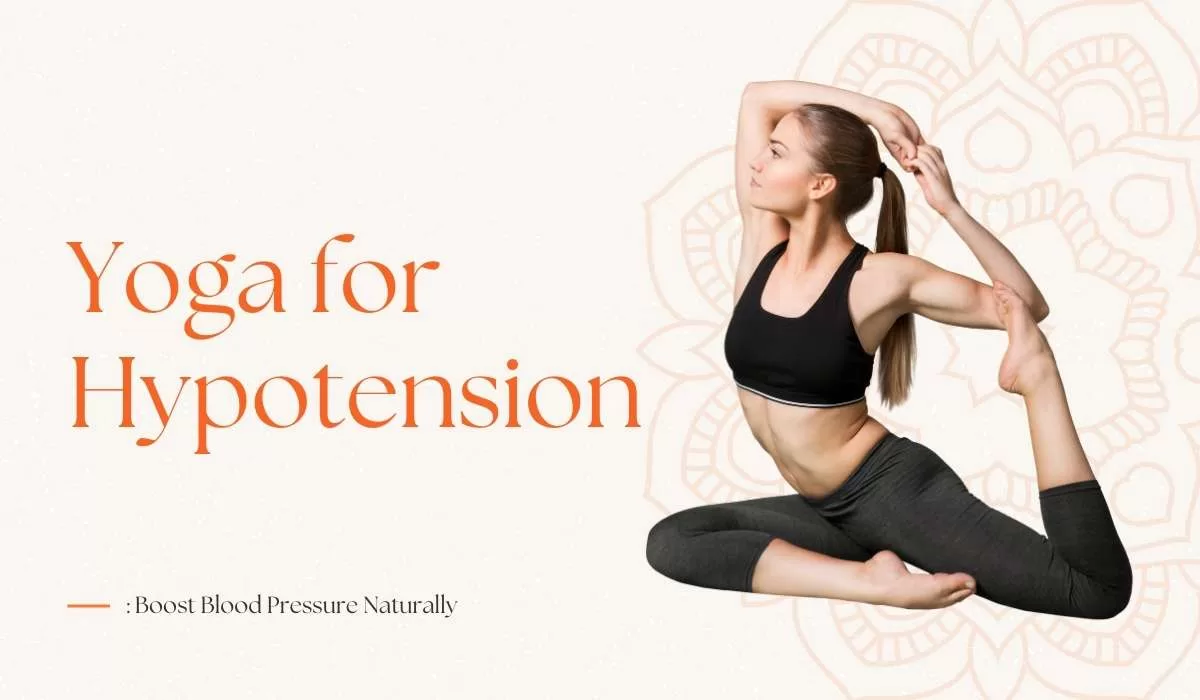

Hypotension, or low blood pressure, is a condition that affects many individuals worldwide. It occurs when the force of blood against the walls of the arteries is too low, leading to inadequate blood flow to the organs and tissues of the body. This can result in symptoms such as dizziness, lightheadedness, fatigue, and even fainting. Managing hypotension is crucial to ensure proper blood flow and prevent complications.
Understanding Hypotension: Causes, Symptoms, and Risks
Hypotension is defined as a blood pressure reading below 90/60 mmHg. There are several common causes of hypotension, including dehydration, heart problems, endocrine disorders, and certain medications. Additionally, some individuals may experience chronic low blood pressure due to genetics or underlying health conditions.
Symptoms of hypotension can vary from person to person but often include dizziness, lightheadedness, fatigue, blurred vision, and fainting. In severe cases, hypotension can lead to shock, a life-threatening condition where the organs do not receive enough blood flow.
Risks associated with hypotension include falls and injuries due to dizziness or fainting episodes. It can also lead to complications in individuals with pre-existing heart conditions or other chronic illnesses.
The Role of Yoga in Managing Hypotension
Yoga is a holistic practice that combines physical postures (asanas), breathing techniques (pranayama), meditation, and mindfulness. It has been shown to have numerous benefits for overall health and well-being, including its potential to help manage hypotension.
Yoga helps manage hypotension by improving circulation and increasing blood flow to the organs and tissues of the body. The gentle stretching and movement involved in yoga poses help stimulate the cardiovascular system and promote healthy blood pressure levels.
Yoga Poses for Boosting Blood Pressure
| Yoga Pose | Description | Benefits |
|---|---|---|
| Mountain Pose (Tadasana) | Standing with feet together and arms at sides, this pose helps improve posture and balance. | Reduces stress and anxiety, improves circulation and digestion. |
| Downward-Facing Dog (Adho Mukha Svanasana) | Starting on hands and knees, this pose stretches the entire body and strengthens the arms and legs. | Reduces fatigue, relieves back pain, and improves blood flow to the brain. |
| Bridge Pose (Setu Bandha Sarvangasana) | Lying on the back with knees bent, this pose strengthens the back, glutes, and legs. | Reduces anxiety and depression, improves digestion, and lowers blood pressure. |
| Corpse Pose (Savasana) | Lying on the back with arms and legs extended, this pose is a relaxation pose that helps reduce stress and tension. | Reduces anxiety and depression, improves sleep, and lowers blood pressure. |
Certain yoga poses can help boost blood pressure and regulate it within a healthy range. These poses typically involve gentle inversions or poses that activate the sympathetic nervous system, which helps increase blood pressure.
Some yoga poses that can help boost blood pressure include:
1. Legs Up the Wall Pose (Viparita Karani): This pose involves lying on your back with your legs extended up against a wall. It helps improve circulation and can help regulate blood pressure.
2. Bridge Pose (Setu Bandhasana): This pose involves lying on your back with your knees bent and feet flat on the ground. By lifting your hips off the ground, it helps stimulate the cardiovascular system and increase blood flow.
3. Cobra Pose (Bhujangasana): This pose involves lying on your stomach and lifting your chest off the ground while keeping your legs extended. It helps open up the chest and improve circulation.
Breathing Techniques for Regulating Blood Pressure
Breathing techniques, or pranayama, are an essential part of yoga practice and can be beneficial for regulating blood pressure. Deep breathing exercises help activate the parasympathetic nervous system, which promotes relaxation and can help lower blood pressure.
One simple breathing technique for regulating blood pressure is called “Alternate Nostril Breathing” or Nadi Shodhana Pranayama. To practice this technique:
1. Sit in a comfortable position with your spine straight.
2. Close your right nostril with your right thumb and inhale deeply through your left nostril.
3. Close your left nostril with your ring finger and exhale through your right nostril.
4. Inhale through your right nostril, then close it with your thumb and exhale through your left nostril.
5. Repeat this cycle for several minutes, focusing on slow, deep breaths.
Meditation and Mindfulness for Hypotension
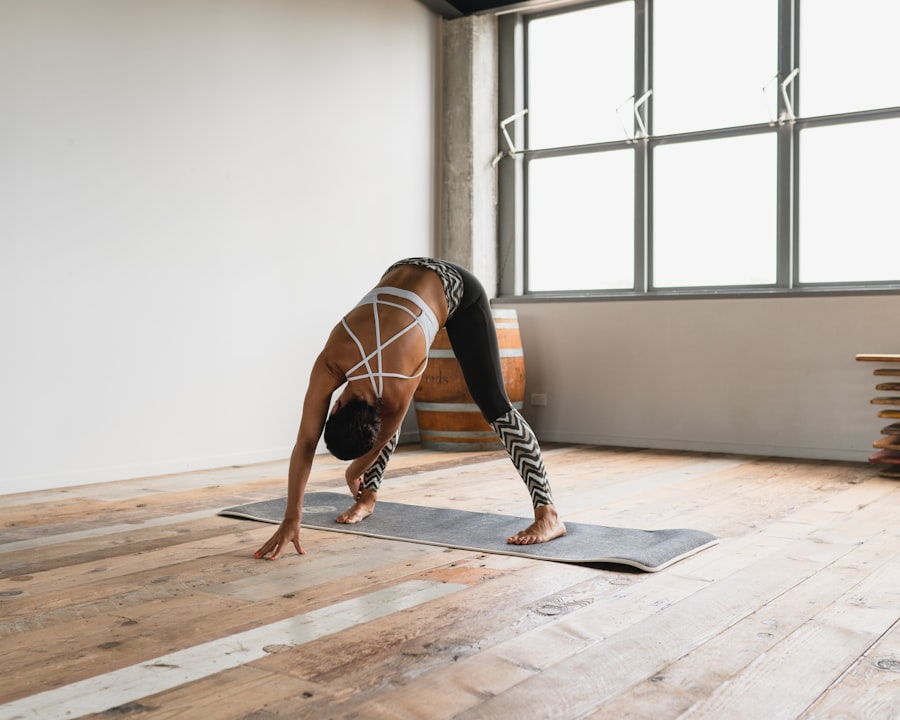
Meditation and mindfulness practices are integral components of yoga and can be beneficial for managing hypotension. These practices help reduce stress and promote relaxation, which can have a positive impact on blood pressure levels.
Meditation involves focusing the mind and achieving a state of deep relaxation. By practicing meditation regularly, individuals can learn to manage stress and reduce the risk of hypotension-related symptoms.
Mindfulness, on the other hand, involves being fully present in the moment and paying attention to one’s thoughts, feelings, and bodily sensations without judgment. This practice can help individuals become more aware of their body’s signals and respond appropriately to prevent hypotension symptoms.
The Benefits of Regular Yoga Practice for Hypotension
Regular yoga practice offers numerous benefits for managing hypotension. By incorporating yoga into your daily routine, you can experience long-term improvements in blood pressure regulation and overall cardiovascular health.
Some of the benefits of regular yoga practice for hypotension management include:
1. Improved circulation: Yoga poses and breathing techniques help improve blood flow to the organs and tissues, ensuring they receive an adequate supply of oxygen and nutrients.
2. Stress reduction: Yoga helps reduce stress levels, which can contribute to high blood pressure. By managing stress through yoga practice, individuals can lower their risk of developing hypotension-related symptoms.
3. Increased energy levels: Regular yoga practice can help boost energy levels and combat fatigue, a common symptom of hypotension.
4. Enhanced cardiovascular health: Yoga helps strengthen the cardiovascular system, improving heart health and reducing the risk of complications associated with hypotension.
Precautions and Safety Tips for Practicing Yoga with Low Blood Pressure
While yoga can be beneficial for managing hypotension, it is essential to take certain precautions and follow safety tips to ensure a safe practice:
1. Consult with your healthcare provider: Before starting a yoga practice for hypotension management, it is crucial to consult with your healthcare provider, especially if you have any underlying health conditions or are taking medications.
2. Start slowly: If you are new to yoga or have low blood pressure, start with gentle yoga poses and gradually increase the intensity and duration of your practice.
3. Listen to your body: Pay attention to how your body feels during the practice. If you feel lightheaded or dizzy, take a break and rest in a comfortable position.
4. Stay hydrated: Dehydration can worsen hypotension symptoms. Make sure to drink plenty of water before, during, and after your yoga practice.
Combining Yoga with Other Lifestyle Changes for Hypotension
While yoga can be an effective tool for managing hypotension, combining it with other lifestyle changes can further enhance its benefits. Some lifestyle changes that can complement a yoga practice for hypotension management include:
1. Healthy diet: Adopting a balanced diet rich in fruits, vegetables, whole grains, and lean proteins can help regulate blood pressure levels.
2. Regular exercise: In addition to yoga, engaging in regular aerobic exercise such as walking, swimming, or cycling can help improve cardiovascular health and regulate blood pressure.
3. Stress management techniques: Incorporating stress management techniques such as meditation, deep breathing exercises, and mindfulness into your daily routine can help reduce stress levels and promote healthy blood pressure.
Yoga for Hypotension: Success Stories and Testimonials
Many individuals have successfully managed their hypotension symptoms through regular yoga practice. Real-life success stories serve as inspiration and motivation for others who are seeking alternative therapies for hypotension management.
One success story involves Sarah, a 35-year-old woman who had been struggling with chronic low blood pressure for years. After incorporating yoga into her daily routine, she noticed significant improvements in her energy levels and a decrease in dizziness and lightheadedness. Sarah credits yoga for helping her manage her hypotension and improve her overall quality of life.
Testimonials from individuals who have experienced the benefits of yoga for hypotension management further highlight the positive impact of this practice. Many individuals report feeling more balanced, centered, and in control of their blood pressure levels after incorporating yoga into their daily lives.
Finding the Right Yoga Class or Instructor for Hypotension Management
Finding the right yoga class or instructor is crucial for individuals looking to manage hypotension through yoga. Here are some tips to consider when choosing a yoga class or instructor:
1. Research and read reviews: Look for yoga classes or instructors that have experience working with individuals with low blood pressure. Read reviews and testimonials to get an idea of their teaching style and approach.
2. Consult with your healthcare provider: Seek recommendations from your healthcare provider or ask if they can refer you to a yoga instructor who specializes in working with individuals with hypotension.
3. Attend trial classes: Attend trial classes or workshops to get a sense of the instructor’s teaching style and whether it aligns with your needs and preferences.
4. Communicate your needs: Before starting a yoga class, communicate your specific needs and concerns related to hypotension with the instructor. They can provide modifications or adjustments to ensure a safe practice.
In conclusion, managing hypotension is crucial for maintaining overall health and well-being. Yoga offers a holistic approach to managing hypotension by incorporating physical postures, breathing techniques, meditation, and mindfulness practices.
By regularly practicing yoga, individuals can experience improvements in blood pressure regulation, increased energy levels, enhanced cardiovascular health, and reduced stress levels. It is important to take precautions and consult with healthcare providers before starting a yoga practice for hypotension management.
If you are struggling with hypotension, consider incorporating yoga into your daily routine as a complementary therapy. With dedication and consistency, you may find relief from hypotension symptoms and improve your overall quality of life.
If you’re interested in exploring natural remedies for common illnesses, you might also want to check out this article on effective natural remedies for common illnesses. It provides helpful tips and suggestions for treating various ailments using natural ingredients and methods. From soothing a sore throat to relieving a headache, this article offers practical advice that can help you feel better without relying on medication. So, if you’re looking for alternative ways to manage your health, give it a read! (source)