


High blood pressure, also known as hypertension, is a common health condition that affects millions of people worldwide. It occurs when the force of blood against the walls of the arteries is too high, putting strain on the heart and blood vessels. According to the World Health Organization, high blood pressure is a major risk factor for heart disease, stroke, and kidney failure. It is estimated that around 1.13 billion people worldwide have hypertension.
Managing high blood pressure is crucial for maintaining good health and preventing serious complications. Lifestyle changes, such as adopting a healthy diet and regular exercise, are often recommended to help lower blood pressure. In recent years, yoga has gained recognition as an effective complementary therapy for managing hypertension. This ancient practice combines physical postures, breathing exercises, and meditation to promote overall well-being.
Understanding High Blood Pressure: Causes and Effects
High blood pressure is defined as a systolic blood pressure (the top number) of 130 mmHg or higher, or a diastolic blood pressure (the bottom number) of 80 mmHg or higher. It can be caused by a variety of factors, including genetics, age, obesity, lack of physical activity, excessive salt intake, and chronic conditions such as diabetes and kidney disease.
When left uncontrolled, high blood pressure can have serious effects on the body. It can damage the arteries and organs over time, leading to an increased risk of heart disease, stroke, kidney problems, and vision loss. It can also cause symptoms such as headaches, dizziness, shortness of breath, and chest pain.
The Role of Yoga in Lowering High Blood Pressure
Yoga has been found to be an effective tool for managing high blood pressure. The practice combines physical movement with deep breathing and relaxation techniques, which can help reduce stress and promote relaxation. Stress is a known contributor to high blood pressure, so finding ways to manage stress can be beneficial for blood pressure control.
Scientific studies have shown that practicing yoga regularly can lead to significant reductions in blood pressure. A study published in the Journal of Hypertension found that practicing yoga for 12 weeks resulted in a significant decrease in both systolic and diastolic blood pressure. Another study published in the American Journal of Hypertension found that practicing yoga for 3 months led to a significant reduction in blood pressure and an improvement in overall cardiovascular health.
Best Yogasanas for Lowering High Blood Pressure
| Yogasana | Description | Benefits |
|---|---|---|
| Padangusthasana (Big Toe Pose) | Standing forward bend with hands holding big toes | Calms the brain, reduces anxiety and stress, improves digestion, and lowers blood pressure |
| Balasana (Child’s Pose) | Kneeling pose with forehead resting on the ground | Relieves stress and fatigue, stretches hips, thighs, and ankles, and lowers blood pressure |
| Setu Bandhasana (Bridge Pose) | Lying on back with knees bent and lifting hips off the ground | Stretches chest, neck, and spine, strengthens back, buttocks, and hamstrings, and lowers blood pressure |
| Viparita Karani (Legs-Up-the-Wall Pose) | Lying on back with legs up against a wall | Relieves tired legs and feet, reduces anxiety and stress, and lowers blood pressure |
| Shavasana (Corpse Pose) | Lying on back with arms and legs relaxed | Relaxes the body and mind, reduces stress and anxiety, and lowers blood pressure |
Certain yoga poses, or asanas, have been found to be particularly effective for lowering high blood pressure. These poses work by stretching and strengthening the muscles, improving circulation, and promoting relaxation. Some of the best yogasanas for blood pressure management include:
1. Savasana (Corpse Pose): This pose involves lying flat on your back with your arms and legs relaxed. It is a deeply relaxing pose that can help reduce stress and promote relaxation.
2. Viparita Karani (Legs-Up-The-Wall Pose): This pose involves lying on your back with your legs extended up against a wall. It helps improve circulation and reduce swelling in the legs, which can be beneficial for blood pressure control.
3. Uttanasana (Standing Forward Bend): This pose involves standing with your feet hip-width apart and bending forward from the hips, reaching towards the ground. It helps relieve tension in the neck and shoulders, promotes relaxation, and improves circulation.
4. Setu Bandhasana (Bridge Pose): This pose involves lying on your back with your knees bent and feet flat on the ground, then lifting your hips off the ground. It helps stretch and strengthen the back muscles, improve circulation, and reduce stress.
Practice Tips for Safe and Effective Yoga Sessions
Before starting a yoga practice for blood pressure management, it is important to take certain precautions to ensure safety and effectiveness. Here are some tips to keep in mind:
1. Consult with your healthcare provider: Before starting any new exercise program, it is important to consult with your healthcare provider, especially if you have any underlying health conditions or are taking medications.
2. Start slowly and listen to your body: If you are new to yoga or have any physical limitations, it is important to start slowly and listen to your body. Do not push yourself too hard and modify poses as needed.
3. Practice regularly: Consistency is key when it comes to reaping the benefits of yoga for blood pressure management. Aim to practice yoga at least 2-3 times per week for best results.
4. Stay hydrated: It is important to stay hydrated before, during, and after your yoga practice. Drink plenty of water throughout the day to prevent dehydration.
The Importance of Breathing Techniques in Lowering Blood Pressure
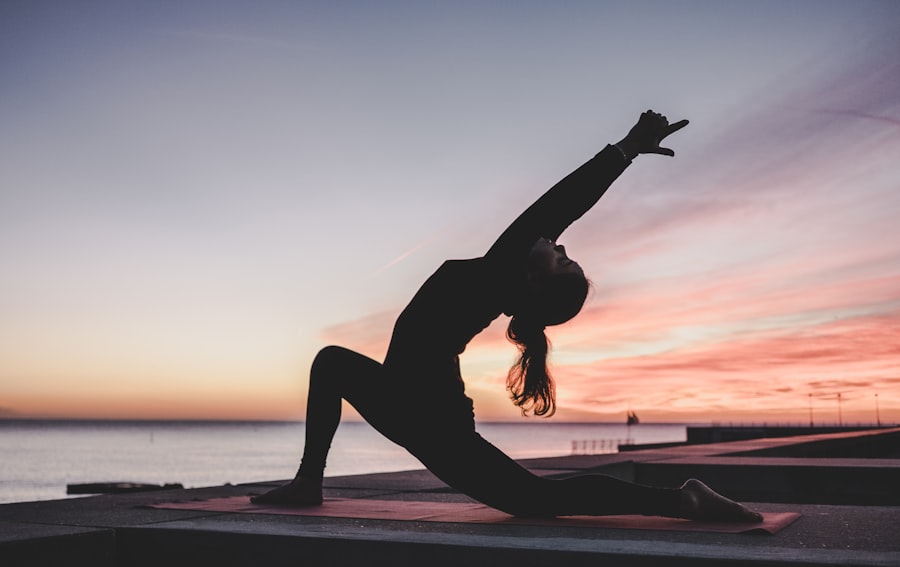
Breathing techniques, or pranayama, play a crucial role in managing high blood pressure. Deep breathing exercises can help activate the body’s relaxation response, reduce stress, and lower blood pressure. When we are stressed or anxious, our breathing tends to become shallow and rapid, which can contribute to high blood pressure. By practicing deep breathing exercises, we can counteract this stress response and promote relaxation.
One effective breathing technique for blood pressure management is called “alternate nostril breathing.” This technique involves using the thumb and ring finger of one hand to alternately close off one nostril while inhaling and exhaling through the other nostril. This technique has been found to help balance the nervous system, reduce stress, and lower blood pressure.
Another beneficial breathing technique is called “deep belly breathing” or “diaphragmatic breathing.” This technique involves taking slow, deep breaths into the belly, allowing it to rise and fall with each breath. Deep belly breathing helps activate the body’s relaxation response and can be done anytime, anywhere to help reduce stress and lower blood pressure.
The Benefits of a Regular Yoga Practice for Blood Pressure Management
Practicing yoga regularly can have numerous long-term benefits for blood pressure management. Some of the key benefits include:
1. Stress reduction: Yoga promotes relaxation and helps reduce stress, which is a major contributor to high blood pressure. By practicing yoga regularly, you can learn to better manage stress and reduce its impact on your blood pressure.
2. Improved circulation: Many yoga poses involve stretching and strengthening the muscles, which can help improve circulation and lower blood pressure. Improved circulation allows the heart to pump blood more efficiently, reducing strain on the arteries.
3. Increased flexibility and strength: Regular yoga practice can help improve flexibility and strength, which can be beneficial for overall cardiovascular health. Stronger muscles can help support the cardiovascular system and reduce the risk of heart disease.
4. Better sleep quality: Yoga has been found to improve sleep quality, which is important for overall health and blood pressure control. Poor sleep has been linked to an increased risk of hypertension, so finding ways to improve sleep can be beneficial for blood pressure management.
Combining Yoga with Other Lifestyle Changes for Better Blood Pressure Control
While yoga can be a powerful tool for managing high blood pressure, it is important to combine it with other lifestyle changes for optimal results. Here are some lifestyle changes that can complement a yoga practice for blood pressure management:
1. Healthy diet: Adopting a healthy diet that is low in sodium, saturated fats, and processed foods can help lower blood pressure. Focus on eating plenty of fruits, vegetables, whole grains, lean proteins, and healthy fats.
2. Regular exercise: In addition to practicing yoga, incorporating other forms of exercise into your routine can help lower blood pressure. Aim for at least 150 minutes of moderate-intensity aerobic activity or 75 minutes of vigorous-intensity aerobic activity per week.
3. Limit alcohol consumption: Excessive alcohol consumption can raise blood pressure, so it is important to drink in moderation. The American Heart Association recommends limiting alcohol intake to no more than one drink per day for women and two drinks per day for men.
4. Quit smoking: Smoking can raise blood pressure and damage the arteries, so quitting smoking is essential for blood pressure control. Seek support from healthcare professionals or support groups to help you quit smoking.
Yoga for Stress Management: A Key Factor in Lowering Blood Pressure
Stress is a major contributor to high blood pressure, so finding ways to manage stress is crucial for blood pressure control. Yoga can be a powerful tool for stress management, as it combines physical movement with deep breathing and relaxation techniques.
When we are stressed, our bodies go into “fight or flight” mode, releasing stress hormones that can raise blood pressure. By practicing yoga, we can activate the body’s relaxation response and counteract the stress response. The physical postures help release tension in the muscles, while the deep breathing exercises help calm the mind and promote relaxation.
Yoga for Hypertension: What Research Says
Numerous research studies have been conducted on the effects of yoga on hypertension, and the findings have been promising. A systematic review published in the European Journal of Preventive Cardiology analyzed 49 studies on yoga and hypertension and found that practicing yoga led to significant reductions in both systolic and diastolic blood pressure.
Another study published in the Journal of Clinical Hypertension found that practicing yoga for 12 weeks resulted in a significant decrease in both systolic and diastolic blood pressure, as well as improvements in overall cardiovascular health. The study also found that yoga was effective in reducing stress and improving quality of life.
Overall, the research suggests that yoga can be an effective complementary therapy for managing hypertension. However, it is important to note that yoga should not be used as a substitute for medical treatment. It is always important to consult with your healthcare provider before starting any new exercise program.
How to Monitor Blood Pressure Levels and Track Progress with Yoga
Monitoring your blood pressure levels is important for managing hypertension and tracking your progress with a yoga practice. You can monitor your blood pressure at home using a home blood pressure monitor, which is available at most pharmacies.
To track your progress with yoga, keep a journal of your yoga practice and note any changes in your blood pressure readings. Pay attention to how you feel before and after each yoga session, and take note of any improvements in symptoms or overall well-being.
It is also important to continue monitoring your blood pressure levels regularly with the guidance of your healthcare provider. They can help you interpret the readings and make any necessary adjustments to your treatment plan.
Managing high blood pressure is crucial for maintaining good health and preventing serious complications. Yoga can be a powerful tool for blood pressure management, as it combines physical movement, deep breathing, and relaxation techniques to promote overall well-being.
By practicing yoga regularly, you can reduce stress, improve circulation, increase flexibility and strength, and promote relaxation. Combined with other lifestyle changes such as adopting a healthy diet, regular exercise, limiting alcohol consumption, and quitting smoking, yoga can be an effective complementary therapy for managing hypertension.
If you have high blood pressure or are at risk for developing it, consider incorporating yoga into your routine. Consult with your healthcare provider before starting any new exercise program, and remember to listen to your body and practice safely. With dedication and consistency, you can reap the benefits of yoga for blood pressure management and improve your overall health and well-being.
If you’re looking to improve your posture and reduce high blood pressure, you may also be interested in exploring the benefits of yoga. A recent article on Aerns.com highlights the positive effects of yoga on posture and overall health. In addition to its ability to strengthen and lengthen muscles, yoga can also help lower blood pressure and promote relaxation. To learn more about how yoga can improve your posture and support your overall well-being, check out this informative article: Yoga for Better Posture.