
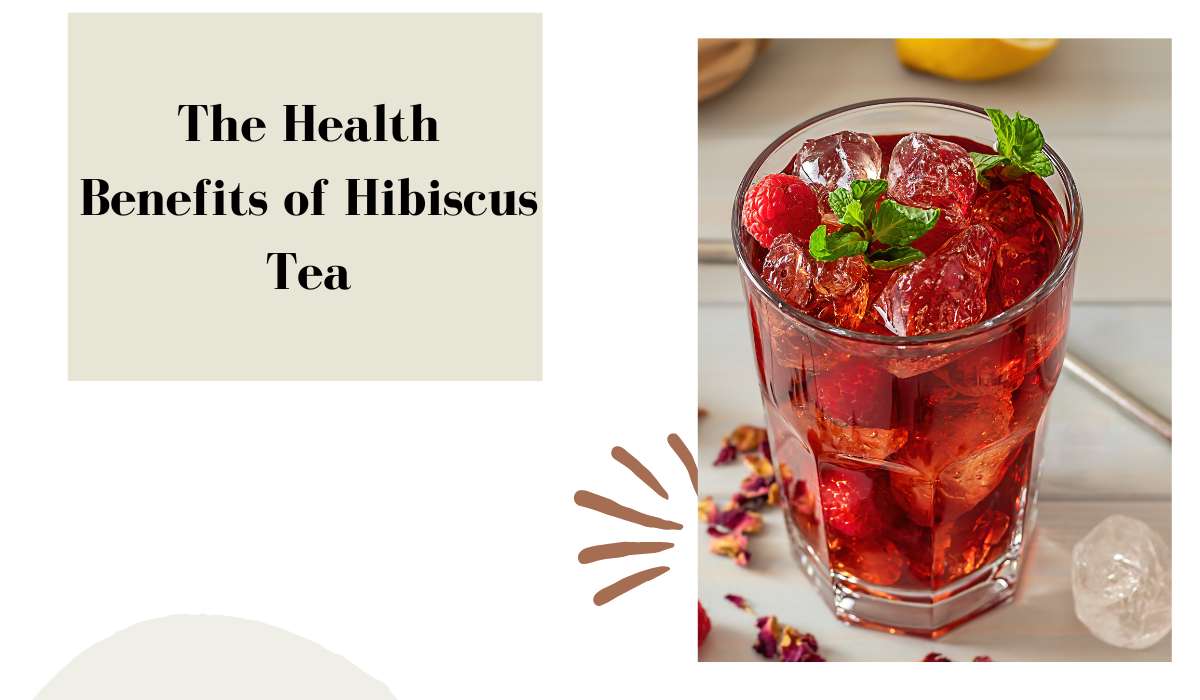

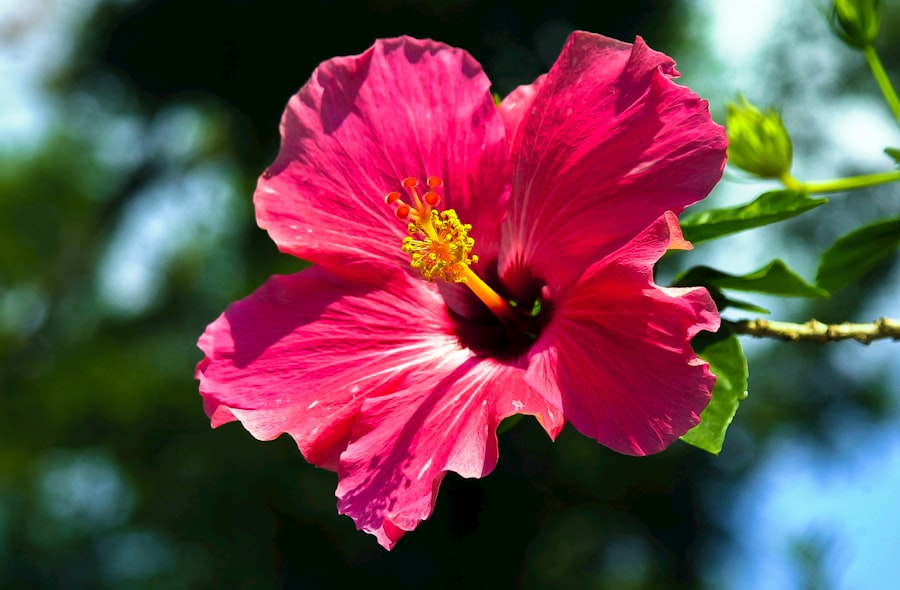
Hibiscus tea has a long and rich history that dates back centuries. It is believed to have originated in ancient Egypt, where it was used for its medicinal properties. The tea is made from the dried petals of the hibiscus flower, which gives it a vibrant red color and a tart, cranberry-like flavor.
Hibiscus tea is known by different names in different cultures. In Egypt, it is called “karkade,” while in Mexico it is known as “agua de Jamaica.” In the Caribbean, it is often referred to as “sorrel.” Despite the variations in name, the tea is made in a similar way across cultures.
To make hibiscus tea, the dried petals of the hibiscus flower are steeped in hot water. The longer the petals are steeped, the stronger the flavor of the tea. Some people also add sweeteners like honey or sugar to balance out the tartness of the tea.
Nutritional Value of Hibiscus Tea
Hibiscus tea is not only delicious but also packed with nutrients that can contribute to a healthy diet. It is rich in vitamin C, which is an essential nutrient that supports immune function and helps protect against oxidative stress. It also contains minerals like iron, calcium, and magnesium.
When compared to other popular teas like green tea or black tea, hibiscus tea stands out for its high antioxidant content. Antioxidants are compounds that help protect the body against damage from harmful free radicals. They have been linked to a reduced risk of chronic diseases like heart disease and cancer.
In addition to its antioxidant properties, hibiscus tea has been found to have anti-inflammatory effects. Chronic inflammation is believed to be a contributing factor to many diseases, so consuming foods and beverages that can help reduce inflammation can be beneficial for overall health.
Antioxidant Properties of Hibiscus Tea
Antioxidants play a crucial role in maintaining good health. They help protect the body against oxidative stress, which is caused by an imbalance between free radicals and antioxidants in the body. Free radicals are unstable molecules that can damage cells and contribute to the development of chronic diseases.
Research has shown that hibiscus tea is rich in antioxidants, particularly flavonoids and anthocyanins. These compounds have been found to have strong antioxidant properties and can help neutralize free radicals in the body.
One study published in the Journal of Food Science found that hibiscus tea had higher antioxidant activity than green tea and black tea. Another study published in the Journal of Agricultural and Food Chemistry found that hibiscus tea extract had potent antioxidant activity and could help protect against oxidative stress.
By consuming hibiscus tea regularly, you can help support your body’s natural defense against oxidative stress and reduce the risk of chronic diseases.
Hibiscus Tea and Blood Pressure Regulation
| Study | Participants | Duration | Results |
|---|---|---|---|
| Randomized controlled trial (RCT) by Mozaffari-Khosravi et al. (2009) | 60 adults with prehypertension or mild hypertension | 1 month | Significant reduction in systolic and diastolic blood pressure in the hibiscus tea group compared to the control group |
| Systematic review and meta-analysis by Serban et al. (2015) | 5 RCTs with a total of 390 participants | 2-12 weeks | Overall reduction in systolic and diastolic blood pressure in the hibiscus tea group compared to the control group |
| RCT by Herrera-Arellano et al. (2004) | 75 adults with mild to moderate hypertension | 4 weeks | Significant reduction in systolic and diastolic blood pressure in the hibiscus tea group compared to the control group |
High blood pressure, also known as hypertension, is a common health condition that can increase the risk of heart disease and stroke. It is often referred to as the “silent killer” because it usually has no symptoms until it reaches a dangerous level.
Research has shown that hibiscus tea may have beneficial effects on blood pressure. A study published in the Journal of Human Hypertension found that consuming hibiscus tea lowered both systolic and diastolic blood pressure in people with mild hypertension.
Another study published in the Journal of Nutrition found that hibiscus tea had a similar effect on blood pressure as a common blood pressure medication called lisinopril. The researchers concluded that hibiscus tea could be used as a natural remedy for high blood pressure.
The exact mechanism behind the blood pressure-lowering effects of hibiscus tea is not fully understood, but it is believed to be related to its high antioxidant content. Antioxidants help reduce inflammation and improve blood vessel function, which can contribute to lower blood pressure.
Hibiscus Tea and Cholesterol Management
Cholesterol is a waxy substance that is found in the blood. While the body needs some cholesterol for proper functioning, high levels of LDL cholesterol, also known as “bad” cholesterol, can increase the risk of heart disease.
Research has shown that hibiscus tea may have beneficial effects on cholesterol levels. A study published in the Journal of Alternative and Complementary Medicine found that consuming hibiscus tea for 30 days significantly reduced LDL cholesterol levels in people with high cholesterol.
Another study published in the Journal of Ethnopharmacology found that hibiscus tea extract reduced total cholesterol, LDL cholesterol, and triglyceride levels in rats with high cholesterol.
The exact mechanism behind the cholesterol-lowering effects of hibiscus tea is not fully understood, but it is believed to be related to its high antioxidant content. Antioxidants help reduce inflammation and improve lipid metabolism, which can contribute to lower cholesterol levels.
Hibiscus Tea and Digestive Health
Digestive health is essential for overall well-being. Poor digestion can lead to a variety of uncomfortable symptoms like bloating, gas, and constipation. It can also interfere with nutrient absorption and contribute to nutrient deficiencies.
Research has shown that hibiscus tea may have beneficial effects on digestive health. A study published in the Journal of Medicinal Food found that hibiscus tea extract had gastroprotective effects and could help protect against gastric ulcers.
Another study published in the Journal of Ethnopharmacology found that hibiscus tea extract had laxative effects and could help relieve constipation.
The exact mechanism behind the digestive health benefits of hibiscus tea is not fully understood, but it is believed to be related to its high fiber content. Fiber is essential for maintaining regular bowel movements and promoting a healthy digestive system.
Hibiscus Tea and Immune System Boosting
The immune system plays a crucial role in protecting the body against infections and diseases. A strong immune system can help prevent illness and promote overall well-being.
Research has shown that hibiscus tea may have immune-boosting effects. A study published in the Journal of Ethnopharmacology found that hibiscus tea extract had immunomodulatory effects and could help enhance immune function.
Another study published in the Journal of Medicinal Food found that hibiscus tea extract had antimicrobial effects and could help inhibit the growth of certain bacteria and fungi.
The exact mechanism behind the immune-boosting effects of hibiscus tea is not fully understood, but it is believed to be related to its high vitamin C content. Vitamin C is known to support immune function and help protect against infections.
Hibiscus Tea and Weight Loss Support
Maintaining a healthy weight is important for overall health. Excess weight can increase the risk of chronic diseases like heart disease, diabetes, and certain types of cancer.
Research has shown that hibiscus tea may have beneficial effects on weight loss. A study published in the Journal of Ethnopharmacology found that hibiscus tea extract reduced body weight, body fat, and waist-to-hip ratio in overweight individuals.
Another study published in the Journal of Nutrition found that hibiscus extract reduced body weight gain and fat accumulation in rats fed a high-fat diet.
The exact mechanism behind the weight loss effects of hibiscus tea is not fully understood, but it is believed to be related to its high antioxidant content. Antioxidants help reduce inflammation and improve metabolism, which can contribute to weight loss.
How to Make and Enjoy Hibiscus Tea
Making hibiscus tea is simple and can be done at home with just a few ingredients. Here is a step-by-step guide to making hibiscus tea:
1. Bring water to a boil: Start by bringing water to a boil in a pot or kettle.
2. Add hibiscus petals: Once the water is boiling, add dried hibiscus petals to the pot. Use about 1 tablespoon of petals for every cup of water.
3. Steep the tea: Turn off the heat and let the hibiscus petals steep in the hot water for about 5-10 minutes. The longer you steep, the stronger the flavor will be.
4. Strain and serve: After steeping, strain the tea to remove the petals. You can sweeten the tea with honey or sugar if desired.
Hibiscus tea can be enjoyed hot or cold, depending on your preference. To make iced hibiscus tea, simply let the tea cool down and then pour it over ice.
You can also experiment with different flavors and sweeteners to customize your hibiscus tea. Some popular additions include mint leaves, ginger, lemon juice, and cinnamon.
Incorporating Hibiscus Tea into a Healthy Lifestyle
Incorporating hibiscus tea into a healthy lifestyle can provide numerous health benefits. From its high antioxidant content to its potential effects on blood pressure, cholesterol levels, digestive health, immune function, and weight loss, hibiscus tea is a versatile beverage that can support overall well-being.
To incorporate hibiscus tea into a healthy diet, consider replacing sugary beverages like soda or juice with hibiscus tea. It is a refreshing and flavorful alternative that can help reduce calorie intake and support weight management.
You can also enjoy hibiscus tea as part of a balanced meal. Pair it with a nutritious breakfast, lunch, or dinner to enhance the flavor and add a boost of antioxidants to your meal.
Overall, hibiscus tea is a delicious and nutritious beverage that can be enjoyed in many different ways. Whether you prefer it hot or cold, sweetened or unsweetened, hibiscus tea is a versatile and beneficial addition to a healthy lifestyle.
If you’re interested in the health benefits of hibiscus tea, you might also want to check out this article on natural remedies for weight management. It provides valuable insights and tips on how to maintain a healthy weight using natural methods. Incorporating hibiscus tea into your weight management routine could be a great addition to your overall wellness plan. To learn more, click here.