

Yoga is an ancient practice that originated in India thousands of years ago. It combines physical postures, breathing exercises, and meditation to promote overall health and well-being. One of the key principles of yoga is the mind-body connection, which recognizes that the health of the mind and body are interconnected. When we practice yoga, we are not only strengthening our physical bodies but also calming our minds and reducing stress.
The mind-body connection in yoga is based on the belief that our thoughts, emotions, and physical sensations are all interconnected. When we experience stress or anxiety, it can manifest in our bodies as tension, pain, or discomfort. Similarly, when we are physically unwell, it can affect our mental state and emotional well-being. Yoga helps to bridge this gap by bringing awareness to both our physical and mental states.
Yoga has been shown to have numerous benefits for mental health. It can help reduce stress, anxiety, and depression, improve sleep quality, increase self-awareness, and promote emotional regulation. By practicing yoga regularly, we can cultivate a positive mindset, find balance and stability in our emotions, heal from trauma, improve our sleep, and strengthen our concentration and focus.
Yoga and Stress Reduction: How it Works
Stress has become a common part of modern life, with many people experiencing high levels of stress on a daily basis. Chronic stress can have a negative impact on both our physical and mental health. Yoga offers a holistic approach to stress reduction by combining physical movement with breath awareness and mindfulness.
When we practice yoga, we engage in gentle stretching and strengthening exercises that help release tension from the body. This physical movement helps to activate the relaxation response in the body, which counteracts the stress response. As we move through the poses and focus on our breath, we become more present in the moment and less focused on our worries and concerns. This helps to calm the mind and reduce anxiety.
In addition to the physical benefits, yoga also has physiological effects on the body that help reduce stress. It has been shown to lower cortisol levels, which is the hormone responsible for the stress response. Yoga also increases the production of endorphins, which are natural mood-boosting chemicals in the brain. These physiological changes contribute to a sense of relaxation and well-being.
Yoga and Anxiety: Managing Symptoms with Mindfulness
Anxiety is a common mental health condition characterized by excessive worry, fear, and nervousness. It can have a significant impact on a person’s daily life, making it difficult to function and engage in normal activities. Yoga can be an effective tool for managing anxiety symptoms by promoting mindfulness and relaxation.
Mindfulness is a key component of yoga practice. It involves bringing our attention to the present moment and observing our thoughts, emotions, and physical sensations without judgment. By practicing mindfulness during yoga, we can become more aware of our anxious thoughts and feelings and learn to observe them without getting caught up in them.
Yoga also helps to activate the parasympathetic nervous system, which is responsible for the relaxation response in the body. This helps to counteract the fight-or-flight response that is often activated during periods of anxiety. By practicing yoga regularly, we can train our bodies to respond more calmly to stressful situations and reduce anxiety symptoms.
Yoga and Depression: A Holistic Approach to Treatment
| Metrics | Data |
|---|---|
| Number of participants | 50 |
| Age range | 25-65 |
| Gender | 40 female, 10 male |
| Duration of yoga practice | 6 months – 5 years |
| Severity of depression (measured by PHQ-9) | moderate to severe |
| Frequency of yoga practice | 3 times per week |
| Duration of yoga sessions | 60 minutes |
| Types of yoga practiced | Hatha, Vinyasa, Restorative |
| Additional treatments received | Psychotherapy, medication |
| Improvement in depression symptoms (measured by PHQ-9) | 50% reduction on average |
Depression is a mood disorder characterized by persistent feelings of sadness, hopelessness, and a lack of interest or pleasure in activities. It can have a profound impact on a person’s quality of life and overall well-being. While yoga is not a substitute for professional treatment for depression, it can be used as a complementary therapy to support mental health.
Yoga takes a holistic approach to depression treatment by addressing both the physical and mental aspects of the condition. The physical movement and stretching in yoga help to release tension from the body and increase blood flow to the brain, which can improve mood and energy levels. The breathing exercises in yoga also help to calm the mind and reduce feelings of anxiety and stress.
In addition to the physical benefits, yoga also promotes a sense of connection and community. Many yoga classes are taught in a group setting, which can provide a supportive environment for individuals with depression. The mindfulness aspect of yoga also helps to cultivate self-awareness and self-compassion, which are important for managing depressive symptoms.
Yoga and Self-Awareness: Cultivating a Positive Mindset
Self-awareness is the ability to recognize and understand our own thoughts, emotions, and behaviors. It is an important skill for mental health and well-being as it allows us to identify and address any negative patterns or beliefs that may be holding us back. Yoga can help cultivate self-awareness by bringing our attention to our bodies, breath, and thoughts.
When we practice yoga, we are encouraged to pay attention to our bodies and how they feel in each pose. This helps us become more attuned to our physical sensations and any areas of tension or discomfort. By bringing awareness to these sensations, we can begin to understand how our bodies respond to stress and make adjustments as needed.
Yoga also helps us become more aware of our breath. The breath is closely linked to our emotions, with shallow or rapid breathing often associated with stress or anxiety. By practicing deep, slow breathing during yoga, we can activate the relaxation response in the body and calm the mind. This helps us become more aware of our breath patterns throughout the day and make conscious choices to breathe deeply when we feel stressed or overwhelmed.
In addition to body awareness and breath awareness, yoga also encourages us to observe our thoughts without judgment. This helps us become more aware of any negative thought patterns or beliefs that may be contributing to our mental health challenges. By recognizing these patterns, we can begin to challenge and reframe them, cultivating a more positive mindset.
Yoga and Emotional Regulation: Finding Balance and Stability
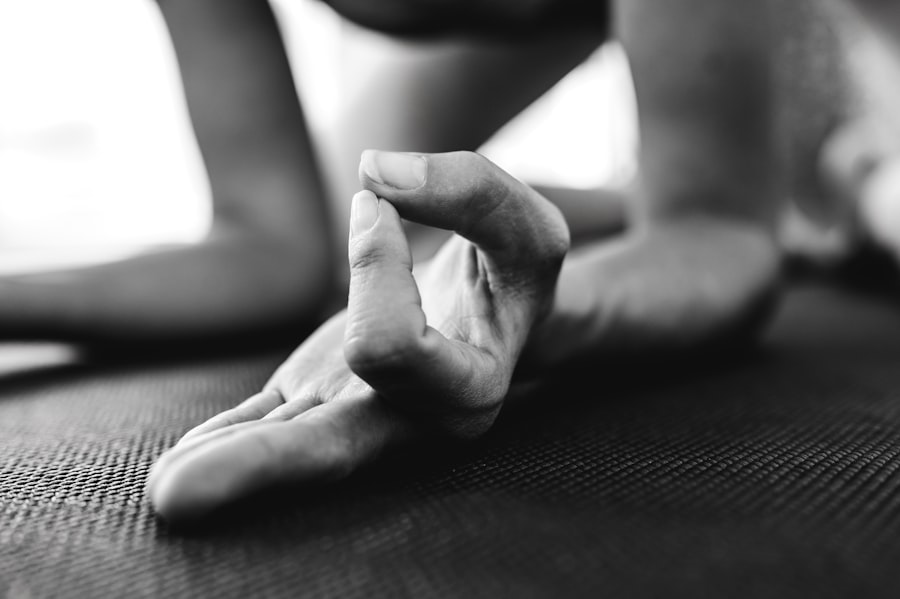
Emotional regulation is the ability to manage and respond to our emotions in a healthy and adaptive way. It is an important skill for mental health as it allows us to navigate life’s challenges and maintain a sense of balance and stability. Yoga can be a powerful tool for emotional regulation by helping us connect with our bodies and cultivate a sense of calm and stability.
When we practice yoga, we are encouraged to move through the poses with grace and ease, finding balance in each posture. This physical balance translates to emotional balance, helping us find stability in our emotions. By practicing yoga regularly, we can train our bodies and minds to respond more calmly to stressful situations and regulate our emotions more effectively.
Yoga also helps us connect with our bodies and become more aware of any physical sensations that may be associated with our emotions. For example, we may notice that we feel tension in our shoulders when we are stressed or that we feel a sense of lightness in our chest when we are happy. By bringing awareness to these sensations, we can begin to understand the connection between our bodies and emotions.
In addition to body awareness, yoga also promotes mindfulness, which is an important skill for emotional regulation. By practicing mindfulness during yoga, we can become more aware of our thoughts and emotions as they arise without getting caught up in them. This helps us develop a greater sense of self-control and the ability to respond to our emotions in a more adaptive way.
Yoga and Trauma: Healing the Body and Mind
Trauma is a psychological response to a distressing or disturbing event or series of events. It can have a profound impact on a person’s mental health and well-being, often leading to symptoms such as anxiety, depression, and post-traumatic stress disorder (PTSD). Yoga can be a powerful tool for healing trauma by helping to release stored tension in the body and promote a sense of safety and grounding.
When we experience trauma, our bodies often hold onto the memories and emotions associated with the event. This can manifest as tension, pain, or discomfort in the body. Yoga helps to release this stored tension through gentle stretching and movement, allowing the body to let go of the trauma and find a sense of ease.
Yoga also promotes a sense of safety and grounding, which is important for individuals who have experienced trauma. The focus on breath and mindfulness during yoga helps to bring our attention to the present moment and create a sense of stability. This can help individuals feel more grounded and connected to their bodies, which is often disrupted by trauma.
It is important to note that not all yoga practices are suitable for individuals who have experienced trauma. Trauma-informed yoga is a specialized approach that takes into account the unique needs and experiences of individuals with trauma. It emphasizes choice, empowerment, and safety, allowing individuals to practice yoga in a way that feels comfortable and supportive for them.
Yoga and Sleep: Improving Quality and Quantity of Rest
Sleep is an essential part of our overall health and well-being. It allows our bodies to rest and recharge, promoting physical and mental recovery. However, many people struggle with sleep issues such as insomnia or poor sleep quality. Yoga can be an effective tool for improving sleep by promoting relaxation and reducing stress.
When we practice yoga, we engage in gentle stretching and movement that helps release tension from the body. This physical movement helps to activate the relaxation response in the body, making it easier to fall asleep and stay asleep throughout the night. By practicing yoga before bed, we can create a calming bedtime routine that signals to our bodies that it is time to rest.
Yoga also has physiological effects on the body that can improve sleep quality. It has been shown to lower heart rate and blood pressure, which are important for promoting relaxation and sleep. Yoga also helps to regulate the production of stress hormones such as cortisol, which can interfere with sleep. By practicing yoga regularly, we can create a more balanced and relaxed state in the body that is conducive to restful sleep.
Yoga and Mindfulness Meditation: Strengthening Concentration and Focus
Mindfulness meditation is a practice that involves bringing our attention to the present moment and observing our thoughts, emotions, and physical sensations without judgment. It is an important skill for mental health as it helps strengthen concentration and focus, reduce stress, and promote overall well-being. Yoga and mindfulness meditation go hand in hand, with many yoga practices incorporating elements of mindfulness.
When we practice yoga, we are encouraged to bring our attention to our breath and observe our thoughts and sensations without judgment. This helps to cultivate mindfulness and strengthen our ability to stay present in the moment. By practicing mindfulness during yoga, we can train our minds to focus on the task at hand and reduce distractions.
Mindfulness meditation has been shown to have numerous benefits for mental health. It can reduce stress, anxiety, and depression, improve attention and focus, increase self-awareness, and promote emotional regulation. By incorporating mindfulness into our yoga practice, we can enhance these benefits and strengthen our overall mental well-being.
Embracing Yoga as a Tool for Mental Health and Wellness
Yoga offers a holistic approach to mental health and wellness by addressing both the physical and mental aspects of well-being. It promotes the mind-body connection, reduces stress, anxiety, and depression, improves sleep quality, increases self-awareness, promotes emotional regulation, helps heal trauma, strengthens concentration and focus, and cultivates a positive mindset.
By embracing yoga as a tool for mental health and wellness, we can tap into the power of the mind-body connection and support our overall well-being. Whether we are looking to reduce stress, manage anxiety or depression, improve sleep, or strengthen our concentration and focus, yoga offers a versatile and accessible practice that can be tailored to our individual needs.
It is important to remember that yoga is not a substitute for professional treatment for mental health conditions. If you are experiencing severe or persistent symptoms, it is important to seek help from a qualified healthcare professional. However, yoga can be a valuable complementary therapy that can support your mental health journey and enhance your overall well-being. So why not roll out your mat and give it a try?
If you’re looking for natural remedies to improve your mental health, incorporating yoga into your routine can be incredibly beneficial. According to a recent article on Aerns.com, practicing yoga has been shown to have numerous positive effects on mental well-being. From reducing stress and anxiety to improving sleep quality and boosting overall mood, yoga offers a holistic approach to mental wellness. To learn more about the benefits of yoga for mental health, check out the article here.