


In today’s fast-paced and demanding world, stress has become a common part of our daily lives. Whether it’s due to work pressures, personal relationships, or financial worries, stress can have a significant impact on our physical and mental well-being. That’s why finding effective ways to reduce stress is crucial for maintaining a healthy and balanced life. One such tool that has gained popularity in recent years is yoga. Yoga is not only a physical exercise but also a holistic practice that combines movement, breathwork, and mindfulness to promote relaxation and reduce stress. In this article, we will explore the science behind yoga and stress reduction, the benefits of practicing yoga for stress reduction, different types of yoga and their effectiveness, how to incorporate yoga into your daily routine, tips for beginners, advanced yoga techniques for deeper stress relief, combining yoga with other stress-reduction techniques, and maintaining a consistent yoga practice for long-term stress reduction.
The Science Behind Yoga and Stress Reduction
To understand how yoga can help reduce stress, it’s important to first understand the physiological effects of stress on the body. When we experience stress, whether it’s physical or psychological, our body goes into “fight or flight” mode. This triggers the release of stress hormones such as cortisol and adrenaline, which prepare our body to respond to the perceived threat. While this response is essential in emergency situations, chronic stress can have detrimental effects on our health.
Yoga can help reduce stress by activating the body’s relaxation response. When we practice yoga, we engage in slow and controlled movements combined with deep breathing. This activates the parasympathetic nervous system, which is responsible for promoting relaxation and reducing stress. As we move through different yoga poses and focus on our breath, our heart rate slows down, blood pressure decreases, and muscle tension is released. This helps to counteract the physiological effects of stress and promote a sense of calm and well-being.
Scientific studies have also supported the effectiveness of yoga for stress reduction. A study published in the Journal of Clinical Psychology found that practicing yoga for just 25 minutes a day for eight weeks significantly reduced perceived stress levels and improved overall well-being. Another study published in the Journal of Alternative and Complementary Medicine found that yoga practice was associated with decreased levels of cortisol, the stress hormone. These studies suggest that incorporating yoga into our daily routine can have a positive impact on our stress levels and overall health.
Understanding Stress and Its Effects on the Body
Stress is a natural response to challenging or threatening situations. It is the body’s way of preparing itself to deal with potential danger or harm. While some level of stress can be beneficial in certain situations, chronic or excessive stress can have negative effects on our physical and mental health.
Stress can be caused by a variety of factors, including work-related pressures, financial difficulties, relationship problems, and major life changes. Each person may have different triggers for stress, and what may be stressful for one person may not be for another. It’s important to recognize and understand our own stressors in order to effectively manage them.
The physical effects of stress on the body can manifest in various ways. Chronic stress can lead to increased blood pressure, heart rate, and muscle tension. It can also weaken the immune system, making us more susceptible to illnesses and infections. In addition, stress can affect our sleep patterns, digestion, and overall energy levels. Mentally, stress can lead to feelings of anxiety, irritability, and difficulty concentrating. It can also contribute to the development or exacerbation of mental health conditions such as depression and anxiety disorders.
The Benefits of Practicing Yoga for Stress Reduction
| Benefits of Practicing Yoga for Stress Reduction |
|---|
| Improved mood and overall well-being |
| Reduced anxiety and depression |
| Lowered levels of cortisol (stress hormone) |
| Increased mindfulness and self-awareness |
| Improved sleep quality |
| Reduced muscle tension and pain |
| Improved cardiovascular health |
| Increased flexibility and strength |
| Improved immune function |
One of the key benefits of practicing yoga for stress reduction is its ability to reduce stress hormones in the body. As mentioned earlier, when we experience stress, our body releases cortisol and adrenaline. These hormones can have detrimental effects on our health when they are constantly elevated. Yoga helps to lower cortisol levels and promote a state of relaxation, which can counteract the negative effects of chronic stress.
In addition to reducing stress hormones, practicing yoga can also improve mood and mental clarity. The combination of movement, breathwork, and mindfulness in yoga helps to release endorphins, which are natural mood boosters. Regular yoga practice has been shown to increase levels of serotonin, a neurotransmitter that plays a key role in regulating mood and promoting feelings of well-being. By incorporating yoga into our daily routine, we can experience improved mental clarity, reduced anxiety, and an overall sense of calm.
Another benefit of practicing yoga for stress reduction is increased physical relaxation. When we are stressed, our muscles tend to tense up, leading to discomfort and pain. Yoga poses, or asanas, help to release tension in the muscles and promote relaxation. Through gentle stretching and mindful movement, we can release physical tension and create a sense of ease in the body. This physical relaxation can have a positive impact on our overall well-being and help us better cope with stress.
Furthermore, practicing yoga can improve sleep quality. Many people who experience chronic stress also struggle with sleep disturbances. Yoga promotes relaxation and helps to calm the mind, making it easier to fall asleep and stay asleep throughout the night. By incorporating a regular yoga practice into our daily routine, we can improve sleep quality and wake up feeling refreshed and rejuvenated.
Different Types of Yoga and Their Effectiveness for Stress Reduction
There are various types of yoga, each with its own focus and benefits. When it comes to stress reduction, different types of yoga can be effective in different ways.
Hatha yoga is a gentle form of yoga that focuses on slow and controlled movements combined with breathwork. It is a great choice for beginners or those looking for a more relaxed and gentle practice. Hatha yoga helps to release physical tension, promote relaxation, and calm the mind. It is particularly effective for reducing stress and promoting a sense of well-being.
Vinyasa yoga, on the other hand, is a more dynamic and flowing style of yoga. It involves linking breath with movement and moving through a series of poses in a continuous flow. Vinyasa yoga can be more physically challenging and can help to release pent-up energy and tension in the body. It also promotes mindfulness and focus, which can be beneficial for reducing stress.
Restorative yoga is a deeply relaxing and nurturing form of yoga. It involves holding gentle poses for an extended period of time, often supported by props such as blankets and bolsters. Restorative yoga helps to activate the parasympathetic nervous system and promote deep relaxation. It is particularly effective for reducing stress, anxiety, and promoting a sense of calm.
While all types of yoga can be effective for stress reduction, it’s important to find a style that resonates with you and fits your individual needs and preferences. Experimenting with different styles and attending different classes can help you find the type of yoga that works best for you.
How to Incorporate Yoga into Your Daily Routine
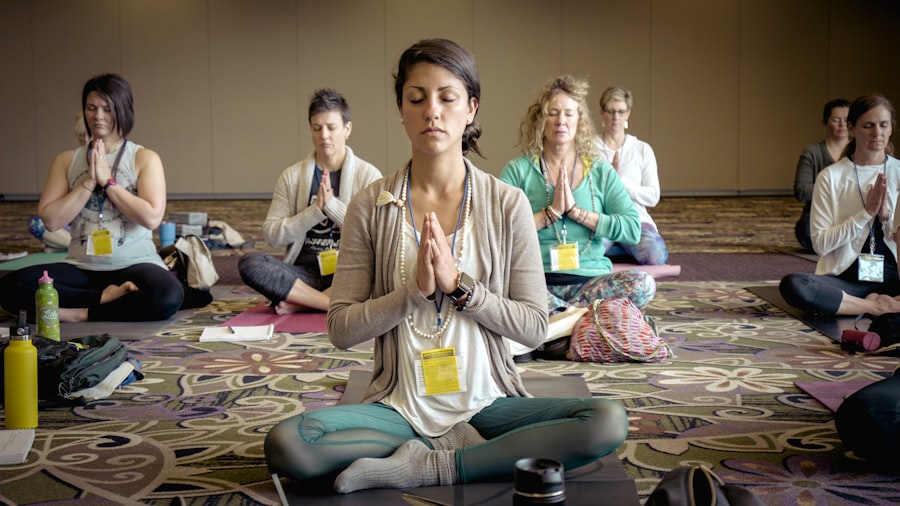
Finding time to practice yoga can be challenging, especially when we have busy schedules and competing priorities. However, incorporating yoga into our daily routine is essential for reaping the benefits of stress reduction. Here are some tips for finding time to practice yoga:
1. Schedule it: Treat your yoga practice as an important appointment with yourself. Set aside specific times in your calendar dedicated to practicing yoga.
2. Start small: If you’re new to yoga or have limited time, start with shorter practices. Even just 10-15 minutes of yoga can make a difference in reducing stress.
3. Be flexible: If you can’t commit to a full practice every day, be flexible with your schedule. Even practicing yoga a few times a week can have a positive impact on stress reduction.
4. Create a yoga space at home: Designate a specific area in your home for your yoga practice. It can be a spare room, a corner of your living room, or even just a small mat in your bedroom. Having a dedicated space will make it easier to practice regularly.
5. Use online resources: If attending yoga classes is not feasible for you, there are plenty of online resources available that offer guided yoga classes and tutorials. Websites and apps such as Yoga with Adriene and Down Dog provide a wide range of classes for all levels and durations.
6. Be consistent: Consistency is key when it comes to reaping the benefits of yoga for stress reduction. Aim to practice yoga at the same time each day or on specific days of the week to establish a routine.
Tips for Beginners: Starting Your Yoga Practice for Stress Reduction
If you’re new to yoga, starting a practice can feel overwhelming. However, with the right guidance and approach, anyone can begin their yoga journey. Here are some tips for beginners:
1. Start with basic poses: Begin with simple poses that are accessible to all levels, such as Mountain Pose, Child’s Pose, and Downward-Facing Dog. These poses help to build strength, flexibility, and body awareness.
2. Find a qualified yoga teacher: Consider taking classes with a qualified yoga teacher who can guide you through the poses and provide personalized instruction. A teacher can help you understand proper alignment and modifications based on your individual needs.
3. Listen to your body: Pay attention to how your body feels during each pose and honor its limitations. Never force yourself into a pose that feels uncomfortable or painful. Yoga is about finding balance and ease in the body, not pushing yourself beyond your limits.
4. Practice mindfulness: As you move through each pose, focus on your breath and bring your attention to the present moment. Mindfulness is an essential aspect of yoga and can help to reduce stress and promote relaxation.
5. Be patient: Yoga is a practice that takes time and patience. Don’t expect to master all the poses right away. Instead, focus on the process and enjoy the journey of self-discovery and self-improvement.
Advanced Yoga Techniques for Deeper Stress Relief
Once you have established a regular yoga practice and feel comfortable with the basic poses, you may be ready to explore more advanced techniques for deeper stress relief. Here are some advanced yoga techniques to consider:
1. Advanced poses: As you become more experienced in your yoga practice, you can start exploring more challenging poses such as inversions (e.g., headstand, handstand) and arm balances (e.g., crow pose, side plank). These poses require strength, balance, and focus, and can provide a sense of accomplishment and stress relief.
2. Pranayama: Pranayama, or breath control, is an integral part of yoga practice. Advanced pranayama techniques such as alternate nostril breathing (Nadi Shodhana) and breath retention (Kumbhaka) can help to calm the mind, reduce anxiety, and promote deep relaxation.
3. Meditation: Meditation is another powerful tool for stress reduction. Once you have established a regular yoga practice, you can incorporate meditation into your routine. Set aside a few minutes each day to sit in stillness and focus on your breath or a specific meditation technique.
It’s important to note that advanced yoga techniques should be practiced under the guidance of a qualified yoga teacher. They require proper alignment, technique, and understanding of the body’s limitations. Working with a teacher can help ensure that you are practicing safely and effectively.
Combining Yoga with Other Stress-Reduction Techniques
While yoga can be a powerful tool for stress reduction on its own, combining it with other stress-reduction techniques can enhance its effectiveness. Here are some suggestions for combining yoga with other techniques:
1. Meditation: As mentioned earlier, meditation is a complementary practice to yoga. Combining yoga with meditation can provide a more holistic approach to stress reduction. After your yoga practice, take a few minutes to sit in stillness and focus on your breath or a specific meditation technique.
2. Mindfulness: Mindfulness is the practice of bringing your attention to the present moment without judgment. It can be incorporated into both yoga and daily life. During your yoga practice, focus on the sensations in your body, the movement of your breath, and the present moment. Off the mat, practice mindfulness in everyday activities such as eating, walking, and interacting with others.
3. Journaling: Journaling is a powerful tool for self-reflection and stress reduction. After your yoga practice, take a few minutes to write down your thoughts, feelings, and any insights that arose during your practice. This can help to release any lingering stress or tension and promote self-awareness.
4. Nature walks: Spending time in nature has been shown to reduce stress and promote well-being. After your yoga practice, take a walk in nature and connect with the natural world around you. Pay attention to the sights, sounds, and smells of nature, and allow yourself to be fully present in the moment.
By combining different stress-reduction techniques, you can create a comprehensive approach to managing stress and promoting overall well-being.
Maintaining a Consistent Yoga Practice for Long-Term Stress Reduction
Consistency is key when it comes to reaping the long-term benefits of yoga for stress reduction. Here are some tips for maintaining a consistent yoga practice:
1. Set realistic goals: Start with small and achievable goals that fit into your lifestyle. For example, commit to practicing yoga three times a week for 15 minutes each session. As you build consistency, you can gradually increase the duration and frequency of your practice.
2. Find accountability: Share your goals with a friend or family member who can help hold you accountable. Consider finding a yoga buddy who can join you in your practice or attend classes together.
3. Create a routine: Establish a regular routine for your yoga practice. Whether it’s practicing at the same time each day or on specific days of the week, having a routine will make it easier to stick to your practice.
4. Be flexible: Life happens, and there may be times when it’s challenging to maintain your regular yoga practice. Be flexible and adaptable, and find ways to incorporate yoga into your day even when time is limited. Even a few minutes of stretching or deep breathing can make a difference.
5. Stay motivated: Find ways to stay motivated and inspired in your yoga practice. This could be through attending workshops or retreats, reading books on yoga philosophy, or exploring different styles of yoga. Surround yourself with like-minded individuals who share your passion for yoga.
6. Practice self-compassion: Be kind to yourself and practice self-compassion throughout your yoga journey. Remember that progress takes time, and it’s okay to have days when your practice feels challenging or less than perfect. Embrace the process and focus on the positive changes that yoga is bringing into your life.
In conclusion, yoga is a powerful tool for stress reduction in today’s fast-paced and hectic world. Its combination of physical postures, breathing exercises, and meditation techniques can help individuals find a sense of calm and relaxation amidst the chaos. By practicing yoga regularly, individuals can improve their ability to manage stress, increase their overall well-being, and cultivate a greater sense of inner peace. Whether it is through a gentle flow or a more vigorous practice, yoga offers a holistic approach to stress reduction that can benefit people of all ages and fitness levels. Incorporating yoga into one’s daily routine can lead to a healthier and more balanced lifestyle, making it an essential practice for anyone seeking relief from the pressures of modern life.
If you’re looking for more ways to reduce stress and improve your overall well-being, you might be interested in this article on herbal remedies for balancing hormones. Hormonal imbalances can often contribute to feelings of stress and anxiety, so finding natural ways to restore balance can be incredibly beneficial. This article explores various herbs and their potential benefits in regulating hormones and promoting a sense of calm. Check it out here for some helpful tips on finding hormonal harmony through herbal remedies.