


Introduction
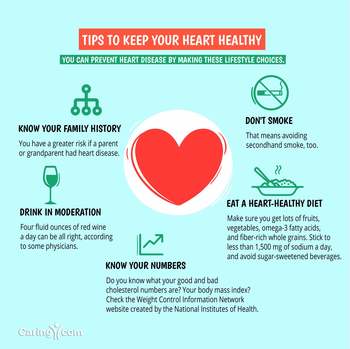
Keeping your heart healthy is crucial, as heart disease is the leading cause of death for both men and women in the United States. By taking certain steps, you can lower your risk of heart disease and improve your overall cardiovascular health. This blog will outline the basics of maintaining heart health and provide tips for reducing the risk of heart disease.
Importance of cardiovascular health
Maintaining a healthy cardiovascular system is vital for your overall well-being. The heart is responsible for pumping oxygen-rich blood to every part of your body, supplying necessary nutrients and removing waste. When the cardiovascular system is compromised, it can lead to various health issues, including heart disease, heart attacks, and strokes.
Taking care of your heart can provide numerous benefits, including:
– Increased energy levels and stamina
– Improved mental clarity and focus
– Reduced risk of heart disease and related complications
– Enhanced quality of life
Natural ways to support cardiovascular health
There are several lifestyle changes you can make to support your cardiovascular health naturally. By incorporating these habits into your daily routine, you can improve the health of your heart and reduce the risk of heart disease.
1. **Eat a healthy diet**: Consuming a balanced diet rich in fruits, vegetables, whole grains, lean proteins, and healthy fats can help lower your risk of heart disease. Limit your intake of saturated and trans fats, sodium, and added sugars.
2. **Get regular physical activity**: Engaging in regular physical activity, such as brisk walking, jogging, swimming, or cycling, can strengthen your heart and improve its efficiency. Aim for at least 150 minutes of moderate-intensity exercise or 75 minutes of vigorous activity each week.
3. **Maintain a healthy weight**: Being overweight or obese increases your risk of heart disease. By achieving and maintaining a healthy weight, you can significantly improve your cardiovascular health. Combine a healthy diet with regular exercise to achieve your weight goals.
4. **Quit smoking and avoid secondhand smoke**: Smoking is a major risk factor for heart disease. If you smoke, quitting is the best thing you can do for your heart health. Additionally, try to avoid exposure to secondhand smoke, as it can also increase your risk of heart disease.
5. **Control cholesterol and blood pressure**: High cholesterol and blood pressure are significant contributors to heart disease. Take steps to manage these conditions by eating a heart-healthy diet, exercising regularly, and following your healthcare provider’s recommendations for medication if needed.
6. **Limit alcohol consumption**: While moderate alcohol consumption may have some cardiovascular benefits, excessive drinking can have detrimental effects on your heart. If you choose to drink alcohol, do so in moderation. Men should limit their intake to two drinks per day, and women should limit themselves to one drink per day.
7. **Manage stress**: Prolonged stress can impact your heart health. Practice stress-management techniques such as deep breathing exercises, meditation, or engaging in activities that you enjoy. Incorporating relaxation into your daily routine can help reduce stress levels and promote heart health.
Remember that your age and family history also play a role in your risk for heart disease. Stay informed about your personal risk factors and discuss them with your healthcare provider to develop a comprehensive plan for maintaining your cardiovascular health.
By following these natural ways to support your cardiovascular health, you can take control of your heart health and reduce the risk of heart disease. Start implementing these habits today to enjoy a healthier heart and a better quality of life.
Eat a Heart-Healthy Diet
The Basics
To lower your risk of heart disease, it is important to eat a heart-healthy diet. A heart-healthy diet includes foods that are low in saturated fat, added sugars, and sodium (salt). It is also rich in high-fiber foods like whole grains, fruits, and vegetables. Certain fats, like the fats found in olive oil and fish, are also beneficial for your heart health.
Tips for a heart-healthy diet
Here are some tips to help you maintain a heart-healthy diet:
1. Choose whole grains: Opt for whole grain bread, pasta, and rice instead of their refined counterparts. Whole grains are rich in fiber and can help lower your risk of heart disease.
2. Eat more fruits and vegetables: Aim to include a variety of colorful fruits and vegetables in your meals. They are packed with vitamins, minerals, and fiber, which are all beneficial for your heart health.
3. Include lean protein sources: Opt for lean sources of protein like skinless chicken, fish, and legumes. These options are lower in saturated fat compared to red meat.
4. Limit saturated and trans fats: Reduce your intake of foods high in saturated and trans fats, such as fatty meats, full-fat dairy products, and processed snacks. These fats can raise your cholesterol levels and increase your risk of heart disease.
5. Watch your portion sizes: Be mindful of the portion sizes of your meals. Overeating can lead to weight gain, which is a risk factor for heart disease. Use smaller plates and be aware of serving sizes.
6. Reduce sodium intake: Limit your consumption of processed foods, which tend to be high in sodium. Instead, season your meals with herbs and spices to add flavor without excessive salt.
7. Stay hydrated: Drink plenty of water throughout the day to stay hydrated. Avoid sugary drinks and limit your alcohol consumption.
It is important to remember that making small, gradual changes to your diet is more sustainable than trying to completely overhaul your eating habits. Start by incorporating one or two of these tips into your daily routine and gradually make more changes over time. Eating a heart-healthy diet is a lifelong commitment to your health and well-being.
Remember to consult with a healthcare professional or registered dietitian if you have any specific dietary concerns or health conditions. They can provide personalized advice and guidance on how to maintain a heart-healthy diet that suits your individual needs.
Get Active
Benefits of physical activity
Regular physical activity is crucial for maintaining a healthy heart. Here are some of the key benefits of staying active:
1. Lower risk of heart disease: Engaging in regular exercise can help reduce your risk of developing heart disease. It can improve your heart health by strengthening your heart muscle, lowering blood pressure, and increasing good cholesterol levels.
2. Weight management: Exercise plays a crucial role in maintaining a healthy weight. When combined with a balanced diet, regular physical activity can help you lose excess weight or prevent weight gain, reducing your risk of heart disease.
3. Improved mood and mental health: Physical activity releases endorphins, which are known as “feel-good” hormones. Regular exercise can help reduce symptoms of depression, anxiety, and stress, improving your overall mental well-being.
4. Increased energy levels: Regular physical activity can boost your energy levels and promote better sleep. It helps deliver more oxygen and nutrients to your muscles, improving their ability to function efficiently.
Tips for incorporating exercise into your routine
If you’re looking to start or maintain an active lifestyle, here are some tips to help you get started:
1. Find activities you enjoy: Choose activities that you find enjoyable and that suit your fitness level. Whether it’s walking, dancing, swimming, cycling, or playing a sport, finding activities you love will make it easier to stick to your exercise routine.
2. Start slow and gradually increase intensity: If you’re new to exercise or haven’t been active for a while, it’s important to start slowly and gradually increase the intensity and duration of your workouts. This will help prevent injuries and allow your body to adapt to the increased activity.
3. Make it a habit: Schedule exercise into your daily routine, just like any other appointment or commitment. Set aside specific times for physical activity and make it a non-negotiable part of your day.
4. Mix it up: Incorporate a variety of activities into your routine to keep things interesting and prevent boredom. Try different types of exercises to target different muscle groups and challenge your body in different ways.
5. Set goals: Set realistic and achievable goals for yourself. Whether it’s aiming to exercise for a certain number of minutes each day or improving your endurance, having specific goals can help keep you motivated and track your progress.
6. Stay accountable: Find a workout buddy or join a fitness group to help keep you accountable and motivated. Having someone to exercise with can make the experience more enjoyable and increase your commitment to regular physical activity.
7. Listen to your body: Pay attention to how your body feels during and after exercise. If you experience pain, dizziness, or extreme fatigue, it’s important to take a break and seek medical advice if necessary.
Remember, any amount of physical activity is better than none. Start with small, manageable steps and gradually increase your activity level over time. The key is to find activities you enjoy and make exercise a regular part of your lifestyle. Your heart will thank you for it!Maintain a Healthy Weight
The link between weight and heart health
Maintaining a healthy weight is essential for keeping your heart in good shape. Excess weight can strain your heart and increase your risk of developing heart disease. By maintaining a healthy weight, you can lower your risk and protect your heart health.
Tips for achieving and maintaining a healthy weight
Here are some straightforward tips to help you achieve and maintain a healthy weight:
– Monitor your calorie intake: Pay attention to the number of calories you consume each day. It’s important to strike a balance between the calories you consume and the calories you burn through physical activity. Aim for a calorie intake that aligns with your body’s needs.
– Eat a balanced diet: Focus on consuming a variety of nutrient-dense foods. Include whole grains, lean proteins, fruits, vegetables, and healthy fats in your diet. These foods provide essential nutrients while keeping you satisfied and nourished.
– Control portion sizes: Be mindful of your portion sizes to avoid overeating. Use smaller plates and bowls to help control your portions. Listen to your body’s hunger and fullness cues to guide your eating habits.
– Practice mindful eating: Slow down and pay attention to the whole eating experience. Chew your food thoroughly and savor the flavors. This can help you recognize when you are full and prevent overeating.
– Engage in regular physical activity: Incorporate regular exercise into your routine to support weight management and improve heart health. Aim for at least 150 minutes of moderate-intensity aerobic activity or 75 minutes of vigorous-intensity activity each week.
– Find activities you enjoy: Choose physical activities that you enjoy to make it easier to stick to your exercise routine. Whether it’s playing a sport, dancing, hiking, or cycling, find activities that bring you joy and keep you active.
– Limit sedentary behavior: Cut back on sedentary behaviors like sitting for long periods. Take breaks to stand up, stretch, and move around throughout the day. Consider using a standing desk or taking short walks during your breaks.
– Get enough sleep: Aim for seven to nine hours of quality sleep each night. Poor sleep can lead to weight gain and increase your risk of heart disease. Establish a regular sleep schedule and create a relaxing routine before bedtime to promote restful sleep.
– Stay consistent: Remember that maintaining a healthy weight is a long-term commitment. Stay consistent with your healthy eating habits and exercise routine. Focus on progress rather than perfection, and be patient with yourself as changes take time.
Maintaining a healthy weight is not only beneficial for your overall wellness but also for your heart health. By following these tips and making small, sustainable changes, you can achieve and maintain a healthy weight and reduce your risk of heart disease. Don’t hesitate to consult with a healthcare professional or registered dietitian for personalized advice and guidance on achieving your weight goals.
Quit Smoking and Avoid Secondhand Smoke
The harmful effects of smoking on the heart
Smoking has serious effects on your heart health. It increases your risk of developing heart disease and having a heart attack. Quitting smoking is one of the best things you can do for your heart. Here’s why:
– Smoking damages the lining of your arteries and causes them to become narrow, restricting blood flow to the heart. This can lead to a heart attack.
– Smoking decreases the levels of oxygen in your blood, making your heart work harder to pump blood throughout your body.
– Smoking increases your blood pressure and heart rate, putting unnecessary strain on your heart.
– Smoking thickens and narrows your blood vessels, making it harder for blood to flow freely through them.
Strategies for quitting smoking
If you’re a smoker, quitting is the best thing you can do for your heart health. Here are some strategies to help you quit smoking and avoid the harmful effects of secondhand smoke:
– Identify your reasons for quitting: Think about why you want to quit smoking. Whether it’s for your health, family, or financial reasons, having a clear motivation will keep you motivated on your quitting journey.
– Seek support: Quitting smoking is challenging, but you don’t have to do it alone. Reach out to your healthcare provider, join a support group, or call a quitline like 1-800-QUIT-NOW (1-800-784-8669) for free support and resources.
– Set a quit date: Choose a date to quit smoking and stick to it. Plan ahead and prepare yourself mentally and emotionally for the challenges that may come with quitting.
– Use nicotine replacement therapies: Nicotine replacement therapies, such as nicotine patches, gum, or lozenges, can help ease withdrawal symptoms and cravings. Talk to your healthcare provider to determine which option is best for you.
– Avoid triggers: Identify situations or activities that make you want to smoke and try to avoid them. Replace smoking with healthier alternatives, such as going for a walk or taking deep breaths when cravings hit.
– Find healthier coping mechanisms: Smoking is often used as a way to cope with stress or difficult emotions. Find healthier ways to manage stress and emotions, such as exercising, practicing relaxation techniques, or talking to a trusted friend or family member.
– Make your home smoke-free: If someone in your home smokes, ask them to smoke outside to prevent exposure to secondhand smoke. Keep your home environment smoke-free to protect your heart and the health of your loved ones.
Quitting smoking is a challenging but rewarding journey. By quitting smoking and avoiding secondhand smoke, you can significantly reduce your risk of heart disease and improve your overall health. Don’t hesitate to seek support and use resources available to you to make your quitting journey a successful one. Your heart will thank you for it.
Manage Cholesterol and Blood Pressure
Understanding cholesterol and blood pressure levels
To protect your heart health, it’s crucial to manage your cholesterol and blood pressure levels. High cholesterol and high blood pressure are leading risk factors for heart disease and heart attacks. By understanding what these numbers mean and taking steps to control them, you can significantly reduce your risk.
Cholesterol: Cholesterol is a waxy substance produced by your liver and found in certain foods. While your body needs cholesterol for essential functions, having too much of it can lead to a buildup in your arteries, increasing the risk of heart disease. There are two types of cholesterol to be aware of:
– Low-density lipoprotein (LDL) cholesterol: Known as “bad” cholesterol, high levels of LDL cholesterol can clog your arteries.
– High-density lipoprotein (HDL) cholesterol: Referred to as “good” cholesterol, HDL cholesterol helps remove LDL cholesterol from your arteries.
Blood Pressure: Blood pressure measures the force of blood against the walls of your arteries. High blood pressure, also known as hypertension, can strain your heart and damage your arteries. It’s important to keep your blood pressure within a healthy range. Blood pressure is measured using two numbers:
– Systolic pressure: The top number represents the pressure when your heart is contracting.
– Diastolic pressure: The bottom number represents the pressure when your heart is at rest between beats.
Normal blood pressure is typically around 120/80 mmHg. Elevated or consistently high blood pressure can contribute to heart disease.
Natural methods for controlling cholesterol and blood pressure
Fortunately, there are several natural methods you can incorporate into your lifestyle to help manage your cholesterol and blood pressure levels. These include:
– Eat a heart-healthy diet: Focus on consuming foods rich in fiber, such as whole grains, fruits, vegetables, and legumes. Limit your intake of saturated fats, trans fats, and cholesterol, which can contribute to high cholesterol levels. Incorporate sources of healthy fats, such as avocados, nuts, and olive oil, into your diet.
– Increase physical activity: Engage in regular aerobic exercise, such as brisk walking, running, or cycling, to help lower cholesterol levels and maintain healthy blood pressure. Aim for at least 150 minutes of moderate-intensity exercise each week.
– Maintain a healthy weight: Excess weight can contribute to high cholesterol and blood pressure. By achieving and maintaining a healthy weight through a balanced diet and regular exercise, you can improve your heart health.
– Limit sodium intake: Consuming too much sodium can raise blood pressure. Be mindful of your salt intake and choose low-sodium alternatives when possible. Opt for fresh foods instead of processed or packaged options, as they tend to be higher in sodium.
– Quit smoking: Smoking damages your blood vessels and can increase cholesterol levels. Quitting smoking is one of the best things you can do for your heart health. Seek support from healthcare professionals or smoking cessation programs to help you quit.
– Reduce stress: Chronic stress can contribute to high blood pressure. Find healthy ways to manage stress, such as practicing relaxation techniques, engaging in hobbies, or seeking support from loved ones or professionals.
– Limit alcohol intake: Excessive alcohol consumption can raise blood pressure and contribute to high cholesterol levels. If you drink alcohol, do so in moderation. The American Heart Association recommends limiting alcohol intake to one drink per day for women and up to two drinks per day for men.
By implementing these lifestyle changes, you can take control of your cholesterol and blood pressure levels, reducing your risk of heart disease. Remember, consistency is key, and it’s important to work with your healthcare provider to monitor your progress and make any necessary adjustments to your treatment plan.
Limit Alcohol Consumption
The relationship between alcohol and heart health
Excessive alcohol consumption can have negative effects on your heart health. While drinking alcohol in moderation may have some potential benefits for certain individuals, such as raising HDL (good) cholesterol levels, it’s important to understand the risks involved.
Drinking too much alcohol can lead to high blood pressure, irregular heartbeats, and cardiomyopathy (disease of the heart muscle). It can also increase your risk of developing certain types of cancer, liver disease, and stroke. Therefore, it’s crucial to be mindful of your alcohol intake and make informed choices to protect your heart.
Guidelines for moderate alcohol intake
If you choose to consume alcohol, it’s important to do so in moderation. Moderate drinking is defined as:
– For women: One drink or less in a day
– For men: Two drinks or less in a day
It’s essential to understand what constitutes a standard drink. Different alcoholic beverages have varying alcohol content. One standard drink typically contains approximately:
– 14 grams (0.6 ounces) of pure alcohol
– 5 ounces of wine
– 12 ounces of beer
– 1.5 ounces of distilled spirits (such as vodka, whiskey, or gin)
When it comes to alcohol and heart health, moderation is key. Drinking within these limits can reduce your risk of heart disease and other health problems associated with excessive alcohol consumption.
By adhering to these guidelines and making conscious choices about your alcohol intake, you can protect your heart health and overall well-being. It’s important to note that for some individuals, even moderate alcohol intake may not be recommended due to certain health conditions or medications. Therefore, it’s always best to consult with your healthcare provider for personalized advice.
In conclusion, while alcohol consumption can be enjoyed in moderation, excessive or heavy drinking can be detrimental to your heart health. By limiting alcohol intake and being mindful of the recommended guidelines, you can reduce your risk of heart disease and maintain a healthy lifestyle. Your heart will thank you for making these positive choices.
Manage Stress
The impact of stress on cardiovascular health
Stress can have a significant impact on your cardiovascular health. Chronic stress can contribute to the development and progression of heart disease by increasing blood pressure, cholesterol levels, and the risk of blood clots. It can also lead to unhealthy coping mechanisms such as overeating, smoking, or excessive alcohol consumption, which further contribute to heart disease. Therefore, it is essential to learn effective techniques for managing and reducing stress to protect your heart health.
Techniques for managing and reducing stress
There are various techniques you can incorporate into your daily routine to manage and reduce stress. By incorporating these practices, you can help promote relaxation and improve your overall well-being:
– Deep breathing exercises: Deep breathing is an effective technique for calming the mind and reducing stress. Take slow, deep breaths in through your nose and exhale slowly through your mouth. Focus on your breath and try to let go of any tension or stress with each exhale.
– Meditation: Meditation is a practice that involves focusing your attention on a particular object, thought, or activity to achieve a state of mental clarity and calmness. Regular meditation can help reduce stress, improve emotional well-being, and lower blood pressure.
– Yoga: Yoga combines physical postures, breathing exercises, and meditation to promote relaxation and reduce stress. Practicing yoga regularly can help improve flexibility, strength, and balance, while also providing mental and emotional benefits.
– Mindfulness: Mindfulness involves paying attention to the present moment without judgment. This practice can help you become more aware of your thoughts, feelings, and sensations, allowing you to respond to stress in a more adaptive way.
– Exercise: Physical activity is not only beneficial for maintaining a healthy weight and cardiovascular fitness but also for reducing stress. Engaging in aerobic exercise, such as walking, running, or cycling, releases endorphins, which are natural stress fighters.
– Social support: Connecting with friends, family, or support groups can provide emotional support and help alleviate stress. Talking to someone you trust about your feelings can help you gain perspective and find solutions to stressors.
– Time management: Prioritizing tasks, setting realistic goals, and managing your time effectively can help reduce feelings of overwhelm and stress. Break tasks into smaller, manageable steps and practice self-care by scheduling time for relaxation and hobbies.
– Sleep hygiene: Getting adequate sleep is crucial for stress management and overall health. Establish a regular sleep schedule, create a relaxing bedtime routine, and create a sleep-friendly environment to improve sleep quality.
– Healthy lifestyle choices: Eating a balanced diet, limiting alcohol intake, and avoiding excessive caffeine and sugary foods can help regulate stress levels. These lifestyle choices contribute to overall well-being and can positively impact your body’s response to stress.
Remember that managing and reducing stress is a lifelong process. It’s important to prioritize self-care, seek support when needed, and be patient with yourself as you incorporate new stress management techniques into your routine. By managing stress effectively, you can protect your cardiovascular health and reduce the risk of heart disease. Consult with your healthcare provider for personalized guidance and support on stress management techniques that may be most beneficial for you.
Manage Stress
The impact of stress on your cardiovascular health
Stress has a significant impact on your cardiovascular health. It can contribute to the development and progression of heart disease by increasing blood pressure, cholesterol levels, and the risk of blood clots. Additionally, stress can lead to unhealthy coping mechanisms such as overeating, smoking, or excessive alcohol consumption, which further contribute to heart disease. Therefore, it is essential to learn effective techniques for managing and reducing stress to protect your heart health.
Techniques for managing and reducing stress
To manage and reduce stress, you can incorporate various techniques into your daily routine. By practicing these techniques, you can promote relaxation and improve your overall well-being:
– **Deep breathing exercises:** Take slow, deep breaths in through your nose and exhale slowly through your mouth. Focus on your breath and let go of any tension or stress with each exhale.
– **Meditation:** Focus your attention on a particular object, thought, or activity to achieve a state of mental clarity and calmness. Regular meditation can reduce stress, improve emotional well-being, and lower blood pressure.
– **Yoga:** Combine physical postures, breathing exercises, and meditation to promote relaxation and reduce stress. Regular yoga practice can improve flexibility, strength, balance, and provide mental and emotional benefits.
– **Mindfulness:** Pay attention to the present moment without judgment. This practice can help you become more aware of your thoughts, feelings, and sensations, allowing you to respond to stress in a more adaptive way.
– **Exercise:** Engage in aerobic exercise like walking, running, or cycling to release endorphins, which are natural stress fighters.
– **Social support:** Connect with friends, family, or support groups to gain emotional support and find solutions to stressors.
– **Time management:** Prioritize tasks, set realistic goals, and manage your time effectively to reduce overwhelm and stress.
– **Sleep hygiene:** Establish a regular sleep schedule, create a relaxing bedtime routine, and create a sleep-friendly environment to improve sleep quality.
– **Healthy lifestyle choices:** Eat a balanced diet, limit alcohol intake, and avoid excessive caffeine and sugary foods to regulate stress levels and support your overall well-being.
Remember that managing and reducing stress is a lifelong process. Prioritize self-care, seek support when needed, and be patient with yourself as you incorporate new stress management techniques into your routine. By managing stress effectively, you can protect your cardiovascular health and reduce the risk of heart disease.
Conclusion
Recap of natural ways to support cardiovascular health
Taking steps to protect your heart health is vital to lower your risk of heart disease. Here are the key actions you can take:
– Eat a healthy diet
– Get regular physical activity
– Maintain a healthy weight
– Quit smoking and avoid secondhand smoke
– Control your cholesterol and blood pressure
– Drink alcohol only in moderation
– Manage and reduce stress effectively
Final thoughts and takeaways
Stress is a significant contributor to heart disease, but by implementing stress management techniques into your life, you can support your cardiovascular health. Remember to prioritize self-care, seek support, and be patient as you incorporate these practices into your routine. By making healthy choices and effectively managing stress, you can keep your heart healthy and reduce the risk of heart disease.