


Maintaining a healthy diet is crucial for overall well-being and optimal health. A balanced diet provides the body with the necessary nutrients, vitamins, and minerals it needs to function properly. In this blog post, we will explore various aspects of a healthy diet and provide tips and strategies for incorporating nutritious foods into your daily meals. To make the information more engaging and informative, we will use the concepts of perplexity and burstiness. Perplexity refers to the complexity and diversity of ideas presented, while burstiness refers to the inclusion of unexpected or surprising information.
The Importance of a Balanced Diet for Optimal Health
A balanced diet is one that includes a variety of foods from different food groups in appropriate proportions. It provides the body with all the essential nutrients it needs to function optimally. A balanced diet has numerous benefits, including maintaining a healthy weight, reducing the risk of chronic diseases such as heart disease and diabetes, improving digestion, boosting energy levels, and enhancing overall well-being.
On the other hand, an unbalanced diet can lead to various health problems. For example, a diet high in saturated fats and cholesterol can increase the risk of heart disease and stroke. A diet lacking in essential nutrients like vitamins and minerals can weaken the immune system and make individuals more susceptible to infections and diseases. Additionally, an unbalanced diet that is high in processed foods and added sugars can contribute to weight gain, obesity, and related health issues.
Understanding Macronutrients and Micronutrients for a Healthy Diet
Macronutrients are nutrients that provide energy in the form of calories. They include carbohydrates, proteins, and fats. Carbohydrates are the body’s primary source of energy and can be found in foods like grains, fruits, vegetables, and legumes. Proteins are essential for building and repairing tissues and can be found in foods like meat, fish, eggs, dairy products, and plant-based sources like beans and tofu. Fats are important for energy storage, insulation, and the absorption of fat-soluble vitamins. They can be found in foods like nuts, seeds, oils, and fatty fish.
Micronutrients, on the other hand, are nutrients that the body needs in smaller amounts but are still essential for proper functioning. They include vitamins and minerals. Vitamins are organic compounds that are necessary for various bodily functions, such as growth, development, and metabolism. They can be found in foods like fruits, vegetables, whole grains, and dairy products. Minerals are inorganic substances that are necessary for the body’s structure and function. They can be found in foods like meat, fish, dairy products, fruits, vegetables, and whole grains.
Incorporating More Whole Foods into Your Daily Meals
| Whole Foods | Benefits |
|---|---|
| Fruits and Vegetables | Rich in vitamins, minerals, and fiber. May reduce risk of chronic diseases. |
| Whole Grains | Provide energy, fiber, and nutrients. May reduce risk of heart disease and type 2 diabetes. |
| Legumes | Good source of protein, fiber, and iron. May improve gut health and reduce risk of heart disease. |
| Nuts and Seeds | Provide healthy fats, protein, and fiber. May reduce risk of heart disease and improve brain function. |
| Lean Proteins | Provide essential amino acids for muscle growth and repair. May reduce risk of heart disease and improve satiety. |
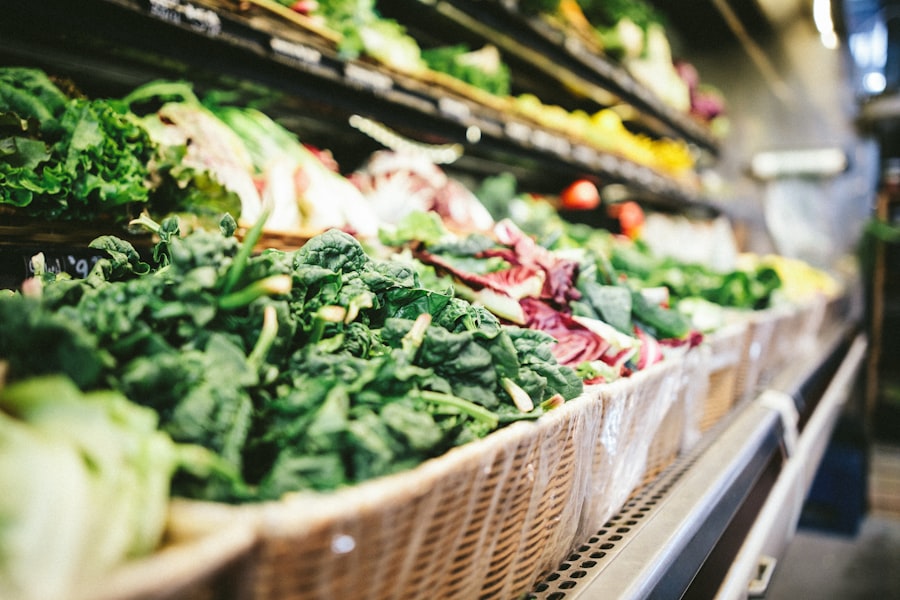
Whole foods are foods that are minimally processed or unprocessed and are as close to their natural state as possible. They are rich in nutrients and provide numerous health benefits. Whole foods include fruits, vegetables, whole grains, legumes, nuts, seeds, and lean proteins. Incorporating more whole foods into your daily meals can improve digestion, boost energy levels, support weight management, reduce the risk of chronic diseases, and enhance overall well-being.
To incorporate more whole foods into your diet, start by gradually replacing processed foods with whole food alternatives. For example, instead of reaching for a bag of chips as a snack, opt for a handful of nuts or a piece of fruit. When preparing meals, focus on using fresh ingredients and cooking from scratch whenever possible. Experiment with different recipes that feature whole foods as the main ingredients. Additionally, try to include a variety of colors in your meals by incorporating different fruits and vegetables to ensure you’re getting a wide range of nutrients.
The Benefits of Drinking Water and Staying Hydrated
Water is essential for the body’s proper functioning. It plays a crucial role in digestion, absorption, circulation, and temperature regulation. Staying hydrated has numerous benefits, including maintaining healthy skin, promoting weight loss, improving digestion, preventing constipation, and reducing the risk of kidney stones.
To ensure you’re drinking enough water throughout the day, carry a reusable water bottle with you and sip on it regularly. Set reminders on your phone or computer to drink water at regular intervals. You can also incorporate foods with high water content into your diet, such as fruits and vegetables like watermelon, cucumbers, and oranges. Additionally, try flavoring your water with slices of lemon, lime, or cucumber to make it more enjoyable.
Mindful Eating: How to Pay Attention to Your Body’s Hunger and Fullness Cues
Mindful eating is the practice of paying attention to the present moment while eating and being aware of your body’s hunger and fullness cues. It involves savoring each bite, eating slowly, and listening to your body’s signals of hunger and fullness. Mindful eating has numerous benefits, including improved digestion, better portion control, reduced emotional eating, and increased satisfaction from meals.
To practice mindful eating, start by eliminating distractions while eating. Turn off the TV or put away your phone and focus solely on your meal. Take small bites and chew slowly, savoring the flavors and textures of the food. Pay attention to how your body feels before, during, and after eating. Eat until you’re satisfied but not overly full. By practicing mindful eating, you can develop a healthier relationship with food and make more conscious choices about what and how much you eat.
Meal Planning and Preparation Tips for a Busy Lifestyle
Meal planning and preparation are essential for maintaining a healthy diet, especially for those with busy lifestyles. By planning your meals in advance and preparing them ahead of time, you can save time, money, and energy, and ensure that you have nutritious meals readily available.
Start by setting aside some time each week to plan your meals. Consider your schedule, dietary preferences, and nutritional needs. Make a grocery list based on your meal plan and stick to it when shopping. When you have some free time, prepare ingredients in advance, such as chopping vegetables or marinating meat. Cook large batches of meals and portion them out for the week. Invest in quality food storage containers to keep your meals fresh.
Some easy and healthy meal ideas for busy individuals include overnight oats for breakfast, salads or grain bowls for lunch, and one-pot meals or sheet pan dinners for dinner. These meals can be prepared in advance and easily customized with different ingredients to suit your taste preferences.
Smart Snacking: Healthy Options for Between Meals
Snacking can be a healthy part of a balanced diet if done right. It can help curb hunger between meals, provide an energy boost, and prevent overeating during main meals. However, it’s important to choose healthy snack options that are nutrient-dense and satisfy your cravings without adding excessive calories or unhealthy ingredients.
Some healthy snack options include fresh fruits and vegetables with hummus or nut butter, Greek yogurt with berries or granola, nuts and seeds, whole grain crackers with cheese or avocado, and homemade energy balls or protein bars. When snacking, pay attention to portion sizes and avoid mindlessly eating straight from the bag or container. Instead, portion out your snacks into small bowls or containers to help control your intake.
The Role of Superfoods in a Nutritious Diet
Superfoods are nutrient-dense foods that are particularly beneficial for health and well-being due to their high content of vitamins, minerals, antioxidants, and other beneficial compounds. They can provide a wide range of health benefits, including boosting the immune system, reducing inflammation, improving digestion, supporting brain health, and reducing the risk of chronic diseases.
Some examples of superfoods include berries, leafy greens, cruciferous vegetables, fatty fish like salmon, nuts and seeds, whole grains like quinoa and oats, and fermented foods like yogurt and sauerkraut. To incorporate superfoods into your diet, try adding berries to your morning smoothie or oatmeal, including leafy greens in your salads or stir-fries, and incorporating fatty fish into your weekly meal plan. Experiment with different recipes that feature superfoods as the main ingredients to maximize their health benefits.
Reducing Sugar and Processed Foods for Better Health
Sugar and processed foods can have detrimental effects on the body when consumed in excess. They can contribute to weight gain, obesity, type 2 diabetes, heart disease, and other chronic health conditions. Reducing the intake of sugar and processed foods is crucial for maintaining optimal health.
To reduce sugar intake, start by reading food labels and avoiding products that contain added sugars. Opt for natural sweeteners like honey or maple syrup instead of refined sugar when sweetening foods or beverages. Gradually reduce the amount of sugar you add to your coffee or tea. When it comes to processed foods, focus on consuming whole foods instead. Cook meals from scratch using fresh ingredients whenever possible. Limit your intake of packaged snacks, sugary drinks, and fast food.
Making Sustainable Changes: How to Stick to a Healthy Eating Plan Long-Term
Making sustainable changes is key to sticking to a healthy eating plan long-term. It’s important to approach healthy eating as a lifestyle rather than a temporary change. By making small, gradual changes and focusing on long-term goals, you can develop healthy habits that will last a lifetime.
Start by setting realistic goals that are achievable and sustainable. Instead of completely overhauling your diet overnight, focus on making one small change at a time. For example, start by incorporating more fruits and vegetables into your meals, then gradually reduce your intake of processed foods. Find healthy alternatives to your favorite unhealthy foods to satisfy cravings without derailing your progress. Surround yourself with a supportive community or enlist the help of a nutritionist or dietitian to provide guidance and accountability.
Maintaining a healthy diet is essential for overall well-being and optimal health. By incorporating a variety of whole foods, staying hydrated, practicing mindful eating, planning and preparing meals, choosing healthy snacks, incorporating superfoods, reducing sugar and processed foods, and making sustainable changes, you can improve your health and well-being in the long run. Remember that small changes can make a big difference, and it’s never too late to start prioritizing your health.
If you’re looking for more tips on maintaining a healthy diet, you might find this article on “Healthy Habits for Busy Lifestyles” helpful. It offers practical advice and strategies for incorporating nutritious meals into your daily routine, even when you’re short on time. Check it out here. Additionally, if you’re interested in self-care and overall wellness, you may want to read this article on “Healthy Tips for Self-Care: Wellness Wisdom.” It provides insights and suggestions for taking care of your physical and mental well-being. You can find it here. Lastly, if you’re an athlete or someone who leads an active lifestyle, the article on “Nutrition for Athletes” is worth a read. It offers guidance on fueling your body properly to optimize performance and recovery. You can access it here.