

Coconut milk is a creamy, white liquid that is extracted from the flesh of mature coconuts. It is not the same as coconut water, which is the clear liquid found inside young, green coconuts. To make coconut milk, the white flesh of the coconut is grated and soaked in hot water. The mixture is then strained through a cheesecloth, resulting in a thick, rich liquid known as coconut milk. This versatile ingredient is commonly used in many cuisines around the world, particularly in Southeast Asian and Caribbean cooking. It adds a unique flavor and creamy texture to dishes and is a staple in many traditional recipes.
Coconut milk can be found in various forms, including canned, carton, and powdered. Canned coconut milk is the most common and is made by simmering the grated coconut flesh in water and then straining it to remove the solids. It has a high fat content and a rich, creamy texture, making it ideal for cooking and baking. Carton coconut milk is a diluted version of canned coconut milk and is often used as a dairy milk alternative. It has a milder flavor and lower fat content than canned coconut milk. Powdered coconut milk is made by spray-drying coconut milk to create a fine powder that can be reconstituted with water. It is convenient for travel and has a longer shelf life than canned or carton coconut milk.
Nutritional Benefits of Coconut Milk
Coconut milk is a rich source of vitamins, minerals, and healthy fats. It contains significant amounts of vitamin C, E, B vitamins, and minerals such as iron, selenium, sodium, calcium, magnesium, and phosphorus. It also contains medium-chain triglycerides (MCTs), which are a type of healthy fat that is easily digested and metabolized by the body. MCTs have been linked to various health benefits, including improved brain function, weight management, and increased energy levels.
One of the most significant nutritional benefits of coconut milk is its high fat content. The fat in coconut milk is primarily in the form of lauric acid, which has been shown to have antimicrobial and antiviral properties. Lauric acid is converted into monolaurin in the body, which can help boost the immune system and fight off harmful pathogens. Additionally, coconut milk is free from lactose, making it a suitable alternative for those who are lactose intolerant or have dairy allergies.
Coconut milk is also a good source of plant-based protein, making it an excellent option for vegetarians and vegans. It can be used as a base for smoothies, soups, curries, and desserts to add creaminess and richness without the need for dairy products. Overall, coconut milk is a nutritious addition to a balanced diet and can provide a range of health benefits when consumed in moderation.
Potential Health Concerns of Coconut Milk
While coconut milk offers many nutritional benefits, it is important to be mindful of potential health concerns associated with its consumption. One of the main concerns with coconut milk is its high saturated fat content. Saturated fats have been linked to an increased risk of heart disease and high cholesterol levels when consumed in excess. It is essential to moderate the intake of saturated fats from all sources, including coconut milk, to maintain heart health.
Another potential concern with coconut milk is its calorie content. Due to its high fat content, coconut milk is relatively high in calories compared to other milk alternatives. Consuming large amounts of coconut milk regularly without considering its calorie content can contribute to weight gain over time. It is important to be mindful of portion sizes and incorporate coconut milk into a balanced diet to avoid excessive calorie intake.
Additionally, some individuals may experience digestive discomfort or allergies when consuming coconut products. While rare, coconut allergies do exist and can cause symptoms such as hives, itching, or swelling. Those with existing nut allergies should exercise caution when consuming coconut products and consult with a healthcare professional if they have any concerns.
Comparison with Other Milk Alternatives
| Milk Alternative | Protein Content (per 8 oz) | Calcium Content (per 8 oz) | Calories (per 8 oz) |
|---|---|---|---|
| Almond Milk | 1g | 450mg | 30 |
| Soy Milk | 7g | 300mg | 80 |
| Oat Milk | 3g | 350mg | 120 |
| Coconut Milk | 0g | 450mg | 45 |
Coconut milk is just one of many dairy-free alternatives to traditional cow’s milk. When compared to other milk alternatives such as almond milk, soy milk, and oat milk, coconut milk offers its own unique set of nutritional benefits and flavor profile.
Almond milk is made from ground almonds and water and has a mild, slightly nutty flavor. It is low in calories and carbohydrates and is often fortified with vitamins and minerals such as calcium and vitamin D. Almond milk is a good option for those looking to reduce their calorie intake or avoid soy-based products.
Soy milk is made from soybeans and has a creamy texture with a slightly sweet taste. It is a good source of plant-based protein and contains all essential amino acids, making it a complete protein source. Soy milk is also rich in vitamins and minerals such as calcium, vitamin D, and B vitamins. It is a suitable option for those looking for a dairy-free alternative with similar nutritional benefits to cow’s milk.
Oat milk is made from soaked oats blended with water and has a mild, slightly sweet flavor. It is naturally free from lactose, nuts, and soy, making it suitable for those with allergies or intolerances. Oat milk is often fortified with vitamins and minerals such as calcium and vitamin D and provides a good source of fiber.
When comparing these milk alternatives, it is essential to consider individual dietary needs and preferences. Each option offers its own unique set of nutritional benefits and can be used in various recipes to suit different tastes and dietary requirements.
Ways to Incorporate Coconut Milk into Your Diet
There are numerous ways to incorporate coconut milk into your diet to enjoy its unique flavor and nutritional benefits. Coconut milk can be used in both sweet and savory dishes, making it a versatile ingredient in cooking and baking.
In savory dishes, coconut milk can be used as a base for curries, soups, stews, and sauces to add creaminess and depth of flavor. It pairs well with spices such as ginger, garlic, lemongrass, and curry powder and can be used to create rich and aromatic dishes from various cuisines around the world.
In sweet dishes, coconut milk can be used to make creamy desserts such as rice pudding, panna cotta, ice cream, and smoothies. It adds a luscious texture and subtle sweetness to desserts while providing healthy fats and nutrients.
Coconut milk can also be used as a dairy alternative in coffee, tea, and hot chocolate or as a creamy addition to oatmeal or cereal. It can be whipped into coconut cream for topping desserts or used as a dairy-free substitute in baking recipes such as cakes, muffins, and cookies.
Overall, incorporating coconut milk into your diet can add variety to your meals while providing essential nutrients and healthy fats. Experimenting with different recipes and cuisines can help you discover new ways to enjoy the unique flavor of coconut milk.
The Role of Coconut Milk in Traditional Medicine
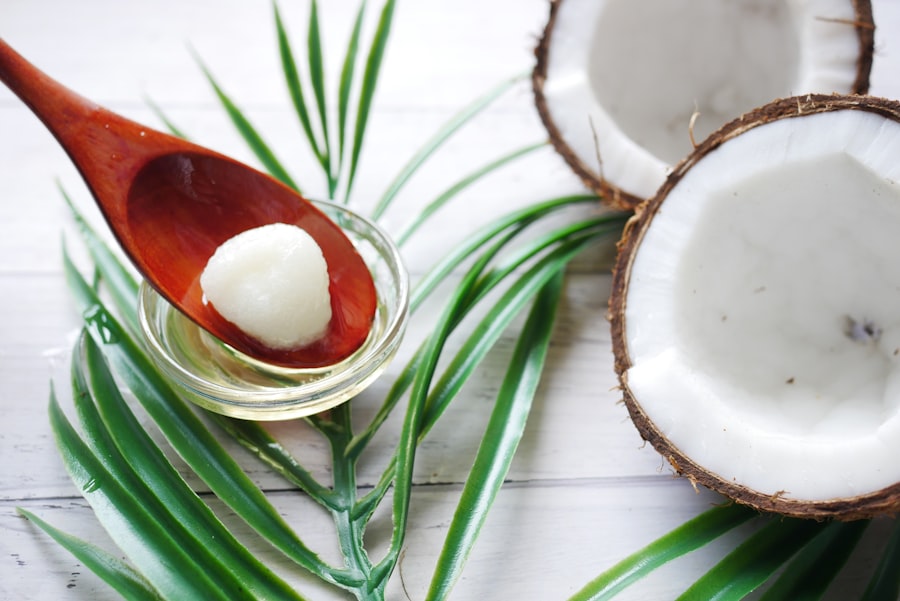
Coconut milk has been used in traditional medicine for centuries due to its potential health benefits. In many cultures, coconut milk is believed to have medicinal properties that can aid in digestion, boost immunity, and promote overall well-being.
In Ayurvedic medicine, an ancient system of healing that originated in India, coconut milk is considered cooling and soothing for the body. It is often used in traditional Ayurvedic remedies to balance Pitta dosha (one of the three fundamental energies believed to govern physiological activities) and alleviate symptoms of heat-related conditions such as inflammation, acidity, and skin irritations.
In traditional Thai medicine, coconut milk is used as an ingredient in herbal remedies to treat digestive disorders, respiratory conditions, and skin ailments. It is believed to have anti-inflammatory properties that can help reduce swelling and pain in the body.
In Caribbean traditional medicine, coconut milk is used topically as a moisturizer for the skin and hair due to its hydrating properties. It is also consumed as a beverage or added to dishes to promote overall health and vitality.
While more research is needed to validate the medicinal uses of coconut milk in traditional medicine, its long history of use in various cultures highlights its potential therapeutic value. Incorporating coconut milk into your diet may offer additional health benefits beyond its nutritional content.
Is Coconut Milk Healthy for You?
In conclusion, coconut milk offers a range of nutritional benefits that make it a healthy addition to a balanced diet when consumed in moderation. It is rich in vitamins, minerals, healthy fats, and medium-chain triglycerides that can support overall health and well-being. However, it is essential to be mindful of potential health concerns associated with its consumption, such as its high saturated fat content and calorie density.
When compared to other milk alternatives, coconut milk provides its own unique set of nutritional benefits and flavor profile that can complement various dishes and dietary preferences. Incorporating coconut milk into your diet can add variety to your meals while providing essential nutrients and healthy fats.
Furthermore, the role of coconut milk in traditional medicine highlights its potential therapeutic value beyond its nutritional content. While more research is needed to validate its medicinal uses, the long history of use in various cultures suggests that coconut milk may offer additional health benefits.
Ultimately, whether coconut milk is healthy for you depends on your individual dietary needs and preferences. When consumed as part of a balanced diet, coconut milk can be enjoyed as a nutritious ingredient that adds flavor and richness to a wide range of dishes while providing potential health benefits.
Coconut milk is often praised for its health benefits, but it’s important to understand the full picture. According to a recent article on AERN’s website, coconut milk can be a healthy addition to your diet when consumed in moderation. However, it’s also high in saturated fat, so it’s best to use it sparingly. For more holistic health tips and wellness wisdom, be sure to check out their article on holistic health hacks and their healthy living tips for seniors.