

Yoga poses, also known as asanas, are the physical postures practiced in yoga. These poses are designed to promote strength, flexibility, balance, and relaxation. Each pose has specific benefits for the body, mind, and spirit. Understanding the basics of yoga poses is essential for a safe and effective practice.
Yoga poses can be categorized into different types, such as standing poses, seated poses, backbends, forward bends, twists, and inversions. Each type of pose targets different areas of the body and offers unique benefits. It’s important to learn the proper alignment and technique for each pose to avoid injury and maximize the benefits. Additionally, focusing on the breath and maintaining mindfulness during the practice can enhance the overall experience of the poses.
Exploring Different Types of Yoga Poses
There are numerous types of yoga poses that cater to different needs and abilities. Standing poses, such as Tadasana (Mountain Pose) and Virabhadrasana (Warrior Pose), focus on building strength and stability in the legs and core. Seated poses, like Sukhasana (Easy Pose) and Padmasana (Lotus Pose), promote flexibility in the hips and spine. Backbends, such as Bhujangasana (Cobra Pose) and Urdhva Dhanurasana (Wheel Pose), open the chest and stretch the front of the body. Forward bends, like Uttanasana (Standing Forward Bend) and Paschimottanasana (Seated Forward Bend), release tension in the back and hamstrings. Twists, such as Ardha Matsyendrasana (Half Lord of the Fishes Pose) and Parivrtta Trikonasana (Revolved Triangle Pose), detoxify the body and improve spinal mobility. Inversions, like Sirsasana (Headstand) and Adho Mukha Vrksasana (Handstand), reverse the effects of gravity and promote mental clarity.
Exploring different types of yoga poses allows practitioners to target specific areas of the body and work towards a balanced practice. It’s important to approach each pose with mindfulness and respect for one’s own limitations. With consistent practice and patience, individuals can progress in their yoga journey and experience the transformative effects of the poses.
Tips for Improving Flexibility in Yoga Poses
Flexibility is a key component of a successful yoga practice. It allows for greater range of motion in the joints, improved posture, and reduced risk of injury. There are several tips for improving flexibility in yoga poses.
Firstly, it’s important to warm up the body before attempting deep stretches. This can be done through gentle movements, such as Sun Salutations or dynamic stretching exercises. Additionally, incorporating regular stretching routines outside of yoga class can help maintain and improve flexibility over time.
Secondly, practicing yoga poses that specifically target tight areas of the body can help improve flexibility. For example, practicing hip-opening poses like Pigeon Pose or hip flexor stretches like Anjaneyasana (Low Lunge) can help release tension in the hips and improve flexibility in that area.
Lastly, using props such as blocks, straps, or bolsters can assist in achieving proper alignment and support in yoga poses. Props can be especially helpful for individuals with limited flexibility or mobility. They can help individuals ease into poses gradually and safely, allowing for a more comfortable experience.
By incorporating these tips into a regular yoga practice, individuals can gradually improve their flexibility and experience greater ease in performing yoga poses.
Mastering Challenging Yoga Poses
| Yoga Pose | Difficulty Level | Average Time to Master |
|---|---|---|
| Headstand (Sirsasana) | Advanced | 6 months – 1 year |
| Lotus Pose (Padmasana) | Intermediate | 3 – 6 months |
| Scorpion Pose (Vrschikasana) | Advanced | 1 – 2 years |
Mastering challenging yoga poses requires dedication, patience, and a willingness to step out of one’s comfort zone. Challenging poses, such as arm balances, inversions, and deep backbends, often require strength, flexibility, and mental focus.
To master challenging yoga poses, it’s important to build a strong foundation by practicing foundational poses that target the same muscle groups and movement patterns. For example, practicing plank pose and chaturanga dandasana can help build upper body strength needed for arm balances like Bakasana (Crow Pose) or Astavakrasana (Eight-Angle Pose).
Additionally, breaking down challenging poses into smaller components can make them more accessible. For example, practicing L-sit or half handstand against a wall can help build the strength and confidence needed for full handstand.
Furthermore, seeking guidance from experienced yoga teachers or attending workshops focused on specific challenging poses can provide valuable insights and techniques for mastering them.
By approaching challenging yoga poses with patience, perseverance, and a sense of playfulness, individuals can gradually progress towards mastering these poses and experience a sense of accomplishment in their practice.
Incorporating Props and Modifications in Yoga Poses
Incorporating props and modifications in yoga poses can make the practice more accessible and enjoyable for individuals with different abilities or limitations. Props such as blocks, straps, bolsters, blankets, and chairs can provide support, stability, and assistance in achieving proper alignment in yoga poses.
For example, using a block under the hand in Trikonasana (Triangle Pose) can help individuals with tight hamstrings reach the floor without compromising the alignment of their spine. Similarly, using a strap in Paschimottanasana (Seated Forward Bend) can assist individuals with limited flexibility in reaching their feet while maintaining a straight back.
Modifications in yoga poses can also be helpful for individuals with injuries or physical limitations. For example, practicing Downward Facing Dog with bent knees can reduce strain on the hamstrings for individuals with tightness or injury in that area.
Incorporating props and modifications in yoga poses allows individuals to adapt the practice to their unique needs and abilities. It encourages a more inclusive approach to yoga and promotes a safe and sustainable practice for all practitioners.
Creating a Balanced Yoga Practice with a Variety of Poses
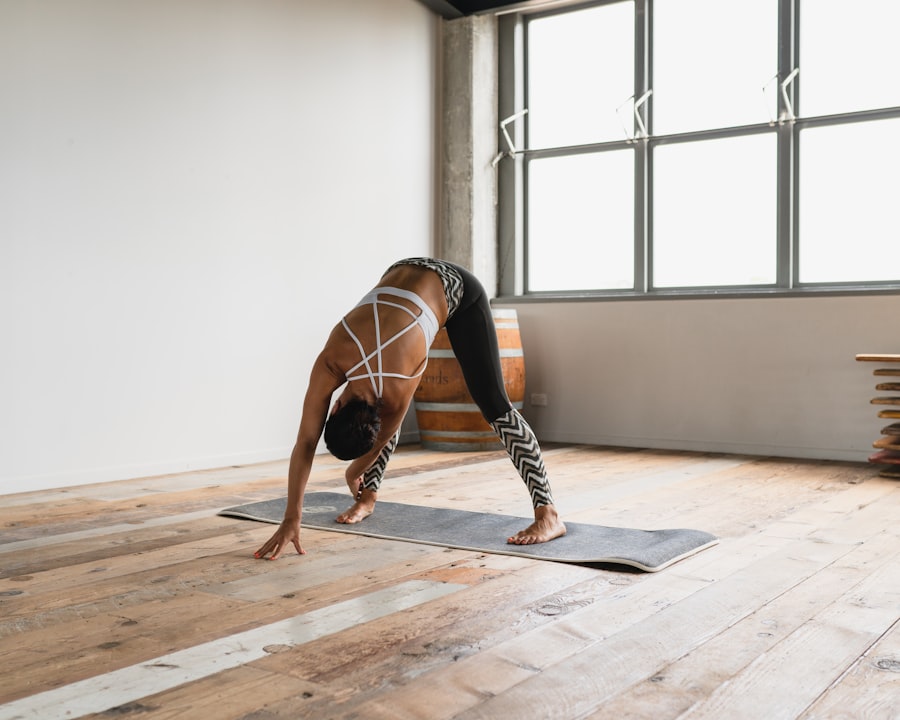
Creating a balanced yoga practice involves incorporating a variety of poses that target different areas of the body and offer diverse benefits. A well-rounded practice typically includes standing poses for strength and stability, forward bends for relaxation and introspection, backbends for opening the heart and chest, twists for detoxification and spinal mobility, inversions for mental clarity and rejuvenation, and seated poses for grounding and introspection.
Additionally, balancing dynamic and static poses can create a harmonious practice that promotes both strength and flexibility. Dynamic poses such as Sun Salutations or flowing sequences like Vinyasa can build heat in the body and improve cardiovascular health. Static poses such as Yin Yoga or restorative poses like Supta Baddha Konasana (Reclining Bound Angle Pose) can promote relaxation and release tension in the body.
Furthermore, incorporating balancing poses such as Tree Pose or Warrior III can improve focus, concentration, and stability both on and off the mat.
By creating a balanced yoga practice with a variety of poses, individuals can experience holistic benefits for their physical, mental, and emotional well-being.
Taking Your Yoga Practice to the Next Level with Advanced Poses
Taking your yoga practice to the next level often involves exploring advanced poses that challenge your strength, flexibility, balance, and mental focus. Advanced poses such as Handstand, Forearm Stand, Scorpion Pose, or Lotus Headstand require a strong foundation in basic poses as well as consistent practice and dedication.
To progress towards advanced poses, it’s important to cultivate patience and perseverance in your practice. Consistent effort over time is key to building the strength and flexibility needed to safely attempt advanced poses.
Seeking guidance from experienced teachers or attending workshops focused on advanced poses can provide valuable insights, techniques, and progressions for safely working towards these challenging postures.
Additionally, cultivating a mindset of curiosity, playfulness, and non-attachment to outcomes can create a sense of lightness and joy in approaching advanced poses.
By approaching advanced poses with respect for your body’s limitations and a willingness to embrace challenges with an open heart and mind, you can take your yoga practice to new heights and experience personal growth both on and off the mat.
Looking to enhance your yoga practice with natural remedies? Check out this insightful article on herbal remedies for balancing hormones. It’s a great complement to your flexible yoga positions, helping you achieve a harmonious balance in both body and mind. Learn more about herbal remedies for balancing hormones here.