

Yeast infections are a common type of fungal infection that can affect various parts of the body, including the mouth, throat, skin, and genital areas. The most common type of yeast infection is caused by the fungus Candida albicans, which is naturally present in the body and usually does not cause any harm. However, when there is an overgrowth of this fungus, it can lead to an infection. Yeast infections are more common in women, but men can also get them.
Yeast infections in the genital area, also known as vaginal yeast infections in women and penile yeast infections in men, can cause symptoms such as itching, burning, redness, and swelling. In women, vaginal yeast infections can also cause abnormal vaginal discharge and discomfort during urination and sexual intercourse. Yeast infections can be triggered by various factors, including antibiotic use, hormonal changes, weakened immune system, diabetes, pregnancy, and poor hygiene. It’s important to seek medical advice if you suspect you have a yeast infection, as it can easily be mistaken for other conditions such as bacterial vaginosis or sexually transmitted infections.
Natural Remedies for Yeast Infections
Natural remedies can be effective in providing relief from yeast infections and supporting the body’s natural healing process. One of the most popular natural remedies for yeast infections is probiotics, which are beneficial bacteria that can help restore the balance of microorganisms in the body. Probiotics can be taken orally as supplements or consumed through fermented foods such as yogurt, kefir, and sauerkraut. These foods can help replenish the good bacteria in the gut and vagina, which can help prevent and treat yeast infections.
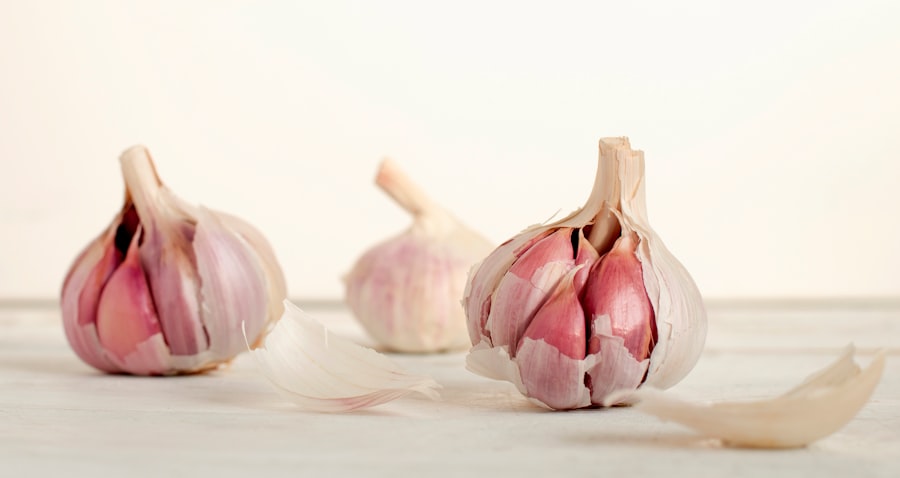
Another natural remedy for yeast infections is coconut oil, which has antifungal properties that can help fight off the overgrowth of yeast. Coconut oil can be applied topically to the affected area to soothe itching and irritation. Additionally, garlic is known for its antifungal and antibacterial properties and can be used as a natural remedy for yeast infections. Consuming raw garlic or using garlic supplements can help inhibit the growth of yeast and promote healing. It’s important to note that while natural remedies can be effective for mild cases of yeast infections, severe or persistent infections may require medical treatment.
Dietary Changes for Yeast Infection Relief
Making dietary changes can play a significant role in managing and preventing yeast infections. One of the key dietary changes for yeast infection relief is reducing the intake of sugar and refined carbohydrates. Yeast feeds on sugar, so consuming high amounts of sugar can contribute to an overgrowth of yeast in the body. It’s important to limit the consumption of sugary foods and beverages such as candy, soda, pastries, and processed snacks. Instead, focus on a diet rich in whole foods such as fruits, vegetables, whole grains, lean proteins, and healthy fats.
In addition to reducing sugar intake, increasing the consumption of probiotic-rich foods can help support a healthy balance of microorganisms in the body. Fermented foods such as yogurt, kefir, kimchi, and kombucha contain beneficial bacteria that can help prevent and alleviate yeast infections. Furthermore, incorporating anti-inflammatory foods into the diet, such as turmeric, ginger, and omega-3 fatty acids from sources like salmon and flaxseeds, can help support the body’s immune response and reduce inflammation associated with yeast infections.
Herbal Remedies for Yeast Infections
| Herbal Remedy | Effectiveness | Usage |
|---|---|---|
| Garlic | Antifungal properties | Insert a garlic clove into the vagina for overnight relief |
| Tea Tree Oil | Antifungal and antibacterial properties | Dilute with water and apply to the affected area |
| Coconut Oil | Antifungal and soothing properties | Apply topically to the affected area |
| Yogurt | Probiotic properties | Apply topically or consume orally |
Herbal remedies have been used for centuries to treat various health conditions, including yeast infections. One popular herbal remedy for yeast infections is tea tree oil, which has natural antifungal properties that can help combat the overgrowth of yeast. Tea tree oil should be diluted with a carrier oil before applying it topically to the affected area to avoid skin irritation. Another herbal remedy for yeast infections is oregano oil, which contains compounds that have been shown to inhibit the growth of yeast. Oregano oil can be taken orally or applied topically to provide relief from symptoms.
Additionally, calendula is an herb that has been traditionally used to soothe skin irritations and promote healing. Calendula cream or ointment can be applied topically to relieve itching and inflammation associated with yeast infections. Other herbs such as goldenseal, pau d’arco, and black walnut are also known for their antifungal properties and may be used in herbal formulations to support the treatment of yeast infections. It’s important to consult with a healthcare professional before using herbal remedies, especially if you are pregnant, breastfeeding, or taking medications.
Lifestyle Changes to Prevent Yeast Infections
In addition to natural and herbal remedies, making lifestyle changes can help prevent recurrent yeast infections. One important lifestyle change is practicing good hygiene, especially in the genital area. Keeping the genital area clean and dry can help prevent the overgrowth of yeast. It’s important to avoid using harsh soaps, douches, and scented feminine products that can disrupt the natural balance of microorganisms in the vagina.
Wearing breathable cotton underwear and avoiding tight-fitting clothing can also help prevent moisture buildup and create an environment that is less conducive to yeast growth. Additionally, it’s important to avoid prolonged exposure to moisture, such as staying in wet bathing suits or sweaty workout clothes for extended periods. Changing out of wet clothing promptly and drying off thoroughly after swimming or exercising can help reduce the risk of developing a yeast infection.
Essential Oils for Yeast Infection Relief
Essential oils are concentrated plant extracts that have been used for their therapeutic properties for centuries. Several essential oils have been found to have antifungal properties that can help alleviate symptoms of yeast infections. One popular essential oil for yeast infection relief is lavender oil, which has soothing properties that can help reduce itching and inflammation. Lavender oil can be diluted with a carrier oil and applied topically to the affected area for relief.
Another essential oil that may be beneficial for yeast infections is peppermint oil, which has cooling and antimicrobial properties that can help soothe discomfort and fight off fungal overgrowth. Tea tree oil is also commonly used for its antifungal properties and may be diluted with a carrier oil and applied topically to provide relief from symptoms of yeast infections. It’s important to use essential oils with caution and always dilute them with a carrier oil before applying them to the skin to avoid irritation.
Seeking Professional Help for Persistent Yeast Infections
While natural remedies and lifestyle changes can be effective for managing mild cases of yeast infections, persistent or recurrent infections may require professional medical attention. If you experience frequent or severe yeast infections, it’s important to consult with a healthcare provider to determine the underlying cause and receive appropriate treatment. A healthcare provider may perform diagnostic tests to confirm a yeast infection and recommend antifungal medications such as creams, suppositories, or oral medications to treat the infection.
In some cases, persistent yeast infections may be a sign of an underlying health condition such as diabetes or a weakened immune system, so it’s important to address any potential contributing factors with the guidance of a healthcare professional. Additionally, if you are pregnant or have a weakened immune system due to a medical condition or medications, it’s crucial to seek medical advice for proper management of yeast infections. Overall, seeking professional help for persistent yeast infections can help ensure proper diagnosis and treatment to alleviate symptoms and prevent future recurrences.
In conclusion, yeast infections are common fungal infections that can affect various parts of the body and cause uncomfortable symptoms such as itching, burning, and redness. Natural remedies such as probiotics, coconut oil, and garlic can provide relief from yeast infections, while dietary changes such as reducing sugar intake and increasing probiotic-rich foods can support the body’s natural healing process. Herbal remedies such as tea tree oil, oregano oil, and calendula may also help alleviate symptoms of yeast infections. Making lifestyle changes such as practicing good hygiene and wearing breathable clothing can help prevent recurrent yeast infections. Essential oils such as lavender oil, peppermint oil, and tea tree oil may provide relief from symptoms of yeast infections when used with caution. For persistent or recurrent yeast infections, seeking professional medical help is important to determine the underlying cause and receive appropriate treatment.
Looking for natural ways to heal yeast infections? Check out this informative article on effective natural remedies you can make at home. It provides helpful tips and remedies to alleviate yeast infections using natural ingredients. Taking care of your health and well-being is essential, and this article offers valuable insights into using natural remedies to address common health concerns.