

Vaginal candidiasis, also known as vaginal yeast infection, is a common condition that affects many women at some point in their lives. It is caused by an overgrowth of the fungus Candida albicans, which is naturally present in the vagina in small amounts. However, when the balance of bacteria and yeast in the vagina is disrupted, it can lead to an overgrowth of Candida, resulting in symptoms such as itching, burning, and abnormal discharge. Factors that can contribute to this imbalance include antibiotic use, hormonal changes, diabetes, pregnancy, and a weakened immune system.
The symptoms of vaginal candidiasis can be uncomfortable and disruptive to daily life. It is important to seek medical advice if you suspect you have a yeast infection, as other conditions such as bacterial vaginosis or sexually transmitted infections can present with similar symptoms. Treatment for vaginal candidiasis typically involves antifungal medications, either in the form of creams, suppositories, or oral tablets. In some cases, recurrent or severe infections may require longer courses of treatment or maintenance therapy. It is also important to address any underlying factors that may be contributing to the overgrowth of Candida, such as making dietary and lifestyle changes, using herbal remedies, probiotics, and essential oils, and exploring home remedies to support vaginal health.
Diet and Lifestyle Changes for Vaginal Candida
Making changes to your diet and lifestyle can play a significant role in managing and preventing vaginal candidiasis. A diet high in sugar and refined carbohydrates can contribute to yeast overgrowth, so reducing your intake of these foods can be beneficial. Instead, focus on consuming a balanced diet rich in whole foods, including plenty of vegetables, lean proteins, healthy fats, and complex carbohydrates. Probiotic-rich foods such as yogurt, kefir, sauerkraut, and kimchi can also help support a healthy balance of bacteria and yeast in the body.
In addition to dietary changes, lifestyle factors such as stress management and adequate sleep can also impact vaginal health. Chronic stress can weaken the immune system and disrupt the balance of microorganisms in the body, making it more susceptible to infections such as vaginal candidiasis. Finding ways to manage stress, such as through meditation, yoga, or deep breathing exercises, can be beneficial. Ensuring you get enough sleep is also important for supporting overall immune function and maintaining a healthy balance of microorganisms in the body. By making these diet and lifestyle changes, you can support your body’s natural ability to maintain a healthy balance of bacteria and yeast in the vagina, reducing the risk of vaginal candidiasis.
Herbal Remedies for Vaginal Candida
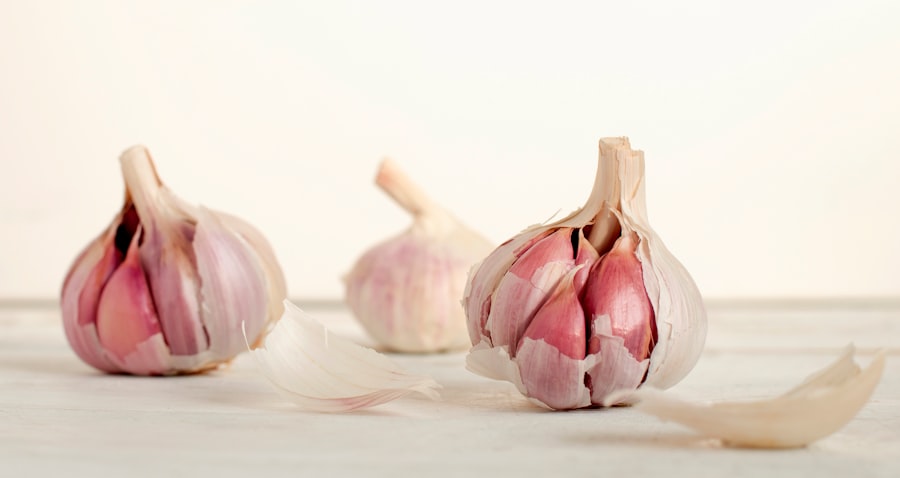
Herbal remedies have been used for centuries to support vaginal health and address conditions such as vaginal candidiasis. Some herbs have natural antifungal properties that can help to inhibit the growth of Candida and support a healthy balance of microorganisms in the vagina. For example, garlic has been traditionally used for its antimicrobial properties and may be effective against Candida albicans. You can incorporate garlic into your diet or use it as a suppository for vaginal candidiasis.
Other herbs that may be beneficial for vaginal candidiasis include tea tree oil, oregano oil, and pau d’arco. These herbs have been shown to have antifungal properties and may help to reduce the symptoms of vaginal candidiasis when used topically or internally. It is important to use caution when using herbal remedies for vaginal candidiasis and consult with a healthcare professional before trying any new treatment.
In addition to using herbs internally, herbal sitz baths can also be beneficial for supporting vaginal health. Adding herbs such as calendula, chamomile, or lavender to a warm bath can help soothe itching and discomfort associated with vaginal candidiasis while supporting overall vaginal health. When using herbal remedies for vaginal candidiasis, it is important to use high-quality herbs from reputable sources and follow recommended dosages to avoid any potential side effects.
Probiotics for Vaginal Candida
| Study | Findings |
|---|---|
| Study 1 | Probiotics reduced the recurrence of vaginal candida infections. |
| Study 2 | Probiotics improved the symptoms of vaginal candida infections. |
| Study 3 | Probiotics showed a positive effect on the vaginal microbiota balance. |
Probiotics are beneficial bacteria that can help support a healthy balance of microorganisms in the body, including the vagina. Lactobacillus species are the predominant bacteria in the vagina and play a crucial role in maintaining a healthy pH and preventing the overgrowth of harmful microorganisms such as Candida albicans. When this balance is disrupted, it can lead to conditions such as vaginal candidiasis.
Taking probiotic supplements containing Lactobacillus strains or consuming probiotic-rich foods such as yogurt, kefir, and fermented vegetables can help support a healthy balance of bacteria in the vagina. Some studies have shown that probiotics may help reduce the risk of recurrent vaginal yeast infections by promoting the growth of beneficial bacteria and inhibiting the growth of Candida albicans.
In addition to oral probiotics, some women may benefit from using probiotic suppositories or vaginal gels specifically designed to support vaginal health. These products contain live probiotic bacteria that can help restore the natural balance of microorganisms in the vagina and reduce the risk of vaginal candidiasis. When choosing a probiotic supplement or vaginal product, look for those that contain specific strains of Lactobacillus known to support vaginal health, such as Lactobacillus rhamnosus or Lactobacillus reuteri.
Essential Oils for Vaginal Candida
Essential oils have been used for their antimicrobial and antifungal properties and may be beneficial for managing vaginal candidiasis. Some essential oils have been shown to have antifungal activity against Candida albicans and can be used topically or aromatically to reduce symptoms such as itching and discomfort associated with vaginal yeast infections.
Tea tree oil is one essential oil that has been extensively studied for its antifungal properties and may be effective against Candida albicans. When using tea tree oil for vaginal candidiasis, it is important to dilute it with a carrier oil such as coconut oil or olive oil to avoid irritation to the sensitive skin of the vagina. Other essential oils that may be beneficial for vaginal candidiasis include oregano oil, lavender oil, and thyme oil.
When using essential oils for vaginal candidiasis, it is important to use caution and consult with a healthcare professional before trying any new treatment. Essential oils are highly concentrated plant extracts and should be used sparingly and with proper dilution to avoid skin irritation or allergic reactions. It is also important to choose high-quality essential oils from reputable sources to ensure their purity and potency.
Home Remedies for Vaginal Candida
In addition to herbal remedies, probiotics, and essential oils, there are several home remedies that may help manage the symptoms of vaginal candidiasis and support overall vaginal health. For example, practicing good hygiene by keeping the genital area clean and dry can help prevent the overgrowth of Candida albicans. Avoiding tight-fitting clothing and synthetic underwear can also help reduce moisture and irritation in the genital area.
Another home remedy for vaginal candidiasis is using apple cider vinegar. Diluting apple cider vinegar with water and using it as a rinse for the genital area may help restore the natural pH of the vagina and inhibit the growth of Candida albicans. It is important to use caution when using apple cider vinegar topically, as it can cause irritation if not properly diluted.
Additionally, boric acid suppositories have been used as a home remedy for vaginal candidiasis. Boric acid has antifungal properties and may help reduce the symptoms of vaginal yeast infections when used as a suppository. However, it is important to use caution when using boric acid and consult with a healthcare professional before trying this home remedy.
Prevention and Conclusion
Preventing vaginal candidiasis involves maintaining a healthy balance of bacteria and yeast in the vagina through diet, lifestyle changes, herbal remedies, probiotics, essential oils, and home remedies. By making these changes and incorporating natural treatments into your routine, you can support overall vaginal health and reduce the risk of recurrent yeast infections.
In conclusion, vaginal candidiasis is a common condition that can cause discomfort and disruption to daily life. Understanding the causes and symptoms of vaginal candidiasis is important for seeking appropriate treatment and making necessary lifestyle changes to support overall vaginal health. By incorporating diet and lifestyle changes, herbal remedies, probiotics, essential oils, and home remedies into your routine, you can manage the symptoms of vaginal candidiasis and reduce the risk of recurrent infections. It is important to consult with a healthcare professional before trying any new treatment for vaginal candidiasis to ensure it is safe and appropriate for your individual needs. With proper care and attention to vaginal health, you can support a healthy balance of microorganisms in the vagina and reduce the risk of vaginal candidiasis.
Looking for natural remedies to treat vaginal candida? While home remedies can be effective, it’s also important to focus on maintaining a healthy diet. Check out this article on healthy comfort foods recipes for some delicious and nutritious meal ideas that can support your body’s natural defenses. In addition to dietary changes, incorporating herbal remedies and stress-reducing practices like yoga can also contribute to overall well-being. For more tips on holistic health, explore our article on yoga tips for better sleep and relaxation.