
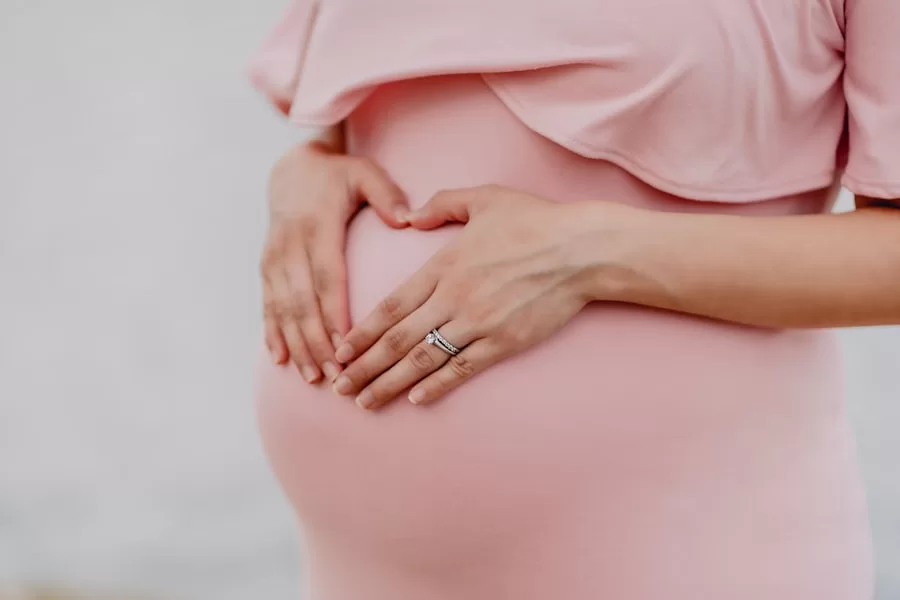

Maternity yoga during pregnancy offers a wide range of benefits for both the mother and the baby. Firstly, it helps to alleviate common pregnancy discomforts such as back pain, nausea, and fatigue. The gentle stretching and strengthening exercises in maternity yoga can help to improve circulation, reduce swelling, and promote overall well-being. Additionally, yoga can help pregnant women to build strength and flexibility, which can be beneficial during labor and delivery. It also provides an opportunity for expecting mothers to connect with their bodies and their growing babies, fostering a sense of mindfulness and relaxation.
Furthermore, maternity yoga can help to reduce stress and anxiety, which are common during pregnancy. The deep breathing techniques and meditation practices in yoga can help expecting mothers to calm their minds and find inner peace. This can be particularly helpful in preparing for childbirth and the challenges of motherhood. Moreover, practicing yoga during pregnancy can help to improve sleep quality, which is often disrupted by discomfort and hormonal changes. Overall, maternity yoga offers a holistic approach to prenatal care, addressing physical, mental, and emotional well-being for both the mother and the baby.
Key Takeaways
- I. Benefits of Maternity Yoga during Pregnancy
- Reduces stress and anxiety
- Improves flexibility and strength
- Promotes relaxation and better sleep
- Helps prepare for labor and delivery
- Connects with baby and other expectant mothers
- II. Precautions and Tips for Practicing Yoga during Pregnancy
- Consult with a healthcare provider before starting
- Avoid hot yoga and poses that compress the abdomen
- Listen to your body and modify poses as needed
- Stay hydrated and avoid overexertion
- Practice in a well-ventilated space
- III. Supported Child’s Pose
- Relieves back and hip discomfort
- Promotes relaxation and stress relief
- Can be practiced with props for added support
- Helps to open the hips and stretch the back
- Encourages deep breathing and connection with baby
- IV. Cat-Cow Stretch
- Improves spinal flexibility and mobility
- Strengthens the core and pelvic floor muscles
- Alleviates back pain and discomfort
- Promotes optimal fetal positioning
- Encourages mindful movement and breath coordination
- V. Prenatal Sun Salutation
- Increases circulation and energy flow
- Strengthens the upper body and arms
- Improves balance and coordination
- Promotes a sense of empowerment and confidence
- Can be modified for different stages of pregnancy
- VI. Seated Pigeon Pose
- Stretches the hips and glutes
- Relieves tension in the lower back and pelvis
- Improves circulation to the pelvic area
- Prepares the body for labor and childbirth
- Encourages relaxation and mindfulness
- VII. Supported Warrior II Pose
- Strengthens the legs and opens the hips
- Builds stamina and endurance for labor
- Improves focus and concentration
- Promotes a sense of empowerment and confidence
- Can be practiced with the support of a chair or wall for added stability
Precautions and Tips for Practicing Yoga during Pregnancy
While maternity yoga can be highly beneficial during pregnancy, it is important for expecting mothers to take certain precautions and follow specific guidelines to ensure a safe practice. Firstly, it is crucial to consult with a healthcare provider before starting any new exercise routine, including yoga. This is especially important for women with high-risk pregnancies or certain medical conditions. Additionally, pregnant women should inform their yoga instructor about their pregnancy and any specific concerns or limitations they may have. It is essential to practice yoga under the guidance of a qualified prenatal yoga instructor who can provide modifications and ensure a safe practice.
Moreover, pregnant women should avoid certain yoga poses that may be contraindicated during pregnancy, such as deep twists, strong backbends, and inversions. These poses can put pressure on the abdomen and potentially harm the developing fetus. It is also important to listen to the body and avoid overexertion, as pregnancy hormones can make the joints more flexible and prone to injury. Expecting mothers should focus on gentle, restorative yoga poses that support the changing needs of their bodies during pregnancy. Additionally, it is important to stay hydrated and take frequent breaks during yoga practice. By following these precautions and tips, pregnant women can safely enjoy the many benefits of maternity yoga.
Supported Child’s Pose
Supported Child’s Pose is a gentle and restorative yoga pose that can provide relief for pregnant women experiencing back pain and discomfort. To practice this pose, start by kneeling on the mat with the big toes touching and the knees spread apart. Place a bolster or a stack of pillows between the knees and then sit back on the heels. Slowly lower the upper body onto the bolster or pillows, extending the arms forward and resting the forehead on the support.
Supported Child’s Pose helps to release tension in the lower back and hips while promoting relaxation and deep breathing. It also gently stretches the spine and opens the chest, providing a sense of relief for pregnant women who may be experiencing tightness in these areas. This pose can be practiced throughout pregnancy, with modifications as needed to accommodate the growing belly. It is a soothing and nurturing pose that can help expecting mothers to find comfort and ease during this special time.
Cat-Cow Stretch
| Metrics | Values |
|---|---|
| Exercise Name | Cat-Cow Stretch |
| Targeted Muscles | Spine, back, and core muscles |
| Benefits | Improves flexibility, relieves back pain, and promotes spinal health |
| Technique | Alternate between arching and rounding your back while on all fours |
| Repetitions | 10-15 repetitions |
The Cat-Cow Stretch is a gentle and flowing yoga movement that can help pregnant women to maintain flexibility in the spine and relieve tension in the back and shoulders. To practice this stretch, start on hands and knees with the wrists directly under the shoulders and the knees under the hips. Inhale as you arch the back, lifting the chest and tailbone towards the ceiling (Cow Pose). Then exhale as you round the back, tucking the chin to the chest and drawing the belly in towards the spine (Cat Pose).
The Cat-Cow Stretch helps to mobilize the spine and pelvis while promoting circulation and relaxation. It also provides a gentle massage for the organs in the abdomen, which can be soothing for pregnant women. This movement can be practiced as part of a prenatal yoga sequence or as a standalone stretch throughout pregnancy. It is a safe and effective way for expecting mothers to maintain flexibility and ease discomfort in the back and shoulders as their bodies undergo changes during pregnancy.
Prenatal Sun Salutation
The Prenatal Sun Salutation is a modified version of the traditional Sun Salutation sequence that is safe for pregnant women to practice throughout all stages of pregnancy. This gentle flow helps to build strength, improve circulation, and promote relaxation. To practice this sequence, start in Mountain Pose at the front of the mat with feet hip-width apart. Inhale as you reach the arms overhead (Extended Mountain Pose), then exhale as you fold forward into a gentle Forward Fold.
Next, inhale to lift halfway up with a flat back (Halfway Lift), then exhale to step back into a modified Plank Pose with the knees on the mat. Lower down onto the belly with elbows close to the body (Modified Chaturanga), then inhale as you lift into a gentle Cobra Pose. Exhale to release back down and then push back into a modified Downward-Facing Dog with knees on the mat. Finally, inhale as you step forward into a Forward Fold, then exhale as you rise back up to Extended Mountain Pose.
The Prenatal Sun Salutation offers a balanced combination of strength-building and stretching exercises that are safe for pregnant women. It helps to improve circulation, build endurance, and promote relaxation through mindful breathing. This sequence can be practiced at a gentle pace, with modifications as needed to accommodate the changing needs of the body during pregnancy.
Seated Pigeon Pose
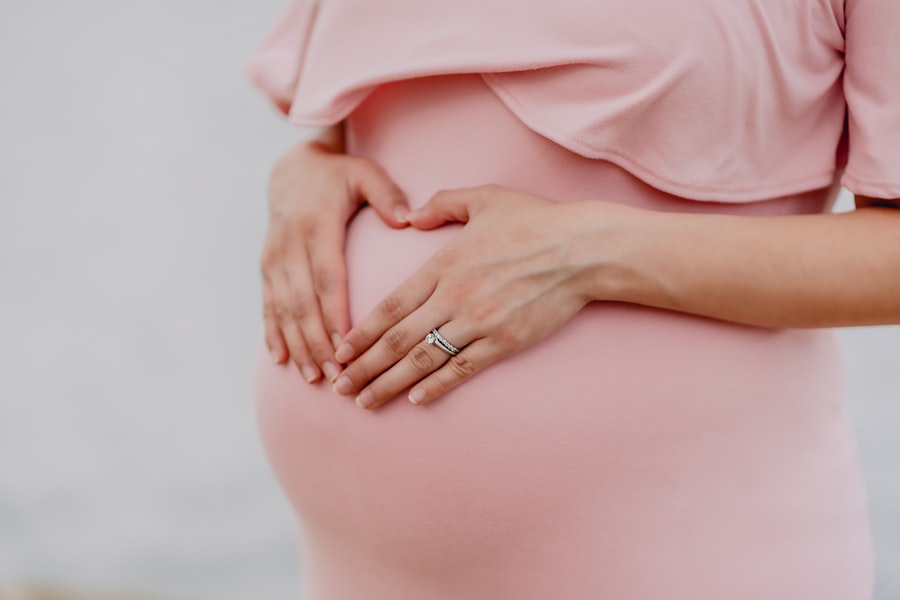
Seated Pigeon Pose is a gentle hip-opening stretch that can help pregnant women to relieve tension in the hips and lower back. To practice this pose, start by sitting on the edge of a chair or on a cushion on the floor with both feet flat on the ground. Cross one ankle over the opposite knee, flexing the foot to protect the knee joint. Gently press down on the crossed knee to open the hip while keeping the spine tall.
Seated Pigeon Pose provides a deep stretch for the hip flexors and outer hips while promoting relaxation and mindful breathing. It can help pregnant women to alleviate discomfort in the hips and lower back that often arises as the body changes during pregnancy. This pose can be practiced throughout pregnancy with modifications as needed to ensure comfort and safety for both the mother and the baby.
Supported Warrior II Pose
Supported Warrior II Pose is a strengthening and grounding yoga pose that can help pregnant women to build stability in the legs and pelvis while promoting a sense of empowerment. To practice this pose, start by standing with feet wide apart and turning one foot out while keeping both hips facing forward. Bend the front knee over the ankle while extending the arms out parallel to the ground.
Supported Warrior II Pose helps to build strength in the legs while opening the hips and chest. It provides a sense of stability and confidence for pregnant women as they prepare for childbirth and motherhood. This pose can be practiced with support from a wall or chair if needed to ensure safety and comfort during pregnancy. It offers an empowering experience for expecting mothers as they connect with their inner strength and resilience.
In conclusion, maternity yoga offers numerous benefits for pregnant women, including relief from common discomforts, stress reduction, improved sleep quality, and preparation for labor and delivery. However, it is important for expecting mothers to take precautions when practicing yoga during pregnancy, including consulting with a healthcare provider, informing their yoga instructor about their pregnancy, avoiding certain poses, listening to their bodies, staying hydrated, and taking frequent breaks. Additionally, there are several safe and effective yoga poses that pregnant women can practice, including Supported Child’s Pose, Cat-Cow Stretch, Prenatal Sun Salutation, Seated Pigeon Pose, and Supported Warrior II Pose. These poses offer gentle stretching, strengthening, relaxation, and empowerment for expecting mothers as they navigate this special time in their lives.
Looking for some refreshing juice recipes to complement your maternity yoga practice? Check out this article on juice recipes to beat the heat for some delicious and hydrating options. Maintaining a healthy lifestyle during pregnancy is essential, and incorporating yoga into your routine can be beneficial for both you and your baby. If you’re interested in introducing yoga to your kids as well, this article on healthy yoga for kids offers fun and creative ways to get them involved. And for more tips on living a healthy lifestyle for a longer, happier life, be sure to check out this article on healthy lifestyle tips for a longer life.