
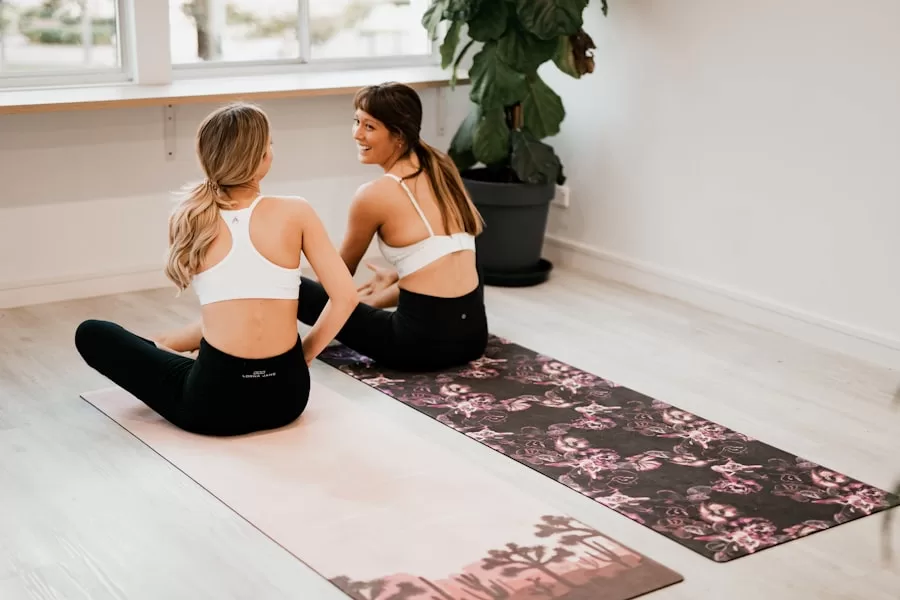

Core strength is essential for overall health and well-being. The core muscles, which include the abdominals, obliques, lower back, and pelvic floor, provide stability and support for the entire body. A strong core can improve posture, reduce the risk of injury, and enhance athletic performance. Additionally, a strong core can help alleviate back pain and improve balance and coordination. By engaging in exercises that target the core muscles, individuals can improve their overall strength and endurance, leading to a healthier and more active lifestyle.
Furthermore, a strong core is crucial for everyday activities such as lifting, bending, and twisting. Whether you’re an athlete looking to improve your performance or someone looking to enhance their overall fitness level, building core strength should be a priority in your workout routine. By understanding the importance of core strength, individuals can make informed decisions about their fitness goals and take the necessary steps to improve their overall health and well-being.
Key Takeaways
- Core strength is essential for overall stability and balance in the body
- Basic yoga poses like plank, boat pose, and bridge pose can help build core strength
- Engaging in deep diaphragmatic breathing can enhance core engagement during yoga practice
- Proper alignment and form are crucial for preventing injuries and maximizing the benefits of core strengthening exercises
- Gradually increasing the intensity and duration of core exercises can help in progressing in core strength practice
- Props like yoga blocks and straps can provide added support and assistance in core strengthening poses
- Avoid overarching the lower back and holding the breath, as these are common mistakes that can lead to injuries in core strengthening exercises
Basic Yoga Poses for Building Core Strength
Yoga is an excellent way to build core strength as it engages the entire body, including the core muscles. Some basic yoga poses that are effective for building core strength include plank pose, boat pose, and downward-facing dog. Plank pose is a great way to engage the entire core, including the abdominals, obliques, and lower back. Boat pose targets the abdominal muscles and helps to improve balance and stability. Downward-facing dog not only strengthens the core but also stretches and lengthens the spine, providing relief from back pain.
In addition to these poses, incorporating yoga sequences that include dynamic movements such as sun salutations can also help build core strength. These sequences often involve flowing from one pose to another, engaging the core muscles throughout the entire practice. By incorporating these basic yoga poses into your regular practice, you can effectively build core strength and improve overall stability and balance.
Breathing Techniques for Core Engagement
Breath awareness is an essential component of building core strength in yoga. By using specific breathing techniques, individuals can engage the core muscles more effectively during their practice. One such technique is ujjayi breath, also known as victorious breath. This breathing technique involves constricting the back of the throat to create a gentle hissing sound as you inhale and exhale. By using ujjayi breath during yoga poses, individuals can engage the core muscles more effectively and create a sense of internal heat, which can aid in building strength and endurance.
Another breathing technique that can help engage the core is engaging mula bandha, or the root lock. This involves contracting the pelvic floor muscles while maintaining a steady breath. By incorporating mula bandha into your yoga practice, you can strengthen the pelvic floor and lower abdominal muscles, which are essential for overall core strength. By mastering these breathing techniques, individuals can enhance their core engagement during yoga practice and improve their overall strength and stability.
Tips for Proper Alignment and Form
| Tip | Description |
|---|---|
| Keep your head in line with your spine | Ensure that your head is not tilted forward or backward, but in a neutral position. |
| Engage your core muscles | Brace your abdominal muscles to support your spine and maintain proper alignment. |
| Align your knees with your toes | When performing exercises or movements, make sure your knees are in line with your toes to prevent strain. |
| Maintain a neutral spine | Avoid arching or rounding your back, and keep your spine in a neutral position during exercises. |
| Focus on proper breathing | Remember to breathe deeply and rhythmically to support your movements and maintain proper form. |
Proper alignment and form are crucial when it comes to building core strength in yoga. When practicing yoga poses that target the core, it’s important to maintain proper alignment to avoid injury and maximize the effectiveness of the exercise. For example, in plank pose, it’s essential to keep the body in a straight line from head to heels, engaging the core muscles to support the spine and prevent sagging or overarching in the lower back.
Additionally, maintaining proper form in boat pose involves keeping the chest lifted and the spine long while engaging the abdominal muscles. By focusing on proper alignment and form during yoga practice, individuals can ensure that they are effectively engaging the core muscles and reaping the full benefits of each pose. It’s important to listen to your body and make adjustments as needed to maintain proper alignment and form throughout your practice.
Progressing in Your Core Strength Practice
As individuals build strength in their core through yoga practice, it’s important to continue progressing to challenge the muscles and avoid plateaus. One way to progress in your core strength practice is by adding variations to basic yoga poses. For example, in plank pose, individuals can lift one leg or arm at a time to challenge their stability and engage the core muscles more intensely.
Additionally, incorporating more advanced yoga poses such as side plank or forearm plank can help individuals continue to build strength in their core. By gradually increasing the intensity of your yoga practice and incorporating more challenging poses, you can continue to progress in your core strength journey and experience ongoing improvements in stability and balance.
Incorporating Props for Added Support
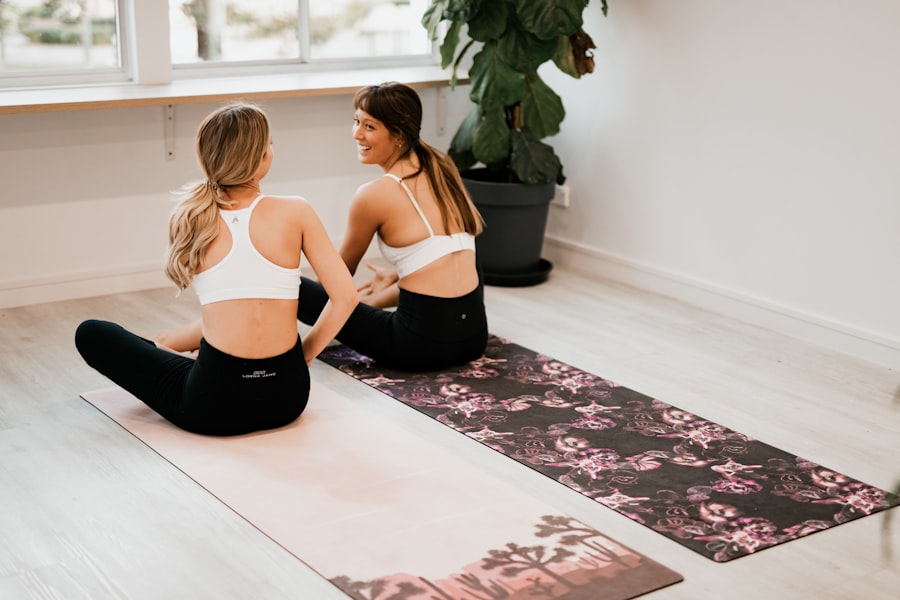
Incorporating props into your yoga practice can provide added support as you work on building core strength. For example, using a yoga block in boat pose can help individuals maintain proper alignment and form while engaging the abdominal muscles. Additionally, using a yoga strap in seated forward fold can help individuals with tight hamstrings maintain length in the spine while engaging the core.
Furthermore, using a yoga bolster in restorative poses such as reclined bound angle pose can help individuals relax and release tension in the body while still engaging the core muscles. By incorporating props into your yoga practice, you can provide added support as you work on building core strength and ensure that you are maintaining proper alignment and form throughout your practice.
Avoiding Common Mistakes and Injuries
When working on building core strength through yoga practice, it’s important to be mindful of common mistakes that can lead to injury. One common mistake is overarching in the lower back during poses such as plank or downward-facing dog, which can put strain on the spine and lead to discomfort or injury. It’s important to engage the core muscles to support the spine and maintain a neutral position to avoid this mistake.
Another common mistake is holding your breath during challenging poses, which can limit oxygen flow to the muscles and lead to fatigue or dizziness. It’s important to focus on steady, controlled breathing throughout your practice to ensure that you are effectively engaging the core muscles and avoiding unnecessary strain on the body.
By being mindful of these common mistakes and taking steps to avoid them, individuals can reduce their risk of injury and make the most of their yoga practice as they work on building core strength.
Looking to enhance your yoga practice? Check out our article on yoga poses to relieve stress for a comprehensive guide on how to incorporate stress-relieving poses into your routine. These poses can help you build core strength while also promoting relaxation and mental well-being. Whether you’re a beginner or an experienced yogi, these poses are a great addition to any practice.