

In the quest for weight loss, many people turn to fad diets, extreme exercise regimens, or even weight loss supplements. However, one of the most effective and sustainable ways to shed those extra pounds is by incorporating more vegetables into your diet. Vegetables are not only low in calories and high in fiber, but they also provide essential vitamins, minerals, and antioxidants that are crucial for overall health. In this article, we will explore the various types of vegetables that are particularly beneficial for weight loss, and how you can incorporate them into your daily meals to achieve your weight loss goals.
Benefits of Adding Vegetables to Your Diet for Weight Loss
Adding vegetables to your diet can have a multitude of benefits for weight loss. Firstly, vegetables are low in calories and high in fiber, which means they can help you feel full and satisfied without consuming excess calories. This can lead to a reduced overall calorie intake, which is essential for weight loss. Additionally, the high fiber content in vegetables can aid in digestion and promote a healthy gut, which is crucial for maintaining a healthy weight. Furthermore, many vegetables are rich in vitamins, minerals, and antioxidants that can support overall health and well-being, which is important when embarking on a weight loss journey. By incorporating a variety of vegetables into your meals, you can ensure that you are getting a wide range of nutrients that are essential for optimal health and weight management.
Leafy Greens for Weight Loss
Leafy greens such as spinach, kale, and Swiss chard are excellent choices for weight loss due to their low calorie and high nutrient content. These vegetables are packed with vitamins A, C, and K, as well as folate and potassium. Additionally, they are high in fiber, which can help promote satiety and aid in digestion. Leafy greens are also rich in antioxidants, which can help reduce inflammation and support overall health. Incorporating leafy greens into your diet can be as simple as adding them to salads, smoothies, or stir-fries. You can also use them as a base for wraps or sandwiches instead of bread or tortillas. By including leafy greens in your meals, you can boost your nutrient intake while keeping your calorie count low, making them an excellent choice for weight loss.
Cruciferous Vegetables for Weight Loss
| Vegetable | Calories per 100g | Fiber per 100g | Protein per 100g |
|---|---|---|---|
| Kale | 49 | 4.1g | 4.3g |
| Broccoli | 34 | 2.6g | 2.8g |
| Cauliflower | 25 | 2g | 2g |
| Cabbage | 25 | 2.5g | 1.3g |
Cruciferous vegetables such as broccoli, cauliflower, and Brussels sprouts are another group of vegetables that are particularly beneficial for weight loss. These vegetables are low in calories but high in fiber, making them an excellent choice for promoting satiety and reducing overall calorie intake. Cruciferous vegetables are also rich in vitamins C, K, and folate, as well as minerals such as potassium and manganese. Additionally, they contain compounds called glucosinolates, which have been shown to have anti-inflammatory and anti-cancer properties. These vegetables can be incorporated into your diet in various ways, such as roasting them as a side dish, adding them to soups or stews, or even using them as a base for pizza crust or rice alternatives. By including cruciferous vegetables in your meals, you can benefit from their nutrient content while supporting your weight loss goals.
High-Fiber Vegetables for Weight Loss
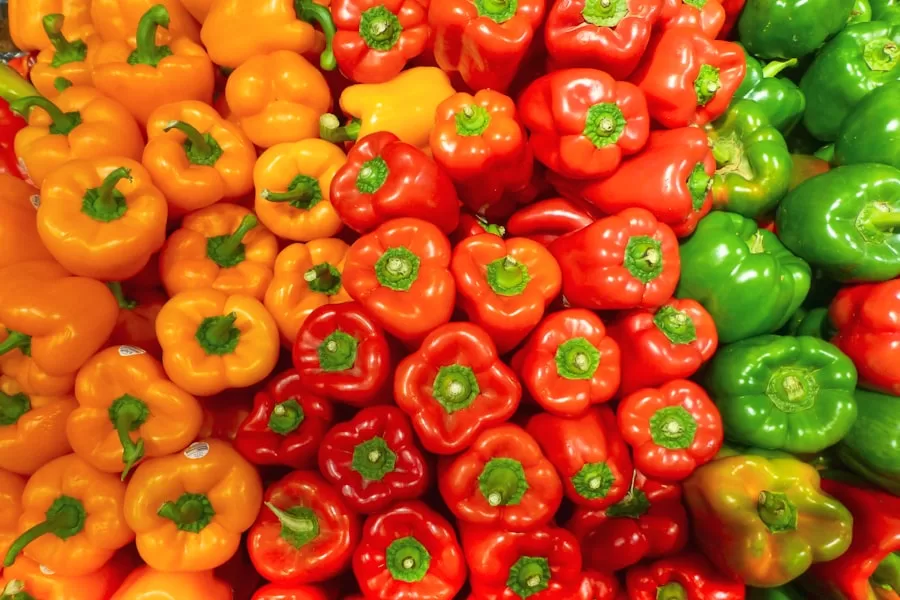
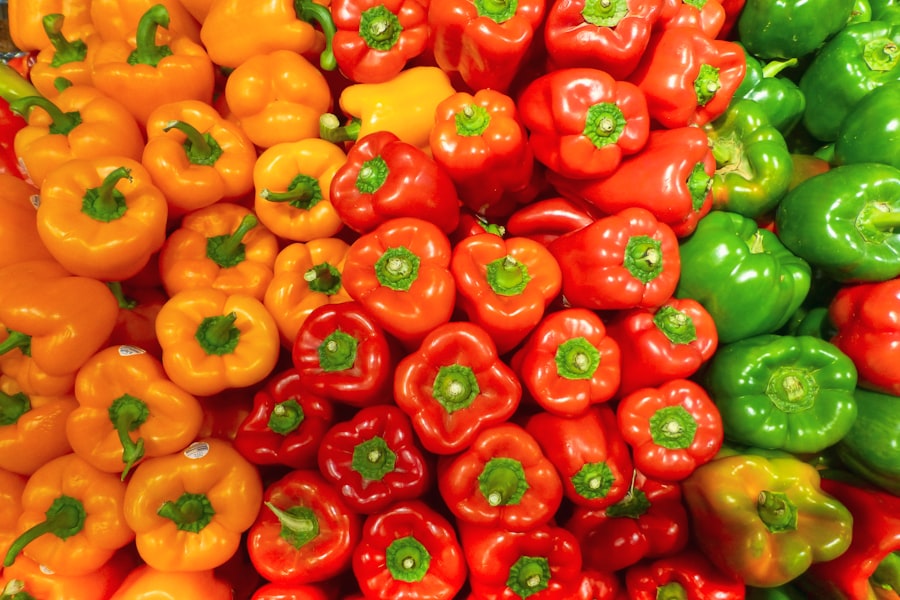
High-fiber vegetables such as carrots, bell peppers, and zucchini are excellent choices for weight loss due to their ability to promote satiety and aid in digestion. These vegetables are low in calories but high in fiber, which means they can help you feel full and satisfied without consuming excess calories. Additionally, they are rich in vitamins A and C, as well as antioxidants that can support overall health. High-fiber vegetables can be incorporated into your diet in various ways, such as adding them to salads, stir-fries, or soups. You can also use them as a base for noodles or pasta alternatives to reduce your overall calorie intake while increasing your nutrient intake. By including high-fiber vegetables in your meals, you can support your weight loss goals while ensuring that you are getting essential nutrients for overall health.
Low-Calorie Vegetables for Weight Loss
In addition to the specific types of vegetables mentioned above, there are also many other low-calorie options that can support weight loss. Vegetables such as cucumbers, celery, and lettuce are extremely low in calories but high in water content, making them excellent choices for promoting satiety without consuming excess calories. These vegetables can be used as snacks or added to meals to increase volume without significantly increasing calorie intake. Additionally, they are rich in vitamins and minerals that are essential for overall health. By incorporating a variety of low-calorie vegetables into your meals, you can increase your nutrient intake while keeping your calorie count low, which is essential for weight loss.
Conclusion and Tips for Incorporating Weight Loss Vegetables into Your Diet
In conclusion, incorporating a variety of vegetables into your diet can have numerous benefits for weight loss. Vegetables are low in calories but high in fiber, vitamins, minerals, and antioxidants that are essential for overall health. By including leafy greens, cruciferous vegetables, high-fiber vegetables, and low-calorie options in your meals, you can support your weight loss goals while ensuring that you are getting essential nutrients for optimal health. To incorporate more vegetables into your diet, consider adding them to salads, smoothies, stir-fries, soups, or using them as alternatives to higher calorie foods such as bread or pasta. You can also experiment with different cooking methods such as roasting, grilling, or steaming to enhance the flavor and texture of the vegetables. By making vegetables a central part of your meals, you can support your weight loss journey while enjoying delicious and nutritious foods.
Looking to boost your weight loss journey with the power of vegetables? Check out our article on the best vegetables for weight loss. And if you’re looking to supercharge your metabolism, be sure to read our related article on the best juices to boost your metabolism. Additionally, if you’re interested in incorporating superfood juices into your diet, don’t miss our article on the top 5 superfood juices for health. And for a holistic approach to health and wellness, consider exploring the benefits of yoga for joint health in our article on yoga for joint health.